

Introduction About When Is the Best Time to Take a Pregnancy Test
When Is the Best Time to Take a Pregnancy Test is a question many women ask when they experience a missed period, early symptoms, or uncertainty after unprotected intercourse. The accuracy of a pregnancy test depends greatly on timing, because testing too early can easily lead to false negatives, confusion, and unnecessary anxiety. Understanding when the body begins producing detectable levels of the pregnancy hormone hCG helps women choose the right moment and avoid misinterpreting their results.
Timing matters both emotionally and medically. For women trying to conceive, knowing exactly when is the best time to take a pregnancy test can prevent repeated early testing and disappointment. For those unsure whether they may be pregnant, correct timing offers clarity and reassurance. This comprehensive guide explains how pregnancy tests work, the ideal time of day and ideal cycle day to test, how symptoms may signal pregnancy, what affects test accuracy, frequently asked questions, and what steps to take after a positive result.
Table of Contents About When Is the Best Time to Take a Pregnancy Test
How Pregnancy Tests Work
Pregnancy tests detect human chorionic gonadotropin (hCG), a hormone released by the placenta shortly after implantation. Implantation typically occurs 6 to 10 days after conception. Before implantation, even if fertilization happened, the body produces no hCG, which means a pregnancy test cannot detect pregnancy. This explains why early testing is often inaccurate.
How Pregnancy Tests Detect hCG
After conception and implantation, hCG levels rise rapidly, doubling approximately every 48 to 72 hours in early pregnancy. Home pregnancy tests contain antibodies that react when hCG is present in the urine. If the concentration reaches the test’s threshold sensitivity, the test will display a positive result. If hCG is too low, the test will read as negative, even if pregnancy has begun.
This early biological process directly influences when is the best time to take a pregnancy test, since the test’s accuracy depends on reaching detectable hCG levels.
Types of Pregnancy Tests
Urine Pregnancy Tests (Home Tests)
Home pregnancy tests are commonly used because they are accessible, simple, and affordable. They detect hCG levels ranging from 10 to 25 mIU/ml depending on brand sensitivity. When used correctly after a missed period, their accuracy approaches 99 percent.
Blood Pregnancy Tests
Blood tests detect smaller amounts of hCG and therefore identify pregnancy earlier. A qualitative blood test determines whether hCG is present, while a quantitative blood test measures the exact amount. Healthcare providers use blood tests when early confirmation is needed or when evaluating early pregnancy complications.
Blood tests can detect pregnancy as early as 6 to 8 days after ovulation, but they are not routinely necessary unless medically indicated.
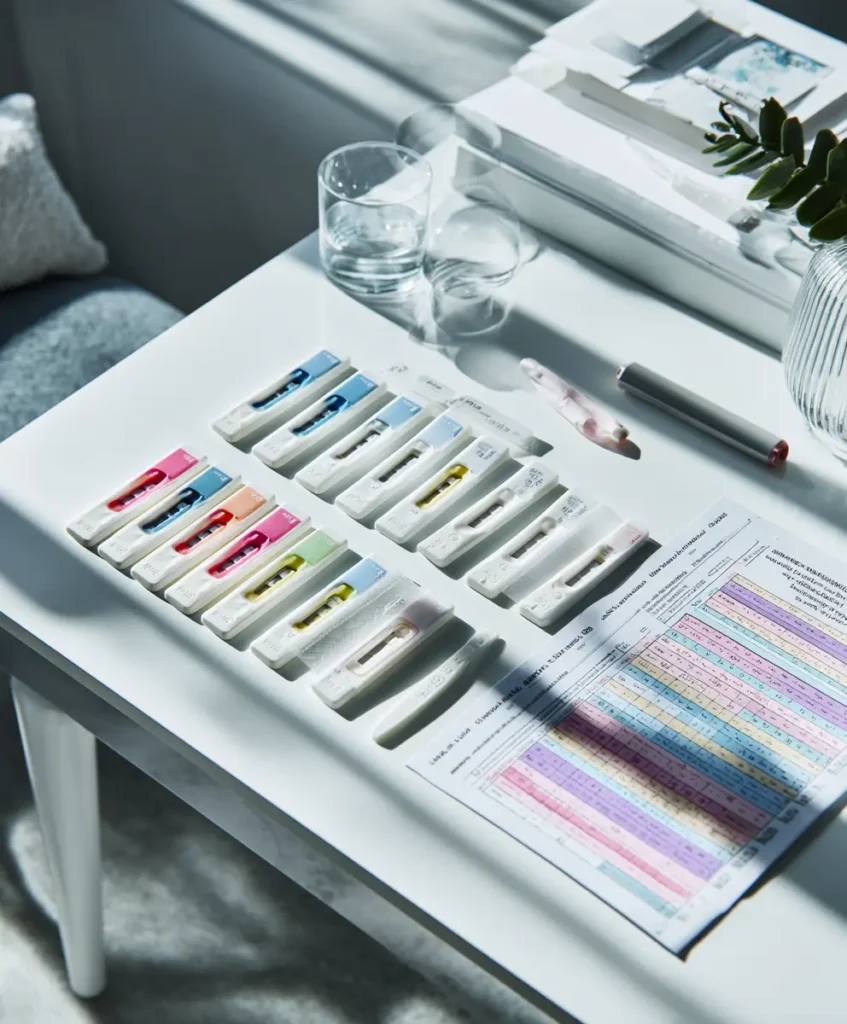
When to Take a Pregnancy Test
Understanding when is the best time to take a pregnancy test requires considering both the time of day and your menstrual cycle.
Ideal Time of Day
The most accurate time to take a pregnancy test is early morning, using the first urine of the day. Morning urine is more concentrated because the bladder has been collecting urine overnight, allowing hCG levels to be higher. Testing later in the day is possible, especially after a missed period, but diluted urine may reduce accuracy.
Ideal Day to Test
The highest accuracy occurs when testing on or after the first day of your missed period. By this time, hCG levels are generally sufficient for detection. Many women, however, feel tempted to test earlier. Early detection tests may claim to identify pregnancy up to six days before a missed period, but results at that stage are far less reliable. Early negatives are common and often due to late ovulation, late implantation, or naturally low hCG levels.
Understanding these details is essential when determining when is the best time to take a pregnancy test, because early testing can cause unnecessary disappointment even when pregnancy has occurred.
Early Testing Considerations
Testing before your expected period significantly increases the risk of false negatives. A negative early test does not mean you are not pregnant. It simply means that your hCG level has not yet reached the detection threshold. Women who receive a negative early result but do not get their period should wait 48 to 72 hours before testing again.
The emotional stress of early testing is also important to acknowledge. Women trying to conceive often take multiple tests in the days before their expected period. For clearer answers and emotional peace, it is best to wait until after a missed period before testing.
Testing With Irregular Cycles
Women with irregular menstrual cycles may find it difficult to identify the expected day of their period. When cycle dates are unclear, medical guidelines recommend taking a pregnancy test 21 days after unprotected intercourse. This time frame accounts for variations in ovulation and allows enough time for implantation and early hCG production.
Irregular cycles make it especially important to understand when is the best time to take a pregnancy test, since miscalculating the cycle can lead to unnecessary false negatives. Tracking ovulation through temperature, ovulation kits, or cycle apps may improve clarity for future testing.
Signs That It Might Be Time to Test
While a pregnancy test is the only way to confirm pregnancy, recognizing early symptoms can help you decide when to test. These symptoms vary among women and may resemble premenstrual discomfort, but when combined with a missed period, they may indicate pregnancy.
Missed Period
A missed period is the most reliable early sign, particularly if your cycle is regular.
Breast Tenderness or Swelling
Increased hormone levels may cause breast sensitivity similar to premenstrual symptoms but often more intense.
Light Cramping or Spotting
Some women experience implantation bleeding, which occurs when the embryo attaches to the uterine lining. This spotting is typically lighter than a period.
Nausea or Food Aversions
Early pregnancy hormones affect the digestive system and appetite, causing nausea or sudden aversions to certain smells or foods.
Fatigue
The rise in progesterone during early pregnancy can produce unusual tiredness before a missed period.
Unprotected Sex or Contraceptive Failure
A pregnancy test is recommended whenever unprotected intercourse occurs or contraception fails, especially if combined with symptoms.
Knowing these symptoms helps women better judge when is the best time to take a pregnancy test so they can test at the appropriate moment.
Accuracy of Pregnancy Tests
Home Urine Test Accuracy
Home tests are highly accurate after the first missed period when hCG levels are adequate. Accuracy depends on proper usage, timing, sensitivity, and urine concentration.
Blood Test Accuracy
Blood tests are the most precise form of early pregnancy detection. They can confirm pregnancy earlier than urine tests and are used for medical assessment when needed.
Differences in Sensitivity
Some tests detect hCG at very low levels, while others require higher levels. Choosing a highly sensitive test may allow earlier detection, but biological timing remains the biggest factor.

Factors That Can Affect Test Accuracy
Several factors may influence results, even when using a high-quality test.
Testing Too Early
The leading cause of false negatives. Even if conception occurred, hCG may still be undetectable.
Diluted Urine
Drinking large amounts of water before testing lowers hCG concentration.
Expired or Improperly Stored Tests
Chemical components degrade over time, reducing accuracy.
Incorrect Test Usage
Not following instructions—such as dipping too briefly or reading results too late—affects reliability.
Medications
Most medications do not affect pregnancy tests. Only fertility drugs containing hCG may cause false positives.
These variables make it even more important for women to understand when is the best time to take a pregnancy test and how to ensure accurate results.

Frequently Asked Questions When Is the Best Time to Take a Pregnancy Test
Can I Take a Pregnancy Test at Night?
Yes, especially if you are testing after your missed period. Before a missed period, morning urine is recommended because it contains the highest hCG concentration.
Can I Test Again After 12 Hours?
Yes. hCG levels rise rapidly in early pregnancy, so retesting after 12 hours or the next morning may produce a more accurate result.
Do Medications Affect Pregnancy Test Results?
Most medications do not affect results. The main exception is fertility medication containing hCG, which may cause false positives.
What to Do After a Positive Test
After receiving a positive test result, several steps support early pregnancy health.
Schedule a Medical Appointment
A healthcare provider will confirm the pregnancy and begin prenatal care.
Start Prenatal Vitamins
Vitamins containing folic acid help prevent neural tube defects.
Avoid Harmful Substances
Stop smoking, alcohol, recreational drugs, and reduce caffeine intake.
Adopt Healthy Lifestyle Habits
Eat nutritiously, stay hydrated, engage in moderate physical activity, and maintain adequate sleep.
These steps promote a healthy beginning to pregnancy.
Summary About When Is the Best Time to Take a Pregnancy Test
Understanding when is the best time to take a pregnancy test is essential for obtaining accurate results. The most reliable time to test is after a missed period and using first-morning urine. Testing too early can produce false negatives, requiring retesting after 48 to 72 hours. Recognizing early symptoms, understanding how pregnancy tests work, and considering factors that influence accuracy all help women choose the right moment.
Proper timing, awareness, and patience provide clarity during an emotionally significant moment. Knowing when to test empowers women with confidence and accurate information.