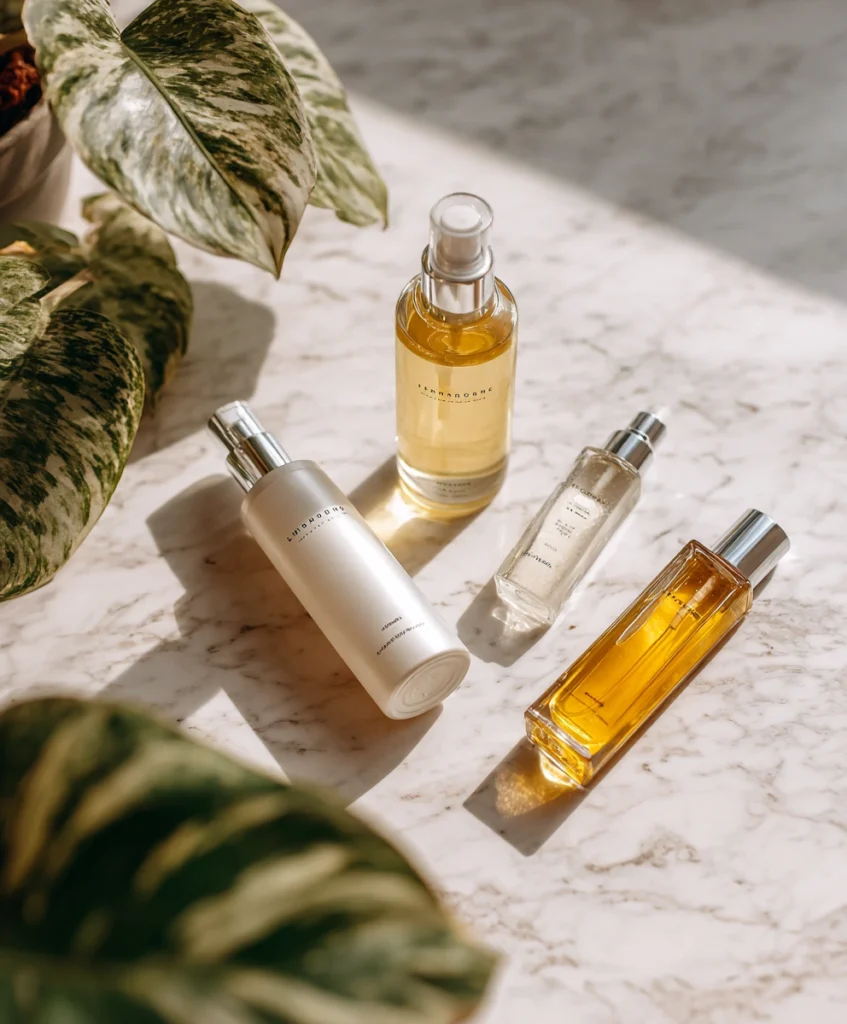
Understanding hair porosity is essential for choosing the right hair-care routine. Among all porosity types, low porosity hair is one of the most misunderstood. This hair type has a tightly packed cuticle layer, making it naturally resistant to absorbing moisture, oils, and cosmetic treatments. For that reason, using the correct low porosity hair products is crucial. The wrong routine can lead to dryness, buildup, dullness, and frustration, while the right routine transforms hair into soft, hydrated, manageable strands.
This comprehensive medical-based guide explains what low porosity hair is, why it behaves differently, and how to choose the best low porosity hair products to hydrate and nourish it effectively.
Table of Contents
What Is Low Porosity Hair?
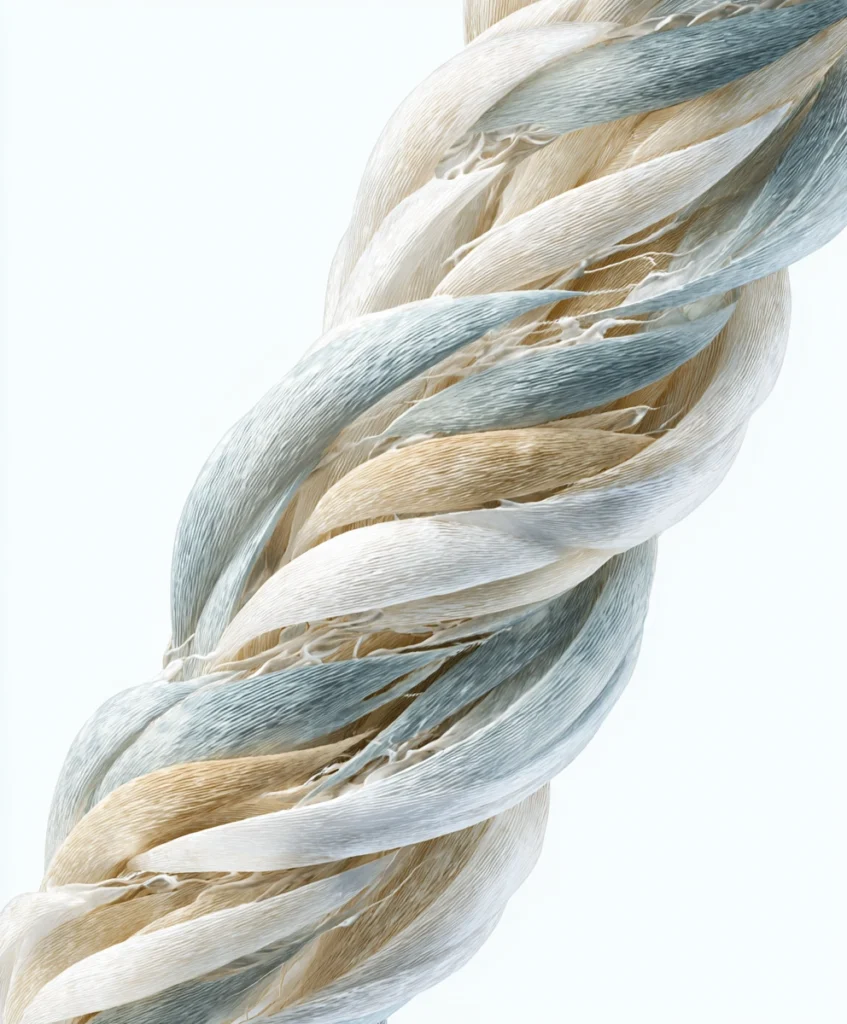
Hair porosity refers to the hair’s ability to absorb and retain moisture. This depends entirely on the condition and shape of the cuticle layer. In low porosity hair, the cuticles lie flat, smooth, and tightly closed. While this may protect the hair from external damage, it also prevents hydration from entering the hair shaft.
As a result, many people with low porosity hair report symptoms such as:
- Water sitting on the surface of the strands
- Long drying time after washing
- Difficulty absorbing oils or creams
- Frequent product buildup
- A shiny appearance but a dry feel
Because the cuticle is naturally resistant, traditional moisturizers and oils often fail to penetrate. That is why selecting the proper low porosity hair products makes all the difference.
Why Porosity Matters for Product Selection
For high-porosity hair, heavy creams and thick oils can restore hydration easily. But for people with low porosity hair, these products become a problem. The tightly sealed cuticle traps these products on the outside instead of letting them in, causing residue, heaviness, and flaking.
Low porosity hair needs a different approach:
- Lightweight formulas
- Humectants that draw moisture in
- Heat or steam to gently open the cuticle
- Products that do not cause buildup
Dermatologically, low porosity hair is not a disease or deficiency. It is simply a structural characteristic. But using incorrect products can create secondary issues such as breakage, irritation, and chronic dryness. Therefore, using the proper low porosity hair products is essential for healthy hair maintenance.
How to Identify Low Porosity Hair
Before investing in low porosity hair products, it is important to confirm whether this is your hair type. Common signs include:
- Water rolls off instead of soaking in
When showering, droplets remain on the hair surface. - Hair dries extremely slowly
Even after hours of air drying, it still feels damp. - Product buildup appears quickly
Hair feels coated or greasy despite being clean. - Moisturizers feel ineffective
Hydrating creams seem to “sit on top” instead of being absorbed. - The hair strand floats in water
Although not 100% reliable, floating often suggests low porosity.
If these symptoms match your experience, your hair likely needs low porosity hair products specifically formulated for this structure.
Scientific Causes of Low Porosity Hair
Low porosity hair is usually genetic. It is common among people with naturally straight or wavy hair, but can also appear in curly or coily hair. Unlike high porosity hair, which often results from chemical or mechanical damage, low porosity hair is rarely caused by external factors.
However, certain conditions can make low porosity hair even more resistant:
- Excessive use of heavy oils and butters
- Product layering without clarifying
- Environmental pollutants blocking the cuticle
- Hard water mineral deposits
For this reason, using appropriate low porosity hair products helps avoid creating an even tighter barrier.
Essential Features of Good Low Porosity Hair Products
To hydrate low porosity hair effectively, products must overcome the resistance of the cuticle. The best low porosity hair products usually include the following characteristics:
1. Lightweight Formulas
Low porosity hair cannot absorb heavy creams or thick oils. Lightweight, water-based formulas are far more effective.
2. Humectants
Ingredients like glycerin, honey, panthenol, and hyaluronic acid help attract moisture into the hair shaft.
3. Heat-Friendly Conditioners
Deep conditioners formulated for low porosity hair are designed to be used with steam or mild heat to improve absorption.
4. Minimal Protein
Protein treatments make hair stronger, but low porosity hair often becomes too stiff or dry when over-proteinized. Light proteins are fine, but heavy protein masks should be rare.
5. Clarifying Support
Because low porosity hair traps residue, clarifying shampoos are an essential part of a healthy routine.
Selecting low porosity hair products with these features ensures that hydration penetrates instead of sitting on the surface.
Best Types of Low Porosity Hair Products
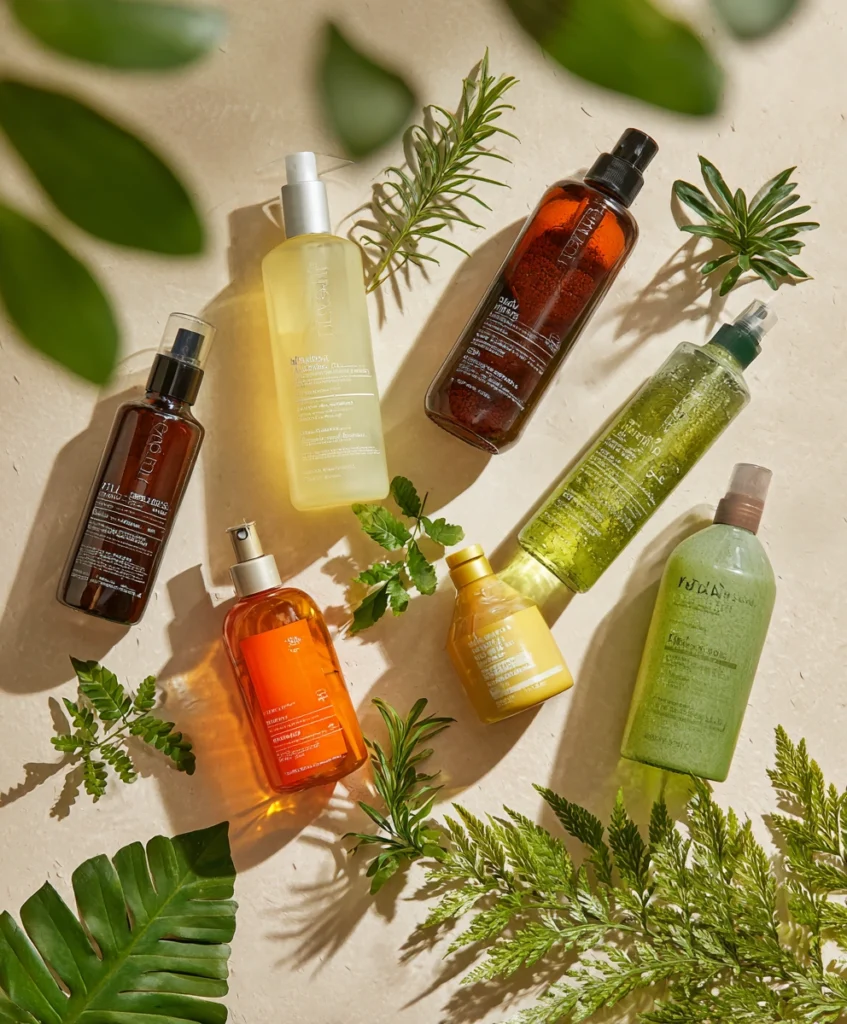
Below is a practical breakdown of the categories of low porosity hair products recommended by dermatologists and trichologists:
1. Clarifying Shampoos
Used once every 2–4 weeks, clarifying shampoos remove buildup and mineral deposits. This “resets” the hair so that other products can absorb better.
2. Lightweight Moisturizing Conditioners
Light, water-based conditioners penetrate the cuticle faster and prevent heaviness.
3. Deep Conditioners With Heat Activation
These low porosity hair products work best when paired with a heated cap, warm towel, or steamer. Heat temporarily lifts the cuticle, allowing active ingredients to enter.
4. Leave-In Conditioners
Choose mist-type or liquid leave-ins instead of buttery creams. These provide hydration without coating the hair.
5. Lightweight Oils
Oils like argan, grapeseed, sunflower, and sweet almond oil are ideal. Heavy oils and butters such as coconut oil, castor oil, or shea butter often sit on the surface and cause buildup.
6. Heat Protectants
For people who use blow-dryers or straighteners, a lightweight heat protectant prevents damage without adding residue.
Complete Routine Using Low Porosity Hair Products
Here is an evidence-based routine to maximize moisture absorption:
Step 1: Monthly Clarifying
Use a clarifying shampoo to remove residue, styling product buildup, pollutants, and mineral deposits. This step ensures that low porosity hair products penetrate effectively.
Step 2: Gentle Shampooing
Follow with a mild sulfate-free shampoo to maintain scalp health without stripping natural oils.
Step 3: Deep Conditioning With Heat
Apply a deep conditioner formulated for low-porosity hair. Wrap the hair in a warm towel or use a heated cap. The heat slightly lifts the cuticle, allowing the conditioner to move inside the hair shaft.
Step 4: Lightweight Leave-In
Spray or apply a small amount of light leave-in conditioner. This step ensures hydration without heaviness.
Step 5: Seal With Light Oil
A few drops of a lightweight oil lock in the moisture provided by previous low porosity hair products.
Step 6: Minimal Styling Products
Avoid gels, pomades, and hair butters unless absolutely necessary. Low porosity hair becomes easily weighed down.
Step 7: Weekly Monitoring
Observe how the hair feels. If stiffness develops, reduce protein. If heaviness appears, clarify sooner. The correct use of low porosity hair products adapts over time.
What to Avoid With Low Porosity Hair
Avoiding the wrong products is as important as choosing the right ones. For best results, limit or avoid:
- Heavy creams and butters
- Thick oils that sit on the hair
- Frequent protein masks
- Excess product layering
- Hair products containing waxes
- Cold deep-conditioning without heat
These types of products block absorption and prevent low porosity hair products from working properly.
Medical Perspective: Why Low Porosity Hair Needs Special Care
From a dermatological standpoint, the structure of low porosity hair makes hydration difficult not because the hair is damaged, but because the cuticle is extremely compact. This compact structure:
- Reflects light → hair appears shiny
- Resists water entry → hair stays dry
- Blocks active ingredients → products remain on the surface
Scientifically, heat is the most effective way to temporarily open the cuticle. That’s why the best low porosity hair products are designed to be used with heat activation or contain ingredients that enhance penetration.

Conclusion
Low porosity hair requires a careful approach and specifically chosen low porosity hair products to maintain moisture, softness, and manageability. With the right routine, low porosity hair becomes beautifully hydrated, shiny, and easy to style. The key is to focus on lightweight, moisture-attracting formulas, use periodic clarifying, and activate deep conditioners with heat.