1. Introduction
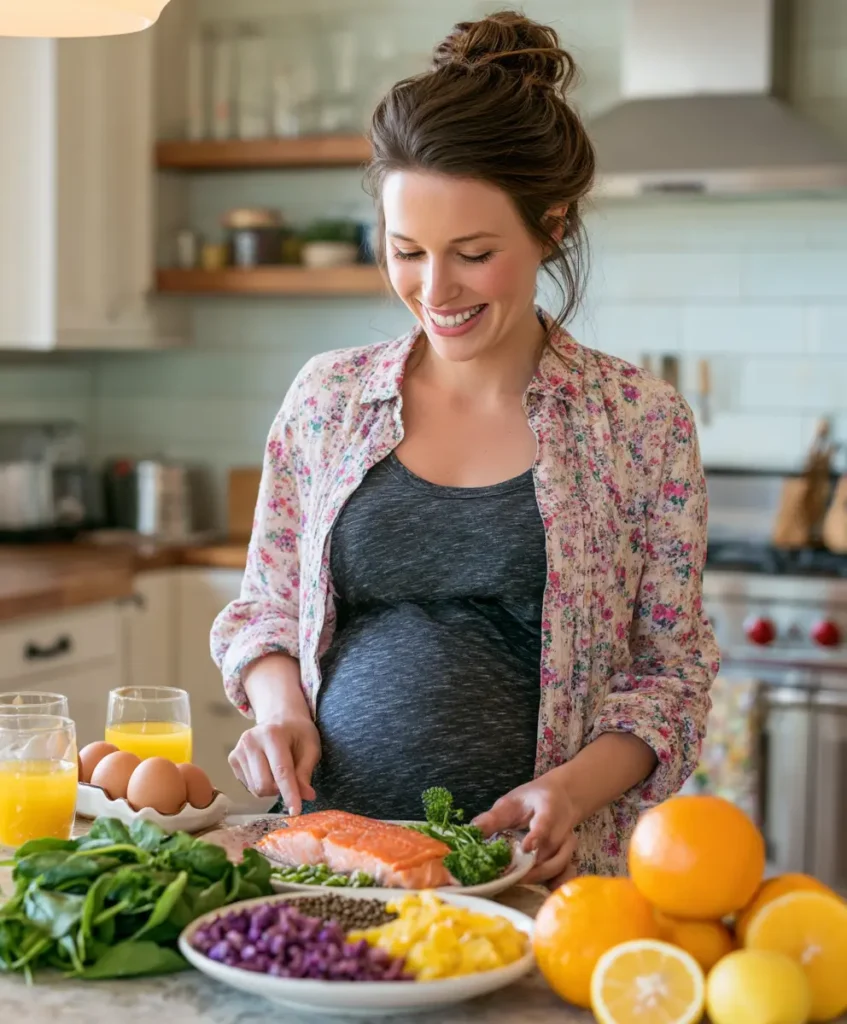
Iron-Rich Pregnancy Foods are essential for maintaining your health and your baby’s growth. During pregnancy, your body works harder than ever—it produces more blood, supports the placenta, and nourishes the developing fetus. Iron plays a key role in this process by helping transport oxygen throughout your body and to your baby.
However, iron deficiency is one of the most common nutritional challenges for pregnant women worldwide. It can lead to fatigue, dizziness, anemia, and even increase the risk of premature delivery or low birth weight. Understanding how to include iron rich pregnancy foods in your diet can make a major difference in your energy levels, your baby’s development, and your overall well-being.
Table of Contents
- 1. Introduction
- 2. Why Iron-Rich Pregnancy Foods are important during pregnancy
- 3.Iron-Rich Pregnancy Foods Requirements During Pregnancy
- 4. Types of Iron in Iron-Rich Pregnancy Foods
- 5. Best Iron-Rich Pregnancy Foods
- 6. Simple Ways to Boost Iron Absorption
- 7. Iron Supplements and Medical Guidance
- 8. Health Risks of Low and High Iron Levels
- 9. Sample Meal Plan Using Iron-Rich Pregnancy Foods
- 10. Tips for Maintaining Healthy Iron Levels
- 11. Frequently Asked Questions about Iron-Rich Pregnancy Foods
- 12. Conclusion
2. Why Iron-Rich Pregnancy Foods are important during pregnancy
Supports Oxygen Transport
Iron is the main component of hemoglobin, the protein in red blood cells that carries oxygen from the lungs to all body tissues, including the uterus and placenta. During pregnancy, your blood volume expands by about 50%, increasing your need for iron. Without enough iron, your body can’t make sufficient hemoglobin, resulting in oxygen deprivation and extreme tiredness.
Helps the Baby’s Growth and Brain Development
Iron plays a key role in forming your baby’s brain, muscles, and other organs. Adequate iron ensures proper oxygen delivery to the fetus, which supports cognitive and neurological development. Low maternal iron levels have been linked to delayed mental development in infants.
Prevents Complications
Getting enough iron during pregnancy helps prevent anemia, which is associated with preterm birth, low birth weight, and increased maternal fatigue. Including a variety of iron rich pregnancy foods in your meals is an effective preventive step.
3.Iron-Rich Pregnancy Foods Requirements During Pregnancy
The recommended daily intake of iron for pregnant women is 27 milligrams per day. This is almost double the amount needed before pregnancy.
Since it’s difficult to reach this goal through diet alone, many healthcare providers recommend prenatal vitamins that include iron. However, a healthy diet built around iron rich pregnancy foods remains the foundation of good nutrition.
Too much iron can also cause problems such as constipation or nausea, so balance is essential. Always consult your doctor before taking supplements or making major dietary changes.
4. Types of Iron in Iron-Rich Pregnancy Foods
Iron in food exists in two main forms: heme and non-heme iron.
Heme Iron
- Found in animal-based foods
- Highly absorbable (15–35% bioavailability)
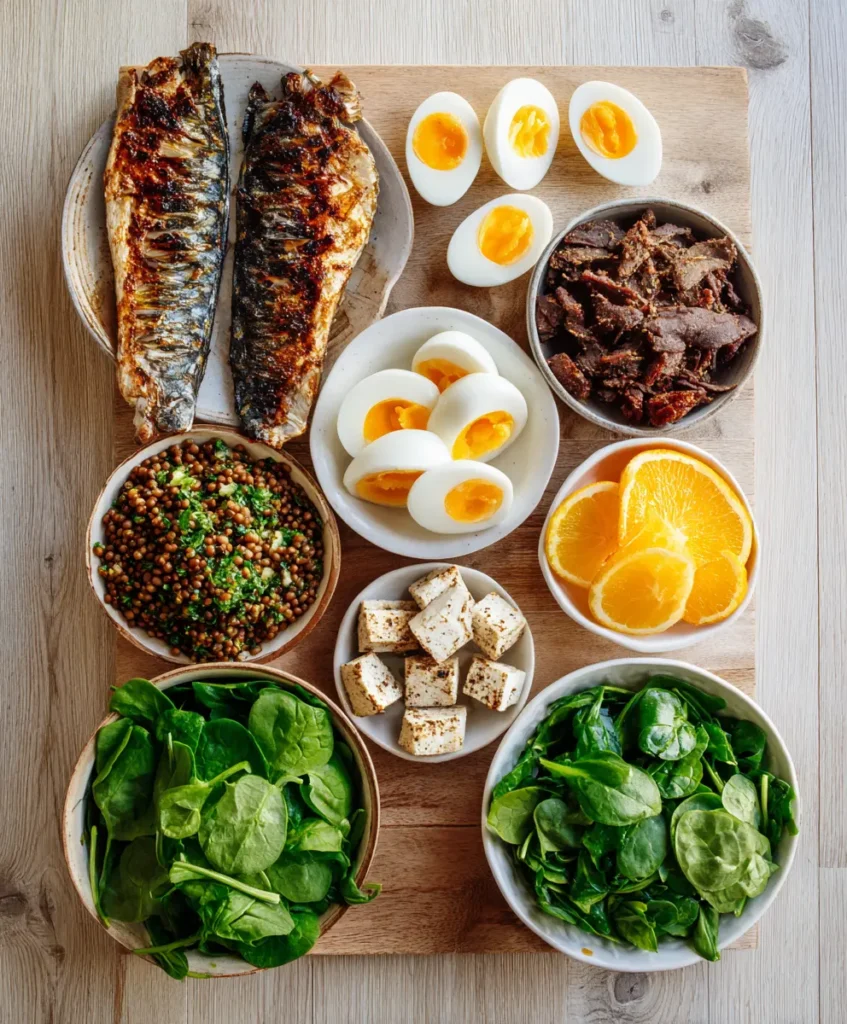
- Best sources: red meat, poultry, fish, eggs
Non-Heme Iron
- Found in plant-based foods
- Less absorbable (2–20%), but absorption can be improved with vitamin C
- Best sources: lentils, beans, spinach, quinoa, tofu
How to Improve Absorption
Combine non-heme iron foods with vitamin C sources like citrus fruits, tomatoes, or bell peppers. Avoid drinking coffee, tea, or milk with meals since they contain compounds that block iron absorption.
Understanding the difference between heme and non-heme sources helps you create balanced meals centered around iron rich pregnancy foods.
5. Best Iron-Rich Pregnancy Foods
a. Animal-Based Iron-Rich Pregnancy Foods
- Lean Beef and Veal – Excellent heme iron sources that are easy to absorb and provide high-quality protein for tissue repair.
- Chicken and Turkey – Offer moderate amounts of iron with less fat, ideal for lighter meals.
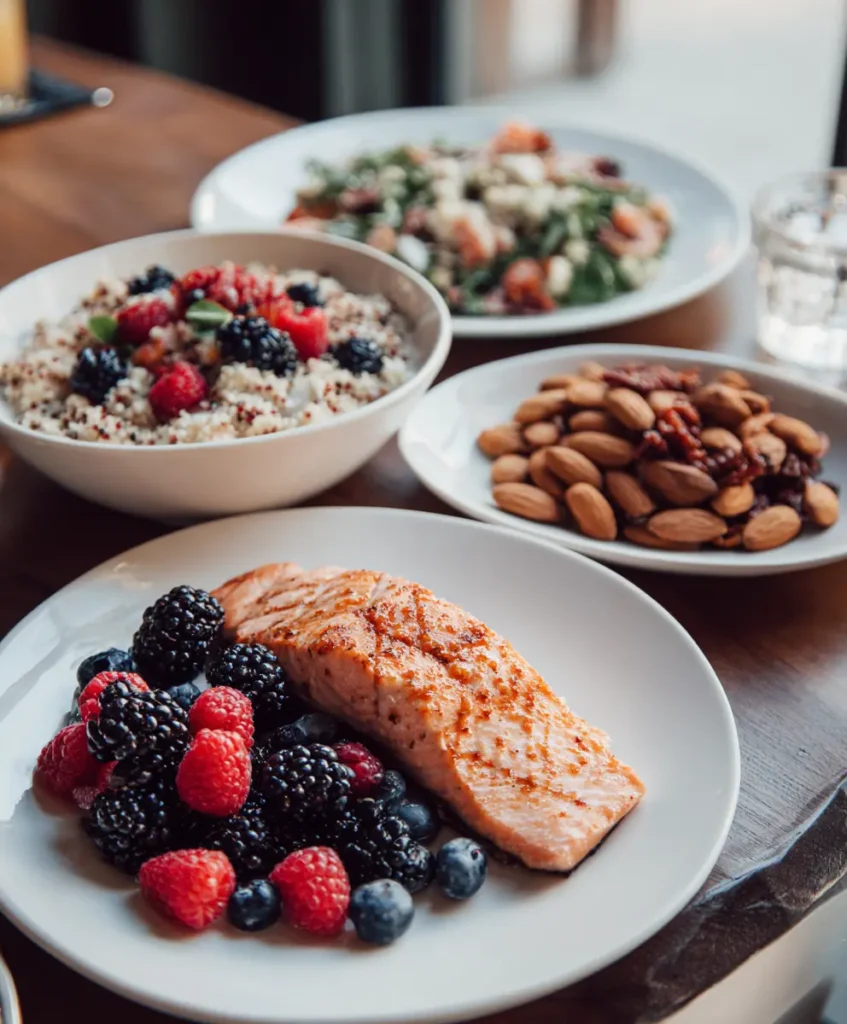
- Fish and Seafood – Tuna, salmon, and sardines are packed with iron and omega-3 fatty acids essential for fetal brain health.
- Egg Yolks – A convenient option providing iron along with choline, a nutrient vital for brain development.
- Liver (in moderation) – Very rich in iron but should be limited to small portions because it contains high levels of vitamin A, which can be harmful in excess.
Meal idea: Grilled chicken breast served with spinach salad and a splash of lemon juice—delicious, simple, and one of the most effective iron rich pregnancy foods combinations.
b. Plant-Based Iron-Rich Pregnancy Foods
- Lentils and Chickpeas – Provide 6–7 mg of iron per cup, plus fiber and folate.
- Beans – Black beans, kidney beans, and white beans are excellent vegetarian sources of non-heme iron.
- Tofu and Tempeh – Rich in plant protein and iron; great alternatives for vegans.
- Quinoa – A gluten-free grain offering both iron and complete amino acids.
- Spinach, Kale, and Broccoli – Packed with iron and vitamin C, they enhance absorption naturally.
- Pumpkin Seeds and Sesame (Tahini) – Small snacks that add extra iron and healthy fats.
Meal idea: Lentil curry with tomatoes and bell peppers served with brown rice—an easy, plant-based meal high in non-heme iron.
c. Fruits and Nuts Iron-Rich Pregnancy Foods
While fruits are not major iron sources, they are crucial because of their vitamin C content, which boosts absorption.
- Dried apricots, raisins, and prunes – Provide moderate iron and fiber.
- Cashews, pistachios, and almonds – Add small but valuable amounts of iron.
Snack tip: Mix dried fruits and nuts into a trail mix for a convenient and nutrient-dense snack packed with iron rich pregnancy foods.
d. Iron-Fortified
Many modern products are fortified with iron to help meet daily requirements:
- Fortified breakfast cereals
- Enriched bread and pasta
- Iron-enriched rice and oats
Check labels for “iron-fortified” or “enriched with iron.” These products are especially useful for vegetarians or women who experience food aversions during pregnancy.
6. Simple Ways to Boost Iron Absorption
Even if your diet includes many iron rich pregnancy foods, proper absorption makes all the difference.
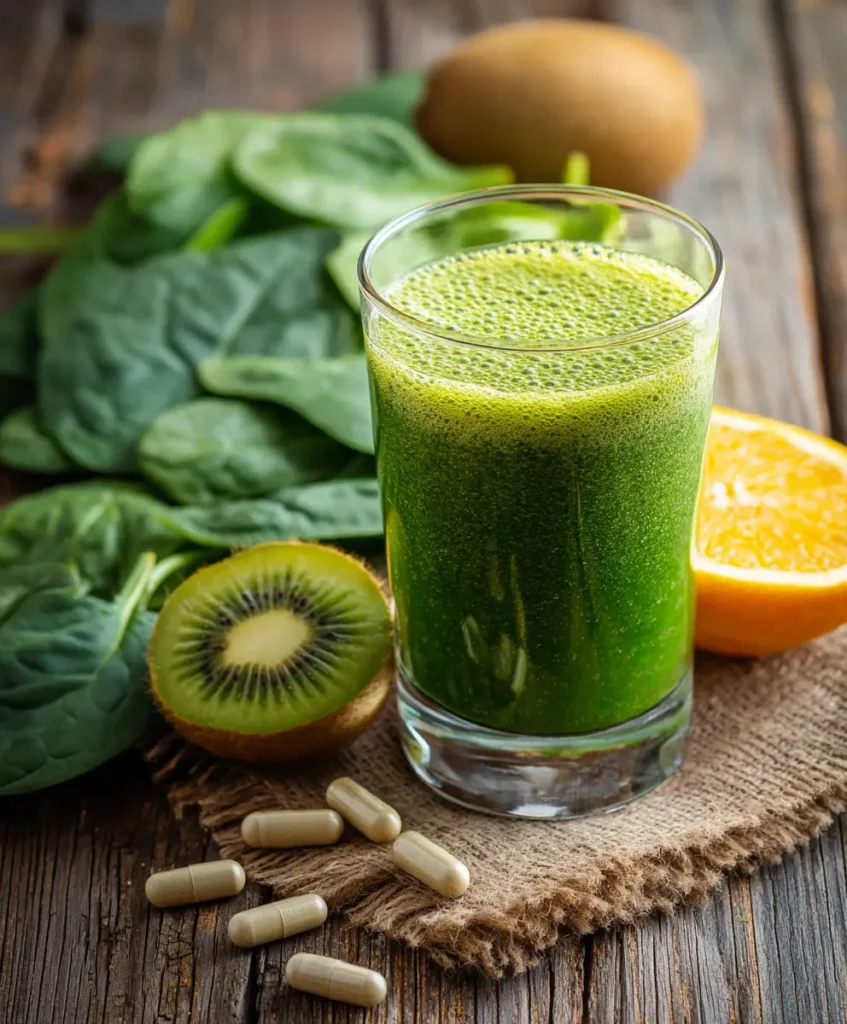
1. Combine Iron with Vitamin C
Add citrus fruits, strawberries, or bell peppers to meals. For example, squeeze lemon juice over spinach or serve meat with a side of orange slices.
2. Avoid Iron Blockers
Separate Iron-Rich Pregnancy Foods meals from:
- Coffee and black tea (contain polyphenols)
- Dairy products (high in calcium)
- Bran cereals (contain phytates)
3. Cook Iron-Rich Pregnancy Foods in Cast-Iron Pans
Cooking acidic foods like tomato sauce in cast-iron cookware naturally increases the iron content of meals.
4. Eat Small Amounts Frequently
Spreading iron intake across the day prevents stomach upset and enhances overall absorption efficiency.
7. Iron Supplements and Medical Guidance
Some women, even with a balanced diet, may need iron supplements, especially during the later stages of pregnancy.
When Are Supplements Needed?
- When blood tests show low hemoglobin or ferritin
- In twin or multiple pregnancies
- For vegetarians with limited heme iron intake
Common Supplement Types
- Ferrous Sulfate – The most prescribed and cost-effective form.
- Ferrous Gluconate or Fumarate – Easier on the stomach.
- Liquid Iron Formulas – Good for those with nausea or swallowing difficulty.
Tips for Taking Supplements
- Take on an empty stomach for better absorption.
- If you experience nausea, take with a light meal.
- Avoid combining with dairy or caffeine.
Possible side effects include constipation or dark stools, which can be minimized by staying hydrated and eating high-fiber foods. Always consult your healthcare provider before starting or adjusting supplements.
8. Health Risks of Low and High Iron Levels
Low Iron (Iron-Deficiency Anemia)
Iron deficiency is common in pregnancy and presents with symptoms such as:
- Fatigue, weakness, and dizziness
- Pale skin or lips
- Shortness of breath
Untreated anemia may cause:
- Preterm birth
- Low birth weight
- Reduced cognitive function in the newborn
High Iron (Iron Overload)
Excess iron from unnecessary supplements can cause:
- Nausea and vomiting
- Constipation
- Liver strain or oxidative stress
Balance is crucial. Stick to prescribed doses and focus on natural iron rich pregnancy foods to prevent deficiency safely.
9. Sample Meal Plan Using Iron-Rich Pregnancy Foods
Here’s a daily example showing how to incorporate iron sources effectively.
Breakfast
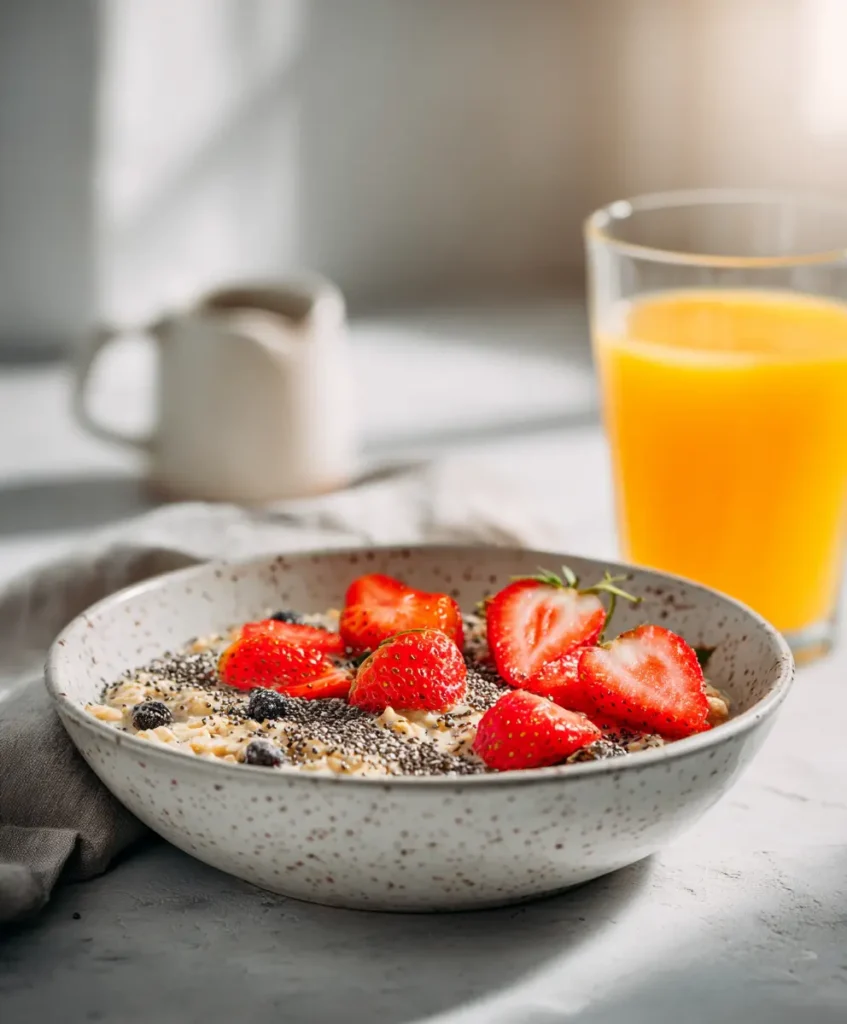
- Iron-fortified oatmeal topped with raisins and sliced strawberries
- One boiled egg
- A glass of orange juice for vitamin C
Snack
- A handful of almonds and dried apricots
Lunch
- Quinoa salad with chickpeas, spinach, and roasted red peppers
- Whole-grain bread slice with hummus
Snack
- Yogurt or soy yogurt between meals
Dinner
- Grilled salmon or lean beef
- Steamed broccoli and sweet potatoes
- Lentil soup with parsley and lemon
Before Bed
- Chamomile or mint tea (avoid black tea)
This meal plan delivers both heme and non-heme iron sources with natural enhancers for optimal absorption.
10. Tips for Maintaining Healthy Iron Levels
- Hydrate well – Prevents constipation associated with supplements.
- Add folate and vitamin B12 – They work with iron to make red blood cells.
- Eat balanced meals – Skipping meals can cause fatigue and slow recovery.
- Have regular blood tests – Monitor your hemoglobin and ferritin levels.
- Stay active – Gentle exercise supports blood circulation and oxygen flow.
Incorporating these lifestyle tips with a diet full of iron rich pregnancy foods ensures lasting energy and healthy fetal development.
11. Frequently Asked Questions about Iron-Rich Pregnancy Foods
Q1: Can vegetarians get enough iron during pregnancy?
Yes. By eating legumes, tofu, spinach, quinoa, fortified cereals, and vitamin C-rich fruits, vegetarians can meet their needs with careful planning.
Q2: When should I take iron supplements?
Supplements are usually prescribed after a blood test confirms low iron levels. They’re often taken during the second or third trimester under medical supervision.
Q3: What are the signs of iron overload?
Symptoms include stomach pain, nausea, and joint aches. Always consult your doctor before changing supplement doses.
12. Conclusion
Iron is one of the most important nutrients during pregnancy. It supports oxygen transport, energy production, and the baby’s brain development while preventing anemia and fatigue.
Building your meals around iron rich pregnancy foods—such as lean meats, fish, legumes, leafy greens, nuts, and fortified cereals—ensures you and your baby receive enough of this essential mineral. Pair iron sources with vitamin C-rich foods and avoid absorption blockers like coffee or dairy during meals.
When diet alone isn’t enough, your healthcare provider may recommend supplements, but remember that food should always be the first choice. By eating wisely and monitoring your iron status, you’ll promote a strong, healthy pregnancy and give your baby the best start in life.