
Introduction About How to Lose Weight After Menopause
Menopause represents a major biological transition that affects nearly every system in a woman’s body. One of the most common concerns during this phase is weight gain, particularly around the abdomen. Many women report that strategies that worked earlier in life no longer seem effective, leading to frustration and confusion. Understanding how to lose weight after menopause requires insight into hormonal changes, metabolism, muscle loss, and lifestyle adaptations that are unique to this stage of life.
Although menopause can make weight management more challenging, it does not make it impossible. With evidence-based strategies, realistic expectations, and consistency, women can successfully How to Lose Weight After Menopause while improving overall health and well-being.
Table of Contents About How to Lose Weight After Menopause
Why Weight Gain Happens After Menopause
Weight gain after menopause is influenced by several interconnected physiological and behavioral factors. The most significant change is the decline in estrogen, which plays a role in regulating body fat distribution and energy balance.
As estrogen levels decrease, fat storage shifts from the hips and thighs to the abdomen. This increase in central fat is not only a cosmetic issue but is also associated with higher cardiometabolic risk. At the same time, aging contributes to a gradual reduction in resting metabolic rate, meaning the body burns fewer calories at rest than it did before menopause.
Another important factor is the loss of lean muscle mass. Muscle tissue is metabolically active, and its decline makes it harder to burn calories efficiently. These combined changes explain why many women find it more difficult to How to Lose Weight After Menopause , even if their eating habits have not changed significantly.

The Foundations of Weight Loss After Menopause
Despite hormonal shifts, the fundamental principle of weight loss remains the same: energy intake must be balanced with energy expenditure. However, the approach must be adapted to protect muscle mass, support bone health, and maintain metabolic function. To lose weight after menopause, the focus should be on sustainable lifestyle changes rather than restrictive dieting.
1. Nutrition Strategies That Support Weight Loss
Dietary quality is far more important than extreme calorie restriction. Severe dieting can worsen muscle loss and slow metabolism further, making it harder to How to Lose Weight After Menopause in the long term.
Prioritize Protein Intake
Protein is essential for preserving muscle mass and promoting satiety. Adequate protein intake helps control appetite, stabilize blood sugar levels, and maintain metabolic rate. Including a protein source at each meal supports body composition and makes it easier to lose weight after menopause without feeling constantly hungry.
Increase Fiber-Rich Foods
Fiber improves fullness, slows digestion, and helps regulate blood sugar. Diets rich in vegetables, fruits, legumes, and whole grains are associated with better weight control and metabolic health. Fiber intake plays a critical role for women aiming to lose weight after menopause in a sustainable way.
Choose Healthy Fats in Moderation
Healthy fats are important for hormone function and overall health. Unsaturated fats from plant sources and fish increase satiety and support cardiovascular health. When consumed mindfully, they can support efforts to lose weight after menopause rather than hinder them.
Limit Refined Carbohydrates and Added Sugars
Ultra-processed foods, sugary drinks, and refined carbohydrates contribute excess calories without nutritional value. Reducing these foods improves insulin sensitivity and supports fat loss, making them an important target for women trying to lose weight after menopause.

2. Exercise Approaches for Postmenopausal Women
Physical activity is essential for fat loss, muscle preservation, and metabolic health. A well-structured exercise plan significantly improves the ability to lose weight after menopause.
Aerobic Exercise
Moderate-intensity aerobic activity helps burn calories and improves cardiovascular fitness. Activities such as brisk walking, cycling, swimming, or dancing can be adapted to individual fitness levels. Regular aerobic exercise supports fat loss and contributes meaningfully to efforts to lose weight after menopause.
Strength Training
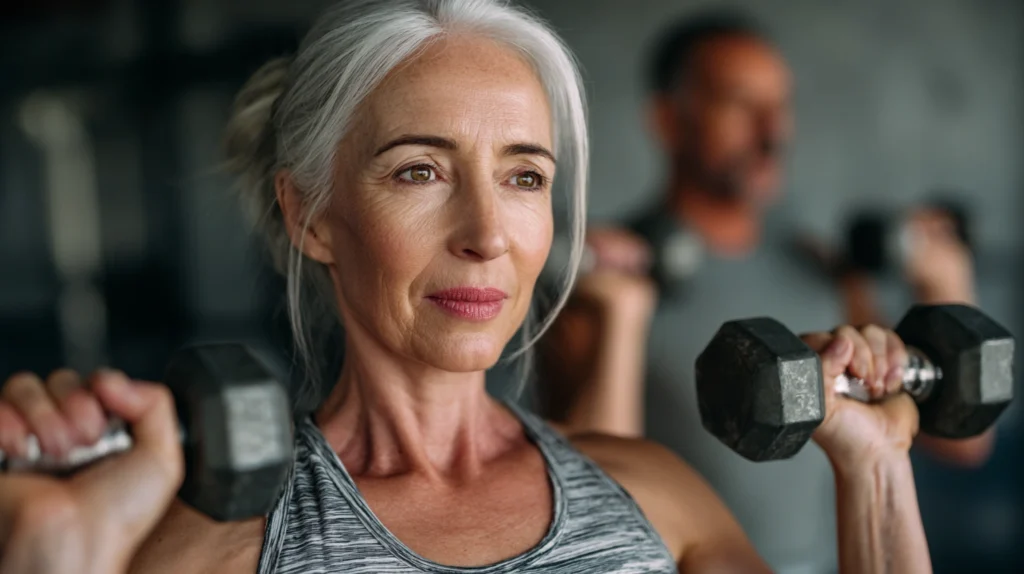
Resistance training is particularly important after menopause. It slows muscle loss, improves bone density, and increases resting energy expenditure. Strength training two to three times per week enhances body composition and is one of the most effective tools to lose weight after menopause while maintaining long-term results.
Flexibility and Balance
While flexibility exercises do not directly cause weight loss, they improve mobility, reduce injury risk, and support consistency in physical activity. These benefits indirectly help women lose weight after menopause by improving adherence to exercise routines.
3. Lifestyle Factors That Affect Weight Regulation
Weight management after menopause is strongly influenced by sleep, stress, and daily habits. Ignoring these factors can undermine even the best diet and exercise plans.
Sleep and Weight Control
Sleep disturbances are common during menopause and can disrupt appetite-regulating hormones. Poor sleep increases hunger and cravings for calorie-dense foods. Improving sleep quality is a crucial but often overlooked step to lose weight after menopause.
Stress and Cortisol
Chronic stress increases cortisol levels, which promotes fat storage, particularly in the abdominal region. Stress management techniques such as mindfulness, breathing exercises, and regular physical activity can improve hormonal balance and support women trying to How to Lose Weight After Menopause
Alcohol Intake
Alcohol provides non-essential calories and interferes with fat metabolism. Reducing alcohol consumption can significantly improve metabolic health and facilitate the ability to lose weight after menopause.
4. Medical Considerations and Professional Support
Some women may struggle to How to Lose Weight After Menopause despite consistent lifestyle changes. In these cases, medical evaluation may be necessary to identify underlying issues.
Hormonal Therapy
Menopausal hormone therapy is not a weight loss treatment, but it may indirectly influence weight by improving sleep, mood, and energy levels. Decisions regarding hormone therapy should be individualized and made with a healthcare professional.
Weight-Loss Medications
In women with obesity or obesity-related health conditions, prescription weight-loss medications may be considered. These treatments are most effective when combined with lifestyle changes and medical supervision.
Underlying Medical Conditions
Thyroid disorders, insulin resistance, and certain medications can interfere with weight regulation. Identifying and treating these conditions may be necessary to successfully lose weight after menopause.
Setting Realistic Expectations
One of the most important mindset shifts is accepting that weight loss may occur more slowly after menopause. Rapid weight loss often leads to muscle loss and metabolic slowdown. Sustainable progress is more beneficial for long-term health.
Rather than focusing solely on the scale, women should also track improvements in strength, energy levels, waist circumference, and overall well-being. These markers are often better indicators of success when trying to lose weight after menopause.
Frequently Asked Questions About How to Lose Weight After Menopause
How can I reverse my menopause weight gain?
Reversing menopause weight gain requires a combination of calorie awareness, increased protein intake, regular physical activity, and strength training to preserve muscle mass. Improving sleep quality, managing stress, and reducing ultra-processed foods are also essential. Weight loss after menopause is possible, but it tends to be slower and requires consistency rather than restrictive dieting.
How long does menopause weight gain last?
Menopause-related weight gain most commonly occurs during the transition into menopause and the first few years after it. Without lifestyle adjustments, weight gain can persist long term. However, with appropriate diet, exercise, and lifestyle changes, weight stabilization and gradual weight loss can occur at any stage after menopause.
What is the best exercise for menopause patients to lose weight?
The most effective exercise approach combines aerobic activity (such as brisk walking or cycling) with regular strength training. Aerobic exercise helps burn calories, while resistance training preserves muscle mass and boosts metabolism, which is crucial for postmenopausal weight loss.
How many calories should I eat to lose weight after menopause?
Calorie needs vary based on age, height, weight, activity level, and body composition. In general, many postmenopausal women lose weight with a modest calorie deficit, often around 1,400–1,800 calories per day. Very low-calorie diets are not recommended, as they can worsen muscle loss and slow metabolism. Individualized guidance from a healthcare professional is ideal.
To provide a well-rounded, medically informed perspective, we’ve consulted trusted external medical sources that support and enrich the recommendations discussed in this article.
Conclusion About How to Lose Weight After Menopause
Menopause changes the body, but it does not eliminate the possibility of achieving and maintaining a healthy weight. By understanding hormonal shifts, prioritizing muscle-preserving nutrition, engaging in regular exercise, and addressing lifestyle factors, women can successfully How to Lose Weight After Menopause in a safe and sustainable way.
The most effective approach combines patience, consistency, and evidence-based strategies rather than restrictive or extreme measures. With the right plan and support, women can lose weight after menopause, improve metabolic health, and feel strong and confident in this new stage of life.
This article draws on clinical insights and evidence-based guidance from leading menopause health resources, helping ensure the information shared here is both accurate and up to date.