Introduction About Foods That Fight Nausea During Pregnancy
Nausea and vomiting in pregnancy (NVP) are among the most common symptoms experienced during the first trimester. Although commonly referred to as “morning sickness,” these symptoms can occur at any moment of the day—morning, afternoon, or night. They typically begin around the 6th week of gestation, peak between weeks 8 and 11, and gradually diminish by the end of the first trimester. Studies show that 70–80% of pregnant women experience nausea, while nearly half experience vomiting as well.
Even though NVP is generally considered a normal part of pregnancy, it can have a real impact on a woman’s daily life—affecting appetite, hydration, sleep, energy levels, and emotional well-being. Many women find it difficult to maintain balanced nutrition simply because food smells, textures, or tastes trigger nausea. This is why nutrition plays a central therapeutic role in managing these symptoms.
Understanding the best foods that fight nausea during pregnancy can help improve comfort, support maternal health, and ensure adequate nutrition during early gestation.
Table of Contents About Foods That Fight Nausea During Pregnancy
Why Does Nausea Occur in Pregnancy?
Pregnancy nausea is a multifactorial condition influenced by hormonal, physiological, and environmental factors. Understanding the mechanisms can help women better manage their symptoms.
1. Hormonal Changes
Several pregnancy-related hormones increase dramatically in early pregnancy, contributing to nausea:
Human Chorionic Gonadotropin (hCG)
This hormone rises rapidly during the first trimester and is closely correlated with nausea severity. Women with higher hCG levels—such as those carrying twins or experiencing molar pregnancy—are more likely to experience significant nausea.
Estrogen
Estrogen levels increase steadily, intensifying sensitivity to smells. Sudden aversion to odors like perfume, food, smoke, or cooking is directly linked to these hormonal shifts.
Progesterone
Progesterone relaxes smooth muscles in the digestive tract. While this prevents uterine contractions, it also slows gastric emptying, causing bloating, stomach heaviness, and delayed digestion—all of which trigger nausea.
2. Gastric Sensitivity & Slowed Gastric Emptying
Digestive motility naturally slows during pregnancy. This means food stays longer in the stomach, increasing reflux, bloating, and sensations of fullness that may trigger nausea.
3. Common Nausea Triggers
Many women notice certain triggers worsen their symptoms:
- Strong odors (cooking, perfume, cleaning products)
- Fatigue or lack of sleep
- Stress and emotional tension
- Heat or humidity
- Eating large or heavy meals
- Long periods without food
- Prenatal vitamins taken on an empty stomach
4. Morning Sickness vs. Hyperemesis Gravidarum
It is important to distinguish normal nausea from more serious conditions:
- Normal NVP allows some food and fluid intake, improves throughout the day, and does not cause dehydration.
- Hyperemesis gravidarum involves persistent vomiting, dehydration, weight loss, electrolyte imbalances, and may require hospital treatment.
Foods That Fight Nausea During Pregnancy : General Advices
Before focusing on specific foods, certain daily habits dramatically reduce nausea.
1. Eat Small, Frequent Meals
Large meals increase stomach pressure and worsen symptoms. Eating small portions every 2–3 hours keeps blood sugar stable and prevents nausea flare-ups.
2. Avoid Long Fasting Periods
Going too long without food—especially in the morning—causes drops in blood sugar that worsen nausea. Keeping light snacks within reach is essential.
3. Keep Snacks at the Bedside
Eating a dry cracker or piece of toast before getting out of bed prevents the sudden rush of symptoms caused by movement and low glucose levels.
4. Prioritize Hydration
Dehydration worsens nausea. Many women tolerate liquids better than solid foods during difficult episodes. Sip small amounts frequently rather than drinking large amounts at once.
5. Choose Cold or Room-Temperature Foods
Hot foods release stronger smells, which often triggers nausea. Cold foods are usually much easier to tolerate.
Foods That Fight Nausea During Pregnancy
Below is a detailed breakdown of the foods that fight nausea during pregnancy, why they work, and exactly how to incorporate them into a pregnancy-friendly diet.
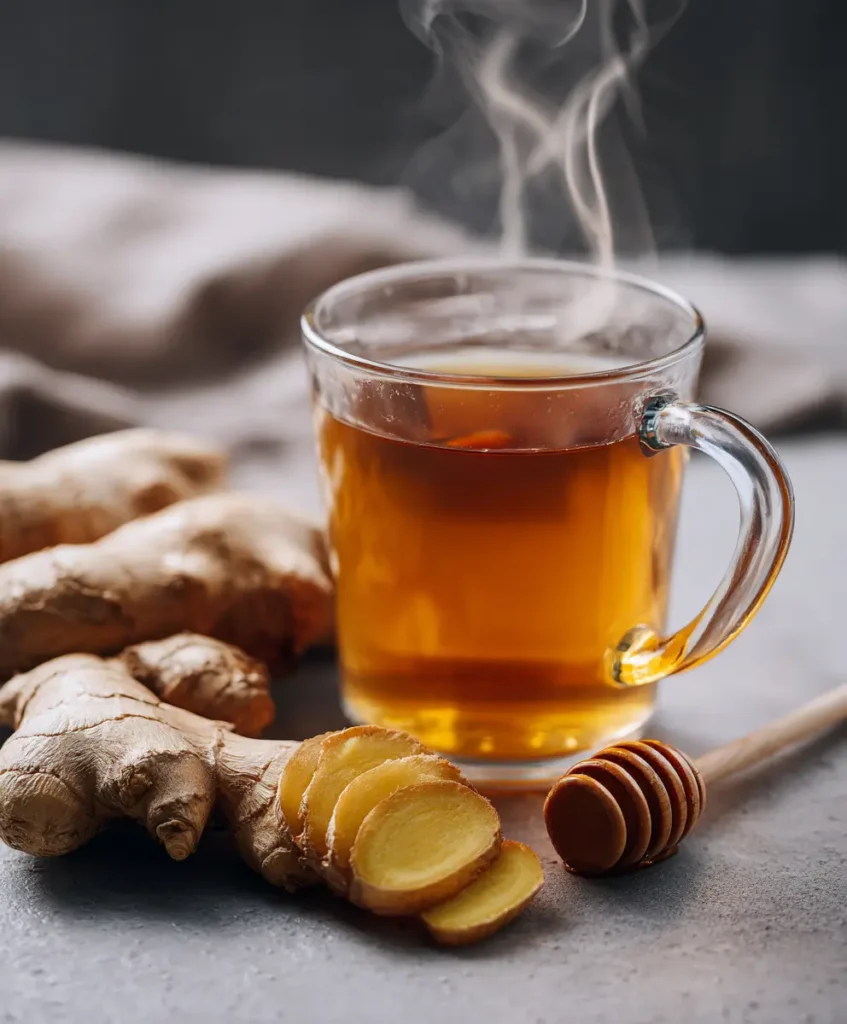
1. Ginger
Ginger is one of the most well-studied natural remedies for pregnancy nausea.
How Ginger Helps
- Contains anti-nausea compounds gingerols and shogaols
- Reduces gastric irritation
- Helps regulate digestion
- Acts as a natural anti-inflammatory
- Shows better results than placebo in clinical trials
How to Consume Ginger
- Ginger tea: Fresh ginger slices boiled in water
- Ginger candies: Sugar-free when possible
- Ginger capsules: If recommended by a healthcare provider
- Fresh grated ginger: Add to soups, stir-fries, or smoothies
Safe Dosage
Up to 1 gram per day is considered safe in pregnancy.
2. Citrus Fruits
Citrus is one of the most effective food categories for nausea relief.
Why Citrus Helps
- Sour flavors counteract queasiness
- Lemon scent has been shown to reduce nausea in many women
- High vitamin C content supports hydration
- Citrus reduces metallic taste that pregnant women often complain about
How to Use Citrus
- Suck on lemon wedges
- Drink lemon water or lime-infused water
- Add orange slices or grapefruit to snacks
- Keep lemon essential oil nearby to inhale gently
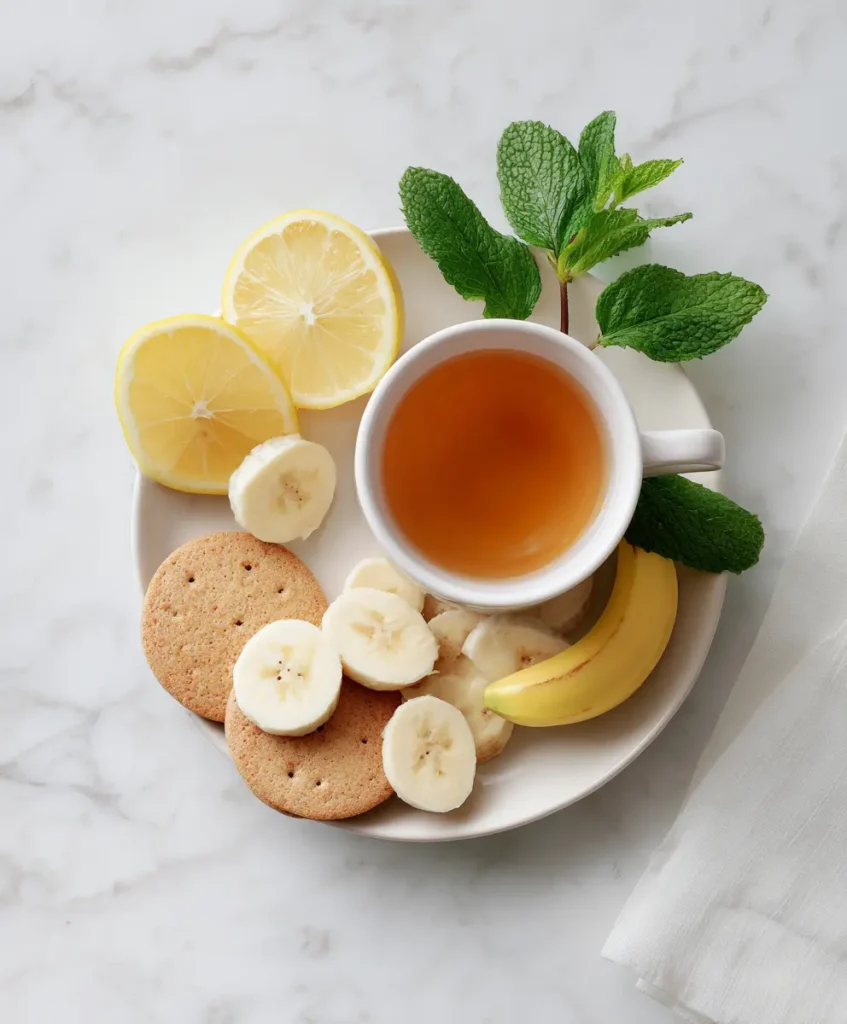
3. Bland Starches (BRAT Foods)
These gentle foods are perfect for sensitive stomachs:
- Bananas
- Rice
- Applesauce
- Toast
- Plain crackers
Why BRAT Foods Work
- Low odor reduces nausea triggers
- Easily digested
- Help absorb stomach acids
- Provide small bursts of energy
Practical Tips
- Eat crackers before standing up
- Combine bananas with yogurt for balanced nutrition
- Eat dry toast if oily breakfast foods worsen nausea
4. Cold Foods
Cold foods are often better tolerated because they produce fewer odors.
Examples
- Smoothies
- Frozen fruits
- Chilled yogurt
- Fruit popsicles
- Cold salads
Why They Work
- Fewer smells lessen nausea
- Smooth texture is calming
- Hydrating options help prevent dehydration
5. High-Protein Snacks
Protein stabilizes blood sugar, preventing nausea cycles.
Examples
- Mixed nuts
- Cheese sticks
- Boiled eggs
- Greek yogurt
- Cottage cheese
- Hummus with crackers
Why Protein Helps
Stable glucose levels reduce the brain’s nausea response, especially in early morning.
6. Peppermint
Peppermint is a gentle, widely used digestive aid.
Benefits
- Relaxes stomach muscles
- Decreases gas and bloating
- Pleasant aroma helps calm nausea
Ways to Use Peppermint
- Peppermint tea
- Peppermint candies
- Inhale peppermint essential oil
7. Soups & Broths
Warm, hydrating, and light, soups are ideal on days when solid foods feel overwhelming.
Benefits
- Provide electrolytes
- Easy to digest
- Can be consumed slowly
- Comforting without overwhelming the stomach
Suggestions
- Light chicken broth
- Vegetable broth
- Potato or carrot soup
- Simple noodle soup
8. Complex Carbohydrates
These foods provide lasting energy without overwhelming digestion.
Examples
- Oatmeal
- Whole-grain crackers
- Brown rice
- Quinoa
- Baked potatoes
Why They Help
Complex carbs stabilize glucose and prevent nausea caused by energy dips.
9. Foods Rich in Vitamin B6
Vitamin B6 is clinically proven to reduce pregnancy nausea.
Foods High in Vitamin B6
- Chickpeas
- Bananas
- Nuts and seeds
- Poultry
- Avocado
- Fortified cereals
Some women may be prescribed B6 supplements (10–25 mg) under medical supervision.
Hydration Strategies
Good hydration is crucial, especially when nausea reduces appetite.
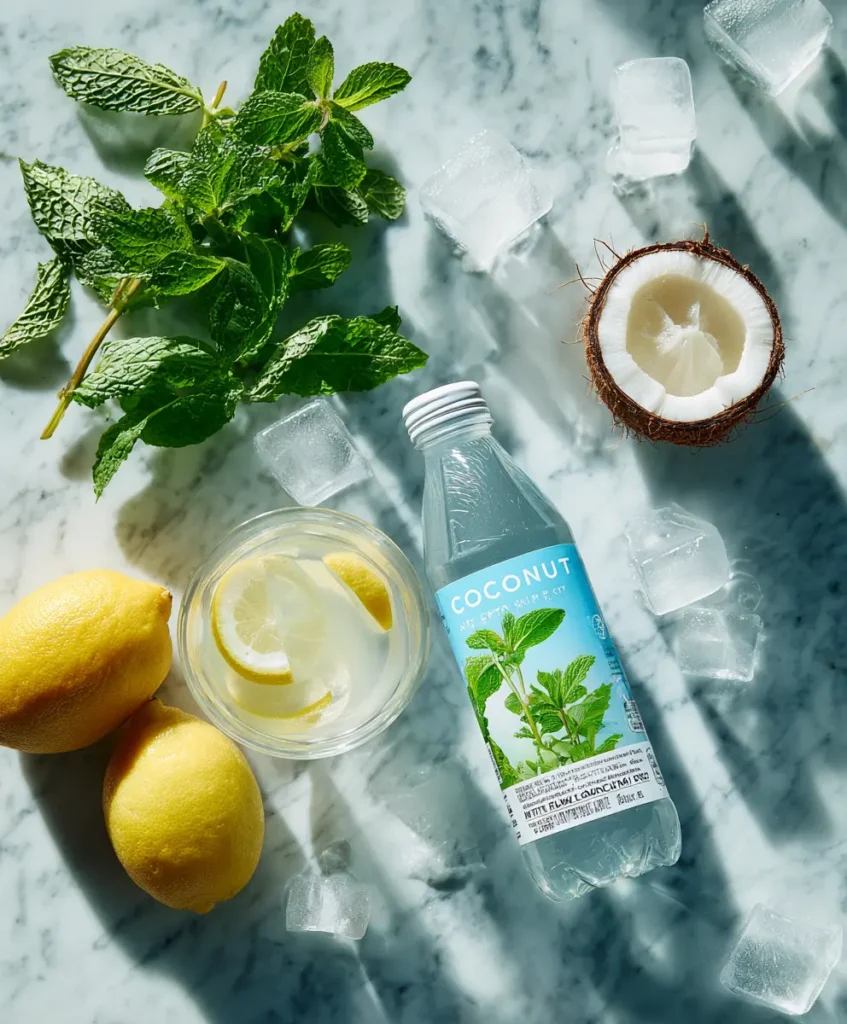
Best Fluids for Nausea Relief
- Electrolyte beverages (low-sugar)
- Coconut water
- Ginger or peppermint tea
- Ice chips
- Infused water (lemon, mint, cucumber)
- Diluted fruit juices
These fluids replace electrolytes lost from vomiting and help maintain blood pressure.
Tips to Improve Hydration Tolerance
- Sip slowly instead of drinking large amounts
- Try cold beverages
- Add lemon or mint to improve taste
- Use a straw to minimize gag reflex
- Alternate water with flavored drinks
Foods to Avoid During Pregnancy Nausea
Certain foods intensify nausea and should be avoided during difficult days.
Avoid:
- Greasy or fried foods
- Foods with strong odors
- Extremely sweet or sugary foods
- Spicy dishes
- Caffeinated drinks on an empty stomach
- Heavy meats and sauces
- High-fat dairy foods
These foods can worsen gastric irritation, reflux, and queasiness.
Lifestyle Tips That Support Nausea Relief
Small lifestyle adjustments can greatly improve symptoms.
Eat Before Getting Out of Bed
Crackers or toast help stabilize blood sugar and reduce morning nausea.

Identify & Avoid Triggers
Common triggers include:
- Heat
- Perfumes
- Car interiors
- Cooking smells
- Humidity
- Smoke or steam from food
Ensure Adequate Sleep
Fatigue increases hormonal sensitivity and intensifies nausea.
Take Prenatal Vitamins With Food
Swallow vitamins with a snack or right before bed to minimize irritation.
Use Vitamin B6 If Recommended
Many doctors prescribe B6 as first-line therapy before antiemetic medications.
When to Seek Medical Attention
Although nausea is common, certain warning signs should not be ignored.
Seek Help If You Experience:
- Inability to keep liquids down for 24 hours
- Signs of dehydration (dark urine, dizziness, rapid pulse)
- Vomiting more than 3–4 times per day
- Weight loss
- Inability to urinate regularly
- Vomiting blood
- Extreme fatigue or confusion
Hyperemesis Gravidarum Indicators
- Severe, continuous vomiting
- More than 5% weight loss
- Ketones in urine
- Electrolyte imbalance
- Need for IV hydration
Medical treatment may include antiemetics, IV fluids, or hospitalization.
Conclusion about Foods That Fight Nausea During Pregnancy
Choosing foods that fight nausea during pregnancy is one of the most effective ways to manage morning sickness naturally. Ginger, citrus fruits, bland starches, cold foods, protein-rich snacks, peppermint, soups, complex carbohydrates, and vitamin B6-rich foods have all been supported by scientific evidence and clinical practice.
Nausea usually peaks early in pregnancy and improves by weeks 12–14, although some women may continue to experience milder symptoms. By combining strategic nutrition, good hydration, and supportive lifestyle habits, most women can significantly reduce discomfort and maintain adequate nourishment.
Every woman’s experience is unique. The key is to identify which foods and habits work best for your body and adjust your routine accordingly for a healthier, more comfortable pregnancy.