Introduction
When patients ask me as a doctor why their hair is thinning, breaking, or growing slowly, my first question is not about shampoos or oils. It is about diet. Because food for hair growth plays a far greater role than most people realize.
Hair is not just a beauty feature; it is a biological structure deeply connected to internal health. Without the right nutrients, even the most expensive hair products become useless.
In clinical practice, I have seen many women and men suffer from unnecessary hair loss simply because of poor nutrition, iron deficiency, strict dieting, or vitamin deficiencies. The good news? With the right dietary changes and the correct food for hair growth, many cases of hair thinning, weak strands, and slow regrowth can improve significantly over time.
Why Your Diet Matters for Hair Health
Your hair follicles are among the most metabolically active parts of your body. They divide rapidly and require constant fuel. However, your body prioritizes survival over beauty. So if you are lacking nutrients, it will supply your heart, brain, and vital organs first — and your hair last.
Therefore, if your diet is poor, unbalanced, or too restrictive, your hair becomes one of the first visible victims.
Nutrition affects:
- Hair strand thickness
- Hair growth speed
- Hair strength and elasticity
- Scalp health
- Hair follicle life cycle
And this is why choosing the right food for hair growth is essential.
The Link Between Nutrition and Hair Growth (From My Medical Experience)
As a physician, I frequently encounter patients with:
- Diffuse hair shedding (telogen effluvium)
- Seasonal hair fall
- Postpartum hair loss
- Slow regrowth after stress or illness
- Nutritional alopecia
In many of these situations, lab tests reveal deficiencies such as:
- Low ferritin (iron deficiency)
- Vitamin D deficiency
- Low vitamin B12 or folate
- Protein malnutrition
- Zinc deficiency
After correcting their diet and focusing on proper food for hair growth, along with medical treatment when needed, I often notice remarkable improvement in hair density, reduced shedding, and new baby hair growth within a few months.
This is not magic. This is biology.
How Food Affects Hair Growth
Can Diet Improve Hair Strength and Thickness?
Yes — and significantly.
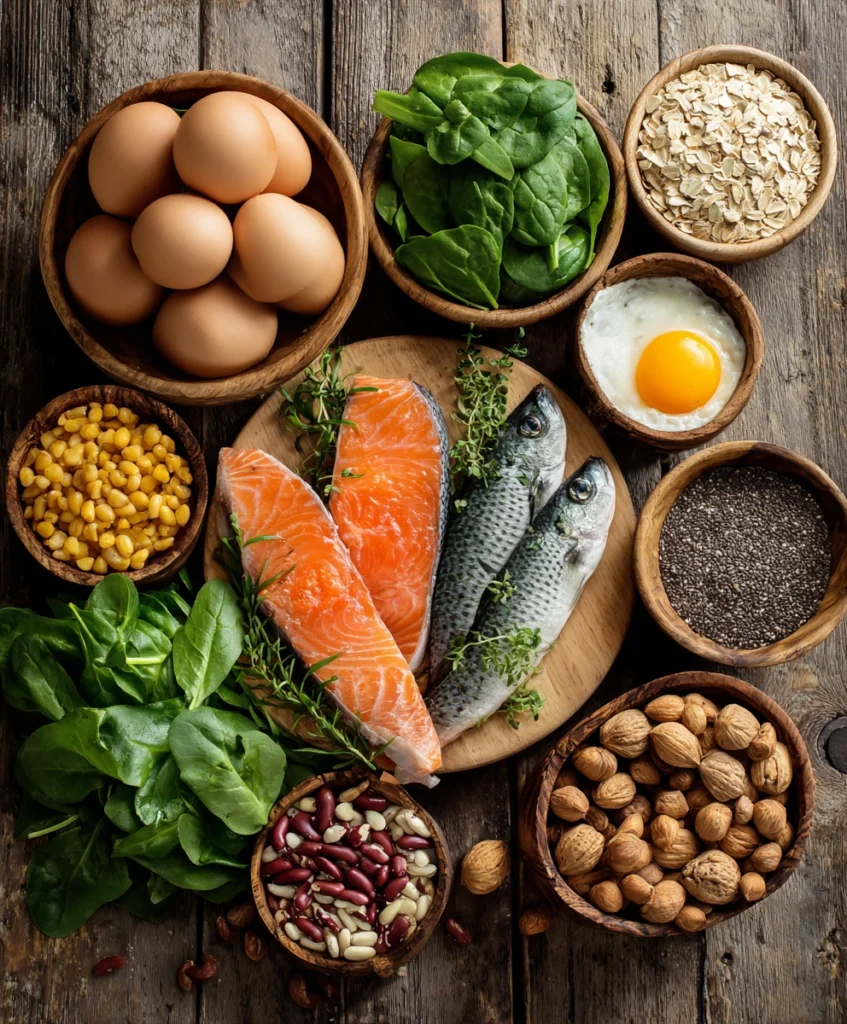
Hair is made mainly of keratin, a protein. Without sufficient protein intake, your body cannot build strong hair fibers. Additionally, micronutrients like iron, zinc, vitamin A, vitamin D, vitamin C, biotin, and selenium directly influence:
- Follicle activity
- Collagen production
- Sebum production
- Blood supply to the scalp
When your diet is rich in the right food for hair growth, the scalp environment improves. Blood circulation becomes more efficient. Oxygen and nutrients reach hair follicles more effectively, and hair grows stronger and thicker.
However, the opposite is also true.
A diet low in vitamins, minerals, or protein can lead to:
- Increased hair shedding
- Weak, brittle strands
- Dry scalp
- Slow growth
- Early signs of hair loss
The Role of Nutrient Deficiencies in Hair Loss
Many people are surprised to learn that their hair problems are internal before being external.
From my clinical perspective, the most frequent nutritional causes of hair loss include:
- Iron deficiency → linked to excessive shedding in women
- Vitamin D deficiency → associated with alopecia and weak follicles
- Low protein intake → causes thinning and slow regrowth
- Zinc deficiency → leads to follicle dysfunction
- Vitamin A imbalance → both deficiency and excess can disrupt hair cycle
Even diets that look “healthy” on the surface can be insufficient if they lack variety and balance.
This is why understanding the right food for hair growth is not just a beauty topic — it’s a medical and nutritional necessity.
Essential Nutrients for Hair Growth
Vitamins and Minerals Your Hair Loves
For optimal hair health, the body needs a combination of macronutrients and micronutrients:
✅ Protein – builds keratin and strengthens hair structure
✅ Iron – delivers oxygen to follicles
✅ Biotin – supports keratin production
✅ Vitamin A – regulates sebum production
✅ Vitamin C – helps collagen synthesis
✅ Vitamin D – supports follicular cycling
✅ Zinc – supports follicle repair
✅ Selenium – influences thyroid function
✅ Omega-3 fatty acids – reduce inflammation and nourish scalp
All these nutrients cooperate to maintain a healthy hair growth cycle.
What Happens When Your Hair Lacks Key Nutrients?
When your hair lacks these nutrients, the body shifts hair follicles from growth phase (anagen) to resting phase (telogen). This leads to:
- Hair thinning
- Excessive daily shedding
- Loss of shine and strength
- Dry, itchy scalp
- Slow or stopped regrowth
This is why choosing the correct food for hair growth is not optional, but essential.
Best Foods for Hair Growth
Below is a medically structured breakdown of the best foods that support hair health, backed by nutritional science and clinical observation.
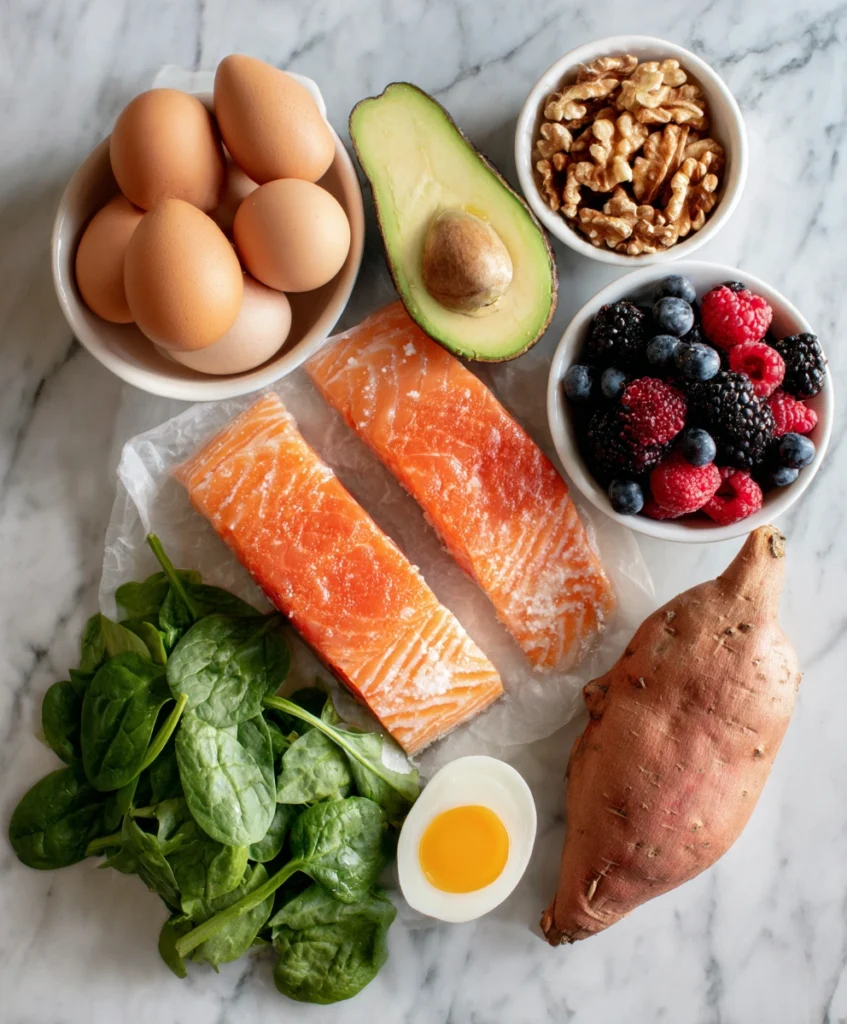
Eggs – Biotin and Protein Powerhouse
Eggs are one of the most complete food for hair growth.
They provide:
- High-quality protein for strong hair structure
- Biotin for keratin production
- Zinc and selenium for scalp health
Biotin deficiency is known to cause hair thinning and brittle hair, and eggs remain one of the best natural sources.
Regular egg consumption supports:
- Stronger strands
- Faster growth
- Reduced breakage
Berries – Antioxidant Boost for Your Scalp
Berries (strawberries, blueberries, raspberries) are rich in:
- Vitamin C
- Potent antioxidants
- Polyphenols
Vitamin C is essential for collagen synthesis, which strengthens hair fibers. It also enhances iron absorption, making berries a smart addition to any food for hair growth plan.
In addition, antioxidants protect hair follicles from oxidative stress, a hidden contributor to hair aging and thinning.
Spinach & Leafy Greens – Iron and Vitamin A Source
Spinach, kale, and other leafy greens are powerhouse foods because they contain:
- Non-heme iron
- Vitamin A
- Vitamin C
- Folate
Iron deficiency is one of the most common causes of hair loss in women.
Vitamin A supports sebum production, which moisturizes the scalp. However, balance is important because excess vitamin A may worsen hair loss.
Including leafy greens regularly improves:
- Scalp moisture
- Follicle oxygenation
- Hair shine and strength
This makes them essential food for hair growth.
Fatty Fish – Omega-3s and Vitamin D
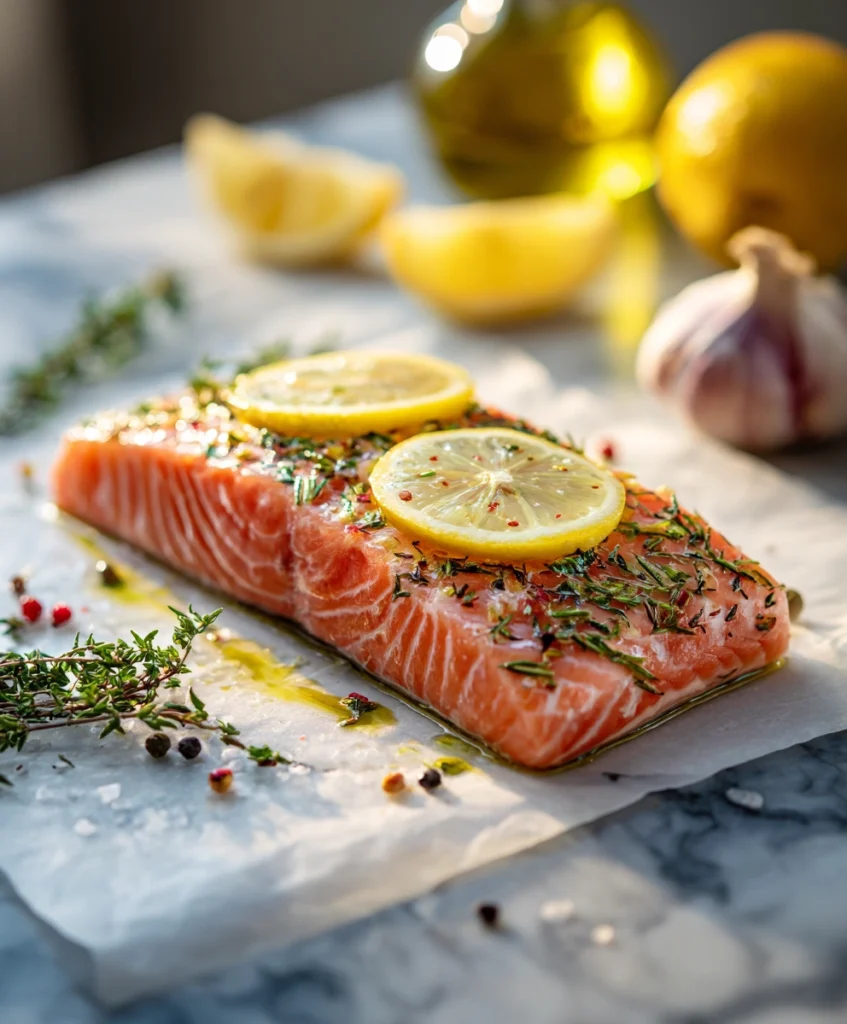
Fatty fish such as salmon, sardines, and mackerel provide:
- Omega-3 fatty acids
- Vitamin D
- High-quality protein
Omega-3s reduce scalp inflammation and support blood circulation to follicles. Meanwhile, vitamin D deficiency has been linked to hair loss disorders.
In several patients I follow, increasing fatty fish intake improved scalp condition and reduced inflammatory-related hair fall.
This makes fatty fish one of the best food for hair growth in both prevention and recovery.
Sweet Potatoes – Beta-Carotene for Healthy Scalp Oil
Sweet potatoes are rich in beta-carotene, a precursor to vitamin A.
This nutrient:
- Supports sebum production
- Prevents dry scalp
- Nourishes follicles
A healthy amount of vitamin A ensures the scalp produces enough oil to maintain a moisturized environment, necessary for healthy hair growth.
Avocados – Vitamin E and Healthy Fats
Avocados provide:
- Vitamin E
- Healthy fats
- Antioxidants
Vitamin E enhances blood flow to the scalp and protects hair follicles from oxidative damage.
Moreover, healthy fats strengthen the hair shaft and reduce breakage, making avocado an excellent food for hair growth and hair thickness.
Nuts and Seeds – Zinc, Selenium, and Essential Fats
Pumpkin seeds, flax seeds, chia seeds, almonds, and walnuts offer:
- Zinc for follicle repair
- Selenium for thyroid support
- Omega-3 fatty acids
- Vitamin E
Zinc deficiency is directly linked to hair shedding and slow hair regeneration.
Including a handful of nuts and seeds daily strengthens hair roots and improves scalp function naturally.
Whole Grains – Supporting Thyroid Health with Selenium
Whole grains like brown rice, oats, and whole wheat are rich in:
- Selenium
- B vitamins
- Fiber
Selenium supports thyroid function, and thyroid disorders often present with hair thinning or loss.
This makes whole grains an important supporting food for hair growth, especially for people with hormonal or metabolic issues.
Shellfish and Oysters – High-Zinc Foods for Follicle Function
Shellfish, especially oysters, are among the richest natural sources of zinc.
Zinc plays a role in:
- Hair tissue growth and repair
- Sebum gland function
- Maintaining healthy follicles
Low zinc levels are frequently found in patients with chronic hair loss.
Beans and Soy – Plant-Based Protein and Spermidine
Beans, lentils, chickpeas, and soy products provide:
- Plant-based protein
- Iron
- Zinc
- Biotin
- Spermidine
Spermidine, found in soybeans, has been shown to prolong the hair growth phase (anagen).
For vegetarians or people with low meat consumption, beans and soy are excellent food for hair growth alternatives.
Meat – Easy-to-Absorb Iron for Hair Growth
Red meat and poultry provide heme iron, which is more easily absorbed by the body than plant iron.
Iron plays a central role in:
- Oxygen delivery to follicles
- Energy production in hair cells
- Preventing hair shedding associated with anemia
In my clinical practice, correcting iron deficiency with diet and medical therapy often significantly improves hair regrowth.
Hydration – Why Drinking Water Supports Hair Health
No matter how perfect your diet is, without proper hydration, your hair will suffer.
Water supports:
- Nutrient transport to hair follicles
- Scalp hydration
- Toxin removal
- Hair flexibility
Dehydration leads to dry scalp, brittle hair, and slower growth.
Aim for around 2 liters (64 oz) of water daily for optimal scalp and hair function.
Hydration is often overlooked, yet it is an essential part of any food for hair growth strategy.
Common Questions About Food and Hair Growth
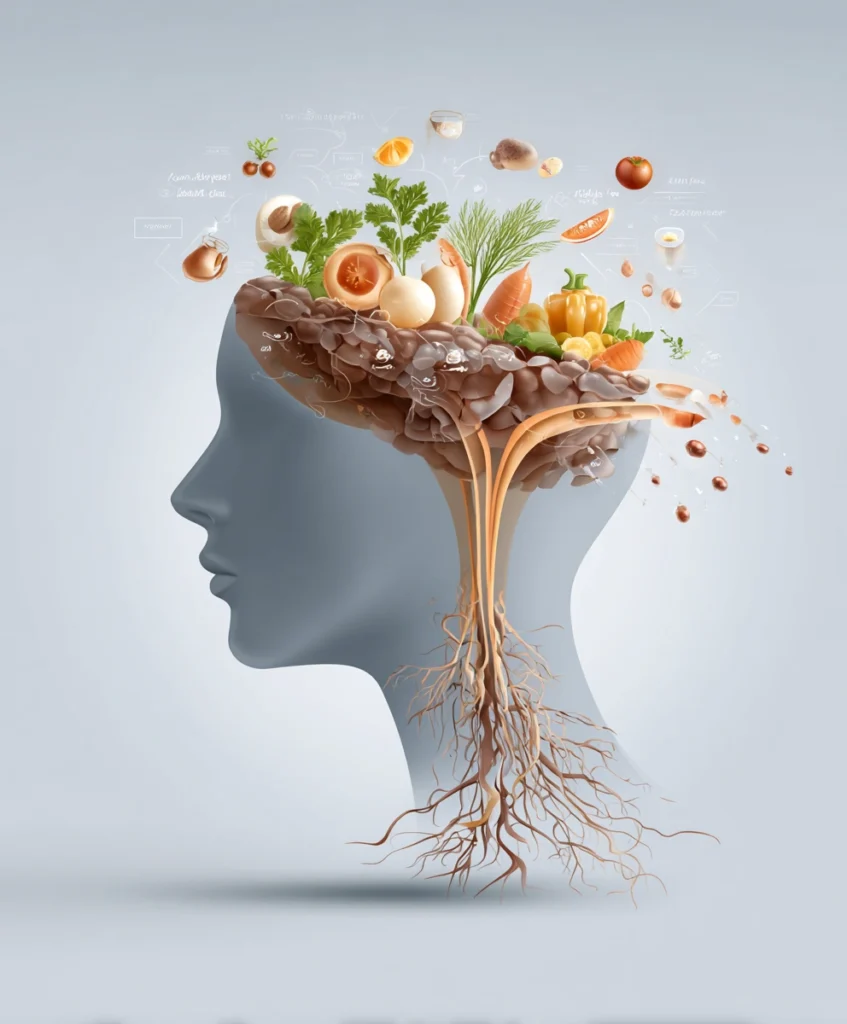
What Foods Make Hair Grow Faster?
Although no food works overnight, a consistent diet rich in eggs, fatty fish, leafy greens, sweet potatoes, and nuts helps stimulate faster growth over time. Most importantly, combining high-protein foods with iron and vitamin-rich fruits creates the best environment for accelerated growth through food for hair growth.
Which Fruit Is Best for Hair?
Berries are among the best fruits for hair because they are rich in vitamin C and antioxidants. Additionally, oranges and kiwi help with collagen production, which strengthens the hair shaft and reduces breakage.
Should You Take Supplements or Just Eat Well?
In most cases, eating well is better than taking supplements. Whole food for hair growth provides better absorption and safer nutrient balance. However, if blood tests show a real deficiency (like iron or vitamin D), targeted supplements may be medically necessary.
Which Food Makes Hair Grow Faster?
Fatty fish, eggs, and beans are among the most effective foods for supporting faster hair growth because they provide protein, omega-3 fatty acids, biotin, and zinc in balanced natural proportions.
What to Drink for Hair Loss?
Water is essential. Additionally, green tea and fresh fruit juices (especially citrus and berry juices) support hydration and supply antioxidants that improve scalp circulation and reduce oxidative stress.
What Stimulates Hair Growth Best?
A combination of high-protein diet, iron-rich foods, omega-3 fatty acids, vitamin D exposure, and proper hydration stimulates hair growth best. When these factors work together, food for hair growth becomes truly effective.
Can I Eat My Way to Thicker Hair?
Yes, but gradually. Thickness improves when deficiencies are corrected, protein intake is adequate, and micronutrients like zinc, iron, and vitamin B-complex are consistently consumed through high-quality food for hair growth.
Eat Smart for Healthier Hair
To summarize, your hair reflects your internal nutrition more than any product on your bathroom shelf. Therefore, instead of focusing only on external treatments, start from within.
By choosing nutrient-rich food for hair growth, such as fatty fish, eggs, beans, leafy greens, fruits, nuts, and whole grains, you provide your hair follicles with exactly what they need to produce stronger, thicker, and more resilient strands.
Moreover, when you eat a balanced diet consistently, you improve not only your hair, but also your skin, your energy levels, and your overall hormonal balance. In other words, healthy hair is a sign of a healthy body.
Final Thoughts on Using Food to Boost Hair Growth
In conclusion, hair growth is not controlled by one vitamin, one oil, or one miracle product. Instead, it is controlled by a long-term combination of:
- Genetic factors
- Hormones
- Lifestyle
- And most importantly… nutrition
However, while you cannot change your genetics, you can absolutely optimize what you eat. And this is where food for hair growth becomes your most powerful, natural, and sustainable weapon.
So, eat smart. Choose real foods. Stay hydrated. Avoid extreme dieting. And give your hair the time it needs to regenerate and grow stronger. With patience and consistency, the results will follow.
According to the Cleveland Clinic, nutrition plays a crucial role in supporting healthy hair by providing the essential building blocks like protein, iron, and biotin. Their experts highlight that incorporating foods such as lean meats, whole grains, and leafy greens can improve hair strength and reduce shedding caused by nutritional deficiencies. Similarly, Healthline’s research-backed guide emphasizes the importance of omega-3 fatty acids, antioxidants, and vitamins A, C, and D in promoting hair follicle function and protecting against oxidative stress — two critical components in maintaining healthy hair growth.