

Introduction
The first OB-GYN visit when pregnant is one of the most important steps in ensuring a healthy pregnancy for both the mother and the developing baby. This initial prenatal appointment lays the groundwork for ongoing care, early detection of potential risks, and personalized guidance throughout pregnancy. For many women, this visit brings a mix of excitement, curiosity, and anxiety, especially if it is their first pregnancy.
Unlike routine checkups, the first prenatal visit is comprehensive. It focuses on confirming the pregnancy, assessing maternal health, estimating gestational age, and educating the patient on what to expect in the coming months. Early prenatal care has been consistently associated with improved pregnancy outcomes, making this visit a critical milestone in maternal healthcare.
Table of Contents
When Should the First OB-GYN Visit When Pregnant Take Place?
Most healthcare providers recommend scheduling the first OB-GYN visit when pregnant as soon as pregnancy is confirmed, usually between 6 and 12 weeks of gestation. For women with irregular menstrual cycles, previous pregnancy complications, chronic medical conditions, or fertility treatments, an earlier visit may be advised.
Early evaluation allows healthcare providers to:
- Confirm the pregnancy
- Establish accurate dating
- Identify risk factors
- Begin preventive care promptly
Delaying the first visit may result in missed opportunities for early screening, counseling, and intervention.
How to Prepare for Your First Prenatal Appointment
Preparing for the first OB-GYN visit when pregnant can help you feel more confident and ensure that the appointment is productive.
1. Know Your Medical History
Be ready to discuss:
- Past medical conditions
- Previous surgeries
- Gynecological history
- Prior pregnancies, miscarriages, or ectopic pregnancies
- Family history of genetic or chronic diseases
2. List Medications and Supplements
Bring a list of all prescription medications, over-the-counter drugs, herbal remedies, and supplements you are taking. This is essential to assess safety during pregnancy.
3. Record Menstrual Information
The first day of your last menstrual period helps estimate gestational age and due date.
4. Prepare Questions
Common topics include:
- Pregnancy symptoms
- Lifestyle changes
- Nutrition and vitamins
- Exercise safety
- Warning signs to watch for
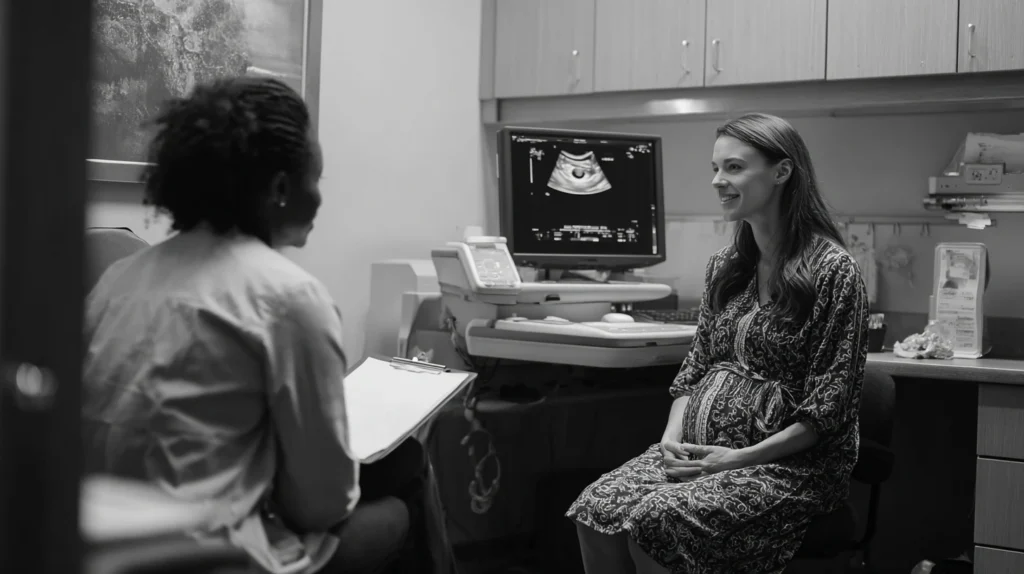
What Happens During the First OB-GYN Visit When Pregnant
The first OB-GYN visit when pregnant is more detailed than follow-up visits and may last longer. It usually includes the following components:
1. Comprehensive Medical Interview
Your healthcare provider will ask detailed questions about:
- Menstrual cycle history
- Current symptoms such as nausea or fatigue
- Medical and surgical history
- Medications and allergies
- Lifestyle factors such as smoking, alcohol use, and occupational exposures
This information helps determine pregnancy risk level and guides care planning.
2. Physical Examination
A general physical examination is performed to assess baseline health.
Vital Signs
- Blood pressure
- Weight
- Body mass index (BMI)
These measurements are essential for monitoring pregnancy-related changes and identifying early signs of complications such as hypertension or excessive weight gain.
Pelvic Examination
Depending on individual circumstances, a pelvic exam may be performed to:
- Assess the uterus and cervix
- Perform cervical screening if indicated
- Screen for vaginal or cervical infections
3. Laboratory Tests
Laboratory evaluation is a core element of the first OB-GYN visit when pregnant and usually includes:
- Blood type and Rh factor
- Complete blood count to check for anemia
- Screening for infectious diseases
- Immunity status for certain infections
- Urinalysis to detect infection, protein, or glucose
These tests help identify conditions that could affect pregnancy outcomes if left untreated.
4. Pregnancy Confirmation and Dating
Pregnancy is confirmed through laboratory testing and, in many cases, ultrasound examination. Accurate dating is crucial for:
- Scheduling prenatal screenings
- Monitoring fetal growth
- Planning delivery timing
Early ultrasound may be recommended if menstrual dates are uncertain or if there is a history of pregnancy complications.
5. Nutrition and Supplement Counseling
During the first OB-GYN visit when pregnant, nutrition is a key topic of discussion. Your provider will typically advise:
- Daily prenatal vitamins containing folic acid
- Adequate intake of iron, calcium, and vitamin D
- Balanced meals with appropriate weight gain goals
- Foods to avoid during pregnancy
Proper nutrition early in pregnancy plays a critical role in fetal development and maternal health.
6. Lifestyle and Activity Guidance
Your OB-GYN will discuss safe lifestyle practices, including:
- Physical activity recommendations
- Sleep and rest
- Work and travel considerations
- Avoidance of alcohol, tobacco, and recreational drugs
- Safe use of medications
These discussions are individualized based on medical history and pregnancy risk factors.
7. Education on Pregnancy Symptoms
The first OB-GYN visit when pregnant also serves as an opportunity to explain common early pregnancy symptoms such as:
- Nausea and vomiting
- Fatigue
- Breast tenderness
- Frequent urination
- Mood changes
Understanding what is normal versus concerning helps reduce anxiety and encourages timely medical consultation when needed.

Planning Future Prenatal Care
At the end of the first OB-GYN visit when pregnant, your provider will outline the schedule for future visits. In uncomplicated pregnancies, visits are typically planned:
- Every 4 weeks during early pregnancy
- Every 2 weeks in late pregnancy
- Weekly near the expected delivery date
You may also receive information about upcoming tests, ultrasounds, and screenings that will occur later in pregnancy.
When to Seek Medical Attention After the First Visit
Your OB-GYN will explain warning signs that require prompt medical evaluation, including:
- Heavy vaginal bleeding
- Severe abdominal pain
- Persistent vomiting
- Fever
- Severe headaches or vision changes
Recognizing these symptoms early is essential for maternal and fetal safety.
Emotional Support and Mental Well-Being
Pregnancy is not only a physical journey but also an emotional one. The first OB-GYN visit when pregnant provides an opportunity to discuss:
- Emotional changes
- Anxiety or stress
- Support systems
- Mental health history
Open communication allows healthcare providers to offer appropriate support and resources when needed.

Why the First OB-GYN Visit When Pregnant Is So Important
The first OB-GYN visit when pregnant establishes a relationship between the patient and healthcare provider. It ensures:
- Early identification of risks
- Individualized care planning
- Patient education and reassurance
- Prevention of avoidable complications
Consistent prenatal care beginning with this visit significantly improves pregnancy outcomes and maternal confidence.
Frequently Asked Questions About the First OB-GYN Visit When Pregnant
What do they do at your first OB-GYN appointment for pregnancy?
At the first OB-GYN appointment for pregnancy, the doctor confirms the pregnancy, reviews your medical and obstetric history, measures vital signs, and orders initial blood and urine tests. The visit often includes estimating the due date, discussing symptoms, reviewing medications, and providing guidance on nutrition, lifestyle, and prenatal vitamins. A pelvic exam and early ultrasound may be performed if indicated.
Is 2 weeks pregnant too early to see a doctor?
Yes, 2 weeks pregnant is generally too early for a first OB-GYN visit because pregnancy tests and ultrasounds are usually not reliable at that stage. Most healthcare providers recommend waiting until at least 6 weeks of pregnancy, unless there are symptoms, medical conditions, or fertility treatments that require earlier evaluation.
When should you have the first OB appointment when pregnant?
The first OB appointment when pregnant is typically scheduled between 6 and 10 weeks of gestation. This timing allows confirmation of the pregnancy, accurate dating, and early screening while still providing timely prenatal care.
Is 8 weeks too early for the first prenatal visit?
No, 8 weeks is not too early. In fact, 8 weeks is one of the most common and ideal times for the first prenatal visit. At this stage, pregnancy can usually be confirmed, the due date estimated accurately, and essential prenatal tests initiated.
To provide well-rounded and up-to-date information, we have consulted respected external medical sources that specialize in prenatal care and maternal health
Conclusion
The first OB-GYN visit when pregnant is a foundational step in a healthy pregnancy. It combines medical evaluation, education, preventive care, and emotional support. By attending this visit early and actively participating in the discussion, pregnant women empower themselves with knowledge and guidance that will support them throughout their pregnancy journey.
Understanding what to expect, how to prepare, and why this visit matters helps transform uncertainty into confidence and sets the stage for a positive prenatal experience.
This article draws on guidance and evidence from leading medical organizations and reputable pregnancy health resources to ensure accuracy and reliability.