pregnancyfollowup.com

Woman’s Health

dry skin moisturizer

The Best 10 Dry Skin Moisturizer: Doctor-Approved List for Deep Hydration & Soft Skin

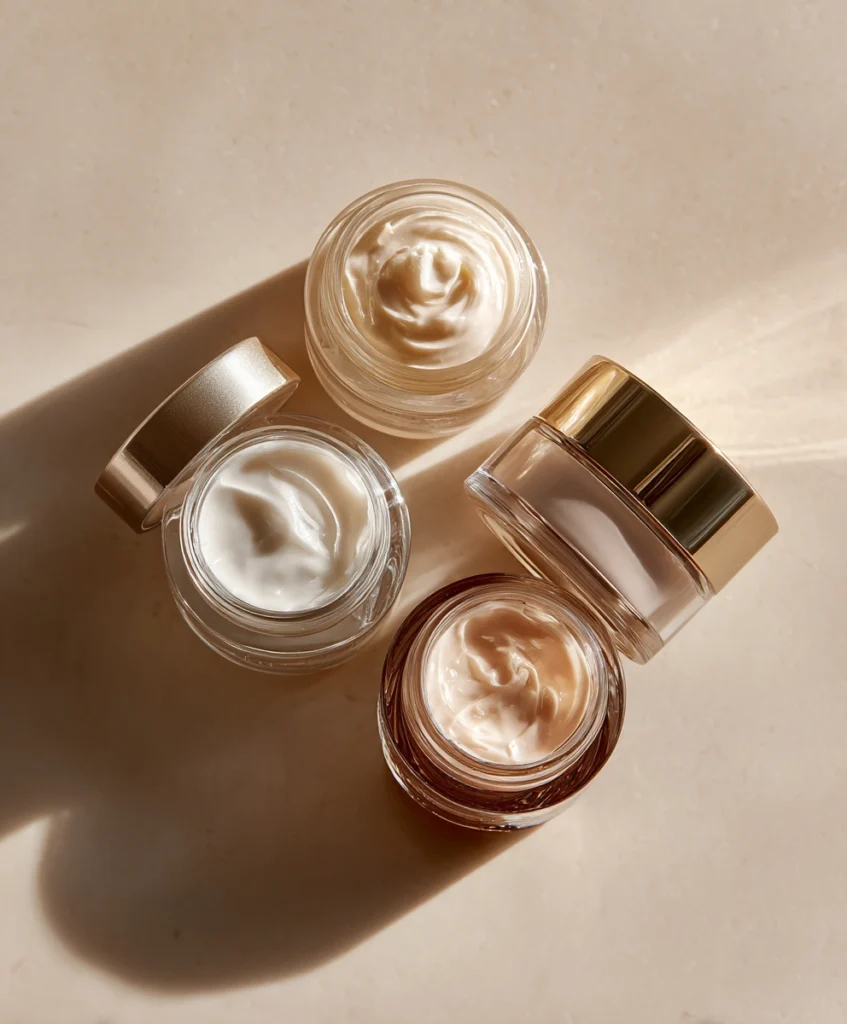
Dry, tight, flaky skin is more than a cosmetic issue. It is a sign of a weakened skin barrier, increased water loss, and inflammation. As a medical doctor, I see patients every week who try many creams but still struggle because they don’t understand what makes a moisturizer truly effective. To help you choose correctly, I created a complete, research-based guide to the best 10 dry skin moisturizer options — safe, efficient, dermatologist-approved, and pregnancy-friendly. This list is based on dermatology science, real-life clinical results, and the independent testing of beauty editors from major skincare review websites. Ingredients such as ceramides, urea, hyaluronic acid, glycerin, and petrolatum remain the most proven ingredients for repairing dryness and restoring a healthy barrier. When you understand how these ingredients work, it becomes easier to decide which of the best 10 dry skin moisturizer formulas fits your skin. How I Selected the Best 10 Dry Skin Moisturizer A powerful moisturizer should contain: ✅ Humectants – attract water into the skin (example: hyaluronic acid, glycerin)✅ Emollients – smooth and soften rough texture (example: squalane, shea butter)✅ Occlusives – seal moisture in and stop water loss (example: petrolatum) Dermatology research shows that formulas rich in ceramides, urea, and fatty acids rebuild the skin’s protective barrier and reduce cracking, irritation, and flaking. Every product in this list matches scientific criteria for the best 10 dry skin moisturizer. The Best 10 Dry Skin Moisturizer — Doctor’s Ranking 1. SkinCeuticals Triple Lipid Restore 2:4:2 This rich cream uses a medical-grade blend of ceramides, cholesterol, and fatty acids. It repairs the deepest layers of the skin barrier and targets mature, extremely dry, or damaged skin. Why it’s one of the best 10 dry skin moisturizer: Pregnancy-friendly: No retinoids. Safe for most users, but always check ingredient lists if you are extremely sensitive. 2. CeraVe Moisturizing Cream One of the most dermatologist-recommended creams in the world, and a classic in the best 10 dry skin moisturizer list. It contains ceramides and hyaluronic acid to attract and seal hydration. Why it works: As a doctor, this is one of the first creams I recommend for pregnant women with dry skin. 3. La Roche-Posay Toleriane Double Repair A gentle formula using ceramides and niacinamide to calm redness and strengthen the skin’s barrier. Perfect if your dryness comes with sensitivity. Why it belongs to the best 10 dry skin moisturizer: Pregnancy note: niacinamide is generally safe. Very good choice. 4. Kiehl’s Ultra Facial Advanced Repair Barrier Cream A repairing balm for irritated, cracked, or wind-damaged skin. Why it’s in the best 10 dry skin moisturizer: Pregnancy-friendly for most skin types. 5. Avène Hydrance RICH A silky, comfortable cream for people whose skin feels tight, flaky, or sensitive. Why it ranks in the best 10 dry skin moisturizer: 6. Clinique Moisture Surge 100H Auto-Replenishing Hydrator A gel-cream packed with hyaluronic acid and aloe bio-ferment. Why it is part of the best 10 dry skin moisturizer group: 7. Vanicream Moisturizing Cream If your skin reacts to fragrance, dyes, or essential oils, this cream is a life-saver. Why it deserves a place in the best 10 dry skin moisturizer: As a doctor, this is one of my favorite recommendations for pregnant women who have allergies or irritation from other creams. 8. First Aid Beauty Ultra Repair Cream A fast-acting, soothing cream for itchy, irritated, or extra tight skin. Why it is one of the best 10 dry skin moisturizer: 9. Eucerin Advanced Repair Cream Ideal for arms, legs, and hands that are rough, scaly, and chronically dry. Why it ranks inside the best 10 dry skin moisturizer: Urea is safe in normal cosmetic concentrations and works incredibly well on texture. 10. Plain Petrolatum (Vaseline) The simplest but most scientifically proven occlusive. Why it remains in the best 10 dry skin moisturizer list: At night, applying a thin layer of petrolatum on top of your regular moisturizer can transform dry, flaky skin in only a few days. To qualify as the best dry skin moisturizer, a formula must combine three essential ingredient categories For a moisturizer to truly qualify as the best dry skin moisturizer, it needs a balanced combination of humectants, emollients, and occlusives. Humectants such as hyaluronic acid, glycerin, urea, lactic acid, panthenol, sodium PCA, and aloe vera attract water into the outer layer of the skin, instantly relieving tightness and dehydration. Emollients including ceramides, squalane, shea butter, jojoba oil, cholesterol, fatty acids, and caprylic/capric triglycerides smooth rough patches and repair microscopic cracks in the skin barrier. Finally, occlusives like petrolatum, dimethicone, lanolin, mineral oil, beeswax, and cocoa butter form a protective seal to stop moisture from escaping. When these ingredients work together, the moisturizer doesn’t only hydrate — it strengthens the barrier, calms irritation, and keeps the skin comfortably soft throughout the day. Pregnancy-Safe Moisturizing Advice As a doctor, I always guide pregnant women carefully. During pregnancy, skin becomes more sensitive, reactive, and dry. Here is my medical approach when choosing the best 10 dry skin moisturizer during pregnancy: If dryness is severe, itchy, or painful, a medical evaluation is important to rule out eczema, dermatitis, or pregnancy-related skin conditions. How to Use the Best 10 Dry Skin Moisturizer Correctly Even the best formula will not work if you apply it incorrectly. ✅ Apply within 2 minutes after washing✅ Use morning and night✅ At night, you can “seal” with a thin layer of petrolatum✅ Drink water, avoid long hot showers, and use gentle cleansers✅ Choose richer creams during winter A powerful routine for extremely dry skin: Morning: Night: As a doctor, I see major improvement when patients follow this simple method instead of using many random products. Final Summary Here is the full list of the best 10 dry skin moisturizer: These products combine ceramides, urea, humectants, and occlusives — the exact ingredients supported by dermatology science. Whether your skin is sensitive, mature, irritated, or pregnancy-related dry, you can find an effective choice inside the best 10 dry skin moisturizer list. Conclusion Choosing the

The Best 10 Dry Skin Moisturizer: Doctor-Approved List for Deep Hydration & Soft Skin Read More »
How Long Does a Lash Lift Last

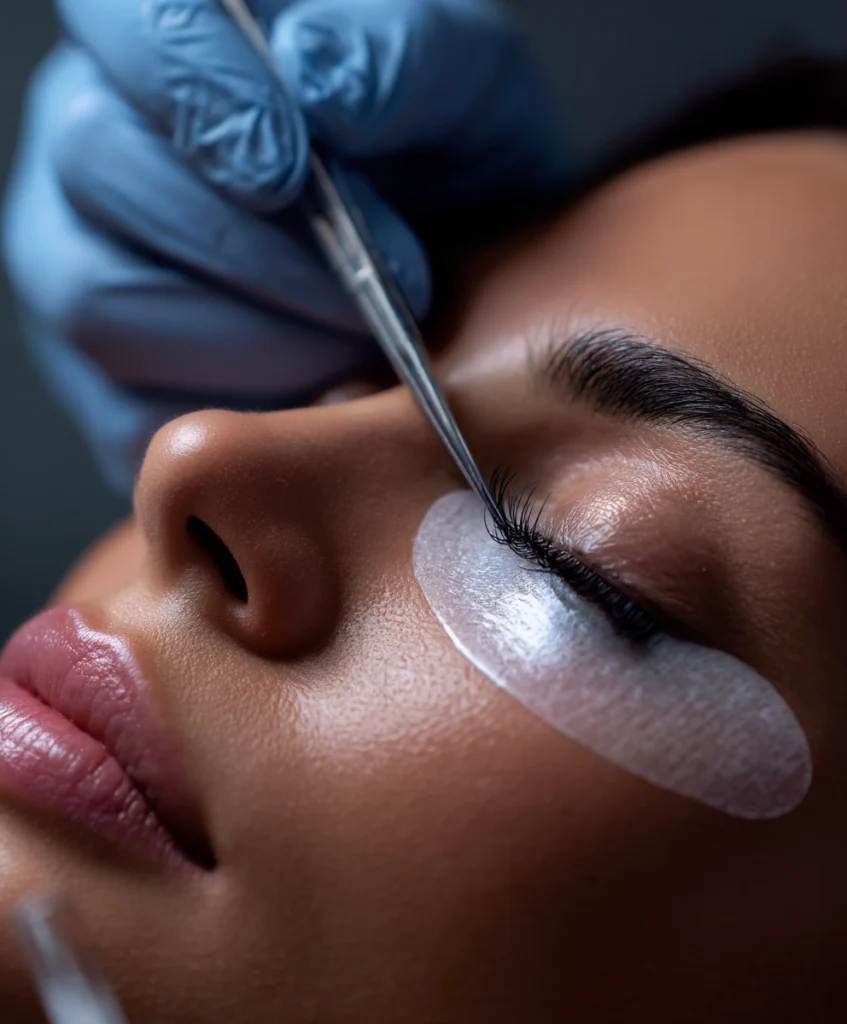
How Long Does a Lash Lift Last? A Doctor’s Complete, Science-Based Guide

Women who want lifted, curled eyelashes without mascara or extensions often choose a lash lift. It’s fast, low-maintenance, and looks very natural. Still, almost every patient and every client asks the same question: how long does a lash lift last? The simple answer is that a lash lift usually lasts around 4 to 6 weeks, and in some people up to 8 weeks. However, the real answer is more scientific than that. The longevity depends on how fast your eyelashes grow, how healthy your lashes are, the chemicals used during the procedure, and how carefully you follow aftercare. As a medical doctor who counsels patients on cosmetic eye treatments, I explain that biology is the real key to understanding how long does a lash lift last. What Exactly Is a Lash Lift? A lash lift is a semi-permanent cosmetic procedure that curls the natural eyelashes using a special chemical lotion and a setting lotion. The lashes are brushed upward and attached to a silicone rod, then reshaped into a lifted curve. Some salons also add a tint to darken the lashes. The result is a lifted, open-eyed look without mascara or extensions. People love the effect because it is natural, comfortable, and requires almost no maintenance. However, even if the result looks dramatic, many people are still unsure how long does a lash lift last, and why the result eventually fades. Why Does a Lash Lift Fade? To understand how long does a lash lift last, we must understand the biology behind eyelashes. Every hair in the body grows in cycles. Eyelashes pass through three main stages: This cycle repeats constantly. On most people, the full eyelash cycle takes several months. Because only the existing, grown lashes are lifted, the curl begins to fade as new, un-lifted lashes grow in. This explains why how long does a lash lift last is not the same for everyone. If someone naturally sheds lashes quickly, the lift disappears faster. If someone has a slower growth cycle, the lift appears to last longer. In my medical experience, patients often think the curl is “falling,” but in reality, it is new lashes growing in. The lifted hairs are still curled, but they gradually mix with straight new lashes. This explains the average answer to how long does a lash lift last being around 6 weeks. The Average Result: So How Long Does a Lash Lift Last? For most people, how long does a lash lift last is between 4 and 6 weeks, and in ideal conditions up to 8 weeks. Some clients notice a strong curl for the first month and then a gradual softening. The result is not permanent, but it lasts longer than a mascara or a daily curler. If you want the lifted result for a special event—like a wedding or a vacation—get the lift around 1 week before the date. The first week after a lift usually shows the most dramatic result. What Makes a Lash Lift Last Longer? There are several factors that affect how long does a lash lift last: 1. Aftercare During the First 24 Hours The first 24 hours are the most important.To maximize how long does a lash lift last, lashes must stay dry. Water, steam, tears, sweat, face washing, or eye makeup remover can weaken the setting process. If the lash structure softens before it stabilizes, the curl will not last long. 2. Avoiding Oils and Heavy Creams Oils can weaken the effect of the lift. Using oil-based makeup removers or thick eye creams early after the procedure may shorten how long does a lash lift last. Water-based makeup removal is best in the beginning. 3. No Lash Curlers A lash curler can bend, kink, or break the lashes after a lift. If the goal is to extend how long does a lash lift last, avoid applying extra pressure to the hairs. 4. Gentle Makeup Removal Rubbing the eyes or using harsh waterproof mascaras can damage the lashes and reduce how long does a lash lift last. Soft cleansing protects the curl and prevents premature shedding. 5. Lash Health and Nutrition Healthy, strong lashes hold a curl longer. Poor eyelash health, chronic rubbing, or heavy cosmetics can weaken the hairs. A nourishing serum can improve softness and flexibility, which can improve the appearance of the lift for a longer time. In my medical practice, I tell patients that even if a serum does not change the growth cycle, healthier lashes look fuller and hold the curl better, which visually increases how long does a lash lift last. Can a Lash Lift Last 8 Weeks? Yes, it can. Some people naturally have a slower hair cycle. Some take excellent care of their lashes. Some have long, strong lashes that keep their shape longer. However, not everyone will reach 8 weeks, and this does not mean the lash lift failed. Biology sets a natural limit on how long does a lash lift last. Once new lashes replace the curled ones, the effect fades. No brand or technique can permanently control the growth cycle. What Can Make a Lash Lift Fade Too Early? Some habits shorten how long does a lash lift last: From a medical point of view, rubbing the eyes also increases the risk of irritation, inflammation, and eyelid infection. Good hygiene protects both eye health and the result of the lift. How Often Can You Repeat a Lash Lift? If the question is not only how long does a lash lift last, but also how often you can repeat it, the answer is usually every 6 to 8 weeks. Doing a lift too often can dry or weaken the lashes because the procedure uses chemical restructuring. It is best to wait until most of the lifted lashes shed naturally. As a doctor, I advise patients not to repeat the procedure too frequently. The eyelid skin is delicate, and the lashes themselves are living hair fibers. Spacing out treatments protects lash health in the long

How Long Does a Lash Lift Last? A Doctor’s Complete, Science-Based Guide Read More »

Natural shampoo

Natural Shampoo: A Doctor’s Evidence-Based Guide To What Actually Works

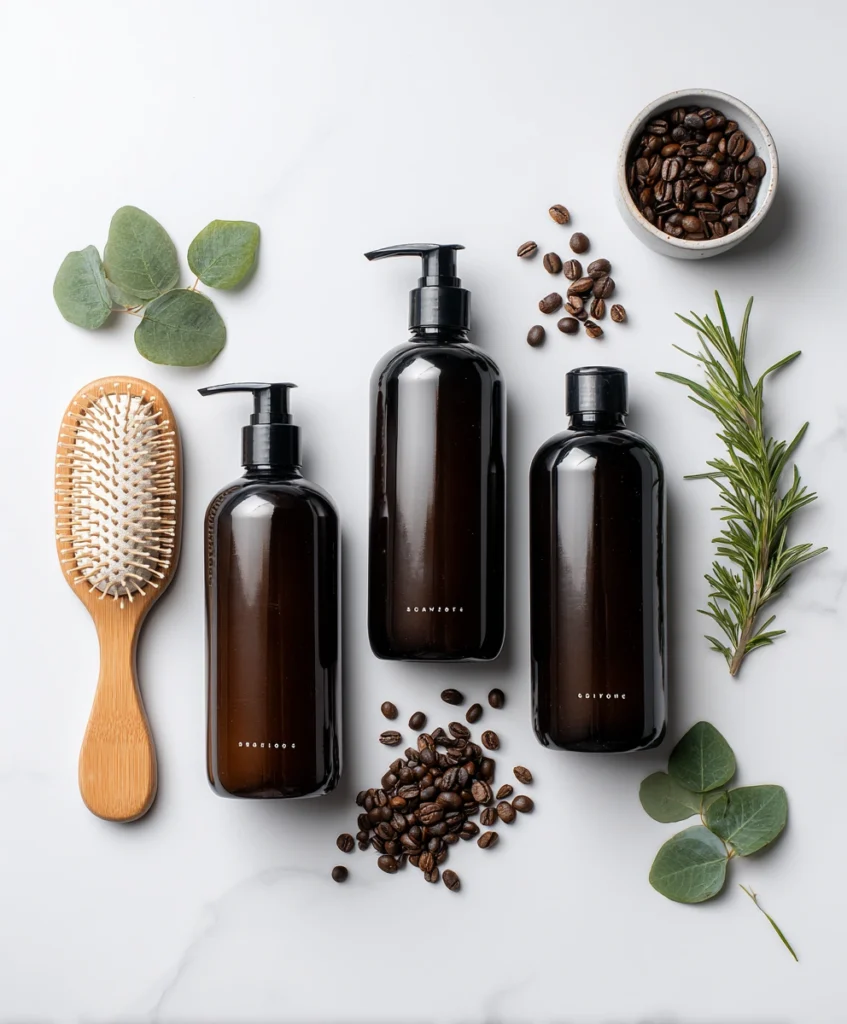
As a medical doctor who treats women with hair loss, scalp irritation, postpartum shedding, dandruff, and hormonal hair changes, I’m asked almost every day whether natural shampoo is better than regular shampoo. Many of my patients want healthier hair with fewer chemicals—and they hope switching to natural shampoo will fix dryness, breakage, frizziness, or scalp sensitivity. The truth is: natural shampoo can be excellent for the scalp and hair, but only when it is formulated correctly. The word “natural” alone does not guarantee safety, effectiveness, or a healthy scalp. In this medical guide, I’ll break down what matters scientifically, how to read ingredients, who benefits most from natural shampoo, and when natural haircare is not enough. Why science matters more than marketing pH makes a big difference Healthy scalp pH is around 5.5, and healthy hair fibers are slightly acidic. When a shampoo has a very alkaline pH, it raises the cuticle layer of the hair, creates friction, causes frizz, and increases breakage. That’s why a good organic shampoo should stay in a slightly acidic range (around pH 4.5–5.5). This is one of the most important scientific reasons why some people see shinier, smoother hair after switching to a well-formulated organic shampoo—not because it is “chemical-free,” but because the pH respects the scalp barrier. Surfactants: the real reason a shampoo works Every shampoo, natural or not, needs surfactants to clean the scalp. In naturall shampoo, these cleansers are usually gentle, plant-derived ingredients such as: Studies show that these surfactants are milder on hair and the scalp compared to harsh sulfates. They produce foam, remove oil and sweat, and leave the scalp cleaner without damaging the cuticle. This is why many dermatologists recommend natural shampoo for sensitive skin, eczema, and dry hair. What about the scalp microbiome? The scalp has its own ecosystem of bacteria and yeast. When this balance is disturbed, dandruff, itching, and irritation appear. A mild natural shampoo with a balanced pH can support the microbiome instead of stripping it. Some natural ingredients such as aloe vera, coconut-derived surfactants, botanical antifungals, and plant extracts help calm inflammation and reduce flaking for mild cases. However, if dandruff is severe, naturall shampoo alone may not solve the problem, and patients often need medical or antifungal treatments. In my medical practice, I combine medicated shampoo once or twice a week with a mild organic shampoo on the other days, giving patients comfort and long-term scalp stability. The problem with “natural fragrance” Many people switch to natural shampoo to avoid artificial fragrance. But natural fragrance is not always safer. Essential oils such as lavender, tea tree, peppermint, and citrus contain natural allergens that can irritate or sensitize the scalp—especially when they oxidize over time. For very sensitive scalps, fragrance-free naturall shampoo is usually the best choice. A product can be 100% natural and still trigger irritation, so “fragrance-free” or “hypoallergenic” is more important than the word “natural”. Here are 10 reliable brands of natural shampoo: A doctor’s opinion on DIY natural shampoo Social media is full of homemade shampoo recipes with baking soda, vinegar, castile soap, clay masks, and herbal rinses. As a doctor, I respect natural ingredients—but medically, most of these mixtures have 2 problems: A well-formulated naturall shampoo is safer and healthier than most homemade recipes. If someone insists on DIY, it should be used short-term and with caution. How to choose a real natural shampoo (doctor’s checklist) A good natural shampoo should have: ✔ Mild surfactants (like glucosides and betaines)✔ A pH around 4.5–5.5✔ Transparent ingredients✔ Fragrance-free or low-allergen fragrance✔ Plant-based conditioning agents that prevent frizz and dryness A bad organic shampoo is one with very alkaline pH, too many essential oils, or weak cleansing that forces you to over-wash. When natural shampoo is a great choice From my experience as a doctor, the patients who benefit most from organic shampoo are: 1. People with sensitive scalps Redness, itching, and irritation improve when switching to a mild, fragrance-free naturall shampoo. 2. Curly or dry hair Curly and textured hair needs moisture and low pH. A good natural shampoo reduces frizz and breakage without stripping the curls. 3. Color-treated hair Because natural shampoo avoids harsh sulfates and alkalinity, hair dye lasts longer and shine stays preserved. 4. Patients using medicated shampoo A gentle natural shampoo is perfect for “in-between” wash days to protect the scalp barrier. When natural shampoo is not enough Even the best natural shampoo cannot replace medical treatment in some cases: For those conditions, I prescribe medicated treatments and use natural shampoo as supportive care. Hair routines for different needs For oily scalp For dry or curly hair For color-treated hair For itchy, flaky scalp 5 Easy Home Recipes for Naturall Shampoo 1. Aloe Vera & Coconut Milk Natural Shampoo 2. Honey Moisturizing Natural Shampoo 3. Apple Cider Vinegar Clarifying Natural Shampoo 4. Tea Tree & Aloe Anti-Dandruff Natural Shampoo 5. Baking Soda & Water Simple Cleanser My medical experience with patients In the clinic, I notice something interesting: when patients switch to a high-quality natural shampoo, they often expect instant results. But hair needs time. Usually, after 4–6 weeks, they report: Some patients with chronic irritation or eczema tell me they feel relief for the first time after changing to natural shampoo, especially when they remove fragrance completely. However, a small group reacts badly due to essential oils or allergies. That’s why testing and reading ingredients is more important than the label “natural”. Common myths about natural shampoo “Natural shampoo means chemical-free.” False. Even water is a chemical. The important question is whether ingredients are safe and gentle—not whether they sound scientific. “Silicones are dangerous.” Not true. Silicones can cause buildup, but they are safe. People can choose a silicone-free natural shampoo, but it is a preference, not a medical necessity. “Baking soda is the best natural cleanser.” Wrong. Baking soda destroys cuticles and increases breakage over time. Final professional recommendation If you want to use natural shampoo, choose formulas that are scientifically strong—not just

Natural Shampoo: A Doctor’s Evidence-Based Guide To What Actually Works Read More »

Batana Oil Benefits

Batana Oil Benefits: Doctor-Backed Guide for Hair Growth, Shine & Scalp Health

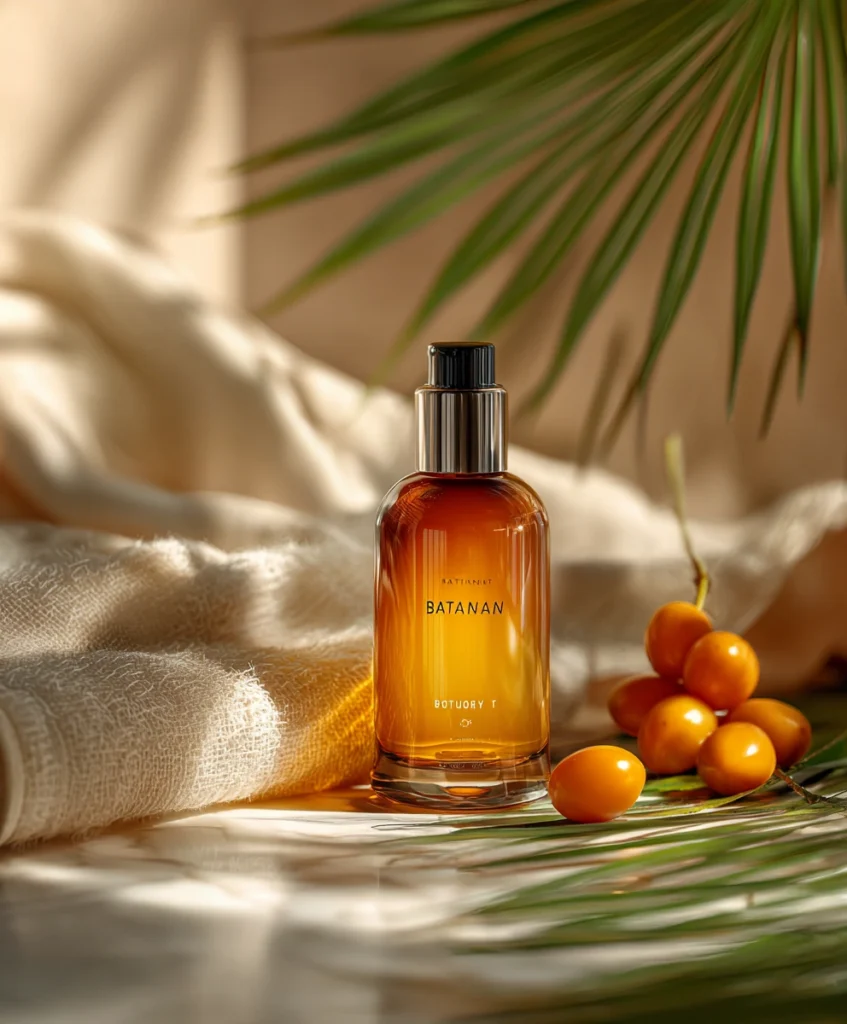
Batana oil has become one of the most talked-about natural oils in the beauty world. It is extracted from the fruit of the American oil palm (Elaeis oleifera) traditionally used by the Miskito people of Central America for scalp care and hair repair. With so many claims circulating online, many people wonder whether batana oil benefits are scientifically real or just a social-media trend. As a medical doctor who treats patients with hair loss, scalp irritation, breakage, and dryness, I decided to look closely at this oil. In my practice, patients often ask whether batana oil benefits hair growth, scalp health, and hair strength. This article provides a full, science-based explanation, plus my professional perspective as a doctor. What Makes Batana Oil Unique? The reason people are excited about batana oil benefits is its rich biological composition. Analyses of Elaeis oleifera oil show that it is naturally high in: Carotenoids are powerful antioxidants. Vitamin E is another antioxidant family known to protect cells from oxidative stress. Oleic and linoleic acids act as natural emollients that nourish both scalp and hair. All these compounds explain many of the claimed batana oil benefits: improved softness, smoother hair, better scalp comfort, and protection from environmental damage. Batana Oil Benefits: What Science Suggests There are no direct clinical trials that test batana oil specifically on human hair growth. However, there is research supporting many of the mechanisms linked to batana oil benefits. 1. Antioxidant Support Batana oil contains carotenoids and vitamin-E compounds that neutralize free radicals. Free radicals are unstable molecules produced by stress, pollution, UV exposure, and normal metabolic activity. Excess oxidative stress can damage scalp tissues, dry the hair cuticle, and weaken follicles. Antioxidants help create a healthier scalp environment, which contributes to stronger and more resilient hair. 2. Moisturizing and Conditioning One of the most consistent batana oil benefits is deep hair conditioning. Fatty acids in the oil help seal moisture into the hair shaft, improving elasticity and reducing breakage. This is especially helpful for dry, colored, or heat-treated hair. Patients who style their hair frequently or use straighteners and curlers often notice smoother texture, less frizz, and easier detangling when they use oils rich in oleic and linoleic acids. 3. Scalp Barrier Protection The skin of the scalp has a protective lipid layer. When this barrier becomes damaged—often due to harsh shampoos, weather changes, or inflammation—people experience itching, tightness, flaking, and sensitivity. One of the practical batana oil benefits is that its fatty acids and antioxidants support the scalp’s barrier, restoring comfort and reducing dryness. Because it is a natural emollient, it can calm irritation and give the scalp a healthier feel. 4. Cosmetic Hair Repair While batana oil cannot medically reverse baldness or cure hair loss, it can improve the appearance of damaged hair. Oils coat the hair surface and temporarily fill cracks in the cuticle, making hair shinier and softer. After repeated use, many users report that their hair feels thicker, although this is usually due to reduced breakage rather than new growth. My Medical Perspective as a Doctor In my medical practice, I help many patients who suffer from breakage, thinning, postpartum shedding, and scalp sensitivity. When patients ask about batana oil benefits, I always explain the difference between cosmetic improvement and medical treatment. However, I also see that patients who combine medical therapies with good scalp care usually respond better. Oils like batana can make the scalp less irritated, which encourages better adherence to hair treatments such as minoxidil or anti-dandruff shampoos. What Batana Oil Does Not Do To keep expectations realistic: Batana oil benefits are mostly cosmetic and supportive, not curative. Still, for many patients, the cosmetic results are important because they help restore confidence and improve the look and feel of hair. How to Use Batana Oil for Best Results To get the most from batana oil benefits, the technique matters. Here is the routine I often recommend to patients: 1. Pre-Shampoo Mask (Best Method) This method gives strong conditioning without weighing the hair down. 2. Leave-In for Curly or Dry Hair 3. Scalp Spot Treatment Who Can Benefit Most From Batana Oil? Batana oil benefits different hair types in different ways: People with very fine or oily hair should use batana oil lightly to avoid heaviness. Quality Matters: Choosing a Good Product To truly experience batana oil benefits, purity is important. Many commercial products are diluted with cheaper oils. Look for: Pure batana oil has a rich texture and a natural nutty or earthy smell. Side Effects and Precautions Batana oil is generally safe, but a few precautions keep it comfortable for everyone: Pregnant and breastfeeding women can use small amounts of pure oil on the hair, but they should avoid products mixed with strong essential oils. Batana Oil Benefits for Aging Hair Another emerging area of interest is the potential effect of batana oil on aging hair. As we age, the scalp produces less natural sebum, hair fibers lose moisture faster, and oxidative stress increases. This combination leads to brittle strands, thinning volume, and a dull appearance. One of the most valuable batana oil benefits in mature hair is its antioxidant concentration. Carotenoids and vitamin-E molecules help protect the hair cuticle from oxidative damage, which is responsible for rough texture and breakage. In my medical experience, women over 40 who incorporate batana oil into a gentle routine often notice that their hair becomes softer and smoother within a few weeks. While this oil cannot reverse biological aging, these protective batana oil benefits can slow the visible changes and help hair retain shine, strength, and elasticity for longer. Frequently Asked Questions Final Doctor’s Opinion After reviewing the science and observing results in real patients, I believe batana oil benefits are real in the cosmetic sense: smoother hair, improved shine, and a healthier scalp feel. It is not a miracle cure for medical hair loss, but it is a valuable conditioning oil for damaged or dry hair. When used correctly, batana oil benefits

Batana Oil Benefits: Doctor-Backed Guide for Hair Growth, Shine & Scalp Health Read More »

hair growth oil

Hair Growth Oil: Medical Evidence, Benefits, and My Clinical Experience as a Doctor

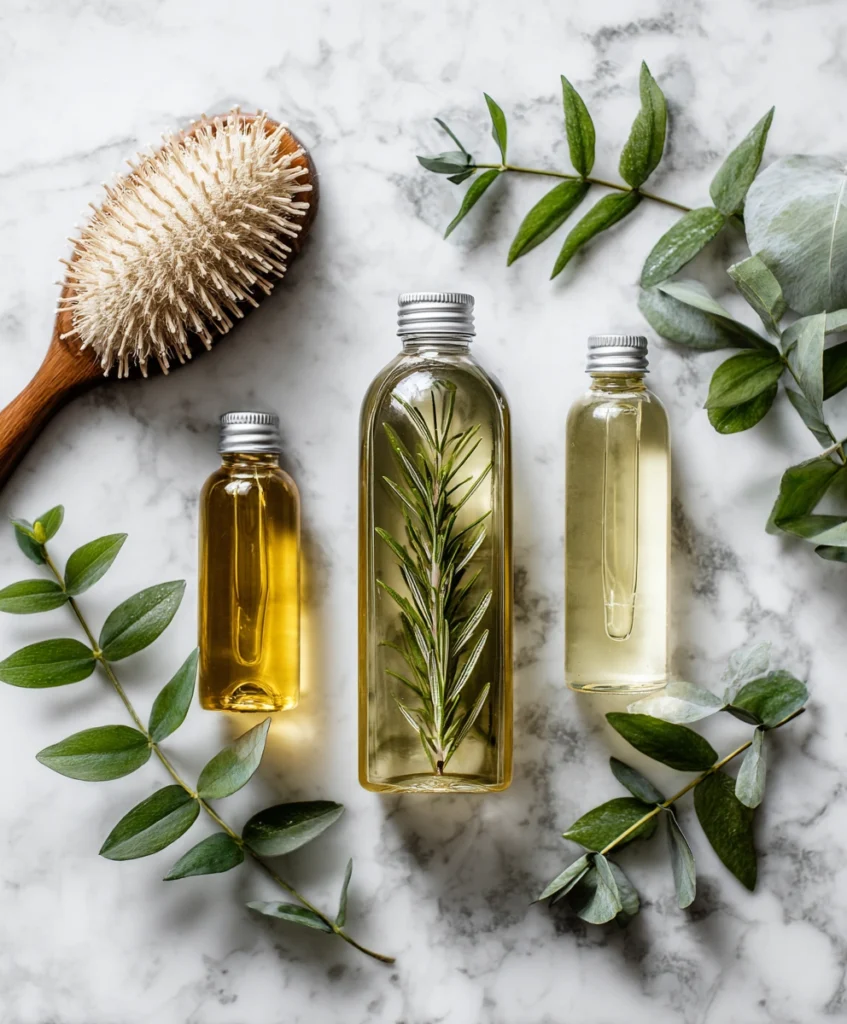
Hair loss and thinning hair are among the most common concerns I hear from patients. Women and men often search for natural solutions before turning to medical treatments, and one of the most popular options today is hair growth oil. But does a hair growth oil really work? Which ingredients are evidence-based? How should you use it for the best results? As a doctor, I will explain what science says, what works, what doesn’t, and how to use a hair growth oil safely and effectively. What Is a Hair Growth Oil? A hair growth oil is a topical blend of carrier oils and active botanical or essential oils, applied to the scalp to nourish follicles, reduce inflammation, and improve scalp circulation. Some oils also protect the hair shaft, reduce breakage, and promote thicker and healthier growth. In medical practice, I never describe a hair growth oil as a miracle cure. However, when used correctly and consistently, it can support scalp health, reduce shedding, and help hair grow stronger—especially when combined with proper medical treatment if an underlying condition exists. How Hair Growth Oils Work Scientific sources, including Healthline and peer-reviewed studies, describe several mechanisms that explain why a hair growth oil may help: 1. Improved Blood Circulation Certain essential oils—especially rosemary and peppermint—can increase local blood flow. Better circulation means more oxygen and nutrients reach the hair follicle. Some studies even suggest rosemary oil performed similarly to 2% minoxidil in cases of androgenetic alopecia, although more research is needed. 2. Anti-Inflammatory and Antioxidant Effects Chronic inflammation can damage hair follicles and speed up thinning. A hair growth oil with anti-inflammatory compounds (rosemary, lavender, tea tree, argan, coconut) may reduce irritation and improve follicle function. 3. Microbial Balance A healthy scalp microbiome protects hair follicles. Oils with antimicrobial properties—like tea tree or lavender—may reduce dandruff, irritation, and fungal overgrowth. 4. Hair Shaft Protection Carrier oils such as coconut, argan, almond, and jojoba do not only moisturize; they protect the hair shaft from breakage. Even if new hair is growing, it will not look thicker if it breaks easily. A good hair growth oil reduces this damage. Best Ingredients to Look For in a Hair Growth Oil When choosing a hair growth oil, the formula matters more than the brand. The most studied ingredients are: Ingredient Medical Benefit What Studies Suggest Rosemary Oil Improves circulation and reduces inflammation Comparable to 2% minoxidil in small studies Peppermint Oil Stimulates follicles, increases blood flow Promising animal studies; human studies limited Tea Tree Oil Antimicrobial and anti-inflammatory Helps decrease dandruff and irritation Lavender Oil Antioxidant and soothing May increase follicle number in animal studies Castor Oil Popular for thickness and hydration Limited scientific proof, but protects shaft and reduces breakage Coconut/Argan/Jojoba Oils Scalp hydration and shaft protection Supports hair quality but not strong stimulators alone From a medical perspective, rosemary remains the most evidence-backed option among natural oils for hair growth support. My Medical Experience as a Doctor In my consultations, I meet many patients worried about thinning hair, postpartum shedding, or stress-related hair loss. When there is no serious underlying illness—such as thyroid disorders, severe anemia, or autoimmune alopecia—a hair growth oil can help improve results. Patients who benefit most are those who:✅ Use the oil consistently (1–3 times weekly)✅ Massage the scalp gently for 2 minutes✅ Reduce heat styling and tight hairstyles✅ Have balanced nutrition and manage stress✅ Treat medical causes when present I have seen patients combine rosemary hair growth oil with nutritional supplements, gentle shampoo, and less heat exposure. After 3–6 months, many notice reduced shedding, better density, and a healthier scalp. In postpartum hair loss, a hair growth oil can reduce the duration and help regain volume faster. However, if a patient has alopecia areata, advanced androgenetic alopecia, or severe deficiency, oil alone will not be enough. As a doctor, I always evaluate blood tests, hormones, and scalp conditions before choosing a treatment plan. How to Use a Hair Growth Oil Correctly To get real results, technique matters. Here is the medically recommended method: 1. Patch-Test First Essential oils are strong and can irritate sensitive skin. Always test a small amount behind the ear or on the wrist for 24 hours. 2. Dilute Essential Oils Never apply pure essential oils directly on the scalp. They must be mixed with a carrier oil like argan, coconut, or jojoba. 3. Scalp Massage Apply a small amount of hair growth oil to the scalp and massage gently for 2 minutes. This improves circulation and enhances absorption. 4. Leave for at Least 30 Minutes Some people leave it overnight and wash the next day. Both methods are acceptable as long as scalp skin is not irritated. 5. 1–3 Times Per Week Is Enough Daily use is not necessary and may cause buildup or irritation. 6. Be Patient Hair grows about 1 cm per month. Visible changes require 8–12 weeks, and full results take 4–6 months. Safety and Risks Even natural products have risks: As a doctor, I remind patients that safety matters more than trends. If the scalp becomes red or itchy, the oil should be stopped. Can a Hair Growth Oil Replace Medical Treatment? The honest answer: No. A hair growth oil is helpful, but it is not a substitute for: Think of a hair growth oil as a supportive tool—not the only solution. Who Should Try a Hair Growth Oil? ✅ People with mild to moderate hair thinning✅ Postpartum women experiencing shedding✅ Stress-related hair loss✅ Dry or itchy scalp✅ People who want healthier, shinier hair Not ideal for:❌ Severe alopecia❌ Scalp infection❌ Autoimmune disease without medical treatment How to Choose the Best Hair Growth Oil A good product should contain: If you prefer homemade oil: Frequently Asked Questions About Hair Growth Oils The Final Verdict A hair growth oil can support healthy hair, reduce shedding, improve shine, and nourish follicles. It is a helpful addition—but not a miracle solution. As a doctor, I recommend it as part of a larger hair-care

Hair Growth Oil: Medical Evidence, Benefits, and My Clinical Experience as a Doctor Read More »

hair gloss

Hair Gloss: Treatment, A Doctor’s Simple Guide to Shinier, Healthier Hair

Introduction Many people dream of soft, shiny, healthy-looking hair. But between stress, pollution, heat, and chemical treatments, our hair often loses its natural glow.That’s where hair gloss comes in — a simple, quick treatment that gives dull hair an instant mirror-like shine. As a doctor, I often meet women who feel their hair has become lifeless due to hormonal changes, postpartum shedding, or iron deficiency.Hair gloss doesn’t cure medical problems, but it can help restore confidence and beauty while we work on treating the root cause. What Is Hair Gloss? Hair gloss is a semi-permanent conditioning treatment that coats the outer layer of your hair (the cuticle).It smooths the surface, enhances shine, reduces frizz, and can refresh hair color without damaging the strands. You can think of it like a “top coat” for your hair — similar to how clear polish makes nails shiny and smooth.The effect lasts a few weeks, depending on how often you wash your hair and the products you use. How Does Hair Gloss Work? The science behind shine is actually very simple.Healthy hair has a flat, smooth cuticle that reflects light evenly — that’s what makes it look glossy.When the cuticle is rough or lifted (from heat, sun, or coloring), light scatters and hair looks dull. A hair gloss treatment works by: The result: shiny, manageable, soft hair that catches the light beautifully. My Experience as a Doctor In my daily consultations, I often meet women who say, “My hair looks dull no matter what I do.” I first make sure there isn’t a medical reason — such as thyroid imbalance, anemia, vitamin deficiency, or stress-related hair loss.Once we manage those issues, I often recommend a clear hair gloss as part of a cosmetic routine to restore shine quickly. Hair gloss is especially helpful after: It gives patients a psychological boost — they feel more confident and radiant while their natural hair health improves. Main Ingredients in Hair Gloss Most gloss products share the same basic types of ingredients: The Real Benefits Here’s what you can expect from a good hair gloss: ✅ Instant shine – your hair reflects more light.✅ Softer texture – the strands feel smoother to the touch.✅ Less frizz – the cuticle stays flat and hydrated.✅ Easy styling – the hair becomes more manageable.✅ Subtle color refresh – if you use a tinted gloss, it can restore or adjust color. However, it’s important to remember that hair gloss doesn’t repair internal damage.It improves the appearance of hair, not its internal structure. How Long Does It Last? Usually between 3 to 6 weeks depending on: If you use gentle, sulfate-free shampoos and protect your hair from heat, the shine will last longer. Is Hair Gloss Safe? Yes — most clear hair gloss treatments are considered safe.They don’t use ammonia or peroxide like traditional dyes.However, tinted glosses may contain mild coloring ingredients that can irritate sensitive skin. Patch testing before application is always a good idea, especially if you’ve had allergies to hair dye in the past. As a doctor, I advise avoiding hair gloss if: Hair Gloss vs. Other Treatments Feature Hair Gloss Hair Dye Keratin / Smoothing Purpose Shine & tone Permanent color Straightening Chemicals Mild & acidic Ammonia, peroxide May contain formaldehyde Duration 3–6 weeks Permanent 3–4 months Damage risk Very low Moderate Moderate to high Shine effect Very high Moderate Moderate A key safety reminder:Hair gloss is not a “Brazilian blowout.”It doesn’t use formaldehyde or break bonds inside the hair. Its purpose is shine — not straightening. Salon vs. At-Home Hair Gloss Salon gloss treatments give better and longer results because professionals know how to apply and time them correctly.But at-home gloss kits can also work well if you follow instructions carefully. Salon gloss advantages: At-home gloss advantages: If it’s your first time, I recommend starting with a clear gloss from a trusted brand. How to Make the Shine Last Longer My Doctor’s Routine Recommendation Here’s the simple routine I often share with my patients who want glossy, healthy hair: Step 1: Treat the scalp first — manage dandruff, dryness, or irritation.Step 2: Apply a clear hair gloss once every 4–6 weeks.Step 3: Use a sulfate-free shampoo and a moisturizing conditioner.Step 4: Protect from heat and UV exposure.Step 5: Eat a balanced diet rich in iron, vitamin D, zinc, and omega-3s. Gloss is a cosmetic enhancer — real long-term shine comes from healthy hair and scalp. Frequently Asked Questions When to See a Doctor First If your hair suddenly becomes: It could be a sign of an internal issue like thyroid imbalance, iron deficiency, or hormonal change.In those cases, a medical check-up is more important than any cosmetic product. Hair gloss can improve the look — but the true glow comes from inner health. Key Takeaways Final Doctor’s Message As a doctor, I believe that beauty and health go hand in hand.Hair gloss is a perfect example — a small cosmetic step that helps women feel confident and radiant while we care for their health from the inside. If your hair has lost its shine, start with gentle care, nourish your body, and consider a clear gloss to give it that luminous “mirror” finish.Healthy hair, like healthy skin, reflects inner balance. Written by a Doctor based on medical experience and scientific evidence to help you make informed decisions about Hair Gloss

Hair Gloss: Treatment, A Doctor’s Simple Guide to Shinier, Healthier Hair Read More »

Best Shampoo for Hair Growth

Best Shampoo for Hair Growth: What Actually Works – A Doctor’s Guide

If you’re searching for the best shampoo for hair growth, you’re not alone. Hair loss and thinning are among the most common concerns I see in my daily medical practice. Every day, patients ask me which shampoo can truly make their hair grow back. The truth is: shampoos alone rarely regrow hair — but the right ones can reduce shedding, strengthen the hair shaft, and improve scalp health, which are essential steps toward thicker, healthier hair. As a doctor who regularly manages hormonal and nutritional causes of hair loss, I’ll share both what research shows and what I’ve personally seen work for my patients. This article combines scientific evidence with medical experience to help you choose wisely. What Can a Shampoo Really Do? Scientific studies confirm that shampoos can support hair growth indirectly by: In short, shampoos are not miracle drugs, but they are powerful allies when used correctly and consistently. Key Ingredients Backed by Science About Best Shampoo for Hair Growth 1. Ketoconazole (1–2%) What it is: An antifungal medication that also reduces inflammation and may slightly inhibit androgen activity at the scalp.What studies show: Regular use of 1–2% ketoconazole shampoo has been associated with thicker hair shafts and less shedding, particularly in androgenetic alopecia (hormonal hair loss).Doctor’s advice About Best Shampoo for Hair Growth: I recommend ketoconazole shampoo for patients with oily scalps, dandruff, or itching. Use it once or twice per week, leaving the foam on your scalp for about five minutes before rinsing. It’s especially beneficial for those with hormonal or stress-related hair loss. 2. Zinc Pyrithione (1%) What it is: A proven anti-dandruff ingredient with antimicrobial and anti-inflammatory properties.What studies show: In controlled trials, daily use of zinc pyrithione shampoo led to a gradual increase in hair density and fewer hairs shed per wash compared to placebo.Doctor’s advice About Best Shampoo for Hair Growth: This is ideal for daily or every-other-day use, especially for people with dandruff or seborrheic dermatitis. It’s milder than ketoconazole and can be alternated with a hydrating or caffeine-based shampoo. 3. Piroctone Olamine What it is: Another anti-fungal compound that controls dandruff and scalp irritation.What studies show: Clinical studies found that it improves the anagen/telogen ratio—meaning more hairs stay in the growing phase.Doctor’s advice About Best Shampoo for Hair Growth: I often recommend piroctone olamine shampoos for sensitive scalps that cannot tolerate stronger medicated products. It offers both anti-dandruff benefits and visible improvement in hair volume after several weeks of consistent use. 4. Caffeine and Adenosine What they are: Mild stimulants shown to enhance micro-circulation around hair follicles.What studies show: Research indicates that caffeine may counteract the effects of dihydrotestosterone (DHT), the hormone that contributes to hair thinning in both men and women. Adenosine has also been shown to increase hair thickness and density after several months of use.Doctor’s advice About Best Shampoo for Hair Growth: I often combine caffeine-based shampoos with other treatments like topical minoxidil. Patients report less shedding and improved texture after about 8–12 weeks. These shampoos are suitable for daily use and are generally gentle. 5. Saw Palmetto Extract What it is: A botanical extract with natural DHT-blocking properties.What studies show: Limited studies have shown that saw palmetto, when used topically or orally, may improve hair density in mild androgenetic alopecia.Doctor’s advice About Best Shampoo for Hair Growth: It can be used as a complementary ingredient, especially in natural or botanical shampoos, but it should not replace proven medical treatments like minoxidil. 6. Biotin (Vitamin B7) What it is: A vitamin essential for keratin production.What studies show: Biotin supplementation only helps hair growth in cases of true deficiency, which is rare. Biotin in shampoos has little evidence of effectiveness because it doesn’t penetrate deeply enough to affect follicles.Doctor’s advice About Best Shampoo for Hair Growth: I always test my patients for deficiencies before recommending biotin. For most people, a balanced diet and proper scalp care are more effective than biotin-enriched shampoos. Choosing the Right Shampoo for Your Hair Type 1. For Hormonal or Genetic Hair Loss (Androgenetic Alopecia) Doctor’s experience: Most of my patients with hormonal hair loss notice reduced shedding within two months when we combine minoxidil with a ketoconazole-based routine. 2. For Postpartum Hair Shedding (Telogen Effluvium) Doctor’s experience: Postpartum shedding usually resolves within six months. Using gentle anti-inflammatory shampoos speeds up recovery and keeps the scalp healthy during regrowth. 3. For Dandruff or Oily Scalp Doctor’s experience: When inflammation and flakiness are under control, hair loss slows significantly. Many patients mistake chronic dandruff for a purely cosmetic issue, but it’s actually a common trigger for shedding. 4. For Dry or Damaged Hair with Breakage Doctor’s experience: Patients with dry or processed hair often over-wash. Reducing washing frequency and using protective shampoos helps minimize breakage and improve shine. How to Use Best Shampoo for Hair Growth Correctly How I Advise My Patients to Combine Products In my clinical practice, I build personalized routines depending on the patient’s diagnosis. Here’s an example of a balanced plan: This routine supports scalp health, reduces inflammation, and allows hair growth treatments to penetrate more effectively. When Shampoo Isn’t Enough If you’ve been losing hair for more than six months, it’s time to see a doctor. Persistent shedding or bald spots can indicate androgenetic alopecia, thyroid disorders, anemia, or chronic stress. In those cases, shampoo should be combined with: Shampoos support these treatments but cannot replace them Doctor’s Tips for Long-Term Hair Health Healthy hair starts from the inside but requires consistent external care, too. Common Mistakes to Avoid In my practice, patients who follow a consistent plan and address both external and internal causes have the most satisfying results. Frequently Asked Questions About Best Shampoo for Hair Growth Final Word About Best Shampoo for Hair Growth As a doctor, my advice is simple: choose your shampoo like you choose your skincare — based on science, consistency, and your individual needs. With the right plan, your hair can become stronger, fuller, and healthier from root to tip. Written by

Best Shampoo for Hair Growth: What Actually Works – A Doctor’s Guide Read More »

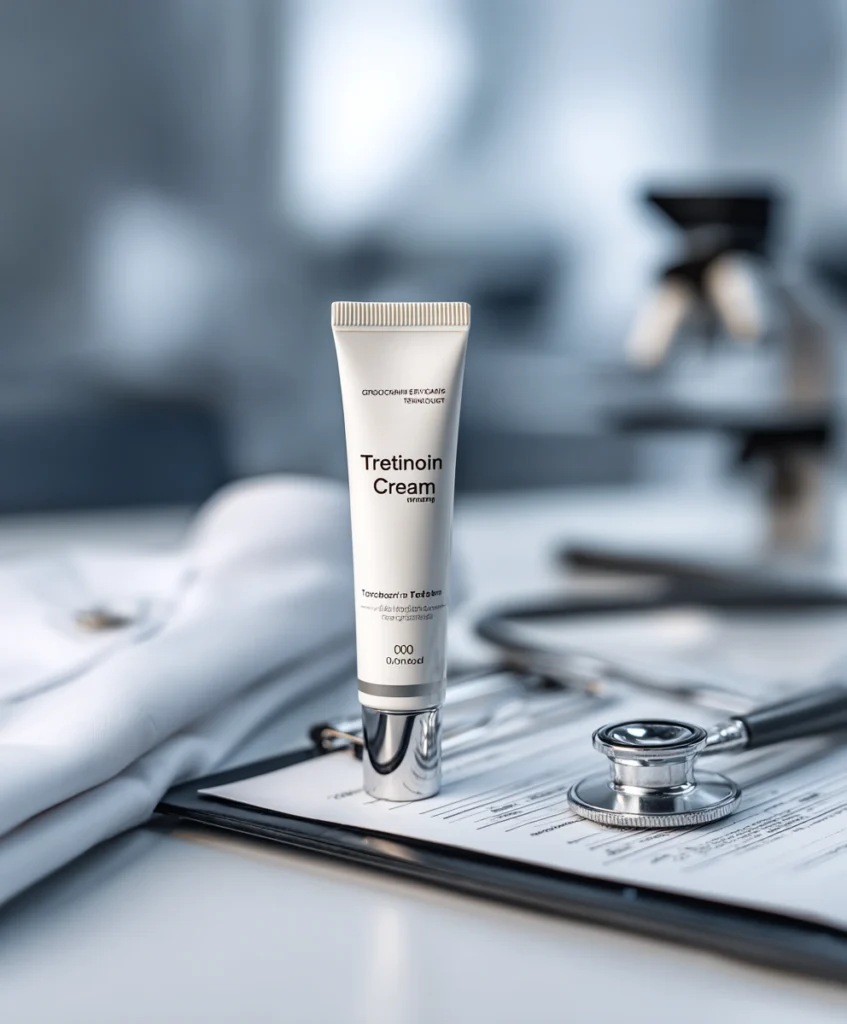
Tretinoin vs Retinol

Tretinoin vs Retinol: Differences, Benefits & Doctor’s Guide for Healthy, Glowing Skin

Tretinoin vs Retinol — these two skincare ingredients are among the most researched and effective tools in modern dermatology. Both are derived from vitamin A and have proven benefits for acne, fine lines, and uneven skin tone. Yet, many people confuse them or don’t know which one is right for their skin. As a doctor, I often prescribe tretinoin for acne and visible signs of aging, while recommending over-the-counter retinol for patients who prefer a gentler start. Understanding how these two molecules work—and how they differ—can help you choose the best option for your skin’s needs. What Are Retinoids? Retinoids are vitamin A derivatives that affect how skin cells grow and renew themselves. When applied to the skin, they help increase cell turnover, unclog pores, boost collagen, and fade pigmentation. The “retinoid family” includes different forms with varying strengths: Think of them like a ladder: the higher you climb, the faster the results—but also the higher the chance of irritation. That’s why choosing the right form matters. Tretinoin: The Prescription Powerhouse Tretinoin is a form of pure retinoic acid. Because it’s already active, it doesn’t need conversion in the skin—it gets to work immediately. This makes it very effective, but also more likely to cause irritation at first. Tretinoin has decades of medical research behind it. It’s proven to: In my medical practice, tretinoin is the gold standard for patients who want visible improvement in acne, fine lines, or uneven skin texture. However, it must be introduced carefully to avoid redness, peeling, or dryness. Retinol: The Gentle Over-the-Counter Option Retinol is the milder, cosmetic version of vitamin A. It’s widely available in creams and serums. The skin gradually converts it into retinoic acid, which is why it works more slowly but is also much better tolerated. When used regularly, retinol can: Many people use retinol as their first step into the retinoid family before moving to tretinoin. In clinic, I often recommend this path for patients with sensitive skin or those who prefer a gradual approach. How They Differ : Tretinoin vs Retinol Feature Tretinoin Retinol Strength Prescription, very potent Over-the-counter, milder Activation Already active form (retinoic acid) Must convert to retinoic acid in skin Speed of results Fast, within weeks Slower, visible over months Irritation More likely (dryness, redness) Less common Best for Acne, visible photoaging, deep wrinkles Beginners, sensitive skin, prevention Pregnancy safety Not safe during pregnancy Also avoid during pregnancy Both forms ultimately lead to the same active molecule, but tretinoin gets there directly while retinol takes two steps. That’s why tretinoin is stronger but can cause more side effects. How They Work on the Skin : Tretinoin vs Retinol Both tretinoin and retinol increase cell turnover, meaning they help old, dull skin cells shed faster and encourage the growth of new, healthy ones. This process improves texture, minimizes fine lines, and reduces acne formation. They also stimulate collagen production, which keeps skin firm and elastic. Over time, collagen naturally decreases with age, but retinoids can slow this process and even reverse some early damage. As a doctor, I’ve observed how skin gradually becomes smoother, brighter, and more even with consistent retinoid use—whether it’s tretinoin or retinol. The key difference is tolerance and speed. Clinical Benefits of Each : Tretinoin vs Retinol For Acne Tretinoin is one of the most prescribed treatments for acne worldwide. It works by clearing out clogged pores, reducing blackheads, and controlling excess oil. It also helps fade acne marks faster by speeding up skin renewal. For mild acne, retinol can be helpful too, though it’s usually not strong enough alone for moderate or severe cases. From my experience About Tretinoin vs Retinol: I often start acne patients on low-strength tretinoin (0.025%) every other night and combine it with a gentle cleanser and non-comedogenic moisturizer. This helps control breakouts without excessive dryness. For Anti-Aging Both tretinoin and retinol help reduce fine lines and improve skin tone. Tretinoin has stronger and faster results, but retinol’s effects are also well-documented when used regularly. Tretinoin promotes the production of new collagen fibers and reduces the breakdown of existing ones. It also smooths the surface of the skin, giving it a fresher, more youthful glow. Retinol achieves similar effects more gradually, making it perfect for long-term maintenance. From my practice About Tretinoin vs Retinol: Many patients who stay consistent with retinol for six months achieve a smoother complexion and more even tone, even without switching to tretinoin. For Pigmentation and Sun Damage Both ingredients help fade dark spots and repair sun damage by promoting even cell renewal. Tretinoin gives faster results but must be used with strict sun protection. Retinol helps too, but with a gentler process. In darker skin tones, tretinoin must be used carefully, as irritation can sometimes trigger temporary hyperpigmentation. I usually recommend starting with retinol or lower tretinoin strength under supervision. Side Effects and How to Minimize Them The most common side effects of tretinoin are dryness, peeling, redness, and mild stinging. Retinol may cause mild dryness during the first weeks but is usually well-tolerated. To reduce irritation: When patients follow these steps, tolerance improves within three to four weeks. After this period, the skin adjusts, and visible improvement becomes noticeable. How to Introduce Retinoids Into Your Routine Step 1: Prepare Your SkinUse a gentle cleanser and apply a nourishing moisturizer for a week before starting. A healthy barrier helps minimize irritation. Step 2: Start SlowlyUse your retinoid only two nights per week for the first two weeks. If no irritation occurs, increase to every other night. Step 3: Timing MattersApply it at night on clean, completely dry skin. A pea-sized amount is enough for the entire face. Step 4: MoisturizeFollow with a moisturizer to lock in hydration and reduce peeling. Step 5: Protect in the MorningRetinoids make your skin more sun-sensitive. Apply SPF 30 or higher every morning, even on cloudy days. Step 6: Be PatientVisible improvement takes time—usually 8–12 weeks. Don’t stop too early; consistent use gives lasting results. My

Tretinoin vs Retinol: Differences, Benefits & Doctor’s Guide for Healthy, Glowing Skin Read More »

Best Shampoo for Oily Hair

Best Shampoo for Oily Hair: A Doctor’s Guide You Can Actually Use

If your hair looks greasy just hours after washing, you’re not imagining it. An oily scalp happens when sebaceous glands around the hair follicles produce more sebum than the hair can absorb. As a doctor who treats many women struggling with this problem, I often see how it affects confidence, comfort, and hair appearance. The good news is that the best shampoo for oily hair isn’t necessarily the most expensive—it’s the one that matches your scalp’s biology. In this guide, I’ll explain what ingredients to look for, how they work, and how to build a proper routine that really helps. Why Hair Gets Oily (and Why Shampoo Choice Matters) Your scalp produces a natural oil called sebum, which is a mix of fats that protect and moisturize your skin and hair. However, when sebum production becomes excessive—because of hormones, stress, genetics, or even weather—the roots look greasy, and the scalp may feel heavy or itchy. In women, oiliness often worsens around ovulation because of hormonal fluctuations. Doctor’s advice About Best Shampoo for Oily Hair : Oily scalp doesn’t mean “dirty hair.” It’s a biological condition. The goal isn’t to remove every trace of oil but to rebalance the scalp environment while keeping your hair light and clean. The Secret of a Good Shampoo: The Surfactants Shampoo works through surfactants, which are cleansing agents that lift oil and dirt so they can be rinsed away. For oily scalps, the type of surfactant matters more than the brand name. Doctor’s advice About Best Shampoo for Oily Hair : Not all sulfates are bad. A well-balanced formula combining a strong cleanser with a gentle one often gives the best result. If your ends are dry, apply a light conditioner before shampooing to protect them. Ingredients That Work for Oily Scalp OR Best Shampoo for Oily Hair Different active ingredients target different aspects of oil control. Here are the key ones you should know and how to use them correctly. 1. Salicylic Acid This beta hydroxy acid exfoliates dead cells, unclogs follicles, and removes excess oil. It also helps reduce buildup from styling products. Doctor’s advice About Best Shampoo for Oily Hair : Use a salicylic acid shampoo 2–3 times per week. Apply it to the scalp and leave it on for two to three minutes before rinsing. This allows it to dissolve the buildup that keeps the scalp oily. 2. Selenium Sulfide This ingredient has antifungal and oil-regulating properties. It reduces the yeast population on the scalp and normalizes skin turnover, making it perfect for those who have oily dandruff. Doctor’s advice About Best Shampoo for Oily Hair : When your scalp feels itchy or has waxy flakes, use a selenium sulfide shampoo once or twice weekly, alternating with your usual shampoo. 3. Ketoconazole Ketoconazole is another antifungal ingredient that helps reduce oil, itchiness, and dandruff. It also decreases inflammation and improves scalp health. Doctor’s advice About Best Shampoo for Oily Hair : For recurrent dandruff or very oily scalps, use a ketoconazole shampoo twice weekly for one month, then once weekly to maintain results. 4. Piroctone Olamine This ingredient targets scalp fungi and is well tolerated, even by sensitive scalps. It’s an effective alternative to zinc pyrithione and works well when combined with salicylic acid. Doctor’s advice About Best Shampoo for Oily Hair : If your scalp is sensitive or you prefer a milder formula, look for piroctone olamine 0.5–0.75%. It keeps the scalp clean without irritation. 5. Niacinamide (Vitamin B3) Niacinamide regulates sebum production and strengthens the scalp’s barrier. It’s a gentle yet effective option for daily use. Doctor’s advice About Best Shampoo for Oily Hair : Choose a daily shampoo with niacinamide. It helps maintain balance between washes without drying the scalp. 6. Clay (Kaolin or Bentonite) Clays naturally absorb oil and impurities. They can be used as a pre-shampoo treatment or found in clarifying shampoos. Doctor’s advice About Best Shampoo for Oily Hair : Once a week, apply a clay mask directly to the scalp and leave it for 5–10 minutes before washing. It’s a natural, effective way to control excess shine. Building the Perfect Routine Instead of using one shampoo every day, rotate different types to balance cleansing and scalp health. Step 1: Daily Cleanser Use a mild, balanced shampoo with gentle surfactants and niacinamide.Frequency: Daily or every other day.Technique: Focus on the scalp, not the ends, and massage gently for 30–60 seconds. Step 2: Exfoliating Shampoo Use a salicylic acid shampoo two or three times weekly to remove buildup and refresh roots. Step 3: Antifungal Shampoo Once or twice a week, use a shampoo with ketoconazole or selenium sulfide to prevent dandruff and regulate oil. Step 4: Weekly Deep Clean Add a clay mask or clarifying shampoo once a week to keep the scalp fresh. Doctor’s advice About Best Shampoo for Oily Hair: Don’t rush through washing. Let the product sit for a few minutes to allow the active ingredients to penetrate. This small change makes a big difference. Common Problems and How to Fix Them Oily Roots, Dry Ends This combination is very common. Avoid putting conditioner on your roots. Apply it only from mid-lengths to ends. Protect ends with a light oil or serum before washing. Oily Hair with Flakes This usually indicates seborrheic dermatitis. Combine salicylic acid (to exfoliate) and ketoconazole or selenium sulfide (to fight the fungus). After symptoms disappear, maintain with one antifungal wash weekly. Scalp Gets Oily in One Day Add a weekly clay mask and extend contact time of your shampoo to three minutes. Consider niacinamide-based formulas for better long-term balance. Sensitive Scalp Opt for shampoos with cocamidopropyl betaine and piroctone olamine. Avoid strong fragrances or essential oils that can irritate the scalp. Hormonal and Lifestyle Factors Sebum production is controlled by hormones, particularly androgens. Stress, heat, and occlusive headwear can worsen oiliness. Women often notice oilier hair during mid-cycle or high-stress periods. Doctor’s advice About Best Shampoo for Oily Hair : If your scalp suddenly becomes much oilier

Best Shampoo for Oily Hair: A Doctor’s Guide You Can Actually Use Read More »

How to Balance Your Hormones

How to Balance Your Hormones

If you often feel tired, moody, bloated, or simply not yourself, your hormones may be the hidden reason.Hormones are tiny chemical messengers that regulate nearly every function of your body — your energy, mood, metabolism, fertility, skin, and even how well you sleep.When they are balanced, you feel vibrant and emotionally grounded.When they are disrupted, everything from your appetite to your emotions can fall out of rhythm. In my practice as a gynecologist, I meet countless women searching for ways to regain control of their well-being.Most of them are really asking one question: how to balance your hormones naturally.Once you understand how these systems interact — and how your daily habits affect them — you can restore harmony and feel like yourself again. Understanding Hormones and Their Role Your endocrine system is a network of glands that produce hormones and deliver them through the bloodstream.Each gland has its mission: Because hormones communicate constantly, imbalance in one area affects all the others.Stress that raises cortisol, for example, suppresses progesterone, slows thyroid function, and increases sugar cravings.Learning how to balance your hormones means helping all these systems communicate effectively again. Signs You May Have a Hormonal Imbalance Hormonal problems rarely appear overnight.They whisper first, then shout. Common warning signs include: If these sound familiar, your body is asking for balance.The earlier you respond, the easier it becomes to balance your hormones naturally and prevent chronic conditions later. Common Causes of Hormonal Imbalance Hormonal changes occur naturally with puberty, pregnancy, and menopause.However, lifestyle and environmental stressors now play a much larger role. The modern world constantly challenges our hormones, which is why knowing how to balance your hormones naturally has never been more important. What True Hormonal Balance Means Many people imagine “balancing hormones” as keeping every level fixed.In reality, hormones are meant to fluctuate — just not chaotically.Estrogen rises before ovulation; progesterone increases afterward; cortisol peaks in the morning and drops at night. When these patterns flow smoothly, you feel stable and energetic.When they spike or crash, you feel irritable, anxious, or drained.Learning how to balance your hormones is about restoring harmony — not freezing levels in place. How to Balance Your Hormones Naturally 1. Eat a Hormone-Supportive Diet Food is the most direct way to communicate with your hormones.To naturally balance your hormones: Avoid refined sugar, artificial sweeteners, and processed snacks that trigger insulin spikes.Hydrate well and eat consistently — your body loves rhythm. When women adopt these habits, I often see PMS, fatigue, and skin problems improve within weeks.Nutrition is the cornerstone of how to balance your hormones naturally. 2. Manage Stress Effectively Stress is unavoidable — but how you handle it determines your hormonal destiny.Chronic stress keeps cortisol high, which steals building blocks from progesterone and upsets thyroid balance. To calm cortisol and balance your hormones: Your body cannot heal when it feels unsafe.Learning relaxation is an essential step in mastering how to balance your hormones naturally. 3. Prioritize Restorative Sleep Sleep is when your endocrine system resets.Too little sleep raises cortisol and ghrelin (hunger hormone) while lowering progesterone and leptin. Aim for 7–9 hours of uninterrupted rest: After only a week of better sleep, many patients notice improved mood and more regular cycles.Good sleep is the simplest yet most underrated method of how to balance your hormones naturally. 4. Move Your Body Regularly Movement tells your hormones that energy is being used efficiently.Exercise improves insulin sensitivity, stimulates growth hormone, and releases endorphins. A balanced plan includes: Over-exercising can backfire by raising stress hormones, while inactivity causes stagnation.Moderate, joyful movement is key to balancing your hormones for the long run. 5. Support Your Gut Health The gut and hormones are deeply linked through the estrobolome — bacteria that metabolize estrogen.When these microbes are healthy, they remove used hormones efficiently.When they are imbalanced, estrogen recycles and causes PMS, acne, or bloating. To heal your gut and balance your hormones: Your digestive health often mirrors your hormonal health; treat them as partners. 6. Maintain a Healthy Weight Adipose tissue (fat) is hormonally active — it stores and even produces estrogen.Too much fat can lead to estrogen dominance; too little can stop ovulation. Healthy weight management involves: When women learn how to balance your hormones instead of chasing quick weight loss, they discover that fat regulation happens naturally. 7. Limit Toxins and Endocrine Disruptors Your environment constantly communicates with your hormones.Plastics, pesticides, and synthetic fragrances contain chemicals that mimic estrogen (xeno-estrogens). Practical swaps to balance your hormones naturally: These simple steps reduce chemical load and allow your liver to focus on processing natural hormones instead of fighting pollutants. 8. Hydrate and Support Your Liver Water aids every detox pathway.Your liver is the main site for hormone metabolism; dehydration or nutrient deficiency slows it down. A hydrated, nourished liver ensures efficient clearance of used estrogen and balanced production of new hormones.This step is often overlooked in guides about how to balance your hormones, yet it’s crucial. 9. Mind Your Micronutrients Deficiencies in magnesium, zinc, selenium, vitamin D, and B-vitamins can disrupt hormone production.Whenever I design a plan for patients learning how to balance your hormones naturally, I check for these key nutrients. Magnesium calms cortisol, zinc supports progesterone, and vitamin D modulates estrogen.Get these from food first — leafy greens, seeds, fish, eggs — and supplement only under medical guidance. 10. Practice Cycle Awareness For menstruating women, tracking your cycle is a window into hormonal patterns. Aligning your schedule with these rhythms is a gentle yet profound form of balancing your hormones naturally. When to Seek Medical Help If lifestyle changes don’t relieve symptoms after several months, professional evaluation is wise. Ask your doctor for: Sometimes medication or bio-identical hormone therapy complements lifestyle measures.Combining science with natural care creates the most reliable strategy for how to balance your hormones effectively. Daily Habits for Lifelong Hormonal Harmony Balance is built through repetition, not perfection.Every small action teaches your body what stability feels like. This is the sustainable way of living how to balance

How to Balance Your Hormones Read More »