
pregnancyfollowup.com

Woman’s Health

Endometriosis Surgery Laparoscopic

Endometriosis Surgery Laparoscopic: A Comprehensive Medical Overview

Endometriosis is a chronic gynecological condition characterized by the presence of endometrial-like tissue outside the uterine cavity. These ectopic implants commonly affect the ovaries, pelvic peritoneum, uterosacral ligaments, and, in advanced cases, the bowel or urinary tract. The disease is estrogen-dependent and inflammatory in nature, leading to pelvic pain, infertility, and impaired quality of life. Among the available therapeutic options, endometriosis surgery laparoscopic plays a central role in both diagnosis and treatment when conservative management fails. Endometriosis surgery laparoscopic is considered the gold standard surgical approach due to its minimally invasive nature, diagnostic accuracy, and therapeutic effectiveness. This article provides a detailed medical overview of indications, techniques, benefits, risks, outcomes, and post-operative care related to laparoscopic surgery for endometriosis. Understanding Endometriosis Endometriosis affects approximately one in ten women of reproductive age. The condition is associated with chronic inflammation, fibrosis, and adhesion formation, which can distort pelvic anatomy and impair organ function. Symptoms vary widely and may include dysmenorrhea, chronic pelvic pain, dyspareunia, infertility, bowel dysfunction, and urinary symptoms. The severity of symptoms does not always correlate with the extent of disease. Some patients with minimal lesions experience severe pain, while others with extensive disease may remain asymptomatic. This variability contributes to diagnostic delays, which can span several years. Indications for Endometriosis Surgery Laparoscopic Endometriosis surgery laparoscopic is not required for all patients. Initial management often involves medical therapy such as nonsteroidal anti-inflammatory drugs and hormonal suppression. Surgery is considered when conservative treatment is ineffective or contraindicated. Common indications include: The decision to proceed with endometriosis surgery laparoscopic must be individualized, taking into account symptom severity, reproductive plans, prior treatments, and patient preference. Principles of Laparoscopic Surgery Laparoscopy is a minimally invasive surgical technique performed under general anesthesia. It involves the insertion of a laparoscope through a small abdominal incision, usually at the umbilicus, allowing visualization of the pelvic cavity. Additional small incisions are used for surgical instruments. Carbon dioxide insufflation creates a working space and enhances visualization. Compared with open surgery, laparoscopy offers reduced postoperative pain, faster recovery, shorter hospital stay, and better cosmetic outcomes. In the context of endometriosis, endometriosis surgery laparoscopic allows direct visualization of lesions that may not be detected by imaging studies. It also enables simultaneous surgical treatment. Diagnostic Role of Endometriosis Surgery Laparoscopic Although imaging modalities such as ultrasound and magnetic resonance imaging are useful for detecting ovarian endometriomas and deep disease, superficial peritoneal lesions often remain undetected. Endometriosis surgery laparoscopic remains the definitive method for diagnosis. During surgery, lesions may appear as powder-burn spots, white fibrotic plaques, red inflammatory implants, or deep nodules. Biopsy and histopathological confirmation are commonly performed to establish the diagnosis. The ability to map disease distribution accurately is a major advantage of endometriosis surgery laparoscopic, particularly in advanced or recurrent cases. Surgical Techniques Used Two primary techniques are employed during endometriosis surgery laparoscopic: excision and ablation. Excision Excision involves complete removal of endometriotic lesions, including surrounding fibrotic tissue. This technique is preferred for deep infiltrating endometriosis and ovarian endometriomas. Excision allows histological confirmation and is associated with lower recurrence rates and better long-term symptom control. Ablation Ablation destroys lesions using energy sources such as electrosurgery or laser. It is typically used for superficial disease. While ablation may provide short-term pain relief, it is associated with higher recurrence compared to excision. Adhesiolysis is often performed to restore normal pelvic anatomy, especially in patients with infertility or severe pain. Management of Ovarian Endometriomas Ovarian endometriomas are cystic lesions filled with altered blood products. Endometriosis surgery laparoscopic is the preferred approach for managing symptomatic or large endometriomas. Cystectomy, involving removal of the cyst wall, is favored over drainage or ablation alone, as it reduces recurrence and improves pain outcomes. Care must be taken to preserve healthy ovarian tissue, particularly in women desiring future fertility. Deep Infiltrating Endometriosis Deep infiltrating endometriosis is defined by lesions penetrating more than 5 mm beneath the peritoneal surface. It may involve the rectovaginal septum, bowel, bladder, or ureters. Endometriosis surgery laparoscopic for deep disease is technically complex and often requires a multidisciplinary surgical team. Complete excision offers significant symptom improvement but carries higher surgical risk, emphasizing the importance of experienced surgeons and careful patient selection. Benefits of Endometriosis Surgery Laparoscopic Endometriosis surgery laparoscopic provides multiple clinical benefits. Pain Relief Numerous studies demonstrate significant reduction in pelvic pain, dysmenorrhea, and dyspareunia following surgery. Pain improvement may persist for several years, particularly after complete excision. Improved Fertility Surgical removal of lesions and adhesions can enhance spontaneous fertility by restoring normal pelvic anatomy. Endometriosis surgery laparoscopic is especially beneficial in mild to moderate disease when infertility is present. Diagnostic Certainty Laparoscopy allows direct confirmation of endometriosis, reducing diagnostic uncertainty and enabling tailored postoperative management. Faster Recovery Compared with open surgery, laparoscopy results in less postoperative pain, minimal scarring, and quicker return to daily activities. Risks and Complications Although generally safe, endometriosis surgery laparoscopic carries potential risks. Possible complications include: The risk of complications increases with disease severity and surgical complexity, particularly in deep infiltrating endometriosis. Recurrence After Surgery Endometriosis is a chronic condition, and recurrence may occur despite optimal surgical treatment. Recurrence rates vary depending on disease severity, completeness of excision, and postoperative hormonal management. Hormonal therapy after endometriosis surgery laparoscopic is often recommended to suppress residual disease and reduce recurrence, especially in patients not seeking immediate pregnancy. Preoperative Preparation Preoperative evaluation includes clinical assessment, imaging studies, and discussion of surgical goals and risks. Patients should be counseled regarding fertility implications, recovery expectations, and possible need for additional procedures. Bowel preparation may be required in selected cases involving suspected bowel disease. Postoperative Care and Recovery Recovery following endometriosis surgery laparoscopic is typically rapid. Most patients are discharged on the same day or within 24 hours. Postoperative care includes: Hormonal therapy may be initiated postoperatively unless pregnancy is desired. Long-term management focuses on symptom monitoring and prevention of recurrence. Long-Term Outcomes and Quality of Life Endometriosis surgery laparoscopic has been shown to significantly improve quality of life, including physical functioning, emotional

Endometriosis Surgery Laparoscopic: A Comprehensive Medical Overview Read More »

Does Stress Delay Menstruation

Does Stress Delay Menstruation ? Understanding the Brain–Hormone Connection

1. Introduction About does stress delay menstruation A regular menstrual cycle is a key indicator of reproductive and general health. It reflects optimal communication between the brain, endocrine glands, and ovaries. Yet, in today’s increasingly demanding world, stress-related cycle disturbances are becoming more common. Women frequently ask whether does stress delay menstruation and why their cycles change during emotionally or physically challenging periods. Stress—whether due to work demands, academic pressure, emotional distress, illness, or lifestyle disruptions—can directly affect menstrual regularity. From delayed ovulation to missed periods, the reproductive system is highly sensitive to signals of threat or instability. Understanding how stress disrupts menstruation is crucial for clinicians and patients, as early intervention can prevent more significant hormonal disturbances. This article aims to explore the physiological mechanisms, clinical presentation, diagnostic approach, and management strategies for stress-induced menstrual changes. 2. Physiology of Menstruation The menstrual cycle is governed by the Hypothalamic-Pituitary-Ovarian (HPO) axis, a tightly regulated hormone network. The Hypothalamus The Pituitary Gland The Ovaries A normal cycle requires: Any disruption in this chain—especially at the hypothalamic level—can alter menstrual timing and answer the common question: does stress delay menstruation? 3. Does Stress Delay Menstruation ? Stress has a profound influence on reproductive hormones through the HPA axis, the body’s primary stress-response system. 3.1 The Stress Response System When the body perceives a threat, the hypothalamus releases corticotropin-releasing hormone (CRH), which stimulates the pituitary to secrete adrenocorticotropic hormone (ACTH), leading to cortisol release from the adrenal glands. Cortisol’s Effect on the HPO Axis Because the HPA and HPO axes share hypothalamic control, prolonged cortisol elevation disrupts menstrual regulation. This is one of the primary mechanisms behind the question does stress delay menstruation. 3.2 Functional Hypothalamic Amenorrhea (FHA) FHA is a reversible condition in which menstrual cycles stop due to psychological stress, weight loss, excessive exercise, or a combination of these factors. Key Points: Low GnRH leads to: This explains why chronic emotional strain often leads to long cycles or amenorrhea. 4. Clinical Manifestations of Stress-Related Menstrual Changes Stress affects women differently, but common clinical manifestations include: 1. Delayed Periods High cortisol can lengthen the follicular phase, delaying ovulation and menstruation. This is the most typical presentation when patients ask whether does stress delay menstruation. 2. Missed Periods (Amenorrhea) Severe or prolonged stress can suppress ovulation entirely, resulting in: 3. Lighter or Heavier Menstrual Flow Hormonal fluctuations from stress may alter the endometrial lining: 4. Spotting or Breakthrough Bleeding Stress can disrupt progesterone levels, leading to instability in the endometrial lining. 5. Exacerbated PMS Symptoms Cortisol imbalance can worsen: Inflammation and prostaglandin release also contribute to symptom severity. 5. Differentiating Stress From Other Causes While stress is common, clinicians must rule out more serious or specific conditions before concluding that stress is responsible for menstrual delay. Key Conditions to Exclude: 1. Pregnancy The most common cause of a missed or delayed period. 2. Thyroid Disorders Both hypo- and hyperthyroidism affect: 3. Polycystic Ovary Syndrome (PCOS) Characterized by: 4. Perimenopause Women in their 40s may experience natural cycle irregularity due to declining ovarian reserve. Only after excluding these conditions can stress be identified as the primary cause of menstrual changes. This reinforces why the question does stress delay menstruation must be evaluated with a thorough clinical approach. 6. Diagnostic Approach A complete evaluation includes: 1. Patient History 2. Physical Examination Helps identify: 3. Laboratory Evaluation Typical labs include: 4. Imaging Pelvic ultrasound: MRI may be needed if pituitary disorder is suspected. 7. Management Strategies Restoring menstrual regularity requires targeting the root cause: stress reduction and hormonal rebalancing. 7.1 Lifestyle Modifications Stress-Management Techniques Sleep Hygiene Aim for 7–9 hours per night with: Poor sleep is a major driver of cortisol elevation. Nutrition A balanced diet supports hormonal production: Gentle Exercise Intense workouts may worsen amenorrhea. Prefer: 7.2 Psychological and Behavioral Support Stress-induced menstrual disturbances often coexist with: Therapeutic Approaches 7.3 Pharmacologic Interventions 1. Hormonal Therapy Short-term: This may regulate cycles but does not cure the underlying stress. 2. Treat Underlying Disorders If thyroid disease, PCOS, or hyperprolactinemia is identified, treat accordingly. 8. Prognosis and Recovery Timeline Recovery depends on type, duration, and severity of stress. Acute Stress Examples: exams, breakups, job interviews Chronic Stress Examples: caregiving stress, long-term anxiety, burnout Factors That Improve Prognosis Regular follow-up with healthcare providers ensures that recovery is on track. 9. When to Seek Medical Attention You should consult a clinician if any of the following occur: Early intervention prevents complications such as: 10. Future Directions and Brain-Based Solutions Research is evolving toward innovative, brain-focused approaches for restoring menstrual regularity. Emerging Tools These future directions may transform how clinicians help patients who repeatedly ask whether does stress delay menstruation and seek personalized interventions. 11.FAQ About does stress delay menstruation 12. Conclusion About does stress delay menstruation Stress has a measurable and significant impact on menstrual regulation through the intricate relationship between the brain, hormonal pathways, and the reproductive system. Understanding the connection between the HPA and HPO axes explains why the question does stress delay menstruation is both valid and clinically important. With appropriate lifestyle modifications, psychological support, medical evaluation, and emerging technological tools, most individuals can restore normal menstrual function. A holistic, patient-centered approach—addressing emotional, physiological, and environmental influences—offers the best path toward long-term recovery and hormonal balance. Written by a Gynecologist based on medical experience and scientific evidence to help you make informed decisions about does stress delay menstruation

Does Stress Delay Menstruation ? Understanding the Brain–Hormone Connection Read More »

low progesterone symptoms

Low Progesterone Symptoms: Understanding, Diagnosing, and Managing Hormonal Imbalance

1. Introduction Progesterone is one of the most essential hormones in the female body, playing a critical role in reproductive health, emotional balance, and overall well-being. Although it is often discussed in the context of pregnancy, progesterone is vital throughout the menstrual cycle and across different life stages. When progesterone levels drop below optimal ranges, a wide variety of physical, emotional, and reproductive changes can occur. These changes—collectively known as low progesterone symptoms—can affect quality of life, fertility, mood, and long-term hormonal stability. Hormonal balance is a delicate state, requiring proper communication between the brain, ovaries, adrenal glands, and endocrine system. Even small disruptions in this balance can lead to noticeable symptoms. Low progesterone is common, underdiagnosed, and frequently misunderstood. It can affect individuals in their reproductive years, during postpartum hormonal shifts, throughout perimenopause, and even in menopause when hormonal production begins to decline. Understanding why progesterone matters, what causes low levels, and how to recognize early low progesterone symptoms is the first step toward effective diagnosis and treatment. With the right medical guidance and lifestyle strategies, most individuals can restore balance and experience significant improvements in their physical and emotional well-being. 2. What Is Progesterone and Why Is It Important? Progesterone is a steroid hormone primarily produced after ovulation by the corpus luteum—the structure that forms from the follicle after the egg is released. Smaller amounts are produced by the adrenal glands, and during pregnancy, the placenta becomes the main source of progesterone to support fetal development. Key Functions of Progesterone Progesterone has far-reaching effects throughout the body: Because progesterone interacts with so many systems, a deficiency can cause widespread changes. Many low progesterone symptoms are mistakenly attributed to stress or aging, which delays diagnosis. 3. Causes of Low Progesterone Progesterone can decline for many reasons—some physiological, some pathological, and others related to lifestyle. Understanding the causes helps guide both treatment and prevention. Physiological Factors Pathological Factors Lifestyle-Related Factors Other Factors Identifying the underlying cause is essential because treatment varies depending on why progesterone is low. 4. Symptoms of Low Progesterone Low progesterone symptoms affect multiple organ systems. For clarity, they can be classified into menstrual/reproductive, emotional/neurological, and physical symptoms. A. Menstrual and Reproductive Symptoms These are often the most noticeable signs: Because progesterone is the hormone that stabilizes the uterine lining, insufficient levels often cause spotting or premenstrual bleeding. Ovulatory dysfunction also contributes to fertility challenges. B. Emotional and Neurological Symptoms Progesterone acts on the brain’s GABA receptors, which promote calmness and sleep. When levels drop, individuals may experience: Many people are surprised to learn that emotional and neurological changes can be among the most debilitating low progesterone symptoms. C. Physical Symptoms Progesterone affects metabolism, fluid balance, and skin health. Physical manifestations may include: These symptoms often overlap with estrogen dominance, a condition that frequently accompanies progesterone deficiency. 5. Low Progesterone Across Life Stages Although progesterone deficiency can occur at any time, its effects vary depending on the life stage. Reproductive Years During these years, low progesterone symptoms often manifest as: Because hormone cycles are more predictable in this period, sudden symptoms may indicate anovulation, stress, thyroid issues, or lifestyle changes. Pregnancy Progesterone is essential for maintaining pregnancy. Low levels may increase the risk of: Close monitoring is recommended for individuals with a history of recurrent pregnancy loss. Perimenopause and Menopause As ovulation becomes irregular, progesterone declines more rapidly than estrogen. Common symptoms include: These low progesterone symptoms often appear years before estrogen deficiency fully develops. Postpartum Progesterone remains low after childbirth and throughout breastfeeding. Combined with sleep deprivation and stress, individuals may experience: Supporting hormone balance during this period is essential for emotional well-being. 6. How to Diagnose Low Progesterone Diagnosing low progesterone requires a combination of hormonal testing, symptom tracking, and medical evaluation. Hormone Blood Tests The most accurate method is measuring serum progesterone levels during the mid-luteal phase, approximately day 21 of a 28-day cycle. Values below expected ranges may indicate luteal phase insufficiency or anovulation. Basal Body Temperature (BBT) Tracking A sustained rise in body temperature indicates ovulation. Inconsistent or absent temperature shifts may suggest low progesterone or anovulatory cycles. Urine Metabolite Testing (PDG Strips) These at-home tests measure progesterone metabolites in urine and help confirm ovulation, especially useful for fertility monitoring. Ultrasound Pelvic ultrasound can assess: Symptom Diary Tracking symptoms cyclically helps reveal patterns consistent with low progesterone symptoms, including premenstrual spotting or mood changes. 7. Treatment Options for Low Progesterone Treatment varies depending on severity, underlying causes, and personal goals (such as achieving pregnancy). Most individuals benefit from a combination of medical therapy and lifestyle modification. A. Medical Interventions B. Treating Root Causes C. Natural and Lifestyle Approaches These strategies support physiological production of progesterone: 8. When to See a Healthcare Provider A medical evaluation is recommended if you experience: Early assessment ensures timely treatment and prevents complications. 9. Prognosis and Long-Term Outlook The outlook for individuals experiencing low progesterone symptoms is overwhelmingly positive. With proper testing, diagnosis, and personalized treatment, most people can restore hormonal balance and experience improved sleep, mood, fertility, and well-being. Addressing progesterone deficiency early also supports long-term reproductive health, protects bone density, and reduces the risk of complications associated with chronic hormonal imbalance. 10.FAQ – Low Progesterone Symptoms 11. Conclusion Low progesterone affects far more than reproductive function. It influences mood, sleep, fertility, metabolism, and overall quality of life. Recognizing low progesterone symptoms early allows individuals to seek the right testing, explore the root causes, and adopt a personalized treatment plan. A holistic approach—combining medical care with lifestyle optimization—often yields the best outcomes. With the right support, hormonal balance can be restored, helping individuals feel healthier, calmer, and more aligned with their bodies. Written by a Gynecologist based on medical experience and scientific evidence to help you make informed decisions about  low progesterone symptoms

Low Progesterone Symptoms: Understanding, Diagnosing, and Managing Hormonal Imbalance Read More »

how I knew I had uterine cancer

How I Knew I Had Uterine Cancer: Symptoms, Medical Insight, and Early Recognition

Introduction Uterine cancer, most commonly endometrial cancer, is one of the most frequently diagnosed gynecologic malignancies. It develops in the lining of the uterus and often presents with symptoms that can be recognized early. Many women describe their diagnosis through a personal journey of noticing bodily changes, questioning whether symptoms were normal, and finally seeking medical care. The phrase how I knew I had uterine cancer reflects this critical process of awareness and diagnosis. Understanding how uterine cancer presents is essential because early detection significantly improves outcomes. While some symptoms may initially seem mild or unrelated, they often represent important warning signs. This article combines patient-reported experiences with medical knowledge to explain how I knew I had uterine cancer, why symptoms occur, and how clinicians confirm the diagnosis. What Is Uterine Cancer? Uterine cancer refers to malignancies that arise from the uterus, with endometrial cancer accounting for the majority of cases. It begins in the endometrium, the inner lining that thickens and sheds during the menstrual cycle. When abnormal cells grow uncontrollably, they disrupt this normal process, leading to symptoms that often prompt medical attention. Most uterine cancers are diagnosed after menopause, but an increasing number of cases occur in premenopausal women. Risk factors include obesity, prolonged estrogen exposure, diabetes, hypertension, polycystic ovary syndrome, and family history. Understanding these risks helps explain why many women become concerned when symptoms appear. The First Signs: How Symptoms Begin Abnormal Vaginal Bleeding For most patients, the first clue to illness is abnormal vaginal bleeding. This is the most common symptom described in stories of how I knew I had uterine cancer. Bleeding may appear as spotting, heavier periods, bleeding between cycles, or bleeding after menopause. Postmenopausal bleeding is especially significant. Any amount of vaginal bleeding after menopause is considered abnormal and requires evaluation. Many women describe initial confusion, assuming the bleeding was harmless or related to hormonal changes, before realizing it was not normal. Premenopausal women may experience irregular cycles, prolonged bleeding, or unusually heavy menstruation. These changes are often mistaken for stress, perimenopause, or hormonal imbalance, which can delay diagnosis. Bleeding That Feels “Different” Patients often describe bleeding that felt unusual in timing, amount, or duration. Some noticed bleeding occurring weeks after a normal period, while others experienced persistent spotting that did not resolve. These subtle differences play a major role in how I knew I had uterine cancer, as they create a sense that something is wrong. Other Symptoms That Raised Concern While bleeding is the most prominent symptom, many patients experience additional changes that contribute to their diagnosis. Unusual Vaginal Discharge Some women report watery, pink, or foul-smelling discharge without visible blood. This symptom is often overlooked but can indicate changes in the uterine lining caused by cancer. Pelvic Pain or Pressure Persistent pelvic pain, cramping, or pressure may occur as the tumor grows. This discomfort may feel similar to menstrual cramps but persists outside of the menstrual cycle or worsens over time. Fatigue and General Weakness Chronic fatigue is a common but nonspecific symptom. Some women describe feeling unusually tired despite adequate rest, which becomes more noticeable as other symptoms develop. Unexplained Weight Loss or Appetite Changes In more advanced cases, unexplained weight loss or decreased appetite may occur. These symptoms often prompt medical evaluation when combined with abnormal bleeding. Each of these experiences contributes to the realization described in how I knew I had uterine cancer. Why These Symptoms Occur: A Medical Explanation Endometrial cancer disrupts the normal structure of the uterine lining. Cancerous cells cause abnormal thickening, fragile blood vessels, and irregular shedding, leading to bleeding. As the disease progresses, inflammation and tissue invasion cause pain, discharge, and pressure. Hormonal imbalance plays a significant role. Excess estrogen without adequate progesterone stimulation promotes abnormal endometrial growth. This explains why conditions such as obesity and polycystic ovary syndrome increase risk and why bleeding patterns change before diagnosis. Understanding this physiology helps clarify why symptoms should not be ignored. When Symptoms Are Misinterpreted A common theme in stories of how I knew I had uterine cancer is delayed recognition. Many women initially attribute symptoms to: These assumptions are understandable but potentially dangerous. Medical professionals emphasize that changes from a person’s normal pattern deserve evaluation, regardless of age. The Decision to See a Doctor The turning point in how I knew I had uterine cancer is often the decision to seek medical care. For some, it is persistent bleeding. For others, it is reassurance that fails to come despite waiting. Patients frequently describe feeling hesitant, embarrassed, or fearful. However, recognizing that symptoms are persistent or worsening leads to scheduling a gynecologic consultation. Early evaluation is critical. Most uterine cancers are diagnosed at an early stage because symptoms appear before the disease spreads. Medical Evaluation and Diagnosis Clinical History and Examination The diagnostic process begins with a detailed medical history, focusing on bleeding patterns, menstrual history, menopause status, and risk factors. A pelvic examination may identify abnormalities, although early disease may not be detectable on exam alone. Imaging Studies Transvaginal ultrasound is commonly used to measure the thickness of the endometrium. An abnormally thickened lining raises suspicion for malignancy, especially in postmenopausal women. Endometrial Biopsy An endometrial biopsy is the definitive diagnostic test. A small tissue sample is collected and examined under a microscope. This confirms the presence or absence of cancer and identifies the tumor type and grade. For many patients, receiving biopsy results marks the moment when how I knew I had uterine cancer becomes a confirmed diagnosis. Emotional Impact of Diagnosis Learning you have uterine cancer can be emotionally overwhelming. Patients often describe shock, fear, guilt, or anger. Some express regret for not seeking care earlier, while others feel relief at finally having an explanation for their symptoms. Acknowledging these emotions is an important part of care. Emotional support, counseling, and education help patients navigate diagnosis and treatment decisions. Importance of Early Detection Early-stage uterine cancer has an excellent prognosis. When detected before spreading beyond the uterus, treatment

How I Knew I Had Uterine Cancer: Symptoms, Medical Insight, and Early Recognition Read More »

What is the strongest natural antibiotic for tooth infection

What is the strongest natural antibiotic for tooth infection

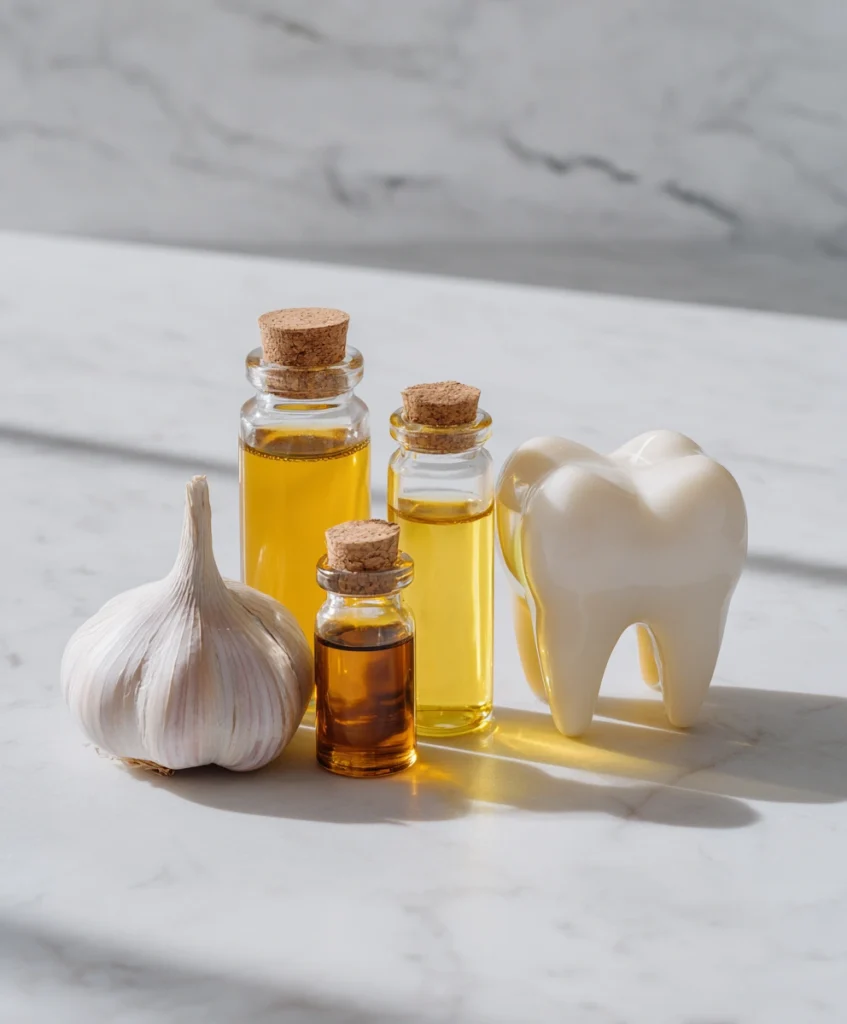
What is the strongest natural antibiotic for tooth infection is a question many people ask when they experience tooth pain, swelling, or discomfort but want to explore natural remedies. Tooth infections are serious conditions caused by bacterial invasion of the pulp, gums, or surrounding tissues, and they often require professional treatment. However, natural antibacterial compounds can sometimes help reduce pain, inflammation, and surface bacteria while waiting for dental care. This article explores the true medical perspective behind natural remedies and evaluates which natural substance can reasonably be considered the strongest natural antibiotic for a tooth infection. Understanding What Is the Strongest Natural Antibiotic for Tooth Infection Before identifying what is the strongest natural antibiotic for tooth infection, it is important to understand what a natural antibiotic actually is. A natural antibiotic is any plant-derived or food-based substance known to have antibacterial, anti-inflammatory, or antiseptic properties. These remedies may support oral health or relieve pain, but they cannot replace professional dental treatment. A tooth infection often involves bacteria inside the pulp or the root canal system—areas where natural substances cannot penetrate. Therefore, while natural antibiotics may reduce symptoms or bacteria at the surface level, they are supportive only, not curative. Garlic – The Top Candidate for What Is the Strongest Natural Antibiotic for Tooth Infection Garlic is frequently mentioned when discussing what is the strongest natural antibiotic for tooth infection. Its effectiveness is linked to allicin, a compound released when garlic is crushed. Allicin exhibits potent antibacterial activity. How Garlic Works How to Use Garlic Crushed fresh garlic may be applied to the gum near the infected tooth. Some mix it with coconut oil to reduce irritation. Limitations of Garlic Garlic is often ranked as the top answer when evaluating what is the strongest natural antibiotic for tooth infection, though it is not a substitute for dental intervention. Clove Oil – Another Strong Option for What Is the Strongest Natural Antibiotic for Tooth Infection Clove oil is one of the most widely used natural dental remedies. It contains eugenol, a natural anesthetic and antibacterial agent. Why Clove Oil Is Effective How to Use Clove Oil A cotton swab dipped in diluted clove oil is applied to the infected area. This can offer significant temporary relief. Limitations of Clove Oil Clove oil is a strong candidate when exploring what is the strongest natural antibiotic for tooth infection due to both its antimicrobial and analgesic effects. Tea Tree Oil and Its Role in What Is the Strongest Natural Antibiotic for Tooth Infection Tea tree oil is a powerful antiseptic with broad antibacterial and anti-inflammatory properties. Benefits How to Use Tea Tree Oil A few drops diluted in warm water can be used as a mouth rinse. It must never be swallowed. Drawbacks Tea tree oil is strong but not the definitive answer to what is the strongest natural antibiotic for tooth infection, although it plays a valuable supporting role. Oregano Oil – A Broad-Spectrum Natural Agent for Tooth Infection Oregano oil contains thymol and carvacrol, compounds known for significant antimicrobial activity. Strengths How to Use Oregano Oil The oil must be diluted with a carrier oil before being applied to the gums. Limitations Oregano oil is a powerful contender when comparing what is the strongest natural antibiotic for tooth infection, but its reach remains superficial. Turmeric and Its Place in What Is the Strongest Natural Antibiotic for Tooth Infection Turmeric contains curcumin, a compound with antimicrobial, antioxidant, and anti-inflammatory properties. Benefits Application A paste made from turmeric and warm water can be applied to the affected area. Limitations Although extremely beneficial, turmeric is not the strongest option when determining what is the strongest natural antibiotic for tooth infection. Salt-Water Rinse – A Classic Supportive Remedy Salt-water rinses are not considered the strongest natural antibiotic, but they are highly effective for symptom relief. Benefits Limitations While not the strongest natural antibiotic, this remedy remains essential and safe for all ages. Evaluating What Is the Strongest Natural Antibiotic for Tooth Infection – Medical Perspective From a medical standpoint, the question “what is the strongest natural antibiotic for tooth infection?” must be answered with caution. Key Facts This means that even the strongest natural antibiotic for tooth infection cannot replace professional treatment. So, What Is the Strongest Natural Antibiotic for Tooth Infection? After evaluating potency, accessibility, and traditional use: ✔ Garlic is the most commonly identified answer to what is the strongest natural antibiotic for tooth infection.It contains potent antibacterial compounds and has been used for centuries to fight infection. ✔ Clove Oil is another major contender, especially because it combines antibacterial power with fast pain relief. ✔ Oregano Oil offers broad-spectrum antimicrobial activity but requires careful dilution. Although these are the strongest natural options, none can fully cure a tooth infection on their own. When to Stop Using Natural Remedies and See a Dentist Seek urgent professional care if you experience: These signs indicate an infection that natural remedies—including the strongest natural antibiotic for tooth infection—cannot control. Final Conclusion In summary, people often ask what is the strongest natural antibiotic for tooth infection in search of accessible and natural relief. Garlic, clove oil, and oregano oil are the strongest natural options, but none of them can replace dental treatment. Natural remedies may reduce pain, inflammation, and surface bacteria, but they cannot reach deep within the tooth where infections develop. The true medical answer is this:Natural antibiotics are supportive, not curative.They can help with symptoms, but a dentist must treat the infection to prevent complications. Written by a Doctor based on medical experience and scientific evidence from medicale articles to help you make informed decisions about What is the strongest natural antibiotic for tooth infection

What is the strongest natural antibiotic for tooth infection Read More »

Vaginal Yeast Infection

Vaginal Yeast Infection: Complete Medical Guide to Causes, Symptoms, Diagnosis, Treatment, and Prevention

A vaginal yeast infection is one of the most common gynecological conditions affecting women of all ages. Although it is generally not dangerous, it can be extremely uncomfortable, disrupt daily activities, affect sexual well-being, and cause emotional distress. Understanding the infection—what causes it, how to treat it, and how to prevent recurrence—is essential for maintaining optimal vaginal health. 1. Introduction A vaginal yeast infection—also known as candidal vulvovaginitis or vaginal candidiasis—is a fungal overgrowth in the vagina caused most commonly by Candida albicans. This yeast normally exists in the vagina along with healthy bacteria, forming part of the natural vaginal ecosystem. Under normal circumstances, these microorganisms live together in harmony. However, when the balance between yeast and bacteria is disrupted, Candida can multiply excessively and trigger an infection. Statistically, vaginal yeast infections are extremely common. Studies estimate that around 75% of women will experience at least one episode during their lifetime, and about 40–45% will experience two or more episodes. A smaller percentage—approximately 5–8%—will suffer from recurrent vaginal yeast infections, defined as four or more infections within a year. Although most infections are mild or moderate, some can become severe, persistent, or resistant to standard treatments. For this reason, understanding the condition is essential for early recognition and effective management. 2. Causes and Risk Factors A vaginal yeast infection occurs when the natural environment of the vagina becomes favorable for fungal overgrowth. The vagina normally maintains a slightly acidic pH (3.8 to 4.5), dominated by beneficial lactobacillus bacteria. Anything that disrupts this delicate balance can allow Candida to grow excessively. Below are the most common causes and risk factors: Antibiotic Use One of the primary triggers for a vaginal yeast infection is recent antibiotic therapy. Antibiotics kill harmful bacteria, but they also reduce the population of protective bacteria in the vagina. When lactobacilli decrease, Candida faces less competition and can grow rapidly. Even short antibiotic courses can trigger infections in susceptible women. Pregnancy and Hormonal Changes Pregnancy is a well-known risk factor due to significantly increased estrogen and progesterone levels. These hormones: For these reasons, pregnant women have higher rates of vaginal yeast infections, especially in the second and third trimesters. Uncontrolled Diabetes Women with poorly controlled diabetes—particularly high blood glucose levels—are more prone to recurrent and severe yeast infections. The excess sugar in the blood and vaginal secretions acts as a direct food source for Candida. Weakened Immune System Any condition or treatment that weakens immunity increases susceptibility, including: A reduced immune response allows Candida to multiply uncontrollably. Tight Clothing and Scented Products Candida thrives in warm, moist environments, making tight synthetic clothing a major risk factor. Examples include: Scented soaps, bubble baths, vaginal deodorant sprays, and douching disrupt the vaginal microbiome, increasing infection risk. Contraceptives High-estrogen birth control pills and certain intrauterine devices (IUDs) may contribute to yeast growth in some women. Sexual Activity While a vaginal yeast infection is not a sexually transmitted infection (STI), friction during intercourse, saliva exposure, or new sexual partners may temporarily alter vaginal flora and lead to symptoms. Other Contributing Factors Recognizing these risk factors can help women identify patterns and prevent recurrence. 3. Symptoms A vaginal yeast infection typically causes very recognizable symptoms that tend to appear suddenly and can be quite intense. Symptoms may vary from mild to severe depending on the level of inflammation and the degree of yeast overgrowth. Vaginal Itching and Burning This is the most common and classic symptom. The itching may be persistent, severe, and disruptive. It often becomes worse at night or during physical activity due to increased friction. Thick, White, Odorless Discharge The discharge associated with a vaginal yeast infection is usually: It is often compared to “cottage cheese” in appearance. Pain or Burning During Urination Inflamed vaginal tissues can cause urine to sting when it comes into contact with irritated skin, producing a burning sensation. Pain During Sexual Intercourse The vagina may feel dry, swollen, or painful during penetration. This symptom—called dyspareunia—is common in moderate or severe infections. Redness, Swelling, and Skin Irritation The vulva may appear red, inflamed, and swollen. Scratching can worsen irritation and may cause small cracks or fissures in the skin. Other Possible Symptoms Some women may also experience: While the symptoms may appear similar to other infections, certain characteristics—such as lack of strong odor—help differentiate a vaginal yeast infection from bacterial vaginosis or STIs. 4. Diagnosis Proper diagnosis is essential because symptoms of a vaginal yeast infection can overlap with other conditions. Misdiagnosis may lead to incorrect treatment, recurrent symptoms, or complications. Clinical Evaluation A healthcare professional performs a pelvic examination to look for signs such as: A medical history is also taken to assess risk factors, recurrence, sexual health, and previous treatments. Vaginal Swab Examination To confirm the diagnosis, the clinician may collect a swab of vaginal discharge. Microscopy Under a microscope, Candida typically appears as budding yeast cells or pseudohyphae—finger-like extensions that indicate active fungal growth. Culture A fungal culture is especially important when: Cultures help identify the exact Candida species, which is crucial because some strains—like Candida glabrata—are more resistant to treatment. Ruling Out Other Conditions Other vaginal conditions can mimic yeast infections, including: If symptoms are unclear, additional tests (pH testing, wet mount, STI testing) ensure the correct diagnosis. 5. Treatment The goal of treatment is to eliminate yeast overgrowth, relieve symptoms, and prevent recurrence. Most cases respond well to antifungal medication. Oral Antifungal Treatment The most commonly prescribed oral medication is fluconazole 150 mg, taken as a single dose.This is highly effective against Candida albicans. For more severe cases, a second dose may be given after 72 hours. Note: Oral fluconazole should be avoided during pregnancy. Topical Antifungal Treatments Creams, ointments, and suppositories inserted into the vagina include: These can be used in 1-day, 3-day, or 7-day treatment regimens, all with similar effectiveness.Topical antifungals are considered the safest option for pregnant women. Treatment for Complicated or Recurrent Infections A vaginal yeast infection is classified as complicated when: Management may include: Symptom

Vaginal Yeast Infection: Complete Medical Guide to Causes, Symptoms, Diagnosis, Treatment, and Prevention Read More »

Best Shampoo for Color-Treated Hair

Best Shampoo for Color-Treated Hair: A Medical and Scientific Guide for Long-Lasting Color and Hair Health

Introduction About Best Shampoo for Color-Treated Hair Coloring the hair—whether with permanent dye, semi-permanent products, bleaching agents, or high-lift formulas—has become one of the most common cosmetic practices worldwide. However, the process of altering hair pigment is not without biological consequences. Chemical coloring affects hair structure, the integrity of the cuticle, and the hydration balance of each strand. For this reason, using the best shampoo for color-treated hair is medically recommended to preserve color longevity, minimize damage, and prevent breakage. The purpose of this article is to provide a scientifically grounded and medically oriented overview of what makes a shampoo suitable for color-treated hair. The information presented here is based in large part on the expert evaluations published on the website Byrdie.com, specifically from their comprehensive review of the best shampoos for colored hair. Their findings, combined with dermatological principles and hair-biology insights, allow us to understand how to protect hair structure after coloring and how to choose shampoos that maintain both color vibrancy and hair health. Understanding What Happens to Color-Treated Hair To choose the best shampoo for color-treated hair, one must first understand the biological changes that occur during the coloring process. 1. Cuticle Disruption The hair cuticle, a protective layer of overlapping cells, is lifted intentionally during coloring. Chemicals such as ammonia or other alkaline agents raise the pH of the hair shaft, opening the cuticle so pigment molecules can penetrate the cortex. Once the cuticle has been lifted, it does not always fully reseal. A raised or damaged cuticle leads to: 2. Oxidative Damage Permanent coloring involves oxidation through hydrogen peroxide. This process removes natural melanin and deposits artificial pigments. Oxidation weakens keratin bonds, reduces tensile strength, and may cause: 3. Moisture Imbalance Chemically treated hair is less capable of retaining moisture because chemical processes disrupt the lipids that normally help hair retain hydration. This results in: 4. Increased Color Loss After Washing Every time color-treated hair is washed, some pigment molecules escape. Harsh surfactants and hot water open the cuticle further, accelerating color loss. This is why dermatologists and trichologists strongly advise using the best shampoo for color-treated hair, formulated specifically to minimize fading. Why You Need a Shampoo Specifically Designed for Color-Treated Hair Regular shampoos often contain sulfates and other strong cleansing agents that remove natural oils and disrupt pigment molecules. In contrast, the best shampoos for color-treated hair are formulated with: These ingredients work together to maintain the structural integrity of hair and prolong color vibrancy. Best Shampoo for Color-Treated Hair: Evidence-Based Choices from Byrdie’s Review The information summarized below is taken from the website Byrdie.com, based on their detailed review of the top shampoos recommended for color-treated hair. Their evaluations serve as a strong foundation for identifying products that combine scientific formulation with real-world performance. 1. K18 Peptide Prep pH Maintenance Shampoo – Best Overall According to Byrdie’s extensive review, this shampoo is considered the best shampoo for color-treated hair overall due to its unique peptide technology and pH-balanced formula. Why It Works Medical Perspective Damaged bonds are one of the leading causes of breakage after coloring. By reinforcing these bonds, hair becomes stronger, smoother, and better able to retain color molecules. 2. Olaplex No. 4 Bond Maintenance Shampoo – Best for Repairing Damage This shampoo is widely recognized in dermatology and cosmetic science for its bond-building properties. Why It Works Medical Perspective Bleached or heavily lightened hair suffers the most oxidative damage. Bond-restoring shampoos like this one are crucial for restoring strength and preventing future breakage. 3. Color Wow Color Security Shampoo – Best for Shine and Smoothness This product is ideal for people who want lightweight, residue-free cleansing. Why It Works Medical Perspective Some conditioning ingredients can accumulate on fragile, color-treated hair and cause dullness. A shampoo that cleans without buildup helps color reflect light better, making hair look vibrant and glossy. 4. Amika Bust Your Brass Shampoo – Best for Blonde Hair Blonde and bleached hair often experiences brassiness due to natural oxidation. This purple shampoo neutralizes yellow or orange undertones. Why It Works Medical Perspective Blonde hair, especially after bleaching, is extremely porous. It needs gentle color correction combined with moisture retention, and this shampoo achieves both. 5. Pureology Strength Cure Shampoo – Best for Long-Term Color Maintenance Pureology is known for gentle, sulfate-free formulas ideal for preserving color. Why It Works Medical Perspective Oxidative stress from UV exposure and heat styling accelerates color fading. Antioxidant-rich shampoos help counteract environmental damage. 6. Oribe Gold Lust Repair & Restore Shampoo – Best Luxury Option For severely damaged or over-processed hair, this premium shampoo provides deep repair. Why It Works Medical Perspective Over-processed hair often has extensive cuticle lift and protein loss. A reparative formula like this helps restore the protective barrier and reduce breakage. Medical and Scientific Criteria for Choosing the Best Shampoo for Color-Treated Hair Even though the Byrdie review provides trusted recommendations, choosing the best shampoo for color-treated hair should follow medically sound principles. 1. Choose Sulfate-Free Formulas Sulfates such as SLS and SLES create strong lather but strip essential oils and pigment. Sulfate-free shampoos use milder surfactants that cleanse without opening the cuticle excessively. 2. Look for Bond-Repair Ingredients Coloring weakens disulfide and hydrogen bonds in the hair shaft. Ingredients that help restore them include: These ingredients maintain hair strength and reduce breakage. 3. pH-Balanced Shampoos Are Essential The ideal shampoo pH for color-treated hair is slightly acidic (around 4.5–5.5). This helps: High-pH shampoos can accelerate fading. 4. Prefer Moisturizing Formulas Color-treated hair loses moisture easily. Shampoo ingredients that help restore hydration include: Hydration is key to preventing breakage and dryness. 5. Avoid Heavy Buildup Some shampoos contain heavy silicones or waxes, which can weigh hair down and dull the color. Lightweight formulations help maintain shine and movement. Additional Care Tips to Preserve Color-Treated Hair Selecting the best shampoo for color-treated hair is only part of the maintenance routine. Dermatologists recommend several additional habits to protect color and hair health. 1. Wash Less Frequently Frequently

Best Shampoo for Color-Treated Hair: A Medical and Scientific Guide for Long-Lasting Color and Hair Health Read More »

low porosity hair products

Low Porosity Hair Products: A Complete Medical Guide to Choosing the Right Care

Understanding hair porosity is essential for choosing the right hair-care routine. Among all porosity types, low porosity hair is one of the most misunderstood. This hair type has a tightly packed cuticle layer, making it naturally resistant to absorbing moisture, oils, and cosmetic treatments. For that reason, using the correct low porosity hair products is crucial. The wrong routine can lead to dryness, buildup, dullness, and frustration, while the right routine transforms hair into soft, hydrated, manageable strands. This comprehensive medical-based guide explains what low porosity hair is, why it behaves differently, and how to choose the best low porosity hair products to hydrate and nourish it effectively. What Is Low Porosity Hair? Hair porosity refers to the hair’s ability to absorb and retain moisture. This depends entirely on the condition and shape of the cuticle layer. In low porosity hair, the cuticles lie flat, smooth, and tightly closed. While this may protect the hair from external damage, it also prevents hydration from entering the hair shaft. As a result, many people with low porosity hair report symptoms such as: Because the cuticle is naturally resistant, traditional moisturizers and oils often fail to penetrate. That is why selecting the proper low porosity hair products makes all the difference. Why Porosity Matters for Product Selection For high-porosity hair, heavy creams and thick oils can restore hydration easily. But for people with low porosity hair, these products become a problem. The tightly sealed cuticle traps these products on the outside instead of letting them in, causing residue, heaviness, and flaking. Low porosity hair needs a different approach: Dermatologically, low porosity hair is not a disease or deficiency. It is simply a structural characteristic. But using incorrect products can create secondary issues such as breakage, irritation, and chronic dryness. Therefore, using the proper low porosity hair products is essential for healthy hair maintenance. How to Identify Low Porosity Hair Before investing in low porosity hair products, it is important to confirm whether this is your hair type. Common signs include: If these symptoms match your experience, your hair likely needs low porosity hair products specifically formulated for this structure. Scientific Causes of Low Porosity Hair Low porosity hair is usually genetic. It is common among people with naturally straight or wavy hair, but can also appear in curly or coily hair. Unlike high porosity hair, which often results from chemical or mechanical damage, low porosity hair is rarely caused by external factors. However, certain conditions can make low porosity hair even more resistant: For this reason, using appropriate low porosity hair products helps avoid creating an even tighter barrier. Essential Features of Good Low Porosity Hair Products To hydrate low porosity hair effectively, products must overcome the resistance of the cuticle. The best low porosity hair products usually include the following characteristics: 1. Lightweight Formulas Low porosity hair cannot absorb heavy creams or thick oils. Lightweight, water-based formulas are far more effective. 2. Humectants Ingredients like glycerin, honey, panthenol, and hyaluronic acid help attract moisture into the hair shaft. 3. Heat-Friendly Conditioners Deep conditioners formulated for low porosity hair are designed to be used with steam or mild heat to improve absorption. 4. Minimal Protein Protein treatments make hair stronger, but low porosity hair often becomes too stiff or dry when over-proteinized. Light proteins are fine, but heavy protein masks should be rare. 5. Clarifying Support Because low porosity hair traps residue, clarifying shampoos are an essential part of a healthy routine. Selecting low porosity hair products with these features ensures that hydration penetrates instead of sitting on the surface. Best Types of Low Porosity Hair Products Below is a practical breakdown of the categories of low porosity hair products recommended by dermatologists and trichologists: 1. Clarifying Shampoos Used once every 2–4 weeks, clarifying shampoos remove buildup and mineral deposits. This “resets” the hair so that other products can absorb better. 2. Lightweight Moisturizing Conditioners Light, water-based conditioners penetrate the cuticle faster and prevent heaviness. 3. Deep Conditioners With Heat Activation These low porosity hair products work best when paired with a heated cap, warm towel, or steamer. Heat temporarily lifts the cuticle, allowing active ingredients to enter. 4. Leave-In Conditioners Choose mist-type or liquid leave-ins instead of buttery creams. These provide hydration without coating the hair. 5. Lightweight Oils Oils like argan, grapeseed, sunflower, and sweet almond oil are ideal. Heavy oils and butters such as coconut oil, castor oil, or shea butter often sit on the surface and cause buildup. 6. Heat Protectants For people who use blow-dryers or straighteners, a lightweight heat protectant prevents damage without adding residue. Complete Routine Using Low Porosity Hair Products Here is an evidence-based routine to maximize moisture absorption: Step 1: Monthly Clarifying Use a clarifying shampoo to remove residue, styling product buildup, pollutants, and mineral deposits. This step ensures that low porosity hair products penetrate effectively. Step 2: Gentle Shampooing Follow with a mild sulfate-free shampoo to maintain scalp health without stripping natural oils. Step 3: Deep Conditioning With Heat Apply a deep conditioner formulated for low-porosity hair. Wrap the hair in a warm towel or use a heated cap. The heat slightly lifts the cuticle, allowing the conditioner to move inside the hair shaft. Step 4: Lightweight Leave-In Spray or apply a small amount of light leave-in conditioner. This step ensures hydration without heaviness. Step 5: Seal With Light Oil A few drops of a lightweight oil lock in the moisture provided by previous low porosity hair products. Step 6: Minimal Styling Products Avoid gels, pomades, and hair butters unless absolutely necessary. Low porosity hair becomes easily weighed down. Step 7: Weekly Monitoring Observe how the hair feels. If stiffness develops, reduce protein. If heaviness appears, clarify sooner. The correct use of low porosity hair products adapts over time. What to Avoid With Low Porosity Hair Avoiding the wrong products is as important as choosing the right ones. For best results, limit or avoid: These types of products block absorption and prevent

Low Porosity Hair Products: A Complete Medical Guide to Choosing the Right Care Read More »

how long does a root canal take

How Long Does a Root Canal Take? A Complete Medical & Scientific Guide

When patients ask: “Doctor, how long does a root canal take?”, the answer is not always simple or universal. Root canal duration depends on tooth anatomy, infection severity, number of canals, and the dentist’s technique. Based on scientific literature, dental textbooks, and real clinical cases, this article explains everything patients should know about the timing of a root canal — and includes insights from my personal medical experience treating patients with dental infections. 1. What Is a Root Canal and Why Does Time Matter? A root canal, medically known as endodontic therapy, is a procedure where the dentist removes infected or inflamed pulp from inside the tooth. The dentist cleans the canals, shapes them, disinfects the interior space, and fills and seals the root so bacteria cannot re-enter. For many patients, the most stressful part is not the pain — modern anesthesia prevents that — but the uncertainty around timing. Knowing how long does a root canal take allows patients to plan their day, manage anxiety, and understand what to expect. As a doctor, I often meet patients in the emergency room complaining of dental pain or swelling. One of the first things they ask after hearing they may need treatment is exactly this question: “How long does a root canal take?” They want reassurance, clarity, and a realistic timeline. 2. General Time Estimate: How Long Does a Root Canal Take? Most root canals take between 60 minutes and 180 minutes depending on the complexity. Simple teeth may require just one visit; more complicated teeth may require two or even three appointments. Here is the typical breakdown: The average answer to how long does a root canal take is therefore about 90 minutes, but many factors influence this. 3. The Science Behind Root Canal Duration Scientific studies and endodontic guidelines highlight several factors that affect the time needed for the procedure: a) Number of roots and canals This is the leading factor influencing how long does a root canal take. b) Tooth anatomy variations Curved canals, branched canals, or narrow canals require extra time for cleaning and shaping. c) Infection severity A tooth with an abscess or a long-standing infection takes longer because: d) Retreatment A tooth that previously had root canal therapy and failed takes far longer due to scar tissue and blocked canals. e) Crown placement If a crown is done on the same day, add 30–60 minutes. f) Operator skill and tools Endodontic specialists use: This often reduces the duration but increases precision. As a doctor, I also note that medically compromised patients (diabetes, immune disorders, inability to open the mouth well) may require more breaks, which impacts how long does a root canal take in real practice. 4. Step-by-Step: What Makes a Root Canal Take Time? Understanding the procedure helps patients see why timing varies. Here is what happens during an appointment: 1. Examination and X-rays – 10 to 20 minutes Diagnosis, anesthesia planning, and identifying the number of canals. 2. Local anesthesia – 5 to 10 minutes Numbing the tooth fully. 3. Isolation with rubber dam – 2 to 5 minutes This keeps the tooth sterile. 4. Opening the tooth and removing infected pulp – 10 to 30 minutes If infection is severe, this step can take longer. 5. Cleaning, shaping, and disinfection – 20 to 60 minutes The most time-consuming part of the procedure. 6. Filling the canals – 10 to 30 minutes Sealing prevents reinfection. 7. Final restoration (temporary or permanent filling) – 5 to 20 minutes 8. Crown (if placed the same day) – add 20 to 60 minutes When patients ask how long does a root canal take, these steps explain why the timing varies so widely. 5. Tooth Type Matters: How Long Does a Root Canal Take for Each Tooth? a) Front Teeth (Incisors & Canines) b) Premolars c) Molars So when discussing how long does a root canal take, the question must always include which tooth. 6. Single Visit vs. Multiple Visit Root Canals Some patients complete everything in one day. Others return for a second appointment. The decision depends on: Single Visit Multiple Visits A patient receiving a two-visit procedure may ask again: “How long does a root canal take in total?”The answer is usually two sessions of 45–90 minutes each. 7. My Clinical Experience as a Medical Doctor Although dentists perform root canals, I often manage the systemic consequences of dental infections. In emergency departments, I have treated patients with: Many of these patients end up needing a root canal. I always explain to them: “A root canal is not a quick 10-minute procedure. For most people, how long does a root canal take depends on the tooth, infection, and the dentist’s approach. Expect around 90 minutes, and if the tooth is a molar, possibly 2 hours or more.” From observing dental colleagues in clinical settings, I have learned: In medicine, we always say: good treatment takes good time. Root canals follow this rule. 8. Recovery Time: What Happens After the Root Canal? Even after asking how long does a root canal take, patients also want to know recovery time. Typical recovery: Infection cases may require antibiotics, rest, and additional follow-up appointments. 9. Patient Tips: Preparing for a Root Canal Appointment When patients ask me how long does a root canal take, I also give practical preparation tips: ✔ Plan at least 2 hours This includes procedure time plus preparation and recovery. ✔ Ask the dentist if a crown will be done the same day Crowns add extra time. ✔ Eat before the appointment Your mouth will be numb afterward. ✔ Take pain medication if recommended Dentists often advise ibuprofen post-procedure. ✔ Rest the tooth afterward Chew on the opposite side. Understanding the timing helps reduce anxiety and improves cooperation during the procedure. 10. Final Answer: How Long Does a Root Canal Take? To summarize clearly: The most accurate answer to how long does a root canal take is: 👉 Between 60 and 180 minutes, depending

How Long Does a Root Canal Take? A Complete Medical & Scientific Guide Read More »

Cosmetic Dental Bonding

Cosmetic Dental Bonding: A Doctor’s Guide to a Fast, Natural-Looking Smile Upgrade

Cosmetic dental bonding is one of the quickest, most conservative ways to repair chips, close small gaps, disguise discoloration, and refine tooth shape without drilling away healthy enamel. In a single visit, your dentist sculpts a tooth-colored composite resin directly onto your tooth, hardens it with a curing light, and polishes it to blend seamlessly with your smile. Because cosmetic dental bonding typically requires little to no anesthesia and preserves natural tooth structure, many people choose it as a first-line cosmetic solution before considering veneers or crowns. As a medical doctor who counsels patients about procedures that impact overall health, I appreciate how cosmetic dental bonding delivers aesthetic improvement with minimal biological cost. In my practice, I often coordinate with dental colleagues when a patient’s oral health intersects with pregnancy, chronic disease, or medication use. Time and again, I’ve seen cosmetic dental bonding restore confidence quickly—especially for patients who need an affordable, conservative option while they plan long-term dental work. What Exactly Is Cosmetic Dental Bonding? Cosmetic dental bonding uses a tooth-colored composite resin placed directly on enamel or dentin. The dentist conditions the tooth surface, applies an adhesive, then layers and sculpts the resin to reproduce natural contours. After curing with a blue light, the restoration is shaped and polished for a lifelike sheen. The same composite family is also used for many restorative fillings, which speaks to its versatility and safety in the mouth. Modern adhesive systems are highly engineered. Enamel bonds are micromechanical—etching creates micro-porosities that “lock” resin in—while dentin bonds must navigate a moist, collagen-rich structure. Ongoing innovations like universal adhesives and improved monomers continue to strengthen the resin–tooth interface and reduce sensitivity. When Cosmetic Dental Bonding Makes Sense You might be an excellent candidate for cosmetic dental bonding if you want to: Your dentist will also screen for gum disease, active decay, or bite problems—issues that should be treated first so the bonding lasts and looks good. Doctor’s note: In patients with enamel discolorations (fluorosis or early erosion), dentists sometimes pair cosmetic dental bonding with enamel microabrasion or selective bleaching for the most natural result. Microabrasion removes superficial defects; bonding then fine-tunes color and shape. Advantages of Cosmetic Dental Bonding Because cosmetic dental bonding is added to the tooth rather than replacing structure, it’s a smart “step-one” solution for many cosmetic concerns. Limitations You Should Know No single procedure solves every problem. Cosmetic dental bonding: For extensive smile makeovers or heavy bite forces, porcelain veneers or orthodontics may be recommended instead. How Long Does Dental Bonding Last? In everyday practice, cosmetic dental bonding typically lasts 3–10 years, depending on case selection, bite forces, diet, oral hygiene, and follow-up care. Small edge repairs in a low-stress area might exceed that range; large reshaping in a heavy grinder may sit at the lower end unless a nightguard is used. Doctor’s note: I advise patients to think of cosmetic dental bonding like a favorite white shirt: beautiful, affordable, and easy to wear—just plan for periodic cleanings, occasional touch-ups, and be mindful with coffee, tea, wine, or smoking to keep it bright. What to Expect During the Appointment Most patients resume normal activities immediately after cosmetic dental bonding, with only brief sensitivity if any. Care and Maintenance Tips These habits significantly extend the life and beauty of cosmetic dentall bonding. Cost: What Most People Pay Fees vary by location, tooth, and complexity. A realistic range for cosmetic dental bonding is about $300–$600 per tooth. Some practices charge less for small repairs and more for complex multi-surface work. Many dental plans consider bonding cosmetic and do not cover it, so confirm before treatment. Doctor’s note: If you’re budgeting for a multi-tooth smile line, ask your dentist about staging—two or three key teeth first—so you can confirm shade and shape before continuing. Cosmetic Dental Bonding vs. Composite Veneers vs. Porcelain Veneers Your dentist will tailor recommendations to your goals, bite, and budget. My Medical Perspective: Whole-Person Benefits From a physician’s standpoint, smiles matter for social confidence, mental health, and professional life. I’ve seen patients who avoided photos for years light up after cosmetic dental bonding closed a gap or repaired a chipped incisor. For pregnant patients or those managing chronic illness, we coordinate timing and materials with their broader care plan. Because cosmetic dental bonding is fast, conservative, and reversible, it’s often ideal when we want a safe, morale-boosting improvement without complex dental or surgical commitments. At the same time, I remind patients that cosmetic dental bonding complements—not replaces—foundational oral health: regular cleanings, cavity prevention, and bite management. When those pillars are strong, bonded esthetics looks better and lasts longer. Frequently Asked Questions Who Should Consider Cosmetic Dental Bonding Now? Choose cosmetic dental bonding if you want a conservative, budget-friendly fix for one to four front teeth—chips, edges, or small gaps—without a major prosthetic commitment.Avoid or delay it if you have gum disease, active decay, or severe bite imbalance until those are corrected. Key Takeaways Final Word from a Doctor If you’ve been hesitating to fix that small chip or close a gap, cosmetic dental bonding is an elegant, conservative place to start. Ask your dentist for a shade analysis and mock-up so you can preview the result. With good care and realistic expectations, cosmetic dental bonding can refresh your smile—and your confidence—without over-treating your teeth. Written by a Doctor based on medical experience and scientific evidence to help you make informed decisions about Cosmetic dental bonding

Cosmetic Dental Bonding: A Doctor’s Guide to a Fast, Natural-Looking Smile Upgrade Read More »