

pregnancyfollowup.com

Third Trimester

Can You Get an MRI While Pregnant

Can You Get an MRI While Pregnant : 5 Powerful Safety Facts Every Expectant Mother Should Know

Introduction About Can You Get an MRI While Pregnant Pregnancy is a time when medical decisions must carefully balance maternal health with fetal safety. Diagnostic imaging is sometimes necessary to evaluate symptoms, confirm diagnoses, or guide treatment. When this happens, many expectant mothers ask an important question: can you get an MRI while pregnant? Magnetic resonance imaging (MRI) is widely used in modern medicine because it produces detailed images of soft tissues without using ionizing radiation. This makes it particularly relevant in pregnancy, where radiation exposure is generally avoided whenever possible. Despite its advantages, concerns remain about whether MRI could pose risks to the developing fetus. This article provides a comprehensive, evidence-based explanation of Can You Get an MRI While Pregnant , including how MRI works, what scientific studies show about safety, when it is medically indicated, trimester considerations, contrast use, and practical precautions. The aim is to offer clear, trustworthy guidance for both patients and healthcare professionals. What Is an MRI and How Does It Work? Magnetic resonance imaging is a diagnostic technique that uses strong magnetic fields and radiofrequency waves to generate detailed images of organs and tissues inside the body. Unlike X-rays or CT scans, MRI does not involve ionizing radiation. During an MRI scan, the patient lies on a movable table that slides into a cylindrical scanner. The magnetic field aligns hydrogen atoms in the body, and radio waves create signals that are converted into images by a computer. These images are especially useful for evaluating the brain, spine, abdomen, pelvis, and soft tissues. Because it avoids radiation exposure, MRI while pregnant is often considered a safer imaging option compared to techniques that rely on X-rays, especially when detailed anatomical information is required. Is MRI While Pregnant Safe? What Scientific Evidence Shows Extensive research over several decades has not demonstrated harmful effects of MRI without contrast on the fetus. Large observational studies comparing pregnancy outcomes in women who underwent MRI with those who did not have found no increase in miscarriage, congenital malformations, growth restriction, or long-term developmental problems. Based on available data, MRI while pregnant is considered safe when performed without contrast and when there is a clear medical indication. This conclusion is supported by radiology, obstetrics, and maternal-fetal medicine experts worldwide. Theoretical Risks and Why They Remain Unproven Although no proven harm has been identified, some theoretical concerns are often discussed: Importantly, these concerns remain theoretical, and real-world clinical evidence has not confirmed associated risks. For practical nutrition guidance that supports both maternal health and fetal development, you may find our detailed guide on iron-rich foods during pregnancy especially helpful. MRI While Pregnant Compared With Other Imaging Methods When imaging is needed during pregnancy, healthcare providers select the modality that offers the most information with the least risk. MRI provides superior soft-tissue contrast without radiation, making it particularly valuable for evaluating complex maternal or fetal conditions. When Is MRI While Pregnant Recommended? MRI is not performed routinely during pregnancy, but it becomes essential in specific clinical situations. Common indications include: In these scenarios, Can You Get an MRI While Pregnant can provide critical diagnostic information that directly influences medical management and outcomes. To better understand the less typical presentations of pregnancy-related conditions, we explore this important topic further in our in-depth article on preeclampsia without high blood pressure. Trimester Considerations for MRI During Pregnancy First Trimester The first trimester is a sensitive period because major fetal organs are developing. Although studies have not shown harm from MRI in early pregnancy, clinicians often avoid non-urgent imaging during this stage as a precaution. However, if a serious maternal or fetal condition requires immediate evaluation, MRI while pregnant may still be performed in the first trimester when the diagnostic benefit outweighs theoretical concerns. Second and Third Trimesters MRI is more commonly used during the second and third trimesters. At these stages, fetal anatomy is more developed, and MRI is frequently used to assess fetal structures, placental position, or maternal conditions requiring urgent diagnosis. If you are experiencing physical discomfort as your body changes, our complete resource on tailbone pain during pregnancy offers clear explanations and relief strategies. Contrast Use and MRI While Pregnant Not all MRI examinations require contrast. When contrast is used, a gadolinium-based agent is injected intravenously to improve image clarity. Is Gadolinium Safe in Pregnancy? Gadolinium can cross the placenta and reach the fetus. Some studies suggest a possible association between gadolinium exposure during pregnancy and rare adverse outcomes. For this reason, contrast agents are not routinely recommended during pregnancy. Gadolinium is considered only when: Whenever contrast is considered for Can You Get an MRI While Pregnant , informed consent and careful clinical judgment are essential. Safety Measures During MRI While Pregnant To ensure safety and comfort, imaging teams typically follow several precautions: Pregnant patients should always inform the radiology team about their pregnancy before undergoing MRI. Common Myths About Can You Get an MRI While Pregnant Can You Get an MRI While Pregnant Myth: MRI exposes the baby to radiationMRI does not use ionizing radiation. Myth: MRI always causes fetal harmThere is no scientific evidence showing harm from non-contrast MRI during pregnancy. Myth: MRI should never be done early in pregnancyMRI can be performed in any trimester when medically necessary. Myth: MRI noise damages fetal hearingStudies have not demonstrated fetal hearing injury from MRI exposure. What to Expect During MRI While Pregnant The experience of MRI while pregnant is similar to that of non-pregnant patients: Some women may feel anxious or uncomfortable, especially in late pregnancy. Communicating concerns beforehand can help improve comfort during the procedure. Clinical Decision-Making The decision to perform MRI while pregnant is always individualized. Healthcare providers consider: When MRI is recommended, it is because the benefits of accurate diagnosis clearly outweigh any theoretical risks. FAQ About Can You Get an MRI While Pregnant To ensure accuracy and clinical reliability, this content draws on evidence-based resources and internationally recognized medical references. Conclusion About Can You Get an MRI While

Can You Get an MRI While Pregnant : 5 Powerful Safety Facts Every Expectant Mother Should Know Read More »

Can You Get a Tooth Pulled While Pregnant

Can You Get a Tooth Pulled While Pregnant? A Medical and Safety-Focused Guide

Introduction About Can You Get a Tooth Pulled While Pregnant Pregnancy is a time of important physiological changes that affect nearly every system in a woman’s body, including oral health. Hormonal fluctuations, dietary changes, and increased blood flow to the gums can all contribute to dental problems. When dental pain becomes severe or infection develops, many pregnant women ask an essential question: can you get a tooth pulled while pregnant? This concern is understandable. Expectant mothers want to avoid anything that could harm their baby, including medical or dental procedures. However, modern medical evidence shows that avoiding necessary dental care may pose greater risks than receiving appropriate treatment. This article provides a complete medical explanation of when and why you can get a tooth pulled while pregnant, how it is done safely, and what precautions should be taken. Why Dental Problems Increase During Pregnancy Pregnancy hormones such as estrogen and progesterone increase blood flow to the gums and alter the body’s inflammatory response. As a result, pregnant women are more likely to develop gum swelling, bleeding, and sensitivity. These changes may allow bacteria to multiply more easily in the mouth. Additionally, nausea and vomiting can expose teeth to stomach acid, weakening enamel and increasing the risk of cavities. Dietary cravings and frequent snacking may further contribute to tooth decay. When these issues progress untreated, pain or infection may occur, leading patients to ask whether can you get a tooth pulled while pregnant without risking fetal health. Understanding Tooth Extraction During Pregnancy Tooth extraction is a dental procedure performed when a tooth is severely damaged, infected, or cannot be preserved with conservative treatment. During pregnancy, the decision to remove a tooth is based on medical necessity rather than convenience. Healthcare providers agree that treating pain and infection is essential for maternal health. Untreated dental infections can spread beyond the mouth, increase systemic inflammation, and negatively impact pregnancy. For this reason, can you get a tooth pulled while pregnant is not a question of permission, but of timing, safety, and medical indication. Is It Safe to Get a Tooth Pulled While Pregnant? From a medical perspective, the answer is yes. Extensive clinical experience and research confirm that you can get a tooth pulled while pregnant when proper precautions are followed. Dental extractions are considered safe because: In contrast, delaying treatment of an infected tooth can lead to fever, abscess formation, and systemic illness, which may pose a higher risk to pregnancy outcomes. For more insight into essential supplements that support both maternal and fetal health, you can read our detailed guide on the role of fish oil during pregnancy Best Timing for Tooth Extraction During Pregnancy Although can you get a tooth pulled while pregnant applies to all stages, the timing of the procedure matters. First Trimester The first trimester is when fetal organs are developing. Elective dental procedures are usually postponed during this period. However, if a woman experiences severe pain or infection, you can get a tooth pulled while pregnant in the first trimester when medically necessary. Second Trimester The second trimester is considered the safest period for dental treatment. The fetus is more stable, and the mother can tolerate dental positioning more comfortably. Most planned extractions are ideally performed during this stage, reinforcing that can you get a tooth pulled while pregnant is best answered with “yes, especially in the second trimester.” Third Trimester In late pregnancy, prolonged procedures may be uncomfortable, and lying flat can cause dizziness or low blood pressure. However, emergency extractions are still possible. If infection or severe pain exists, you can get a tooth pulled while pregnant even in the third trimester. If you’re also concerned about protecting your skin safely while pregnant, our guide on pregnancy-safe sunscreen explains what ingredients to look for and avoid Anesthesia Use During Tooth Extraction Anesthesia is one of the main concerns for pregnant patients. Fortunately, dental anesthesia has been extensively studied. Local Anesthesia Local anesthetics such as lidocaine are considered safe during pregnancy. They act at the site of injection and have minimal systemic absorption. When used correctly, they do not harm the fetus. Therefore, you can get a tooth pulled while pregnant using local anesthesia safely. Sedation and General Anesthesia Sedation and general anesthesia are generally avoided unless absolutely necessary. These methods require specialized medical oversight and are reserved for complex situations. This article draws on trusted medical insights and clinical guidance from reputable external sources, including the following references Dental X-Rays and Pregnancy Safety Tooth extraction may require imaging to assess the tooth’s roots or surrounding bone. While radiation exposure is often a concern, dental X-rays use extremely low doses. When protective shielding is used, the risk to the fetus is negligible. Imaging should only be done when clinically necessary. The need for an X-ray does not mean you must delay care, and can you get a tooth pulled while pregnant remains yes when proper protection is applied. When Tooth Extraction Is Medically Necessary A pregnant woman should not ignore dental symptoms such as: In these situations, delaying care can worsen the condition. Medical professionals agree that you can get a tooth pulled while pregnant to prevent serious complications. Many women also wonder about beauty treatments during pregnancy, and our article on whether you can color your hair while pregnant addresses this topic in detail Potential Risks and How They Are Managed All surgical procedures carry some degree of risk, but dental extraction risks during pregnancy are generally low. Possible risks include mild pain, swelling, or temporary discomfort. These are usually manageable with appropriate aftercare. Importantly, untreated dental disease may pose greater risks than the extraction itself. This reinforces the conclusion that can you get a tooth pulled while pregnant should be answered based on medical need, not fear. To ensure accuracy and evidence-based information, this content has been informed by well-established external medical resources cited below Coordination Between Dentist and Obstetrician To ensure safety, dentists and obstetricians should work together. Pregnant patients should

Can You Get a Tooth Pulled While Pregnant? A Medical and Safety-Focused Guide Read More »

Laser Hair Removal During Pregnancy

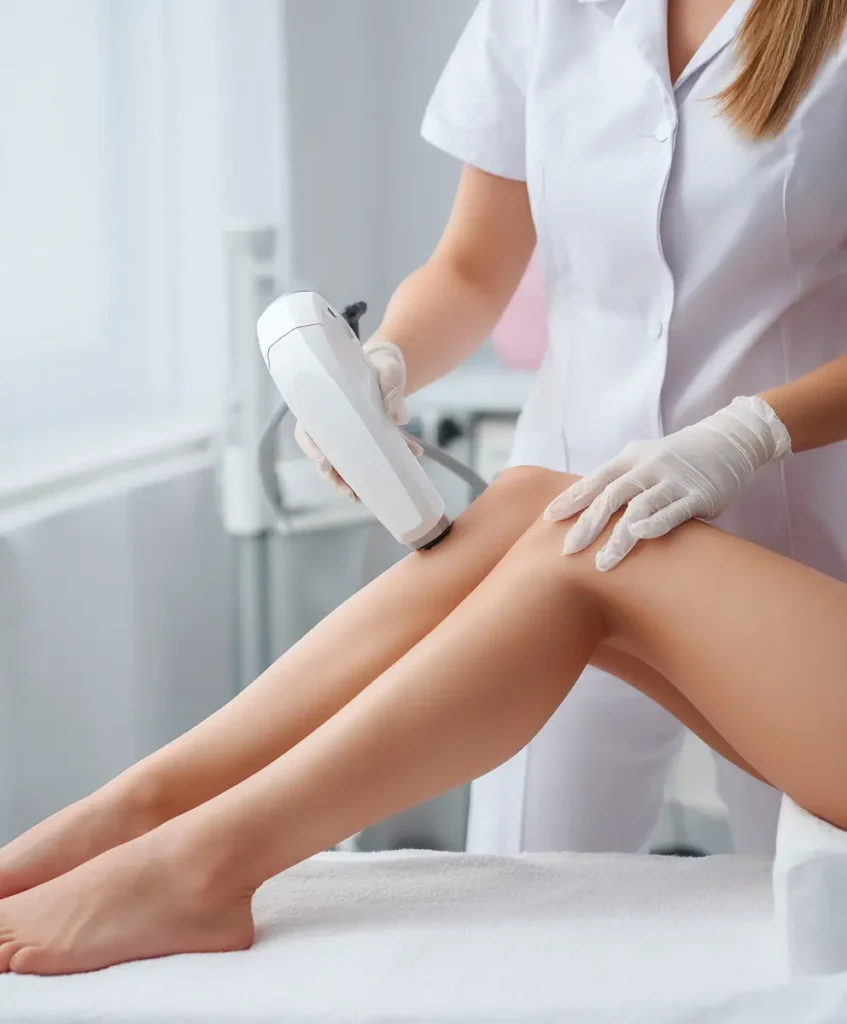
Laser Hair Removal During Pregnancy: Safety, Risks, and Alternatives

1. Introduction About laser hair removal during pregnancy Modern aesthetic medicine has made permanent hair reduction increasingly accessible, and laser hair removal has become one of the most requested cosmetic procedures across the world. The treatment uses concentrated light energy to target hair follicles and inhibit future hair growth. Women commonly seek laser hair removal on the face, arms, bikini line, and legs. With the global rise of aesthetic trends and social media beauty standards, many women who conceive in the middle of treatment programs begin to wonder whether continuing laser sessions is safe. The real question many ask in medical clinics is simple: Is laser hair removal during pregnancy safe for the mother and baby? Despite its popularity, laser therapy during pregnancy remains a gray scientific zone. Pregnant women experience significant hormonal changes that affect the skin, hair, and overall sensory perception. At the same time, there is a lack of clinical research evaluating the effects of laser energy on fetal development. As healthcare professionals, it is essential to balance patient comfort with rigorous medical caution. This article provides an evidence-based, expert review of laser hair removal during pregnancy, including biological mechanisms, physiological changes, potential risks, alternatives, and clinical recommendations for pregnant patients. 2. Mechanism of Laser Hair Removal Laser hair removal works through a principle called selective photothermolysis. A device emits a concentrated beam of light that is absorbed by melanin inside the hair shaft. This light converts into heat, damaging the hair follicle and slowing or preventing future growth. The surrounding skin remains mostly unaffected when performed correctly. Common laser types used include: Importantly, laser hair removal works locally. The energy does not travel through the bloodstream or reach internal organs. There is no known systemic absorption. Theoretically, this suggests that laser hair removal during pregnancy should not physically harm the fetus. However, in medicine, the absence of proven harm does not equal safety. Without controlled studies, healthcare professionals cannot declare a procedure risk-free. 3. Physiological Changes in Pregnancy Affecting Laser Results Pregnancy causes profound hormonal changes, especially increases in estrogen and progesterone. These hormones affect every layer of the skin and hair cycle. Understanding these effects explains why clinicians often advise postponing laser hair removal during pregnancy. A. Skin Pigmentation Pregnant patients frequently experience: Laser treatment on hyperpigmented skin increases risk of: Because pigmentation is less stable during pregnancy, even lasers safe for dark skin types may cause unpredictable reactions. B. Skin Sensitivity Pregnancy increases blood flow to the skin and raises inflammation sensitivity. Patients who normally tolerate laser energy may suddenly experience: For some women, even shaving or waxing feels more painful during pregnancy. Laser hair removal during pregnancy is therefore often more uncomfortable and irritating than usual. C. Hair Growth Patterns Paradoxically, hair growth may increase in pregnancy. Many women suddenly notice thicker or darker hair: Treating these areas with a laser is tempting, but these hormonal hairs often fall out naturally after childbirth, making treatment unnecessary. 4. What Does the Research Say? The major challenge in discussing laser hair removal during pregnancy is the lack of scientific studies. Controlled research on pregnant women is difficult because it raises ethical concerns. No medical ethics committee would expose developing embryos to unnecessary procedures just to prove safety. Therefore, most evidence is indirect. Available points: Despite these reassuring factors, medical science cannot claim absolute safety. For this reason, obstetric and dermatology guidelines usually recommend avoiding laser hair removal during pregnancy purely out of precaution. FDA Status The U.S. Food and Drug Administration classifies cosmetic lasers as aesthetic devices, not medical treatments for disease. Because they are cosmetic, manufacturers are not required to conduct pregnancy safety studies. This regulatory gap reinforces a conservative clinical approach. 5. Expert and Medical Recommendations American Pregnancy Association The American Pregnancy Association states that there is insufficient data to confirm safety. It advises pregnant women to postpone laser hair removal until after delivery. For patients who insist on proceeding, the organization recommends avoiding the abdomen and breasts, especially in late pregnancy. Dermatologists and Medical Spas Most dermatologists refuse elective cosmetic laser treatment on pregnant patients because: Well-trained cosmetic clinics ask patients if they are pregnant before treating them. Many request written consent and require physician clearance. Aesthetic centers that treat pregnant women without caution face ethical and legal risks. Ambasada Urody Clinic Insights Clinical reports from professionals also state: Although contractions are not caused by laser energy itself, extreme discomfort can stimulate tension or vasovagal reactions, especially in the third trimester. 6. Potential Risks of Laser Hair Removal During Pregnancy Even without proven harm to fetuses, there are real risks for the mother. A. Skin Burns and Pigment Changes Melasma and unstable melanin levels make laser therapy risky. Pregnant skin reacts faster and more aggressively to heat. After treatment, some women may develop: These cosmetic complications may be permanent. B. Increased Pain and Emotional Stress Pregnant patients have lower pain tolerance. A normally easy session can become uncomfortable or traumatic. Stress hormones, including cortisol, rise in response to pain. Although not directly dangerous, this stress is unnecessary during pregnancy. C. Lack of Medical Necessity Laser hair removal is cosmetic, not therapeutic. Any elective procedure performed during pregnancy must prove that benefits outweigh risks. In this case, there is no medical advantage, while skin reaction risks clearly increase. D. Theoretical Uterine Stimulation Although unproven, some clinicians worry that the discomfort of laser pulses near the abdomen could trigger mild uterine tightening in late pregnancy due to reflex responses or muscle tension. Because of all these factors, most experts recommend postponing laser hair removal during pregnancy. 7. Alternatives to Laser Hair Removal During Pregnancy Women may feel frustrated by increased hair growth during pregnancy, but safe alternatives exist. ✅ 1. Shaving Use gentle shaving cream and avoid shaving dry skin. ✅ 2. Depilatory Creams Some chemical depilatories break down hair proteins. They are generally considered safe if patch-tested first, because pregnancy increases sensitivity and allergic reactions. Avoid applying creams to the breast area

Laser Hair Removal During Pregnancy: Safety, Risks, and Alternatives Read More »