
14th Week Pregnancy — Everything You Need to Know
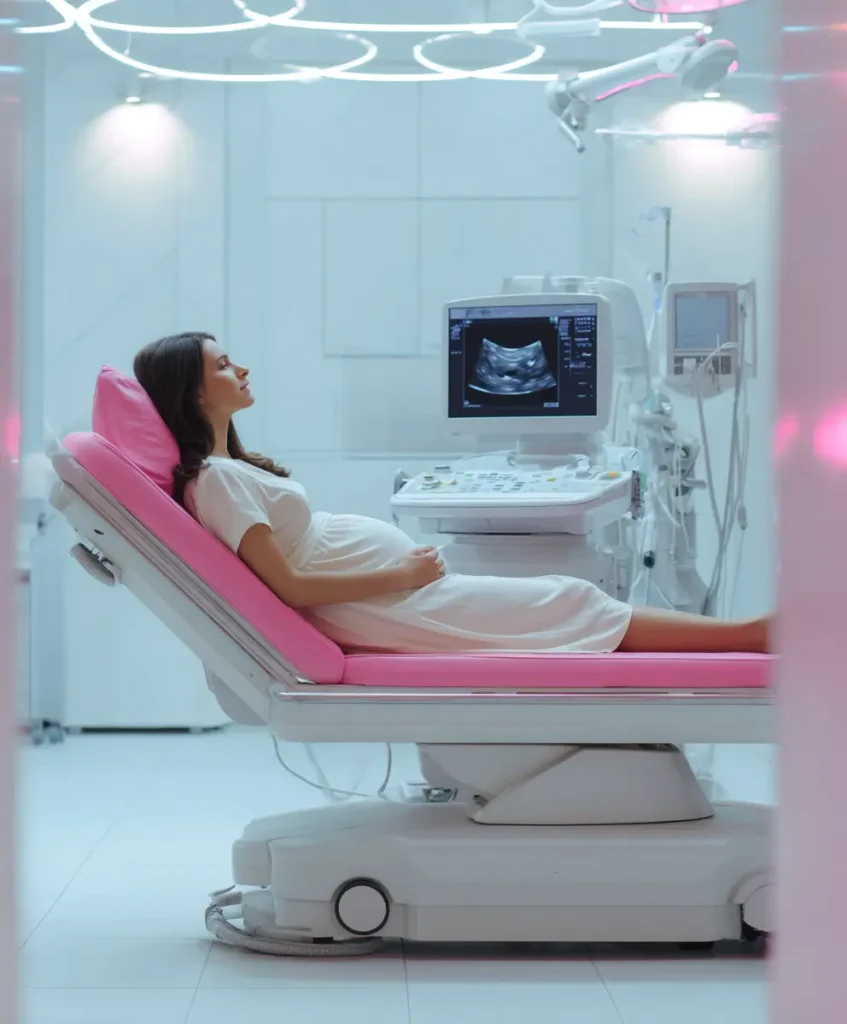
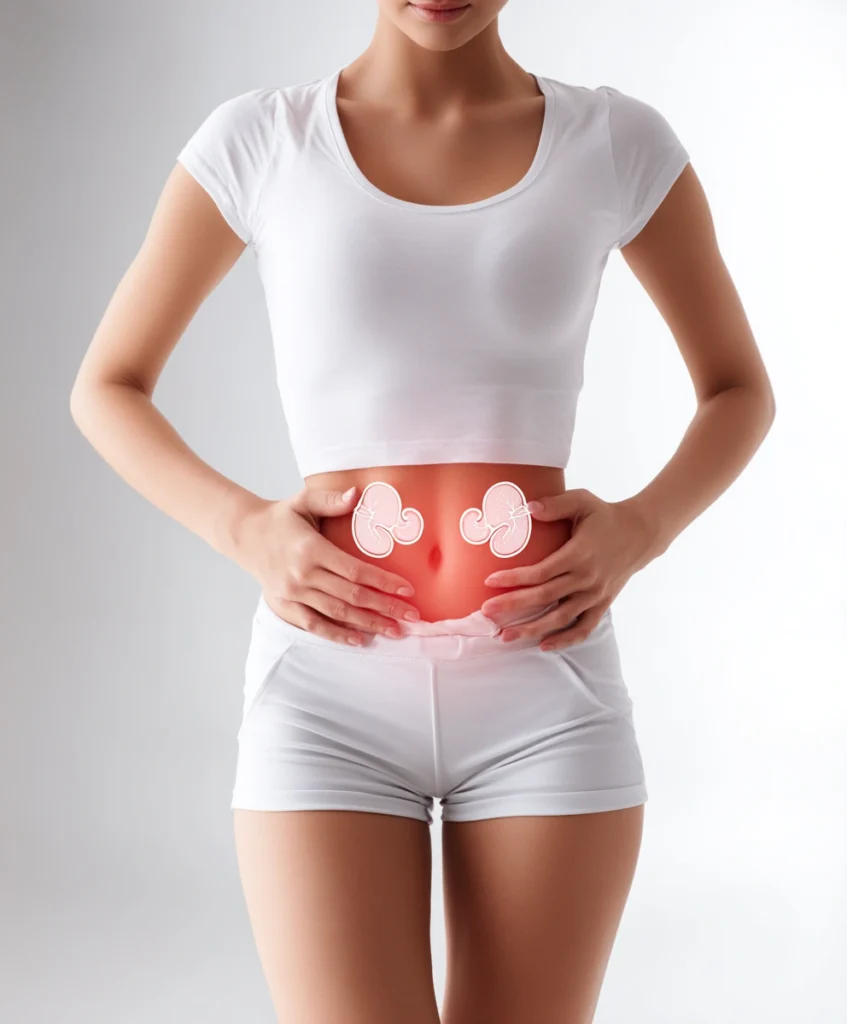
1. Introduction Welcome to the 14th week pregnancy, the first official week of your second trimester.This milestone marks the end of the exhausting early phase and the start of a more comfortable period for most expectant mothers. Hormones begin to stabilize, nausea fades, and energy returns.Your uterus is growing, your baby is developing rapidly, and your body is preparing for the months ahead. “You’re now in your 14th week pregnancy — welcome to the second trimester! Many early symptoms ease up while your baby’s organs mature and growth accelerates.” 2. How Many Months Is 14th Week Pregnancy? The 14th week pregnancy equals roughly month 4 of pregnancy.Pregnancy is divided into: Entering the 14th week pregnancy means you’ve cleared the riskiest part of the first trimester. The placenta has taken over hormone production, miscarriage risk drops dramatically, and most women begin to feel emotionally and physically stronger. It’s a wonderful time to bond with your baby and enjoy this calmer phase. 3. Baby Development Your baby during the 14th week pregnancy is about the size of a kiwi or navel orange, measuring 8 to 9 cm (3.5 in) and weighing 40 – 45 g.Inside your womb, incredible transformations are happening. Facial Development and Expressions Your baby can now squint, frown, or smile. Tiny facial muscles are practicing movements even though they aren’t yet voluntary. Skin and Hair Formation A fine, downy hair called lanugo covers the body. It protects fragile skin from amniotic fluid and helps regulate temperature later in pregnancy. Kidneys and Digestive System The kidneys begin producing urine. The baby swallows amniotic fluid, helping the digestive tract learn how to work after birth. Genital Growth External sex organs are forming, and an ultrasound performed in the late 14th week pregnancy might reveal the baby’s gender. Skeletal Changes Bones are strengthening as calcium builds up. The neck elongates, allowing the head to lift away from the chest. Movement and Reflexes Although you won’t feel it yet, your baby is stretching, twisting, and kicking — movements crucial for joint and muscle development. By the end of the 14th week pregnancy, most major organs are in place, and your baby’s focus is growth, coordination, and fat storage. 4. Symptoms During 14th Week Pregnancy The second trimester is often called the “honeymoon period,” but your body still works hard.Typical 14th week pregnancy symptoms include: If any 14th week pregnancy symptom becomes severe — vomiting, pain, bleeding, or fainting — contact your doctor immediately. 5. Body Changes You May Notice Rising Uterus and Early Bump The uterus rises above the pelvic bone, giving a gentle rounded belly. You might start switching to maternity clothes soon. Skin Pigmentation A dark line (linea nigra) may run from your navel to pubic bone, and patches of brown skin (melasma) can appear on your face. They fade after birth. Fuller Hair and Nails Hormones extend the growth phase of hair and nails, making them appear thicker and healthier throughout the 14th week pregnancy. Breast Changes Breasts feel heavier, veins become visible, and nipples darken as ducts expand for future milk production. Improved Mood and Sleep Emotional stability returns for many women. Better sleep and balanced hormones make the 14th week pregnancy a period of renewed vitality. Slight Weight Gain A healthy gain of about 1 – 2 kg is expected by this point. Focus on slow and steady progress, not numbers. 6. Health and Wellness Tips This is the perfect time to build habits that carry you through the next months. 1. Oral Care Matters Pregnancy gingivitis is common at the 14th week pregnancy.Brush twice a day with a soft brush, floss daily, and visit your dentist if you notice bleeding gums. Good oral health reduces infection risk. 2. Exercise Safely Gentle movement boosts circulation and mood.Try: Avoid contact sports or lying flat for long periods. Listen to your body throughout the 14th week pregnancy. 3. Eat for Health, Not for Two At 14 weeks, you don’t need extra calories yet.Focus on: Limit sugary drinks and avoid alcohol completely throughout the 14th week pregnancy. 4. Hydration and Fiber Drink at least 8 glasses of water daily and include fruits, vegetables, and whole grains to ease constipation — one of the most common 14th week pregnancy issues. 5. Sleep Comfortably Adopt side-sleeping, preferably on the left, to enhance blood flow to the uterus. Use a pillow between your knees for support. 6. Safe Beauty Care Choose pregnancy-safe skincare and avoid retinoids or chemical treatments. Simple hydration and sun protection keep your skin glowing through the 14th week pregnancy. 7. Stay Up-to-Date on Vaccines Flu and tetanus vaccines are safe and recommended for expectant mothers. Ask your doctor if you haven’t received them yet. 8. Mind and Mood Practice mindfulness or prenatal meditation. Lowering stress during the 14th week pregnancy supports healthy blood pressure and fetal growth. 7. When to Call Your Doctor The 14th week pregnancy is generally low-risk, but certain signs need prompt attention: If you experience any of these symptoms during your 14th week pregnancy, contact your healthcare provider immediately. 8. Week-by-Week Checklist Task Reason Continue prenatal vitamins Supports neural and bone development Schedule next check-up Monitors weight and fetal growth Book antenatal classes Builds confidence for delivery Inform your employer Plan maternity leave early Start pelvic-floor exercises Strengthens muscles for birth and recovery Eat balanced meals Prevents fatigue and constipation Avoid alcohol and smoking Reduces risk of birth defects Journal your progress Tracks 14th week pregnancy symptoms and emotions 9. FAQs About the 14th Week Pregnancy Q 1 — Is fatigue normal at the 14th week pregnancy?Yes. Most women feel better but occasional tiredness is normal. Rest and iron-rich foods help. Q 2 — When will I feel my baby move?Usually between weeks 16 and 22. During the 14th week pregnancy, movements are too gentle to notice. Q 3 — Can I travel now?Yes, the second trimester is the safest time to travel. Stay hydrated and stretch your legs on long trips. Q 4 —
14th Week Pregnancy — Everything You Need to Know Read More »