pregnancyfollowup.com

Pregnancy

When to Start Eating Dates in Pregnancy

When to Start Eating Dates in Pregnancy: Medical Evidence, Benefits, and Practical Guidance

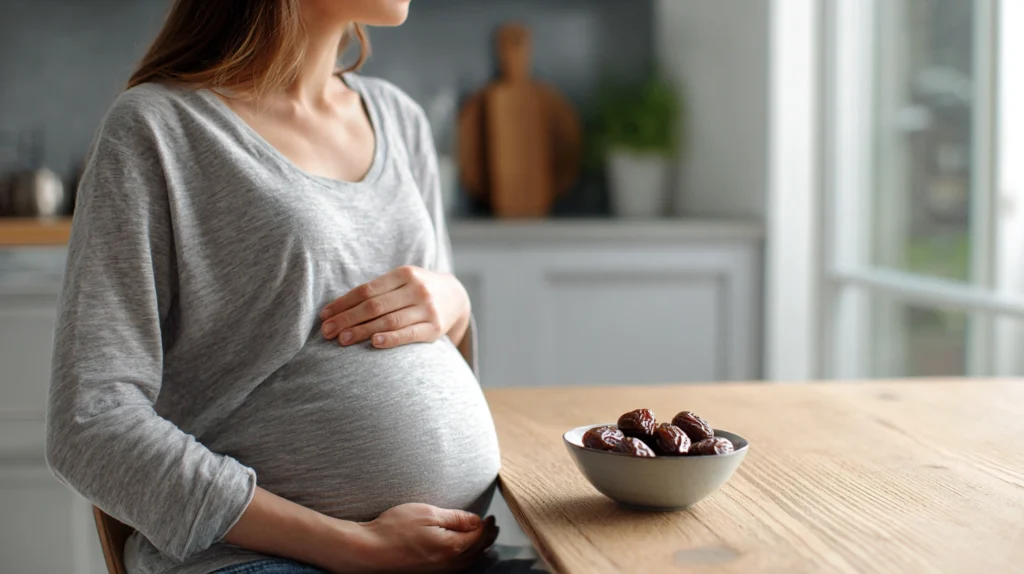
Introduction Dietary choices during pregnancy influence maternal health, fetal development, and the course of labor. While many foods are recommended for their nutritional value, some are also associated with potential benefits during childbirth. Dates, the fruit of the date palm (Phoenix dactylifera), are one such food that has received increasing attention in obstetric nutrition. In recent years, both pregnant women and healthcare providers have shown growing interest in when to start eating dates in pregnancy, particularly because of emerging evidence suggesting a possible role in supporting cervical ripening and labor progress. This article provides a comprehensive, medically grounded overview of when to start eating dates in pregnancy, examining nutritional benefits, scientific findings, safety considerations, and practical recommendations. Nutritional Value of Dates During Pregnancy Dates are a nutrient-dense fruit that provides a wide range of vitamins, minerals, and bioactive compounds beneficial during pregnancy. Their natural sweetness comes from carbohydrates that supply quick energy, while their fiber content supports digestive health. Key nutrients found in dates include dietary fiber, potassium, magnesium, iron, B-complex vitamins (including folate), and antioxidants. These nutrients contribute to maintaining normal bowel function, supporting blood production, regulating muscle activity, and reducing oxidative stress. Because of this profile, dates can be a valuable addition to a pregnancy diet. However, understanding when to start eating dates in pregnancy depends on whether the goal is general nutrition or labor preparation. Are Dates Safe Throughout Pregnancy? For most healthy pregnant women, dates are considered safe when consumed in moderation throughout all trimesters. There is no evidence that eating dates in early or mid-pregnancy increases the risk of miscarriage, preterm labor, or fetal harm. From a safety standpoint, there is no strict restriction on when to start eating dates in pregnancy for nutritional purposes alone. Dates may be included in meals or snacks during the first, second, or third trimester as part of a balanced diet. However, the timing becomes more relevant when dates are consumed with the intention of influencing labor outcomes. Why Dates Are Associated With Labor Preparation The question of when to start eating dates in pregnancy gained importance after several clinical studies explored the relationship between date consumption and labor characteristics. These studies observed differences in cervical readiness, labor onset, and the need for medical interventions among women who consumed dates in late pregnancy. The interest in dates is not related to inducing labor prematurely, but rather to supporting the body’s natural preparation for childbirth during the final weeks of pregnancy. If you’re curious about caffeine-containing beverages during pregnancy, our detailed guide on matcha use offers clear, evidence-based insight When to Start Eating Dates in Pregnancy for Labor-Related Benefits Scientific evidence suggests that the labor-related effects of dates are most noticeable when consumption begins in the late third trimester. Most clinical studies focused on women who started eating dates at approximately 36 to 37 weeks of gestation. Therefore, when discussing when to start eating dates in pregnancy specifically for labor preparation, the evidence-based answer is around the last four weeks before the expected due date. Starting dates earlier in pregnancy has not been shown to provide the same labor-specific benefits, although dates remain nutritionally valuable at any stage. Physiological Effects of Dates on Labor Understanding when to start eating dates in pregnancy also involves examining how dates may influence the physiology of labor. Cervical Ripening Cervical ripening refers to the softening, thinning, and dilation of the cervix before labor begins. Studies suggest that women who consume dates in late pregnancy may present with more favorable cervical conditions at the onset of labor. This may reduce the need for pharmacological cervical ripening agents. Uterine Activity Some compounds found in dates are believed to enhance uterine sensitivity to oxytocin, the hormone responsible for triggering contractions. This may support more efficient uterine activity once labor begins. Energy Support Labor requires sustained physical effort. Dates provide easily digestible natural sugars that may help maintain maternal energy levels, particularly during early labor. These potential effects help explain why when to start eating dates in pregnancy is most relevant during the final weeks before delivery. For a closer look at how to protect your skin safely while expecting, we’ve prepared a practical guide to pregnancy-safe sunscreen choices. Recommended Amount of Dates in Late Pregnancy Most studies examining when to start eating dates in pregnancy also specify a daily intake amount. A commonly studied recommendation is the consumption of six to eight dates per day starting at 36–37 weeks of gestation and continuing until delivery. This amount appears sufficient to observe potential benefits while remaining safe for most women. Dates can be eaten alone or incorporated into meals, such as with yogurt, oatmeal, or smoothies. Consistency over several weeks seems to be more important than the exact time of day the dates are consumed. Impact on Labor Induction Another important aspect of when to start eating dates in pregnancy relates to labor induction. Some studies have reported lower rates of medical induction among women who regularly consumed dates during the last weeks of pregnancy. This does not mean that dates eliminate the need for induction when medically necessary. Rather, they may support spontaneous labor onset in low-risk pregnancies by improving cervical readiness. If you’re considering beauty treatments while pregnant, our article on hair coloring during pregnancy addresses common concerns and safety considerations Effect on Labor Duration Research on labor duration shows mixed but generally encouraging findings. Some studies indicate that women who consumed dates in late pregnancy experienced shorter early labor phases and required less labor augmentation. However, results vary, and dates should not be viewed as a guaranteed method to shorten labor. The relevance of when to start eating dates in pregnancy lies in potential support, not certainty. Who Should Use Caution When Eating Dates Although dates are safe for most women, certain conditions require individualized guidance. Women with gestational diabetes or insulin resistance should discuss when to start eating dates in pregnancy with their healthcare provider, as dates contain a high concentration of natural


When to Start Eating Dates in Pregnancy: Medical Evidence, Benefits, and Practical Guidance Read More »

Can I Eat Matcha While Pregnant

Can I Eat Matcha While Pregnant? A Medical and Nutritional Guide for Expectant Mothers

Introduction About Can I Eat Matcha While Pregnant Pregnancy is a period when women naturally become more cautious about what they eat and drink. From caffeine intake to herbal teas and superfoods, every choice feels significant when it comes to protecting the health of a growing baby. One increasingly common question among expectant mothers is: can I eat matcha while pregnant? With matcha gaining popularity for its taste and perceived health benefits, it is important to understand how this powdered green tea fits into a pregnancy-safe diet. This article provides a clear, evidence-based medical explanation of matcha consumption during pregnancy, including its nutritional profile, potential benefits, possible risks, and practical guidelines for safe use. What Is Matcha? Matcha is a finely ground powder made from specially grown green tea leaves. Unlike traditional green tea, where leaves are steeped and discarded, matcha involves consuming the entire leaf. This results in a more concentrated source of caffeine, antioxidants, and other bioactive compounds. Because the whole leaf is ingested, matcha delivers higher amounts of certain substances compared to regular green tea. This concentration is precisely why many women wonder can I eat matcha while pregnant without putting their baby at risk. For a deeper look at essential nutrients that support maternal and fetal health, you may find our guide on fish oil during pregnancy especially helpful. Why Pregnancy Changes Dietary Recommendations During pregnancy, the body undergoes significant hormonal and metabolic changes. The placenta allows many substances to pass from mother to fetus, including caffeine. Since the fetus cannot efficiently metabolize caffeine, even moderate amounts can have stronger effects than they would in a non-pregnant adult. Additionally, pregnancy increases the body’s need for essential nutrients such as iron and folate. Any food or beverage that interferes with nutrient absorption must be consumed carefully. Can I Eat Matcha While Pregnant? The Medical Consensus From a medical standpoint, can I eat matcha while pregnant is best answered with moderation rather than a simple yes or no. Most healthcare professionals agree that small amounts of matcha can be safe during pregnancy, provided that total daily caffeine intake stays within recommended limits. Matcha is not considered harmful when consumed occasionally and responsibly. However, it should not be consumed excessively or without attention to portion size. If you’re wondering how to protect your skin safely while expecting, our article on pregnancy-safe sunscreen offers clear, practical guidance. Caffeine Content in Matcha One of the most important concerns when asking can I eat matcha while pregnant is caffeine exposure. How Much Caffeine Does Matcha Contain? A standard serving of matcha typically contains between 30 and 80 milligrams of caffeine, depending on the amount of powder used and how it is prepared. This is less than coffee but often more than regular green tea. Medical guidelines generally recommend limiting caffeine intake during pregnancy to no more than 200 milligrams per day. Exceeding this amount has been associated with increased risks of miscarriage, low birth weight, and fetal growth restriction. Because caffeine adds up quickly, matcha should always be counted alongside other sources such as coffee, tea, chocolate, and soft drinks. For expectant mothers considering beauty treatments, our detailed piece on coloring your hair during pregnancy answers common safety concerns. Potential Benefits of Matcha During Pregnancy When consumed responsibly, matcha may offer some supportive properties that can fit into a balanced pregnancy diet. 1. Antioxidant Support Matcha is rich in antioxidants known as catechins. These compounds help protect cells from oxidative stress and support overall health. Antioxidants are beneficial during pregnancy, as they contribute to normal cellular function. 2. L-Theanine and Calm Energy Matcha contains L-theanine, an amino acid that promotes a sense of calm and focus. This may help smooth the stimulating effects of caffeine, resulting in a gentler energy boost compared to coffee. 3. Micronutrients Matcha contains small amounts of vitamins and minerals, including vitamin C, vitamin A, magnesium, and zinc. While these nutrients are helpful, matcha should not replace prenatal vitamins or a nutrient-dense diet. Risks and Medical Concerns to Consider Despite its benefits, there are valid reasons why many women continue to ask can I eat matcha while pregnant with caution. 1. Excess Caffeine Intake Consuming too much matcha can easily lead to excessive caffeine intake. High caffeine exposure during pregnancy has been linked to: For this reason, most healthcare providers recommend limiting matcha to one small serving per day during pregnancy. 2. Folate Absorption Interference Folate is essential during early pregnancy to support neural tube development. Matcha contains catechins that may reduce folate absorption when consumed in large quantities. While moderate matcha intake is unlikely to cause folate deficiency, excessive consumption could be problematic if prenatal vitamin intake is inconsistent. 3. Iron Absorption and Anemia Risk Matcha contains tannins, compounds that can reduce the absorption of non-heme iron. Iron requirements increase significantly during pregnancy, and inadequate absorption can contribute to anemia. Drinking matcha with meals may reduce iron uptake, particularly in women who already have low iron levels. 4. Gastrointestinal and Sensitivity Issues Some pregnant women are more sensitive to caffeine and tea compounds. Matcha may cause: If these symptoms occur, reducing or avoiding matcha is advisable. How to Safely Consume Matcha During Pregnancy For women who decide to include matcha in their diet, following medical guidelines can help reduce risks. This is especially important for those still asking can I eat matcha while pregnant safely. Limit Portion Size Stick to one serving per day and avoid concentrated preparations. Track Total Caffeine Intake Ensure all sources of caffeine combined remain below the recommended daily limit. Avoid Drinking Matcha With Meals Consume matcha between meals to reduce interference with iron absorption. Choose High-Quality Products Select reputable matcha products to minimize contamination and excessive caffeine levels. Pay Attention to Symptoms If matcha causes discomfort, insomnia, or digestive upset, discontinuation is the safest option. Matcha in Foods and Desserts Many women wonder can I eat matcha while pregnant in baked goods or sweets. Matcha-flavored foods generally contain smaller amounts of

Can I Eat Matcha While Pregnant? A Medical and Nutritional Guide for Expectant Mothers Read More »

Healthy Pregnancy Snacks

Healthy Pregnancy Snacks: A Practical, Doctor-Informed Guide for Every Trimester

Choosing healthy pregnancy snacks can make a real difference in how you feel day to day. Pregnancy often brings stronger hunger cues, nausea, fatigue, heartburn, constipation, and changing food preferences. Well-planned snacks help bridge the gaps between meals, stabilize energy, support steady blood sugar, and contribute important nutrients for both you and your baby. Instead of thinking of snacking as “extra,” it helps to view it as a simple strategy to meet higher nutritional needs in small, manageable portions. A good snack in pregnancy is not about perfection. It’s about consistency, safety, and smart nutrient choices. The best healthy pregnancy snacks are easy to prepare, satisfying, and built from foods that provide protein, fiber, healthy fats, and key micronutrients such as iron, calcium, vitamin D, folate, iodine, and choline. With a few staple ingredients at home, you can build snack combinations that support fetal growth and help you feel more comfortable across all trimesters. What makes a snack “healthy” during pregnancy? A reliable rule is to combine: This trio is the backbone of most healthy pregnancy snacks because it tends to keep you full longer, prevent energy crashes, and reduce the temptation to reach for overly sugary or highly processed foods. Fiber supports digestion and helps constipation, protein supports maternal tissue changes and fetal growth, and healthy fats contribute to satiety and overall nutritional balance. Pregnancy snack needs by trimester First trimester: Many women struggle with nausea, food aversions, and fatigue. Small, frequent snacks can help prevent an empty stomach, which often worsens nausea. In this trimester, the “best snack” may simply be the one you can tolerate. Bland options, cold foods, and simple carb-protein pairings can be especially helpful. Even basic healthy pregnancy snacks like crackers with cheese or toast with nut butter can be a win when nausea is strong. Second trimester: Appetite often improves. This is a good time to build routine: two to three snacks daily if needed, each with protein and fiber. Choosing healthy pregnancy snacks consistently can help you meet rising nutrient demands without feeling overly full at main meals. Third trimester: Heartburn and early fullness are common due to reduced stomach capacity. Smaller portions more frequently can feel better than large meals. Many women do well with lighter, nutrient-dense healthy pregnancy snacks earlier in the evening to reduce reflux at night. For expectant mothers struggling with queasiness, our detailed guide on foods that help reduce pregnancy-related nausea offers practical, doctor-informed suggestions. Food safety matters with snacks Pregnancy increases susceptibility to foodborne illness and the potential for more severe complications. Snack choices should prioritize safe handling and safe products: Safety is part of the definition of healthy pregnancy snacks. A nutritious snack is only “healthy” if it is also safe for pregnancy. To better understand how nutrition supports healthy blood levels during pregnancy, explore our comprehensive overview of iron-rich foods recommended for expectant mothers. 20 Healthy Pregnancy Snacks You Can Rotate All Week Below are practical snack ideas with simple explanations of why they work. These options are flexible: change ingredients to match your taste, nausea triggers, or cultural preferences. 1) Apple slices with peanut or almond butter A classic among healthy pregnancy snacks: fiber from the fruit plus protein and fat from the nut butter. It travels well and requires minimal preparation. 2) Greek yogurt with berries and chia seeds Greek yogurt adds protein and calcium. Berries provide fiber and antioxidants. Chia contributes fiber and healthy fats. 3) Cottage cheese with pineapple or cucumber Cottage cheese is high in protein. Pair with fruit for sweetness or cucumber for a savory option. 4) Hummus with carrots, cucumber, and whole-grain pita Hummus provides plant protein and healthy fat; vegetables add fiber and hydration. 5) Avocado toast on whole-grain bread Avocado provides healthy fats and fiber. Whole-grain bread supports sustained energy. 6) Hard-boiled eggs with cherry tomatoes Eggs are rich in protein and choline. Tomatoes add freshness and vitamin C. 7) Oatmeal topped with walnuts and banana Oats support digestion; walnuts add healthy fats; banana adds gentle sweetness and potassium. 8) Edamame with a small fruit Edamame offers protein and fiber. Pair with an orange or kiwi for vitamin C. 9) Smoothie: milk or yogurt, frozen berries, and oats A smoothie can be one of the easiest healthy pregnancy snacks when chewing feels difficult. Add oats for fiber and staying power. 10) Cheese cubes with whole-grain crackers and grapes This is essentially a “mini meal” snack: protein and calcium from cheese, fiber from crackers, and hydration from fruit. 11) Roasted chickpeas Crunchy, satisfying, and portable. Great for women who crave chips but want more nutrition. 12) Banana with tahini Tahini adds healthy fats and some protein; banana is gentle on nausea and easy to digest. 13) A small bowl of lentil soup Warm, comforting, and rich in fiber and plant protein—especially useful when appetite is low. 14) Popcorn plus a protein side Popcorn can fit into healthy pregnancy snacks when paired with protein, such as a cheese stick, yogurt, or a small handful of nuts. 15) Trail mix: nuts, seeds, and dried fruit Choose unsalted nuts and modest portions of dried fruit. This snack is calorie-dense, so a small handful is enough. 16) Whole-grain toast with ricotta and honey (optional) Ricotta offers protein and calcium. A drizzle of honey can help if you need more calories, but keep it light. 17) Tuna or salmon salad on crackers (pregnancy-safe choices) If you eat fish, choose options consistent with pregnancy guidance on mercury and portioning. Fish can be a valuable protein source. 18) Yogurt with granola (lower sugar) Convenient and satisfying. This is one of the simplest healthy pregnancy snacks for busy days. 19) Sliced pear with cheese A sweet-savory pairing that balances carbs with protein and fat. 20) Baked sweet potato with yogurt Sweet potato provides fiber and slow-release carbs; yogurt adds protein. If you’re curious about what changes to expect at this stage, our week-by-week guide to the 14th week of pregnancy provides clear and

Healthy Pregnancy Snacks: A Practical, Doctor-Informed Guide for Every Trimester Read More »

Can You Take Melatonin While Pregnant

Can You Take Melatonin While Pregnant? Safety, Dosage, and Medical Advice

Introduction About Can You Take Melatonin While Pregnant Sleep disturbances are among the most common complaints during pregnancy. Hormonal fluctuations, physical discomfort, emotional stress, and frequent nighttime awakenings can significantly affect sleep quality. As a result, many pregnant women seek safe and effective solutions to improve sleep. One question frequently asked by expectant mothers and healthcare professionals alike is: can you take melatonin while pregnant? Melatonin is often perceived as a “natural” sleep aid, which may give the impression that it is automatically safe during pregnancy. However, pregnancy is a sensitive physiological period, and any supplement that influences hormonal pathways or crosses the placenta must be evaluated carefully. This article provides a detailed, evidence-based medical review addressing the question can you take melatonin while pregnant, focusing on physiology, current research, safety concerns, and clinical recommendations. Understanding Melatonin Melatonin is a hormone produced primarily by the pineal gland in the brain. Its secretion follows a circadian rhythm, increasing in the evening and decreasing in response to light. Melatonin’s primary function is to regulate the sleep–wake cycle, helping the body recognize when it is time to sleep. Beyond sleep regulation, melatonin has antioxidant and anti-inflammatory properties and plays a role in immune modulation. Because of these additional effects, melatonin has been studied in a variety of medical conditions. As a dietary supplement, melatonin is widely available without prescription, often in doses that exceed physiological levels. This widespread availability raises an important concern during pregnancy and leads many women to ask: can you take melatonin while pregnant without risk to the fetus? If you’re also wondering about beauty treatments during pregnancy, you may find our detailed guide on coloring your hair while pregnant helpful. Melatonin’s Role During Pregnancy Melatonin is not foreign to pregnancy. In fact, maternal melatonin levels naturally increase as pregnancy progresses, particularly in the third trimester. This increase is believed to be part of normal maternal adaptation. Melatonin crosses the placenta and reaches the fetal circulation, where it may help regulate fetal circadian rhythms and support neurological development. The placenta itself also produces melatonin locally, suggesting that the hormone plays a role in placental function and protection against oxidative stress. The key issue, however, is not whether melatonin exists during pregnancy, but whether supplemental melatonin introduces levels that exceed what the maternal-fetal system is designed to handle. This distinction is central when considering can you take melatonin while pregnant safely. Why Sleep Problems Are So Common in Pregnancy Pregnancy-related insomnia is multifactorial and may be caused by: Because sleep deprivation can affect mood, immune function, and overall well-being, many women look for solutions that feel gentle and non-pharmacological. This is why melatonin often becomes a consideration, prompting the question can you take melatonin while pregnant as a sleep aid. For women looking to protect their skin safely during pregnancy, we’ve covered everything you need to know in our pregnancy-safe sunscreen guide. What Does Medical Research Say? Human Studies Human studies evaluating melatonin use during pregnancy are limited but increasingly available. Existing research has not demonstrated a clear association between melatonin supplementation and major adverse pregnancy outcomes such as congenital anomalies, miscarriage, or fetal growth restriction. In several clinical settings, melatonin has been administered to pregnant women without evidence of immediate harm. Importantly, these studies did not report significant negative effects on maternal health or neonatal outcomes. However, most of these studies were not designed to evaluate melatonin specifically for insomnia in pregnancy, and sample sizes were relatively small. Therefore, while current evidence is somewhat reassuring, it does not conclusively answer the question can you take melatonin while pregnant for routine sleep problems. Animal Research and Its Limitations Animal studies have produced mixed findings. Some have suggested that very high doses of melatonin may influence fetal development or reproductive hormone signaling. These doses often far exceed what humans typically consume. Animal research is valuable for identifying theoretical risks, but results cannot always be directly applied to human pregnancy. Nonetheless, these findings contribute to the cautious approach adopted by clinicians when asked can you take melatonin while pregnant. Potential Benefits Being Studied Melatonin’s antioxidant and anti-inflammatory properties have generated interest in its potential role in pregnancy complications associated with oxidative stress. Research has explored whether melatonin may support placental health or reduce inflammation in high-risk pregnancies. Additionally, melatonin may have neuroprotective effects for the developing fetus. These potential benefits are promising but remain under investigation and should not be interpreted as an endorsement for routine supplementation. Thus, while melatonin has physiological importance, this does not automatically mean you can take melatonin while pregnant without medical guidance. Safety Concerns and Uncertainties Lack of Long-Term Data One of the most significant limitations is the absence of long-term follow-up studies evaluating children exposed to supplemental melatonin in utero. Effects on circadian rhythm regulation, hormonal balance, and neurodevelopment later in life are not fully understood. Hormonal Nature of Melatonin Melatonin is a hormone, not a vitamin. Hormonal supplementation during pregnancy requires caution, as fetal development depends on finely tuned endocrine signals. Supplement Quality Issues Dietary supplements are not uniformly regulated. Melatonin products may vary in dosage, purity, and composition, making precise exposure difficult to control during pregnancy. These concerns explain why healthcare professionals approach the question can you take melatonin while pregnant with careful consideration rather than a simple yes or no. To better understand the changes happening at this stage, you can explore our complete overview of the 14th week of pregnancy. Medical Recommendations Most healthcare authorities do not recommend routine melatonin use during pregnancy due to insufficient high-quality evidence. Instead, melatonin may be considered only in selected cases where: This individualized approach reflects the current medical consensus on can you take melatonin while pregnant. Accidental or Early Pregnancy Exposure Many women take melatonin before pregnancy or during early pregnancy before knowing they are pregnant. Available data suggest that short-term, unintentional exposure is unlikely to cause harm. In such cases, reassurance and routine prenatal care are usually sufficient. Nevertheless, continued use should be discussed

Can You Take Melatonin While Pregnant? Safety, Dosage, and Medical Advice Read More »

Anterior Placenta

Anterior Placenta: A Complete Medical Guide for Pregnancy

An anterior placenta is a common finding during pregnancy and simply means that the placenta is attached to the front wall of the uterus, facing the abdominal wall. While hearing this term during an ultrasound appointment can raise concerns, an anterior placenta is usually a normal variation and does not, on its own, indicate a problem with the pregnancy or the baby. This article provides a clear, medically accurate, and reassuring explanation of what an anterior placenta means, how it may affect pregnancy symptoms, fetal movements, monitoring, labor, and delivery, and when medical attention is needed. Understanding the Role of the Placenta The placenta is a temporary organ that develops early in pregnancy and plays a vital role in supporting fetal growth and development. It allows oxygen and nutrients to pass from the mother’s blood to the baby while removing waste products from the baby’s circulation. It also produces hormones essential for maintaining pregnancy. The placenta attaches to the inner wall of the uterus, and its position depends on where the fertilized egg implants during the early weeks of pregnancy. An anterior placenta refers only to location, not function. In most cases, the placenta works just as effectively in the anterior position as it does in any other location. What Does Anterior Placenta Mean? An anterior placenta means the placenta is located on the front wall of the uterus, closest to the abdominal wall. Other normal placental positions include posterior (back wall), fundal (top of the uterus), or lateral (side wall). It is important to understand that an anterior placenta is not a diagnosis or complication. It is simply an anatomical description based on ultrasound findings. Many pregnant women have an anterior placenta and go on to have healthy pregnancies and uncomplicated deliveries. How Common Is an Anterior Placenta? An anteriior placenta is very common and is seen in a significant proportion of pregnancies. It may be identified at the routine mid-pregnancy ultrasound scan, often performed between 18 and 22 weeks of gestation. Many women are unaware of placental position until it is mentioned during imaging. Because it is so common, most healthcare providers consider an anterior placenta a normal finding unless it is associated with other placental conditions. How Is an Anterior Placenta Diagnosed? An anteriior placenta is diagnosed during an ultrasound examination. The sonographer identifies where the placenta is attached within the uterus. This finding is usually recorded as part of the routine anatomy scan. Sometimes, early ultrasounds may describe the placenta as low-lying. As the uterus grows, the placenta often ends up farther away from the cervix. This change is due to uterine expansion rather than the placenta actually moving. For a clear, doctor-approved explanation of medical treatment options for ectopic pregnancy, you may find our detailed guide helpful. How an Anterior Placenta Affects Fetal Movements One of the most noticeable effects of an anteriior placenta is how fetal movements are felt. Because the placenta lies between the baby and the abdominal wall, it can act as a cushion that softens early movements. As a result: This delay in feeling movement is common and usually not a cause for concern. As pregnancy progresses and the baby grows stronger, movements typically become more noticeable, even with an anterior placenta. When to Pay Attention to Fetal Movements Later in pregnancy, fetal movement patterns become more consistent. Regardless of placental position, it is important to become familiar with what is normal for your baby. A noticeable reduction in fetal movements should always be taken seriously. Even with an anteriorr placenta, reduced or absent movements later in pregnancy require prompt medical assessment. To better understand less typical presentations of preeclampsia, including cases without elevated blood pressure, we explore this topic in more depth here. Does an Anterior Placenta Affect the Baby’s Health? In most cases, an anteriorr placenta does not affect fetal growth, oxygen delivery, or overall pregnancy outcomes. The placenta functions normally and continues to support the baby effectively. An anterior placenta alone does not increase the risk of miscarriage, stillbirth, or developmental problems. Concerns arise only when placental position is combined with other conditions, such as being very close to or covering the cervix. Anterior Placenta vs Low-Lying Placenta It is essential to distinguish between an anterior placentaa and a low-lying placenta. A placenta can be anterior and low-lying at the same time, but these are separate characteristics. A low-lying placenta may require follow-up scans and closer monitoring, especially later in pregnancy, whereas an anterior placenta by itself usually does not. Does an Anterior Placenta Cause Pain or Bleeding? An anteriorr placenta does not normally cause pain, cramping, or bleeding. Vaginal bleeding during pregnancy is not considered normal and should always be evaluated, regardless of placental position. Any bleeding, severe abdominal pain, or contractions should prompt immediate medical attention. If you’re experiencing symptoms of intimate discomfort during pregnancy, our comprehensive overview of vaginal yeast infections offers practical, evidence-based guidance. Does an Anterior Placenta Affect Ultrasounds or Heartbeat Checks? An anteriorr placenta can sometimes make it slightly more difficult to hear the baby’s heartbeat early in pregnancy using a handheld Doppler device. This is because the placenta lies between the device and the baby. Similarly, ultrasound imaging may take a little longer to obtain certain views. These challenges are technical and do not reflect a problem with the pregnancy. Does an Anterior Placenta Affect Prenatal Tests? Most prenatal tests are not affected by an anterior placentaa. Blood tests, growth scans, and routine monitoring proceed as usual. In some cases, procedures that involve inserting a needle through the abdominal wall may require careful planning to avoid passing through the placenta. Ultrasound guidance is used to ensure safety. Labor and Delivery With an Anterior Placenta An anteriorr placenta does not usually affect the ability to have a vaginal birth. Many women with an anterior placenta deliver vaginally without complications. If a cesarean section is needed for another reason, the surgical team takes placental position into account when planning the incision. This

Anterior Placenta: A Complete Medical Guide for Pregnancy Read More »

Can You Get an MRI While Pregnant

Can You Get an MRI While Pregnant : 5 Powerful Safety Facts Every Expectant Mother Should Know

Introduction About Can You Get an MRI While Pregnant Pregnancy is a time when medical decisions must carefully balance maternal health with fetal safety. Diagnostic imaging is sometimes necessary to evaluate symptoms, confirm diagnoses, or guide treatment. When this happens, many expectant mothers ask an important question: can you get an MRI while pregnant? Magnetic resonance imaging (MRI) is widely used in modern medicine because it produces detailed images of soft tissues without using ionizing radiation. This makes it particularly relevant in pregnancy, where radiation exposure is generally avoided whenever possible. Despite its advantages, concerns remain about whether MRI could pose risks to the developing fetus. This article provides a comprehensive, evidence-based explanation of Can You Get an MRI While Pregnant , including how MRI works, what scientific studies show about safety, when it is medically indicated, trimester considerations, contrast use, and practical precautions. The aim is to offer clear, trustworthy guidance for both patients and healthcare professionals. What Is an MRI and How Does It Work? Magnetic resonance imaging is a diagnostic technique that uses strong magnetic fields and radiofrequency waves to generate detailed images of organs and tissues inside the body. Unlike X-rays or CT scans, MRI does not involve ionizing radiation. During an MRI scan, the patient lies on a movable table that slides into a cylindrical scanner. The magnetic field aligns hydrogen atoms in the body, and radio waves create signals that are converted into images by a computer. These images are especially useful for evaluating the brain, spine, abdomen, pelvis, and soft tissues. Because it avoids radiation exposure, MRI while pregnant is often considered a safer imaging option compared to techniques that rely on X-rays, especially when detailed anatomical information is required. Is MRI While Pregnant Safe? What Scientific Evidence Shows Extensive research over several decades has not demonstrated harmful effects of MRI without contrast on the fetus. Large observational studies comparing pregnancy outcomes in women who underwent MRI with those who did not have found no increase in miscarriage, congenital malformations, growth restriction, or long-term developmental problems. Based on available data, MRI while pregnant is considered safe when performed without contrast and when there is a clear medical indication. This conclusion is supported by radiology, obstetrics, and maternal-fetal medicine experts worldwide. Theoretical Risks and Why They Remain Unproven Although no proven harm has been identified, some theoretical concerns are often discussed: Importantly, these concerns remain theoretical, and real-world clinical evidence has not confirmed associated risks. For practical nutrition guidance that supports both maternal health and fetal development, you may find our detailed guide on iron-rich foods during pregnancy especially helpful. MRI While Pregnant Compared With Other Imaging Methods When imaging is needed during pregnancy, healthcare providers select the modality that offers the most information with the least risk. MRI provides superior soft-tissue contrast without radiation, making it particularly valuable for evaluating complex maternal or fetal conditions. When Is MRI While Pregnant Recommended? MRI is not performed routinely during pregnancy, but it becomes essential in specific clinical situations. Common indications include: In these scenarios, Can You Get an MRI While Pregnant can provide critical diagnostic information that directly influences medical management and outcomes. To better understand the less typical presentations of pregnancy-related conditions, we explore this important topic further in our in-depth article on preeclampsia without high blood pressure. Trimester Considerations for MRI During Pregnancy First Trimester The first trimester is a sensitive period because major fetal organs are developing. Although studies have not shown harm from MRI in early pregnancy, clinicians often avoid non-urgent imaging during this stage as a precaution. However, if a serious maternal or fetal condition requires immediate evaluation, MRI while pregnant may still be performed in the first trimester when the diagnostic benefit outweighs theoretical concerns. Second and Third Trimesters MRI is more commonly used during the second and third trimesters. At these stages, fetal anatomy is more developed, and MRI is frequently used to assess fetal structures, placental position, or maternal conditions requiring urgent diagnosis. If you are experiencing physical discomfort as your body changes, our complete resource on tailbone pain during pregnancy offers clear explanations and relief strategies. Contrast Use and MRI While Pregnant Not all MRI examinations require contrast. When contrast is used, a gadolinium-based agent is injected intravenously to improve image clarity. Is Gadolinium Safe in Pregnancy? Gadolinium can cross the placenta and reach the fetus. Some studies suggest a possible association between gadolinium exposure during pregnancy and rare adverse outcomes. For this reason, contrast agents are not routinely recommended during pregnancy. Gadolinium is considered only when: Whenever contrast is considered for Can You Get an MRI While Pregnant , informed consent and careful clinical judgment are essential. Safety Measures During MRI While Pregnant To ensure safety and comfort, imaging teams typically follow several precautions: Pregnant patients should always inform the radiology team about their pregnancy before undergoing MRI. Common Myths About Can You Get an MRI While Pregnant Can You Get an MRI While Pregnant Myth: MRI exposes the baby to radiationMRI does not use ionizing radiation. Myth: MRI always causes fetal harmThere is no scientific evidence showing harm from non-contrast MRI during pregnancy. Myth: MRI should never be done early in pregnancyMRI can be performed in any trimester when medically necessary. Myth: MRI noise damages fetal hearingStudies have not demonstrated fetal hearing injury from MRI exposure. What to Expect During MRI While Pregnant The experience of MRI while pregnant is similar to that of non-pregnant patients: Some women may feel anxious or uncomfortable, especially in late pregnancy. Communicating concerns beforehand can help improve comfort during the procedure. Clinical Decision-Making The decision to perform MRI while pregnant is always individualized. Healthcare providers consider: When MRI is recommended, it is because the benefits of accurate diagnosis clearly outweigh any theoretical risks. FAQ About Can You Get an MRI While Pregnant To ensure accuracy and clinical reliability, this content draws on evidence-based resources and internationally recognized medical references. Conclusion About Can You Get an MRI While

Can You Get an MRI While Pregnant : 5 Powerful Safety Facts Every Expectant Mother Should Know Read More »

First OB-GYN Visit When Pregnant

First OB-GYN Visit When Pregnant: What to Expect, Why It Matters, and How to Prepare

Introduction The first OB-GYN visit when pregnant is one of the most important steps in ensuring a healthy pregnancy for both the mother and the developing baby. This initial prenatal appointment lays the groundwork for ongoing care, early detection of potential risks, and personalized guidance throughout pregnancy. For many women, this visit brings a mix of excitement, curiosity, and anxiety, especially if it is their first pregnancy. Unlike routine checkups, the first prenatal visit is comprehensive. It focuses on confirming the pregnancy, assessing maternal health, estimating gestational age, and educating the patient on what to expect in the coming months. Early prenatal care has been consistently associated with improved pregnancy outcomes, making this visit a critical milestone in maternal healthcare. When Should the First OB-GYN Visit When Pregnant Take Place? Most healthcare providers recommend scheduling the first OB-GYN visit when pregnant as soon as pregnancy is confirmed, usually between 6 and 12 weeks of gestation. For women with irregular menstrual cycles, previous pregnancy complications, chronic medical conditions, or fertility treatments, an earlier visit may be advised. Early evaluation allows healthcare providers to: Delaying the first visit may result in missed opportunities for early screening, counseling, and intervention. How to Prepare for Your First Prenatal Appointment Preparing for the first OB-GYN visit when pregnant can help you feel more confident and ensure that the appointment is productive. 1. Know Your Medical History Be ready to discuss: 2. List Medications and Supplements Bring a list of all prescription medications, over-the-counter drugs, herbal remedies, and supplements you are taking. This is essential to assess safety during pregnancy. 3. Record Menstrual Information The first day of your last menstrual period helps estimate gestational age and due date. 4. Prepare Questions Common topics include: For a deeper look at the benefits and proper use of omega-3 supplements during pregnancy, you may find our detailed guide on fish oil especially helpful What Happens During the First OB-GYN Visit When Pregnant The first OB-GYN visit when pregnant is more detailed than follow-up visits and may last longer. It usually includes the following components: 1. Comprehensive Medical Interview Your healthcare provider will ask detailed questions about: This information helps determine pregnancy risk level and guides care planning. 2. Physical Examination A general physical examination is performed to assess baseline health. Vital Signs These measurements are essential for monitoring pregnancy-related changes and identifying early signs of complications such as hypertension or excessive weight gain. Pelvic Examination Depending on individual circumstances, a pelvic exam may be performed to: 3. Laboratory Tests Laboratory evaluation is a core element of the first OB-GYN visit when pregnant and usually includes: These tests help identify conditions that could affect pregnancy outcomes if left untreated. 4. Pregnancy Confirmation and Dating Pregnancy is confirmed through laboratory testing and, in many cases, ultrasound examination. Accurate dating is crucial for: Early ultrasound may be recommended if menstrual dates are uncertain or if there is a history of pregnancy complications. 5. Nutrition and Supplement Counseling During the first OB-GYN visit when pregnant, nutrition is a key topic of discussion. Your provider will typically advise: Proper nutrition early in pregnancy plays a critical role in fetal development and maternal health. 6. Lifestyle and Activity Guidance Your OB-GYN will discuss safe lifestyle practices, including: These discussions are individualized based on medical history and pregnancy risk factors. 7. Education on Pregnancy Symptoms The first OB-GYN visit when pregnant also serves as an opportunity to explain common early pregnancy symptoms such as: Understanding what is normal versus concerning helps reduce anxiety and encourages timely medical consultation when needed. If you’re wondering how to protect your skin safely while expecting, our pregnancy-safe sunscreen guide offers clear, evidence-based recommendations Planning Future Prenatal Care At the end of the first OB-GYN visit when pregnant, your provider will outline the schedule for future visits. In uncomplicated pregnancies, visits are typically planned: You may also receive information about upcoming tests, ultrasounds, and screenings that will occur later in pregnancy. When to Seek Medical Attention After the First Visit Your OB-GYN will explain warning signs that require prompt medical evaluation, including: Recognizing these symptoms early is essential for maternal and fetal safety. To better understand what to expect throughout prenatal care, our overview of how many ultrasounds are typically needed during pregnancy provides helpful clarity Emotional Support and Mental Well-Being Pregnancy is not only a physical journey but also an emotional one. The first OB-GYN visit when pregnant provides an opportunity to discuss: Open communication allows healthcare providers to offer appropriate support and resources when needed. Why the First OB-GYN Visit When Pregnant Is So Important The first OB-GYN visit when pregnant establishes a relationship between the patient and healthcare provider. It ensures: Consistent prenatal care beginning with this visit significantly improves pregnancy outcomes and maternal confidence. Frequently Asked Questions About the First OB-GYN Visit When Pregnant To provide well-rounded and up-to-date information, we have consulted respected external medical sources that specialize in prenatal care and maternal health Conclusion The first OB-GYN visit when pregnant is a foundational step in a healthy pregnancy. It combines medical evaluation, education, preventive care, and emotional support. By attending this visit early and actively participating in the discussion, pregnant women empower themselves with knowledge and guidance that will support them throughout their pregnancy journey. Understanding what to expect, how to prepare, and why this visit matters helps transform uncertainty into confidence and sets the stage for a positive prenatal experience. This article draws on guidance and evidence from leading medical organizations and reputable pregnancy health resources to ensure accuracy and reliability.

First OB-GYN Visit When Pregnant: What to Expect, Why It Matters, and How to Prepare Read More »

Apple cider vinegar while pregnant

Apple Cider Vinegar While Pregnant: Medical Benefits, Risks, and Safety Guidelines

Apple cider vinegar while pregnant is a subject that generates growing interest among expectant mothers seeking natural ways to manage common pregnancy discomforts. From nausea and indigestion to blood sugar concerns, apple cider vinegar is often promoted as a natural remedy. However, pregnancy is a physiologically sensitive period, and not all natural products are automatically safe for maternal or fetal health. This article provides a detailed medical overview of apple cider vinegar while pregnant, focusing on its composition, proposed benefits, possible risks, and evidence-based guidance for safe use during pregnancy. Understanding Apple Cider Vinegar Apple cider vinegar is produced through a two-step fermentation process. First, the sugars in apples are converted into alcohol by yeast. Then, bacteria transform the alcohol into acetic acid, which gives vinegar its sour taste and characteristic smell. Apple cider vinegar contains small amounts of organic acids, trace minerals, and plant compounds. Some apple cider vinegar products are pasteurized, while others are unpasteurized and contain a cloudy sediment known as “the mother.” This distinction is critical when discussing apple cider vinegar while pregnant, as food safety plays a central role in prenatal care. Why Apple Cider Vinegar While Pregnant Is Popular Pregnancy is often accompanied by digestive changes, hormonal fluctuations, and metabolic adaptations. Because many medications are avoided or limited during pregnancy, women frequently turn to traditional or natural remedies. Apple cider vinegar while pregnant is commonly considered for: Despite its popularity, most of these uses are based on anecdotal experience rather than strong clinical evidence, making cautious evaluation essential. Is Apple Cider Vinegar While Pregnant Safe? Lack of Pregnancy-Specific Research There is currently no high-quality clinical research specifically designed to evaluate apple cider vinegar while pregnant. Most available studies examine its effects in non-pregnant adults. Because pregnancy alters digestion, immunity, kidney function, and hormone levels, these findings cannot be automatically extrapolated to pregnant women. As a result, healthcare professionals typically recommend moderation and individualized medical advice rather than routine use. Pasteurized vs. Unpasteurized Forms Foodborne illness is a serious concern during pregnancy. Unpasteurized products may harbor harmful bacteria that can cause infections with potentially severe consequences for both mother and fetus. For this reason, if apple cider vinegar while pregnant is consumed, it should always be pasteurized. Unpasteurized varieties, especially those containing “the mother,” are generally discouraged during pregnancy due to infection risk. For a deeper look at how essential fatty acids support both maternal and fetal health, explore our detailed guide on fish oil during pregnancy. Potential Benefits of Apple Cider Vinegar While Pregnant Morning Sickness and Nausea Some pregnant women report that diluted apple cider vinegar helps reduce nausea, especially in early pregnancy. The proposed explanation involves stimulation of digestion and gastric emptying. However, scientific evidence supporting apple cider vinegar while pregnant as an effective anti-nausea remedy is lacking. Additionally, the strong smell and taste may worsen nausea in some women, particularly during the first trimester. Heartburn and Acid Reflux Heartburn is extremely common in pregnancy due to hormonal relaxation of the esophageal sphincter and increased abdominal pressure. While some believe apple cider vinegar can “balance” stomach acid, others experience worsening symptoms. From a medical perspective, apple cider vinegar while pregnant should not be considered a reliable treatment for reflux, as its acidic nature may aggravate symptoms in sensitive individuals. Blood Sugar Regulation Apple cider vinegar has shown mild blood sugar-lowering effects in non-pregnant adults by improving insulin sensitivity. This has led to interest in apple cider vinegar while pregnant, particularly among women concerned about gestational diabetes. However, there is insufficient evidence to recommend it for blood sugar control during pregnancy. Gestational diabetes requires structured medical monitoring, dietary counseling, and sometimes medication. Digestive Support Constipation and bloating are frequent complaints during pregnancy. Apple cider vinegar is sometimes promoted as a digestive tonic, but evidence supporting apple cider vinegar while pregnant for digestive relief remains limited. Safer, well-established options include adequate hydration, dietary fiber, physical activity, and pregnancy-approved probiotics. If you’re wondering how to make safe seafood choices while expecting, our article on eating crawfish during pregnancy explains what to know. Potential Risks of Apple Cider Vinegar While Pregnant Gastrointestinal Irritation Apple cider vinegar is highly acidic. When consumed undiluted or in excessive amounts, it can irritate the esophagus and stomach lining. Pregnancy may increase sensitivity to gastrointestinal irritation, making this risk more relevant. For this reason, apple cider vinegar while pregnant should never be taken undiluted and should be avoided altogether if it causes discomfort. Worsening of Heartburn Rather than relieving reflux, apple cider vinegar while pregnant may worsen heartburn, especially in the second and third trimesters. Increased acidity can intensify the burning sensation and lead to discomfort. Dental Enamel Damage Repeated exposure to acidic liquids can erode tooth enamel. Pregnancy already increases vulnerability to dental issues due to hormonal changes and vomiting. Regular consumption of apple cider vinegar while pregnant may increase this risk if oral hygiene precautions are not taken. Electrolyte Imbalance Excessive consumption of apple cider vinegar has been associated in rare cases with low potassium levels. While unlikely with small dietary amounts, it highlights the importance of moderation when considering apple cider vinegar while pregnant. Food Safety Concerns Unpasteurized apple cider vinegar may contain harmful bacteria. Pregnancy increases susceptibility to foodborne illness, making avoidance of unpasteurized products a standard medical recommendation. To better understand bleeding patterns and what is considered normal in pregnancy, read our medical overview on having a period while pregnant. This article is informed by evidence and perspectives drawn from reputable medical and pregnancy health resources, which we have referenced to ensure accuracy and balance Medical Guidelines for Safe Use Healthcare professionals generally advise the following regarding apple cider vinegar while pregnant: Natural remedies should never replace evidence-based prenatal care. Clinical Perspective From a clinical standpoint, apple cider vinegar while pregnant does not offer proven benefits strong enough to justify routine use. While small culinary amounts are unlikely to cause harm in healthy pregnancies, there is no solid evidence supporting its effectiveness for pregnancy-related symptoms.

Apple Cider Vinegar While Pregnant: Medical Benefits, Risks, and Safety Guidelines Read More »

Can You Eat Crawfish While Pregnant

Can You Eat Crawfish While Pregnant? A Medical Safety Guide for Expecting Mothers

Introdction About Can You Eat Crawfish While Pregnant Pregnancy often brings strong food cravings, and seafood is a common one. If you enjoy crawfish or come from a culture where crawfish boils are popular, you may be asking a very specific and important question: can you eat crawfish while pregnant? The concern is understandable, because pregnancy requires more caution with food safety, especially when it comes to seafood and shellfish. In most uncomplicated pregnancies, the answer is yes, crawfish can be eaten safely during pregnancy if it is fully cooked, properly handled, and consumed in moderation. The main issue is not crawfish itself, but the increased risk of foodborne illness during pregnancy. This article explains can you eat crawfish while pregnant, why preparation matters, what benefits crawfish offers, and how to reduce potential risks. Why food safety matters more during pregnancy Pregnancy causes natural changes in the immune system. These changes help protect the developing baby but also make the pregnant body more vulnerable to infections from contaminated food. Even mild food poisoning can become more serious during pregnancy, leading to dehydration, fever, or complications that may affect both mother and baby. That is why healthcare professionals emphasize strict food safety rules during pregnancy. When people ask can you eat crawfish while pregnant, the real medical concern is whether the crawfish has been cooked and stored safely. If you’re concerned about sun protection while expecting, our article on choosing pregnancy-safe sunscreen offers clear, practical guidance. Understanding crawfish and pregnancy risk Crawfish, also known as crayfish or crawdads, are freshwater shellfish. Like other shellfish, they can carry bacteria or parasites if eaten raw or undercooked. Crawfish is not prohibited during pregnancy, but it must be treated with the same precautions applied to all seafood. So, when considering can you eat crawfish while pregnant, the focus should always be on how it is prepared rather than on avoiding it entirely. The most important risk: foodborne illness Undercooked crawfish The biggest danger associated with eating crawfish during pregnancy is consuming it undercooked. Cooking at high temperatures kills most harmful microorganisms. Crawfish should be cooked until the flesh is firm and opaque, and it should be served hot. You should avoid crawfish if: If you are unsure about how it was prepared, it is safest to skip it. This is a key factor when asking can you eat crawfish while pregnant safely. Cross-contamination Even fully cooked crawfish can become unsafe if it comes into contact with raw seafood, unwashed hands, or contaminated surfaces. Crawfish boils often involve shared tables, communal trays, and peeling by hand, which increases contamination risk. To reduce risk: Proper handling is just as important as cooking when deciding can you eat crawfish while pregnant. Improper storage Bacteria grow quickly when food is left at room temperature. Crawfish that has been sitting out for long periods should be avoided, especially during pregnancy. Safe practices include: If storage conditions are unclear, it is better not to eat it. For a deeper look at dental procedures and pain management during pregnancy, you may find our detailed guide helpful. Mercury concerns and crawfish Many pregnant women worry about mercury exposure from seafood. Mercury is mainly a concern with large predatory fish. Crawfish is generally considered a lower-mercury seafood option compared with fish such as shark or swordfish. This means that for most people, mercury is not the primary concern when asking can you eat crawfish while pregnant. Instead, food safety and moderation are more relevant. Nutritional benefits of crawfish during pregnancy When cooked and handled properly, crawfish can contribute positively to a pregnancy diet. Protein support Protein needs increase during pregnancy to support fetal growth, placental development, and maternal tissue changes. Crawfish is a lean protein source and can help meet daily protein requirements. Essential nutrients Crawfish contains important nutrients such as B vitamins and minerals that support energy metabolism and overall health. Including a variety of nutrient-rich foods is beneficial during pregnancy, especially when appetite fluctuates. Digestibility Some pregnant women find seafood easier to tolerate than red meat or heavily processed foods. If crawfish is appealing and does not worsen nausea or reflux, it can be a practical protein option. For these reasons, can you eat crawfish while pregnant often has a positive answer when safety rules are followed. To learn more about cosmetic treatments and their safety during pregnancy, we’ve covered laser hair removal in detail in our sitweb. How much crawfish is safe during pregnancy? Moderation is key. Pregnancy nutrition guidelines generally encourage eating seafood in reasonable amounts, often around two to three servings per week, depending on the type of seafood. Crawfish boils can make portion control difficult because shells take up space, making servings appear larger than they are. Still, overeating can lead to excessive sodium intake and digestive discomfort. Practical portion advice: Keeping portions balanced helps ensure that can you eat crawfish while pregnant remains a safe choice. To ensure accuracy and depth, we have consulted a selection of trusted external resources that support the information presented here. Eating crawfish at restaurants or gatherings Social events are where most pregnancy-related food risks occur. If you are deciding can you eat crawfish while pregnant at a restaurant or party, consider the following: Safer signs Warning signs If you feel uncertain, it is safer to avoid eating it. Special situations requiring extra caution High-risk pregnancies If you have medical conditions that increase infection risk or complications, you should be more cautious and follow individualized medical advice. High blood pressure or swelling Crawfish seasoning blends are often very salty. While crawfish itself is not harmful, excess sodium may worsen swelling or blood pressure issues. Shellfish allergy If you have a known shellfish allergy or past reactions, avoid crawfish entirely during pregnancy. Spicy crawfish and pregnancy Spicy foods do not harm the baby, but they may worsen heartburn, reflux, or nausea. If spicy crawfish causes discomfort, choose milder seasoning or smaller portions. Comfort matters when deciding can you eat crawfish while

Can You Eat Crawfish While Pregnant? A Medical Safety Guide for Expecting Mothers Read More »

Can You Get a Tooth Pulled While Pregnant

Can You Get a Tooth Pulled While Pregnant? A Medical and Safety-Focused Guide

Introduction About Can You Get a Tooth Pulled While Pregnant Pregnancy is a time of important physiological changes that affect nearly every system in a woman’s body, including oral health. Hormonal fluctuations, dietary changes, and increased blood flow to the gums can all contribute to dental problems. When dental pain becomes severe or infection develops, many pregnant women ask an essential question: can you get a tooth pulled while pregnant? This concern is understandable. Expectant mothers want to avoid anything that could harm their baby, including medical or dental procedures. However, modern medical evidence shows that avoiding necessary dental care may pose greater risks than receiving appropriate treatment. This article provides a complete medical explanation of when and why you can get a tooth pulled while pregnant, how it is done safely, and what precautions should be taken. Why Dental Problems Increase During Pregnancy Pregnancy hormones such as estrogen and progesterone increase blood flow to the gums and alter the body’s inflammatory response. As a result, pregnant women are more likely to develop gum swelling, bleeding, and sensitivity. These changes may allow bacteria to multiply more easily in the mouth. Additionally, nausea and vomiting can expose teeth to stomach acid, weakening enamel and increasing the risk of cavities. Dietary cravings and frequent snacking may further contribute to tooth decay. When these issues progress untreated, pain or infection may occur, leading patients to ask whether can you get a tooth pulled while pregnant without risking fetal health. Understanding Tooth Extraction During Pregnancy Tooth extraction is a dental procedure performed when a tooth is severely damaged, infected, or cannot be preserved with conservative treatment. During pregnancy, the decision to remove a tooth is based on medical necessity rather than convenience. Healthcare providers agree that treating pain and infection is essential for maternal health. Untreated dental infections can spread beyond the mouth, increase systemic inflammation, and negatively impact pregnancy. For this reason, can you get a tooth pulled while pregnant is not a question of permission, but of timing, safety, and medical indication. Is It Safe to Get a Tooth Pulled While Pregnant? From a medical perspective, the answer is yes. Extensive clinical experience and research confirm that you can get a tooth pulled while pregnant when proper precautions are followed. Dental extractions are considered safe because: In contrast, delaying treatment of an infected tooth can lead to fever, abscess formation, and systemic illness, which may pose a higher risk to pregnancy outcomes. For more insight into essential supplements that support both maternal and fetal health, you can read our detailed guide on the role of fish oil during pregnancy Best Timing for Tooth Extraction During Pregnancy Although can you get a tooth pulled while pregnant applies to all stages, the timing of the procedure matters. First Trimester The first trimester is when fetal organs are developing. Elective dental procedures are usually postponed during this period. However, if a woman experiences severe pain or infection, you can get a tooth pulled while pregnant in the first trimester when medically necessary. Second Trimester The second trimester is considered the safest period for dental treatment. The fetus is more stable, and the mother can tolerate dental positioning more comfortably. Most planned extractions are ideally performed during this stage, reinforcing that can you get a tooth pulled while pregnant is best answered with “yes, especially in the second trimester.” Third Trimester In late pregnancy, prolonged procedures may be uncomfortable, and lying flat can cause dizziness or low blood pressure. However, emergency extractions are still possible. If infection or severe pain exists, you can get a tooth pulled while pregnant even in the third trimester. If you’re also concerned about protecting your skin safely while pregnant, our guide on pregnancy-safe sunscreen explains what ingredients to look for and avoid Anesthesia Use During Tooth Extraction Anesthesia is one of the main concerns for pregnant patients. Fortunately, dental anesthesia has been extensively studied. Local Anesthesia Local anesthetics such as lidocaine are considered safe during pregnancy. They act at the site of injection and have minimal systemic absorption. When used correctly, they do not harm the fetus. Therefore, you can get a tooth pulled while pregnant using local anesthesia safely. Sedation and General Anesthesia Sedation and general anesthesia are generally avoided unless absolutely necessary. These methods require specialized medical oversight and are reserved for complex situations. This article draws on trusted medical insights and clinical guidance from reputable external sources, including the following references Dental X-Rays and Pregnancy Safety Tooth extraction may require imaging to assess the tooth’s roots or surrounding bone. While radiation exposure is often a concern, dental X-rays use extremely low doses. When protective shielding is used, the risk to the fetus is negligible. Imaging should only be done when clinically necessary. The need for an X-ray does not mean you must delay care, and can you get a tooth pulled while pregnant remains yes when proper protection is applied. When Tooth Extraction Is Medically Necessary A pregnant woman should not ignore dental symptoms such as: In these situations, delaying care can worsen the condition. Medical professionals agree that you can get a tooth pulled while pregnant to prevent serious complications. Many women also wonder about beauty treatments during pregnancy, and our article on whether you can color your hair while pregnant addresses this topic in detail Potential Risks and How They Are Managed All surgical procedures carry some degree of risk, but dental extraction risks during pregnancy are generally low. Possible risks include mild pain, swelling, or temporary discomfort. These are usually manageable with appropriate aftercare. Importantly, untreated dental disease may pose greater risks than the extraction itself. This reinforces the conclusion that can you get a tooth pulled while pregnant should be answered based on medical need, not fear. To ensure accuracy and evidence-based information, this content has been informed by well-established external medical resources cited below Coordination Between Dentist and Obstetrician To ensure safety, dentists and obstetricians should work together. Pregnant patients should

Can You Get a Tooth Pulled While Pregnant? A Medical and Safety-Focused Guide Read More »