

Carnivore diet recipes are gaining huge popularity among people looking for fast weight loss, reduced bloating, and mental clarity. The carnivore diet is a plan where you eat only animal-based foods like meat, fish, eggs, and sometimes dairy.
It promises quick results, but as a doctor, I’ve seen both the benefits and the risks. Some of my patients feel lighter and more focused, while others experience fatigue or changes in cholesterol levels.
In this article, I’ll explain what the carnivore diet really is, what you can eat, what science says about it, and I’ll share my own doctor-approved carnivore diet recipes designed to nourish your body safely while giving you visible results.
Table of Contents
Understanding the Carnivore Diet
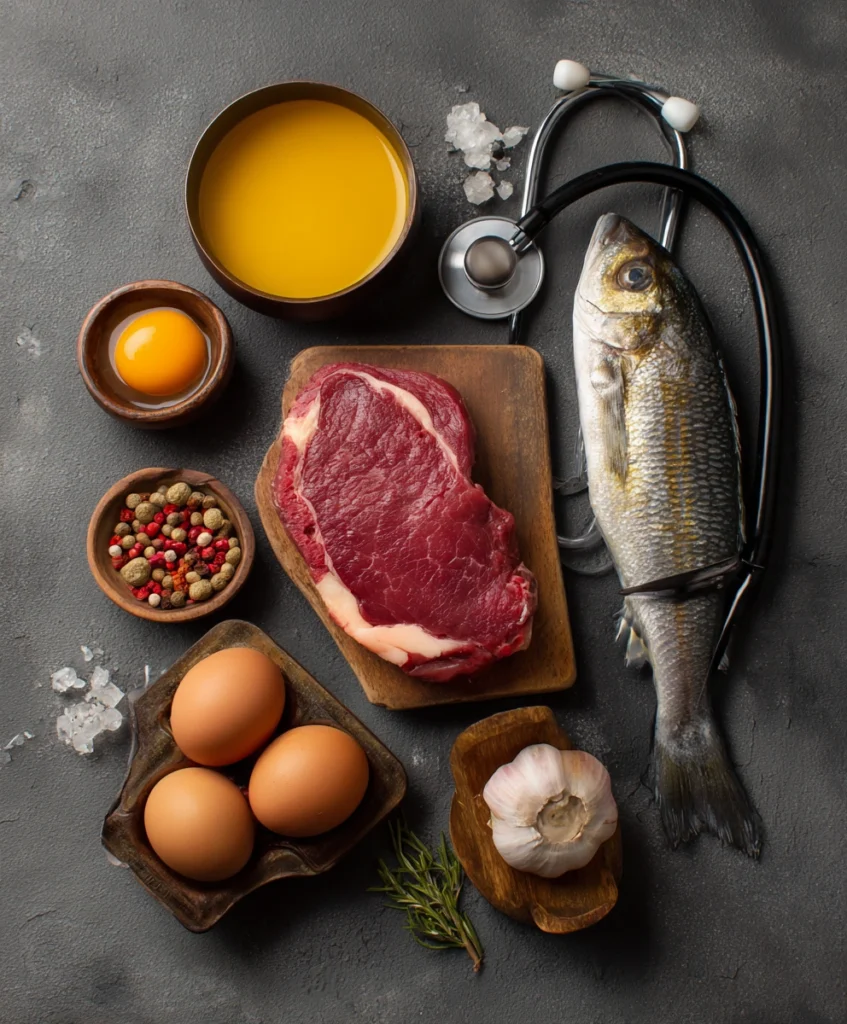
The carnivore diet is the most extreme form of low-carb eating. It removes all plant foods — no fruits, vegetables, grains, or legumes. The only foods allowed are from the animal kingdom: beef, chicken, fish, eggs, butter, and sometimes cheese.
The logic is simple: remove carbs, sugar, and plant toxins, and eat only protein and fat. Supporters say it improves digestion, clears the skin, and boosts focus. However, as a doctor, I remind my patients that removing entire food groups always comes with potential risks: vitamin and mineral deficiencies, increased cholesterol, and strain on the kidneys.
In my medical practice, I’ve met patients who felt amazing after a few weeks — less bloating, better concentration — but others developed constipation, fatigue, or high cholesterol levels. The key is balance and medical monitoring.
My Professional Advice Before Starting : Carnivore Diet Recipes
If you’re planning to try a carnivore diet, take these steps first:
- Do basic blood tests: lipid profile, kidney and liver function, vitamin D, B12, and iron.
- Stay hydrated: the first days can cause fatigue due to sodium loss. Add salt and drink enough water.
- Avoid processed meats: bacon, sausages, and deli meats contain nitrates and additives that can increase cancer risk.
- Prefer slow cooking: avoid burning or charring meat to reduce toxic compounds.
- Plan it as a short trial: 2–4 weeks maximum before reintroducing fiber-rich foods.
I often tell my patients: the goal isn’t to “live on meat forever,” but to understand how your body reacts when you eliminate common irritants like gluten or dairy. Then, you can reintroduce healthy plant foods one by one.

Doctor-Approved Carnivore Diet Recipes
Here are simple, satisfying, and nutritionally balanced recipes you can enjoy if you decide to follow a carnivore phase. They focus on fresh meats, fish, and eggs, gentle cooking, and micronutrient variety.
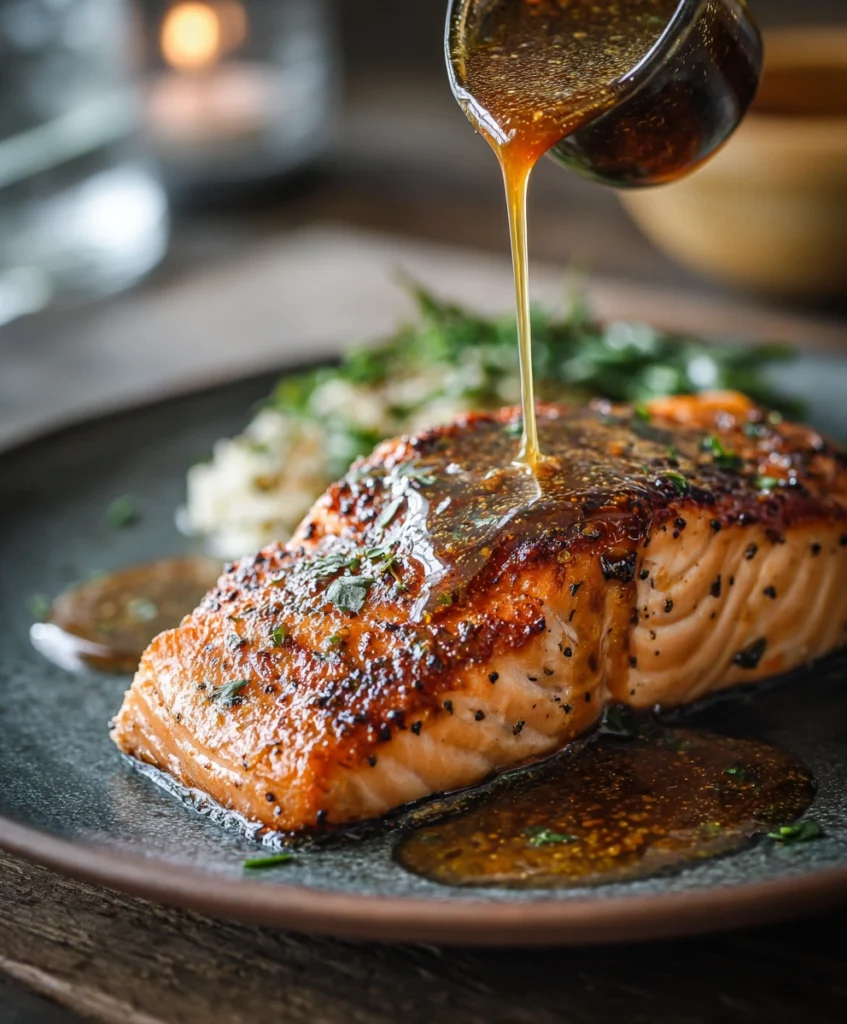
1. Poached Salmon in Bone Broth
Why I recommend it: rich in omega-3 fats, gentle on digestion, and easy to prepare.
Ingredients:
- 1 salmon fillet (around 180 g)
- 1 cup beef or fish bone broth
- A pinch of salt
Method:
Heat the bone broth in a small pot, add the salmon, and let it simmer gently for 6–8 minutes. Remove and serve with a drizzle of warm broth on top.
Doctor’s note About Carnivore Diet Recipes: fish oils help balance inflammation and support heart health, especially during high-protein diets.
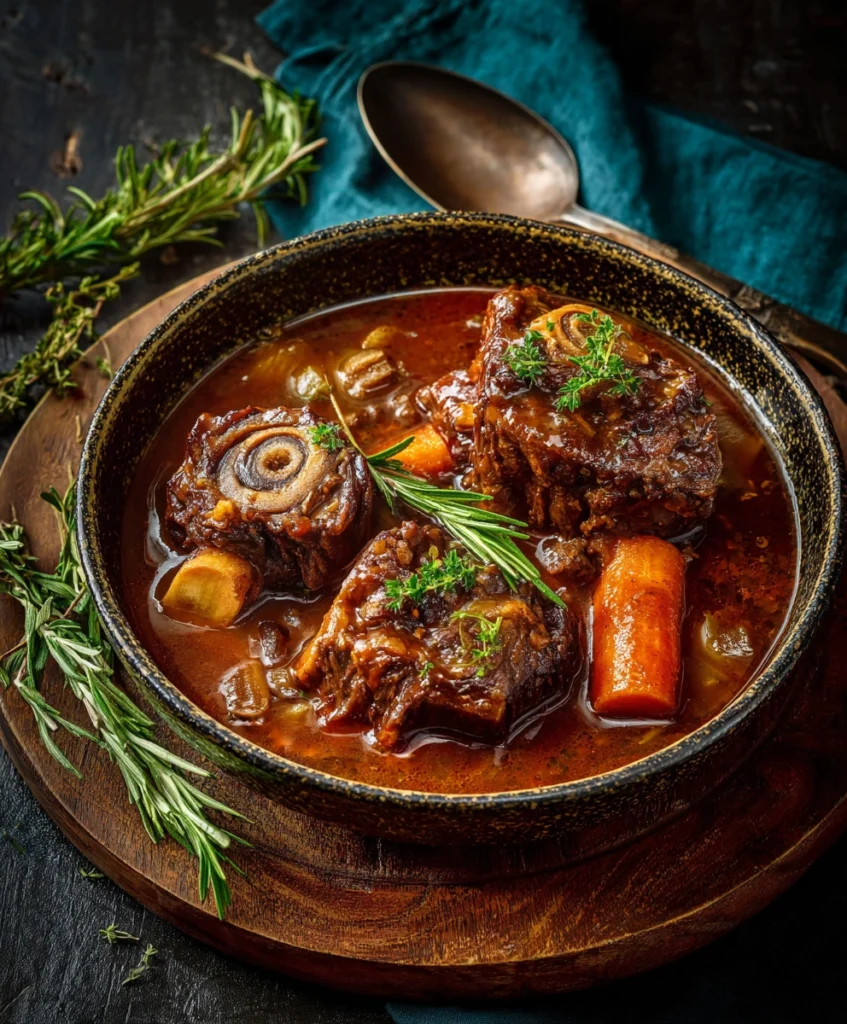
2. Tender Beef Shank Stew
Why it’s healthy: collagen and gelatin in beef shank are great for joint and skin health.
Ingredients:
- 500 g beef shank
- 1 cup water or unsalted bone broth
- Salt to taste
Method:
Place all ingredients in a pressure cooker or slow cooker. Cook until soft (about 1 hour in a pressure cooker). Serve with the broth as a natural sauce.
Doctor’s note About Carnivore Diet Recipes: this dish keeps you full for hours without blood-sugar swings.
3. Soft Scrambled Eggs with Sardines
Why it’s beneficial: eggs give choline and protein, while sardines supply calcium, selenium, and iodine.
Ingredients:
- 2–3 eggs
- 1 small can of sardines (in water or olive oil)
- A teaspoon of butter or tallow
Method:
Warm the sardines slightly, scramble the eggs gently in butter, and mix them together.
Doctor’s note About Carnivore Diet Recipes: this combination supports thyroid health and helps you stay satisfied longer.

4. Quick-Seared Beef Liver Medallions
Why I suggest it: liver is nature’s multivitamin — rich in iron, vitamin A, and B12.
Ingredients:
- 100 g thin-sliced beef liver
- Butter or ghee for cooking
- Salt
Method:
Heat butter in a pan over medium heat. Cook the liver for 1 minute per side, just until browned.
Doctor’s note About Carnivore Diet Recipes: eat small portions (once a week) — liver is powerful but can provide too much vitamin A if overused.

5. Braised Chicken Thighs
Why it’s useful: moist cooking keeps meat tender and lowers the formation of harmful compounds.
Ingredients:
- 2 chicken thighs with skin
- ½ cup water
- Salt
Method:
Place chicken and water in a covered pan. Cook slowly over low heat until the meat separates easily from the bone.
Doctor’s note About Carnivore Diet Recipes: if you struggle with digestion, remove the skin to reduce fat load.

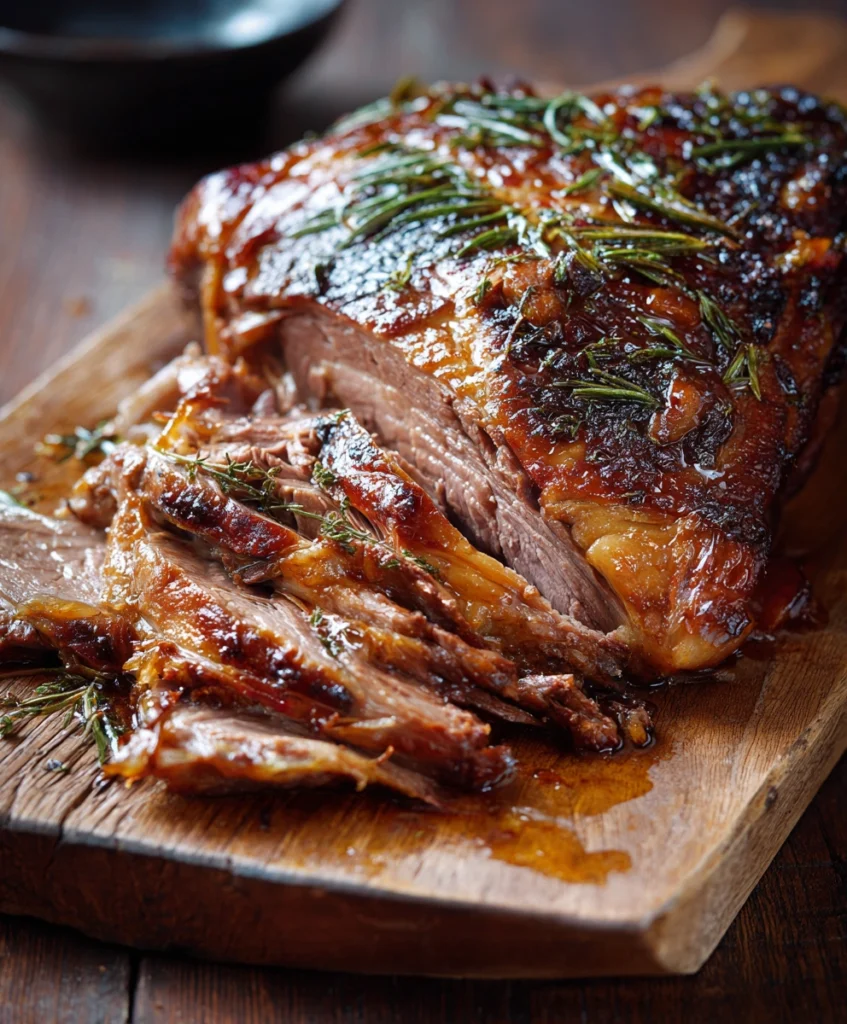
6. Slow-Roasted Lamb Shoulder
Why it’s nourishing: lamb provides zinc and iron for energy and hormone support.
Ingredients:
- 1 kg lamb shoulder
- Salt only
Method:
Bake covered at 140 °C (285 °F) for 3–4 hours. Uncover for the last 20 minutes to brown lightly.
Doctor’s note About Carnivore Diet Recipes: the slow method keeps nutrients intact and avoids excessive charring.
7. Shrimp and Egg Breakfast Bowl
Why it’s light: a perfect high-protein start for people with sensitive digestion.
Ingredients:
- 6 large shrimp
- 2 eggs
- 1 teaspoon butter
Method:
Sauté shrimp in butter until pink, remove, scramble eggs in the same pan, and combine.
Doctor’s note About Carnivore Diet Recipes: shrimp provide iodine and lean protein without heavy fats.

8. Bone Broth Energy Drink
Why it matters: supports electrolytes, hydration, and joint health.
Ingredients:
- 2 cups beef or chicken bones
- 1 liter water
- Salt
Method:
Simmer for 6–8 hours (or use a pressure cooker for 1 hour). Sip during the day instead of coffee or sugary drinks.
Doctor’s note About Carnivore Diet Recipes: bone broth replaces minerals lost when you reduce carbs.

9. Oven-Baked Mackerel
Why it’s valuable: mackerel is rich in vitamin D and omega-3s.
Ingredients:
- 1 fresh mackerel
- Salt and a drizzle of tallow
Method:
Bake at 160 °C (320 °F) for 20 minutes until tender.
Doctor’s note About Carnivore Diet Recipes: oily fish twice a week can help stabilize cholesterol levels during carnivore eating.

10. Carnivore Breakfast Muffins (Egg & Beef Version)
Ingredients:
- 3 eggs
- 100 g minced beef
- Butter
Method:
Brown the beef, mix with beaten eggs, and pour into muffin cups. Bake at 180 °C (350 °F) for 15 minutes.
Doctor’s note About Carnivore Diet Recipes: these make excellent snacks or travel meals without carbs.

My Medical Observations in Practice
In my clinic, some patients use a short carnivore phase to calm inflammation or reset eating habits. Many notice:
- Less bloating
- More stable energy
- Reduced sugar cravings
However, I also monitor for:
- Constipation due to lack of fiber
- Increased LDL (“bad”) cholesterol
- Fatigue from missing vitamins C and folate
For most people, I recommend treating the carnivore diet as a temporary elimination plan — not a permanent lifestyle. After 2–4 weeks, it’s wise to reintroduce low-FODMAP vegetables, avocado, or berries to restore fiber and antioxidants.
Cooking Tips to Stay Safe About Carnivore Diet Recipes
- Avoid burnt meat: high-heat grilling creates harmful compounds; slow cook or bake instead.
- Rotate proteins: alternate between red meat, poultry, fish, and eggs for better nutrient balance.
- Include organ meats sparingly: once a week is enough.
- Use natural fats: butter, ghee, or beef tallow — skip vegetable oils.
- Stay hydrated: dehydration is common at first; add salt to water if needed.
7-Day Carnivore Diet Recipes: Menu Example
| Day | Breakfast | Lunch | Dinner |
|---|---|---|---|
| 1 | Scrambled eggs with sardines | Poached salmon | Beef shank stew |
| 2 | Bone broth cup + boiled eggs | Chicken thighs | Lamb shoulder |
| 3 | Shrimp & egg bowl | Mackerel fillet | Beef liver |
| 4 | Egg & beef muffins | Salmon leftovers | Pressure-cooked veal shank |
| 5 | Omelette | Beef ribs | Poached fish |
| 6 | Boiled eggs | Chicken wings | Oxtail stew |
| 7 | Bone broth + soft eggs | Lamb stew | Slow-baked fish |
Final Doctor’s Advice
- Listen to your body: if you feel dizzy, fatigued, or constipated, the diet may not suit you.
- Get blood tests if you continue beyond 4 weeks.
- Don’t ignore vegetables forever. Fiber and antioxidants are essential for long-term gut and heart health.
- Avoid processed meat: even during a carnivore phase, choose natural cuts of meat and fish.
- Think of it as a reset, not a lifelong rule.
Frequently Asked Questions About Carnivore Diet Recipes
What Is a Carnivore Diet ?
The carnivore diet is an eating plan made entirely of animal-based foods. That means you eat only meat, fish, eggs, and sometimes dairy, and completely avoid fruits, vegetables, grains, and sugars. It’s basically a zero-carb diet.
As a doctor, I describe it as an elimination diet — it removes most potential irritants and allergens found in plant foods, but it must be done carefully and temporarily, because it can cause vitamin and fiber deficiencies if followed long term.
What Can You Eat on the Carnivore Diet ?
You can eat:
All types of meat — beef, lamb, chicken, turkey
Fish and seafood — salmon, sardines, shrimp, tuna, and shellfish.
Eggs — a main source of protein and nutrients.
Animal fats — butter, beef tallow.
Organ meats in moderation — liver, heart, kidney.
Some people include dairy (cheese, cream, yogurt) if tolerated.
You should avoid:
All plant foods (fruits, vegetables, grains, nuts, legumes).
Sugary drinks, alcohol, and processed foods.
Doctor’s advice: choose fresh, unprocessed meats and use slow cooking methods to reduce harmful compounds.
Is the Carnivore Diet Healthy ?
Short-term, many people feel less bloated and lose weight quickly because the diet reduces carbs and processed food.
However, long-term health effects remain uncertain.
As a doctor, I’ve seen increased LDL cholesterol, constipation, and micronutrient deficiencies in patients who followed it for too long.
If you choose to try it, treat it as a short experiment (2–4 weeks) with proper blood tests and medical supervision. Then reintroduce fiber-rich foods to protect your gut and heart.
What Can I Eat on the Carnivore Diet ?
You can rotate between different animal sources to prevent boredom and nutritional gaps:
Red meat: beef, lamb, or veal (rich in iron and zinc).
Poultry: chicken, duck, or turkey (lighter protein).
Fish: salmon, mackerel, sardines (omega-3 fats).
Eggs: boiled, scrambled, or poached for easy digestion.
Organ meats: once a week to add vitamins A and B12.
Doctor’s tip: change your protein source every day and drink bone broth to stay hydrated and maintain minerals.
What Does a Carnivore Diet Breakfast Look Like?
A carnivore breakfast is simple and protein-rich.
Examples include:
Scrambled eggs with sardines or smoked salmon
Boiled eggs with beef bacon (unprocessed)
Omelet with minced beef or chicken
Leftover steak or lamb from dinner
Bone broth cup with soft-boiled eggs
Doctor’s comment: these meals keep blood sugar stable and help you stay full until lunch. If you usually crave sugar in the morning, this approach can reduce those cravings.
The Bottom Line
The carnivore diet can lead to short-term improvements for some people — especially when it replaces ultra-processed food. But as a doctor, I see it as a therapeutic tool, not a permanent solution. You can benefit from its simplicity and high-protein satisfaction, but you must stay aware of nutritional gaps.
The best results come when you combine medical monitoring, smart cooking methods, and balanced recipes like the ones above. Remember: health isn’t about extremes — it’s about listening to your body and nourishing it with care.