
Introduction About Can I Eat Matcha While Pregnant
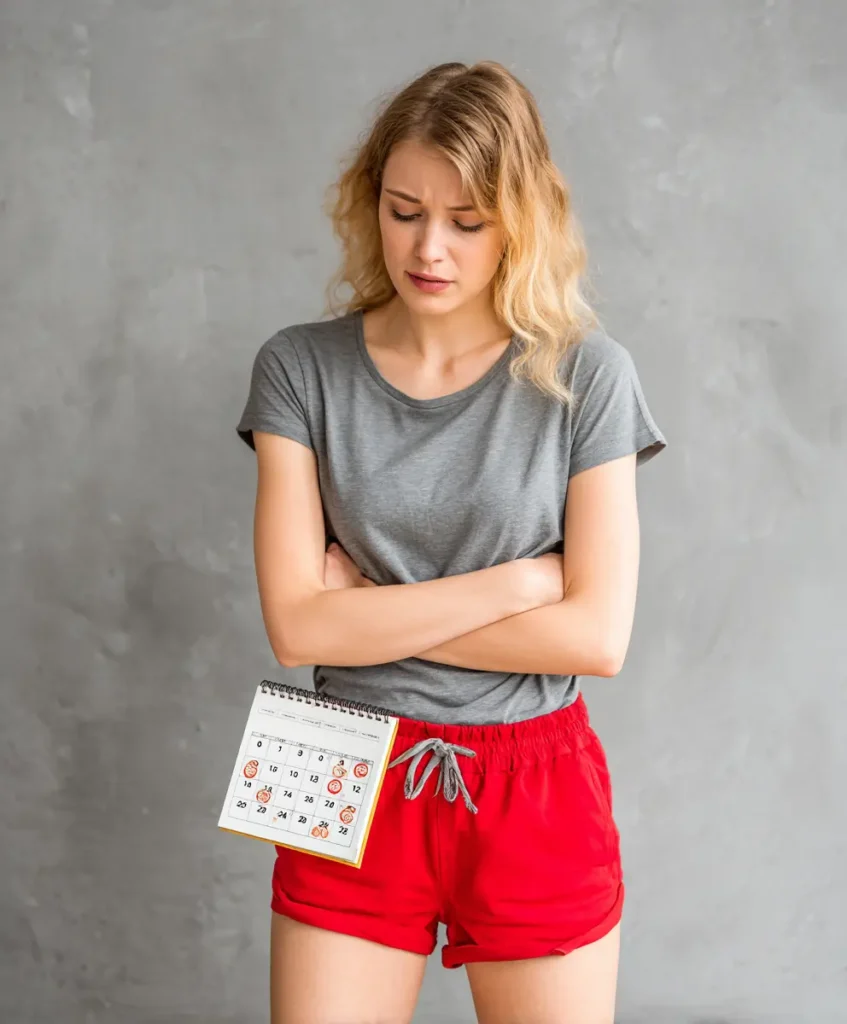
Pregnancy is a period when women naturally become more cautious about what they eat and drink. From caffeine intake to herbal teas and superfoods, every choice feels significant when it comes to protecting the health of a growing baby. One increasingly common question among expectant mothers is: can I eat matcha while pregnant? With matcha gaining popularity for its taste and perceived health benefits, it is important to understand how this powdered green tea fits into a pregnancy-safe diet.
This article provides a clear, evidence-based medical explanation of matcha consumption during pregnancy, including its nutritional profile, potential benefits, possible risks, and practical guidelines for safe use.
Table of Contents
What Is Matcha?
Matcha is a finely ground powder made from specially grown green tea leaves. Unlike traditional green tea, where leaves are steeped and discarded, matcha involves consuming the entire leaf. This results in a more concentrated source of caffeine, antioxidants, and other bioactive compounds.
Because the whole leaf is ingested, matcha delivers higher amounts of certain substances compared to regular green tea. This concentration is precisely why many women wonder can I eat matcha while pregnant without putting their baby at risk.
Why Pregnancy Changes Dietary Recommendations
During pregnancy, the body undergoes significant hormonal and metabolic changes. The placenta allows many substances to pass from mother to fetus, including caffeine. Since the fetus cannot efficiently metabolize caffeine, even moderate amounts can have stronger effects than they would in a non-pregnant adult.
Additionally, pregnancy increases the body’s need for essential nutrients such as iron and folate. Any food or beverage that interferes with nutrient absorption must be consumed carefully.
Can I Eat Matcha While Pregnant? The Medical Consensus
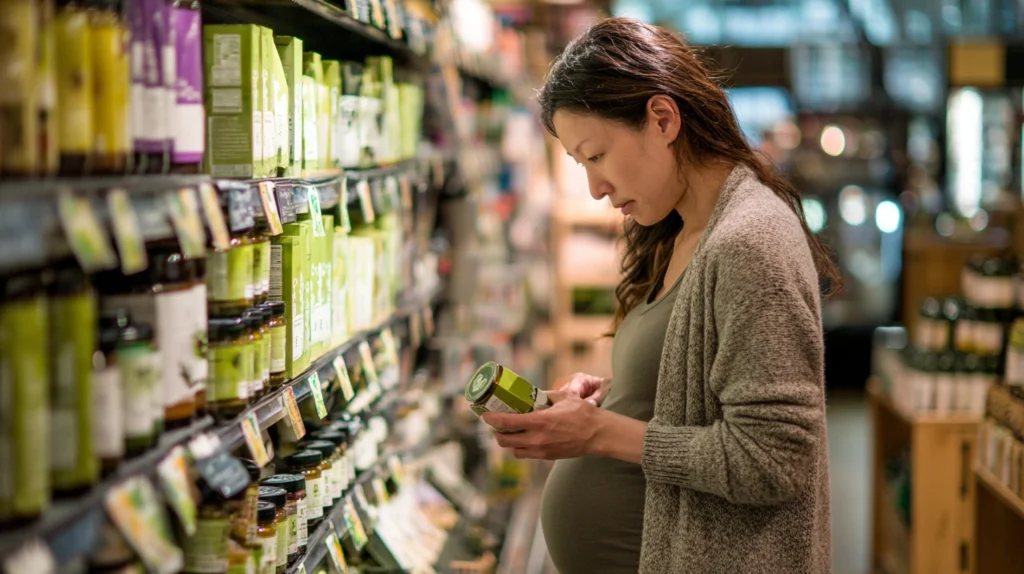
From a medical standpoint, can I eat matcha while pregnant is best answered with moderation rather than a simple yes or no. Most healthcare professionals agree that small amounts of matcha can be safe during pregnancy, provided that total daily caffeine intake stays within recommended limits.
Matcha is not considered harmful when consumed occasionally and responsibly. However, it should not be consumed excessively or without attention to portion size.
Caffeine Content in Matcha
One of the most important concerns when asking can I eat matcha while pregnant is caffeine exposure.
How Much Caffeine Does Matcha Contain?
A standard serving of matcha typically contains between 30 and 80 milligrams of caffeine, depending on the amount of powder used and how it is prepared. This is less than coffee but often more than regular green tea.
Medical guidelines generally recommend limiting caffeine intake during pregnancy to no more than 200 milligrams per day. Exceeding this amount has been associated with increased risks of miscarriage, low birth weight, and fetal growth restriction.
Because caffeine adds up quickly, matcha should always be counted alongside other sources such as coffee, tea, chocolate, and soft drinks.
Potential Benefits of Matcha During Pregnancy
When consumed responsibly, matcha may offer some supportive properties that can fit into a balanced pregnancy diet.
1. Antioxidant Support
Matcha is rich in antioxidants known as catechins. These compounds help protect cells from oxidative stress and support overall health. Antioxidants are beneficial during pregnancy, as they contribute to normal cellular function.
2. L-Theanine and Calm Energy
Matcha contains L-theanine, an amino acid that promotes a sense of calm and focus. This may help smooth the stimulating effects of caffeine, resulting in a gentler energy boost compared to coffee.
3. Micronutrients
Matcha contains small amounts of vitamins and minerals, including vitamin C, vitamin A, magnesium, and zinc. While these nutrients are helpful, matcha should not replace prenatal vitamins or a nutrient-dense diet.
Risks and Medical Concerns to Consider
Despite its benefits, there are valid reasons why many women continue to ask can I eat matcha while pregnant with caution.
1. Excess Caffeine Intake
Consuming too much matcha can easily lead to excessive caffeine intake. High caffeine exposure during pregnancy has been linked to:
- Increased miscarriage risk
- Low birth weight
- Possible effects on fetal heart rate
For this reason, most healthcare providers recommend limiting matcha to one small serving per day during pregnancy.
2. Folate Absorption Interference
Folate is essential during early pregnancy to support neural tube development. Matcha contains catechins that may reduce folate absorption when consumed in large quantities.
While moderate matcha intake is unlikely to cause folate deficiency, excessive consumption could be problematic if prenatal vitamin intake is inconsistent.
3. Iron Absorption and Anemia Risk
Matcha contains tannins, compounds that can reduce the absorption of non-heme iron. Iron requirements increase significantly during pregnancy, and inadequate absorption can contribute to anemia.
Drinking matcha with meals may reduce iron uptake, particularly in women who already have low iron levels.
4. Gastrointestinal and Sensitivity Issues
Some pregnant women are more sensitive to caffeine and tea compounds. Matcha may cause:
- Nausea
- Heartburn
- Palpitations
- Headaches
- Sleep disturbances
If these symptoms occur, reducing or avoiding matcha is advisable.
How to Safely Consume Matcha During Pregnancy
For women who decide to include matcha in their diet, following medical guidelines can help reduce risks. This is especially important for those still asking can I eat matcha while pregnant safely.
Limit Portion Size
Stick to one serving per day and avoid concentrated preparations.
Track Total Caffeine Intake
Ensure all sources of caffeine combined remain below the recommended daily limit.
Avoid Drinking Matcha With Meals
Consume matcha between meals to reduce interference with iron absorption.
Choose High-Quality Products
Select reputable matcha products to minimize contamination and excessive caffeine levels.
Pay Attention to Symptoms
If matcha causes discomfort, insomnia, or digestive upset, discontinuation is the safest option.
Matcha in Foods and Desserts
Many women wonder can I eat matcha while pregnant in baked goods or sweets. Matcha-flavored foods generally contain smaller amounts of matcha powder, resulting in lower caffeine exposure per serving.
However, multiple servings can still add up. Matcha desserts should be treated as occasional treats rather than daily staples.
When to Avoid Matcha Completely
In some situations, healthcare providers may recommend avoiding matcha entirely, including:
- Severe anemia
- High caffeine sensitivity
- Pregnancy-related heart palpitations
- History of miscarriage linked to caffeine intake
In these cases, personalized medical advice should always take priority.
Safe Alternatives to Matcha
If you enjoy warm beverages but prefer to avoid caffeine, alternatives include:
- Decaffeinated green tea
- Warm milk or plant-based milk
- Pregnancy-approved herbal teas
- Fruit-infused water
These options provide comfort without caffeine-related concerns.
Final Answer: Can I Eat Matcha While Pregnant?
So, can I eat matcha while pregnant?
Yes — matcha can be consumed during pregnancy in moderation, with careful attention to caffeine intake, nutrient timing, and individual tolerance.
Matcha is not a necessary part of a pregnancy diet, but it does not need to be completely avoided unless advised by a healthcare professional. The key is moderation, awareness, and balance.
Key Takeaways for Expectant Mothers
- Matcha contains caffeine and should be limited
- One small serving per day is generally safe
- Avoid matcha with iron-rich meals
- Maintain adequate folate and iron intake
- Always consult your healthcare provider if unsure
This article draws on insights from trusted maternal health resources, including evidence-based discussions on matcha consumption during pregnancy.