
pregnancyfollowup.com

drsoukainaelaziz@gmail.com

Gluten-Free Pasta

Gluten-Free Pasta: 5 Doctor-Approved Recipes for Healthy, Happy Digestion

In recent years, the demand for gluten-free foods has exploded, and among the most popular substitutes is gluten-free pasta. As a doctor who regularly counsels patients with gluten-related disorders, I frequently address the question: Is gluten-free pasta a healthy alternative? This article blends current scientific evidence, practical nutritional commentary, and my clinical experience to provide a comprehensive review. What Does “Gluten-Free” Mean? Gluten is a natural protein found in wheat, barley, and rye. Some people can’t digest it properly—especially those with celiac disease or gluten sensitivity.For them, eating gluten can cause bloating, fatigue, skin rashes, or even anemia.As a doctor, I often see patients feel much better once they replace regular pasta with gluten-free versions—less bloating, better digestion, and more energy. Gluten-free pasta : What is it? Ingredients, production and quality Traditional pasta is made from durum wheat semolina and water; gluten is critical to its visco-elastic structure, chew, and cooking behaviour. Gluten-free pasta is manufactured using alternative flours/starches (e.g., rice, corn, quinoa, amaranth, buckwheat) and technological aids (hydrocolloids, proteins, enzymes) to mimic the texture and cooking performance of wheat pasta. For example, one study assessed various maize-based cultivars in gluten-free pasta and found differences in water absorption, swelling index and sensory acceptability. Another research review highlighted that using amaranth flour improved both the nutritional and textural qualities of gluten-free pasta. From my clinic experience with CD-patients, it’s important to advise that not all gluten-free pastas are nutritionally equal or offer the same cooking quality – texture and taste vary considerably. Gluten-Free Pasta Recipes 1. Brown Rice Pasta with Veggies Ingredients Steps Doctor’s advice Brown rice pasta is gentle on the stomach and a good source of magnesium. I recommend it for people with sensitive digestion or after pregnancy, when your gut needs light, nourishing food. 2. Chickpea Pasta with Tomato Sauce Ingredients Steps Doctor’s advice Chickpea pasta is high in protein and fibre, perfect for maintaining muscle tone and keeping you full. I recommend it for women managing weight or balancing blood sugar. 3. Quinoa Pasta with Spinach & Garlic Ingredients Steps Doctor’s advice Quinoa pasta contains all essential amino acids, supporting hair, skin, and cell repair. I often suggest it for women after childbirth or during recovery periods. 4. Buckwheat (Soba) Noodles Stir-Fry Ingredients Steps Doctor’s advice Buckwheat is rich in antioxidants and iron. It helps improve circulation and energy levels. I recommend it for women with fatigue or mild anemia. 5. Corn & Rice Pasta Salad Ingredients Steps Doctor’s advice This light salad is ideal for summer detox or bloating relief. Corn-based pasta is easy to digest and provides quick energy without heavy fats. Frequently Asked Questions Doctor’s Final Word Switching to gluten-free pasta doesn’t mean giving up taste or pleasure.The secret is to choose the right ingredients, balance your plate, and listen to your body. As a doctor, I recommend: Gluten-free pasta can be part of a delicious, healthy lifestyle—for patients and families alike! Follow Us for More Healthy Recipes

Gluten-Free Pasta: 5 Doctor-Approved Recipes for Healthy, Happy Digestion Read More »
Carnivore Diet Recipes

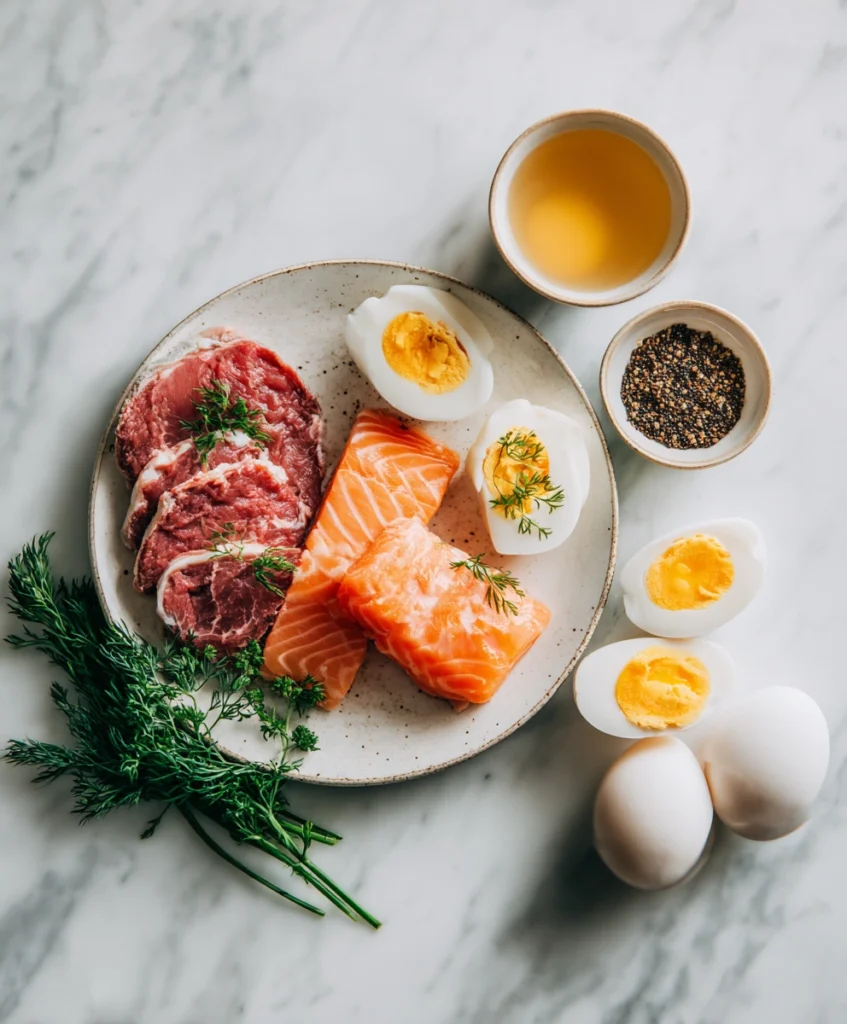
Carnivore Diet Recipes: A Doctor’s Guide to Doing It Safely

Carnivore diet recipes are gaining huge popularity among people looking for fast weight loss, reduced bloating, and mental clarity. The carnivore diet is a plan where you eat only animal-based foods like meat, fish, eggs, and sometimes dairy. It promises quick results, but as a doctor, I’ve seen both the benefits and the risks. Some of my patients feel lighter and more focused, while others experience fatigue or changes in cholesterol levels. In this article, I’ll explain what the carnivore diet really is, what you can eat, what science says about it, and I’ll share my own doctor-approved carnivore diet recipes designed to nourish your body safely while giving you visible results. Understanding the Carnivore Diet The carnivore diet is the most extreme form of low-carb eating. It removes all plant foods — no fruits, vegetables, grains, or legumes. The only foods allowed are from the animal kingdom: beef, chicken, fish, eggs, butter, and sometimes cheese. The logic is simple: remove carbs, sugar, and plant toxins, and eat only protein and fat. Supporters say it improves digestion, clears the skin, and boosts focus. However, as a doctor, I remind my patients that removing entire food groups always comes with potential risks: vitamin and mineral deficiencies, increased cholesterol, and strain on the kidneys. In my medical practice, I’ve met patients who felt amazing after a few weeks — less bloating, better concentration — but others developed constipation, fatigue, or high cholesterol levels. The key is balance and medical monitoring. My Professional Advice Before Starting : Carnivore Diet Recipes If you’re planning to try a carnivore diet, take these steps first: I often tell my patients: the goal isn’t to “live on meat forever,” but to understand how your body reacts when you eliminate common irritants like gluten or dairy. Then, you can reintroduce healthy plant foods one by one. Doctor-Approved Carnivore Diet Recipes Here are simple, satisfying, and nutritionally balanced recipes you can enjoy if you decide to follow a carnivore phase. They focus on fresh meats, fish, and eggs, gentle cooking, and micronutrient variety. 1. Poached Salmon in Bone Broth Why I recommend it: rich in omega-3 fats, gentle on digestion, and easy to prepare. Ingredients: Method:Heat the bone broth in a small pot, add the salmon, and let it simmer gently for 6–8 minutes. Remove and serve with a drizzle of warm broth on top. Doctor’s note About Carnivore Diet Recipes: fish oils help balance inflammation and support heart health, especially during high-protein diets. 2. Tender Beef Shank Stew Why it’s healthy: collagen and gelatin in beef shank are great for joint and skin health. Ingredients: Method:Place all ingredients in a pressure cooker or slow cooker. Cook until soft (about 1 hour in a pressure cooker). Serve with the broth as a natural sauce. Doctor’s note About Carnivore Diet Recipes: this dish keeps you full for hours without blood-sugar swings. 3. Soft Scrambled Eggs with Sardines Why it’s beneficial: eggs give choline and protein, while sardines supply calcium, selenium, and iodine. Ingredients: Method:Warm the sardines slightly, scramble the eggs gently in butter, and mix them together. Doctor’s note About Carnivore Diet Recipes: this combination supports thyroid health and helps you stay satisfied longer. 4. Quick-Seared Beef Liver Medallions Why I suggest it: liver is nature’s multivitamin — rich in iron, vitamin A, and B12. Ingredients: Method:Heat butter in a pan over medium heat. Cook the liver for 1 minute per side, just until browned. Doctor’s note About Carnivore Diet Recipes: eat small portions (once a week) — liver is powerful but can provide too much vitamin A if overused. 5. Braised Chicken Thighs Why it’s useful: moist cooking keeps meat tender and lowers the formation of harmful compounds. Ingredients: Method:Place chicken and water in a covered pan. Cook slowly over low heat until the meat separates easily from the bone. Doctor’s note About Carnivore Diet Recipes: if you struggle with digestion, remove the skin to reduce fat load. 6. Slow-Roasted Lamb Shoulder Why it’s nourishing: lamb provides zinc and iron for energy and hormone support. Ingredients: Method:Bake covered at 140 °C (285 °F) for 3–4 hours. Uncover for the last 20 minutes to brown lightly. Doctor’s note About Carnivore Diet Recipes: the slow method keeps nutrients intact and avoids excessive charring. 7. Shrimp and Egg Breakfast Bowl Why it’s light: a perfect high-protein start for people with sensitive digestion. Ingredients: Method:Sauté shrimp in butter until pink, remove, scramble eggs in the same pan, and combine. Doctor’s note About Carnivore Diet Recipes: shrimp provide iodine and lean protein without heavy fats. 8. Bone Broth Energy Drink Why it matters: supports electrolytes, hydration, and joint health. Ingredients: Method:Simmer for 6–8 hours (or use a pressure cooker for 1 hour). Sip during the day instead of coffee or sugary drinks. Doctor’s note About Carnivore Diet Recipes: bone broth replaces minerals lost when you reduce carbs. 9. Oven-Baked Mackerel Why it’s valuable: mackerel is rich in vitamin D and omega-3s. Ingredients: Method:Bake at 160 °C (320 °F) for 20 minutes until tender. Doctor’s note About Carnivore Diet Recipes: oily fish twice a week can help stabilize cholesterol levels during carnivore eating. 10. Carnivore Breakfast Muffins (Egg & Beef Version) Ingredients: Method:Brown the beef, mix with beaten eggs, and pour into muffin cups. Bake at 180 °C (350 °F) for 15 minutes. Doctor’s note About Carnivore Diet Recipes: these make excellent snacks or travel meals without carbs. My Medical Observations in Practice In my clinic, some patients use a short carnivore phase to calm inflammation or reset eating habits. Many notice: However, I also monitor for: For most people, I recommend treating the carnivore diet as a temporary elimination plan — not a permanent lifestyle. After 2–4 weeks, it’s wise to reintroduce low-FODMAP vegetables, avocado, or berries to restore fiber and antioxidants. Cooking Tips to Stay Safe About Carnivore Diet Recipes 7-Day Carnivore Diet Recipes: Menu Example Day Breakfast Lunch Dinner 1 Scrambled eggs with sardines Poached salmon Beef shank stew 2 Bone

Carnivore Diet Recipes: A Doctor’s Guide to Doing It Safely Read More »

hair gloss

Hair Gloss: Treatment, A Doctor’s Simple Guide to Shinier, Healthier Hair

Introduction Many people dream of soft, shiny, healthy-looking hair. But between stress, pollution, heat, and chemical treatments, our hair often loses its natural glow.That’s where hair gloss comes in — a simple, quick treatment that gives dull hair an instant mirror-like shine. As a doctor, I often meet women who feel their hair has become lifeless due to hormonal changes, postpartum shedding, or iron deficiency.Hair gloss doesn’t cure medical problems, but it can help restore confidence and beauty while we work on treating the root cause. What Is Hair Gloss? Hair gloss is a semi-permanent conditioning treatment that coats the outer layer of your hair (the cuticle).It smooths the surface, enhances shine, reduces frizz, and can refresh hair color without damaging the strands. You can think of it like a “top coat” for your hair — similar to how clear polish makes nails shiny and smooth.The effect lasts a few weeks, depending on how often you wash your hair and the products you use. How Does Hair Gloss Work? The science behind shine is actually very simple.Healthy hair has a flat, smooth cuticle that reflects light evenly — that’s what makes it look glossy.When the cuticle is rough or lifted (from heat, sun, or coloring), light scatters and hair looks dull. A hair gloss treatment works by: The result: shiny, manageable, soft hair that catches the light beautifully. My Experience as a Doctor In my daily consultations, I often meet women who say, “My hair looks dull no matter what I do.” I first make sure there isn’t a medical reason — such as thyroid imbalance, anemia, vitamin deficiency, or stress-related hair loss.Once we manage those issues, I often recommend a clear hair gloss as part of a cosmetic routine to restore shine quickly. Hair gloss is especially helpful after: It gives patients a psychological boost — they feel more confident and radiant while their natural hair health improves. Main Ingredients in Hair Gloss Most gloss products share the same basic types of ingredients: The Real Benefits Here’s what you can expect from a good hair gloss: ✅ Instant shine – your hair reflects more light.✅ Softer texture – the strands feel smoother to the touch.✅ Less frizz – the cuticle stays flat and hydrated.✅ Easy styling – the hair becomes more manageable.✅ Subtle color refresh – if you use a tinted gloss, it can restore or adjust color. However, it’s important to remember that hair gloss doesn’t repair internal damage.It improves the appearance of hair, not its internal structure. How Long Does It Last? Usually between 3 to 6 weeks depending on: If you use gentle, sulfate-free shampoos and protect your hair from heat, the shine will last longer. Is Hair Gloss Safe? Yes — most clear hair gloss treatments are considered safe.They don’t use ammonia or peroxide like traditional dyes.However, tinted glosses may contain mild coloring ingredients that can irritate sensitive skin. Patch testing before application is always a good idea, especially if you’ve had allergies to hair dye in the past. As a doctor, I advise avoiding hair gloss if: Hair Gloss vs. Other Treatments Feature Hair Gloss Hair Dye Keratin / Smoothing Purpose Shine & tone Permanent color Straightening Chemicals Mild & acidic Ammonia, peroxide May contain formaldehyde Duration 3–6 weeks Permanent 3–4 months Damage risk Very low Moderate Moderate to high Shine effect Very high Moderate Moderate A key safety reminder:Hair gloss is not a “Brazilian blowout.”It doesn’t use formaldehyde or break bonds inside the hair. Its purpose is shine — not straightening. Salon vs. At-Home Hair Gloss Salon gloss treatments give better and longer results because professionals know how to apply and time them correctly.But at-home gloss kits can also work well if you follow instructions carefully. Salon gloss advantages: At-home gloss advantages: If it’s your first time, I recommend starting with a clear gloss from a trusted brand. How to Make the Shine Last Longer My Doctor’s Routine Recommendation Here’s the simple routine I often share with my patients who want glossy, healthy hair: Step 1: Treat the scalp first — manage dandruff, dryness, or irritation.Step 2: Apply a clear hair gloss once every 4–6 weeks.Step 3: Use a sulfate-free shampoo and a moisturizing conditioner.Step 4: Protect from heat and UV exposure.Step 5: Eat a balanced diet rich in iron, vitamin D, zinc, and omega-3s. Gloss is a cosmetic enhancer — real long-term shine comes from healthy hair and scalp. Frequently Asked Questions When to See a Doctor First If your hair suddenly becomes: It could be a sign of an internal issue like thyroid imbalance, iron deficiency, or hormonal change.In those cases, a medical check-up is more important than any cosmetic product. Hair gloss can improve the look — but the true glow comes from inner health. Key Takeaways Final Doctor’s Message As a doctor, I believe that beauty and health go hand in hand.Hair gloss is a perfect example — a small cosmetic step that helps women feel confident and radiant while we care for their health from the inside. If your hair has lost its shine, start with gentle care, nourish your body, and consider a clear gloss to give it that luminous “mirror” finish.Healthy hair, like healthy skin, reflects inner balance. Written by a Doctor based on medical experience and scientific evidence to help you make informed decisions about Hair Gloss

Hair Gloss: Treatment, A Doctor’s Simple Guide to Shinier, Healthier Hair Read More »

Ovulation Ache

Ovulation Ache (Mittelschmerz): Understanding Mid-Cycle Discomfort

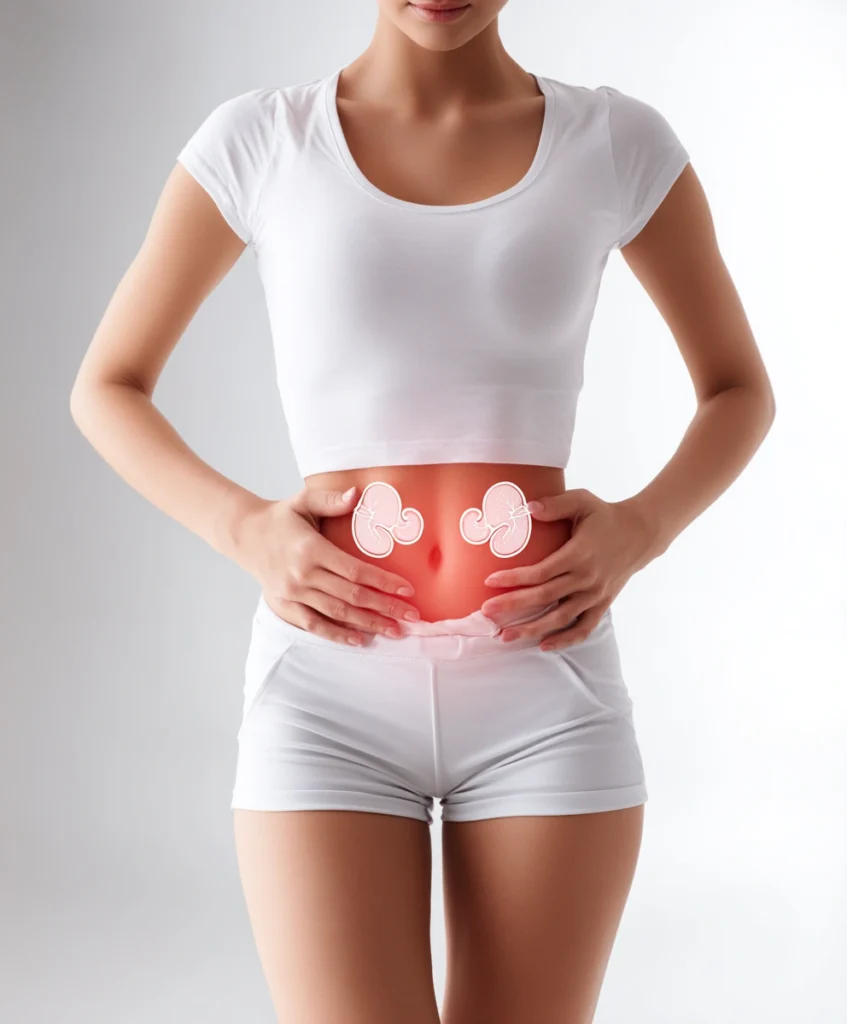
Many women notice a mild, one-sided ache in their lower abdomen around the middle of their menstrual cycle. This phenomenon, known as ovulation ache or mittelschmerz, is a common and usually harmless sign that your body is releasing an egg. Although it can be uncomfortable, this mid-cycle ovulation ache is generally a normal part of fertility and doesn’t indicate disease. As a gynecologist, I often see women who worry that any pelvic ache must be pathological. In most cases, it’s a simple sign of ovulation — but sometimes, it can resemble other conditions that deserve attention. Understanding how and why this ache happens helps women distinguish between normal ovulation and when to seek medical advice. What Is Ovulation Ache? Ovulation ache, medically termed mittelschmerz (German for “middle ache”), refers to a mild pelvic discomfort that occurs during ovulation — the release of an egg from one of the ovaries. It usually appears midway through the menstrual cycle, typically between days 11 and 17 in women with a 28-day cycle. This ache results from the physiological changes surrounding the rupture of the ovarian follicle. It’s estimated that up to 40% of menstruating women experience some degree of ovulation ache in their lifetime. Doctor’s insight:In my clinical practice, I often reassure patients that mittelschmerz is a normal biological sign. However, I also emphasize that consistent or severe ache deserves evaluation — because it may signal something more than ovulation. Where and When Does It Happen? Ovulation usually occurs about two weeks before your next period — around day 14 in a 28-day cycle. The ache typically develops in the lower abdomen on one side, depending on which ovary is releasing the egg. Some women notice that the ache alternates sides each month, while others feel it predominantly on one side. This ovulation ache may appear suddenly or develop gradually, lasting from a few minutes to two days. Some women feel a sharp twinge, while others describe it as a dull pressure or heaviness. Gynecologist’s note:Women who track their menstrual cycles often find that the timing of their discomfort aligns perfectly with ovulation — making it a helpful indicator for fertility awareness. Symptoms of Ovulation Ache The symptoms of ovulation ache can vary from woman to woman. Common signs include: The ache might occur suddenly and then fade, or it can build gradually and stay for a day or two. Gynecologist’s advice:If your ache becomes severe or is associated with fever, vomiting, or heavy bleeding, it’s essential to seek medical attention. Ache that changes in character may no longer be ovulatory in nature. Causes of Ovulation Ache The ovulation ache arises from several physiological events that occur as your body prepares to release an egg. These include: Doctor’s experience:Some women experience stronger discomfort when multiple follicles grow (as in ovarian hyperstimulation or PCOS), or when one ovary dominates repeatedly, causing localized tenderness. Differential Diagnosis: When It’s Not Just Ovulation Ache Several other gynecological or gastrointestinal conditions can mimic ovulation ache. It’s essential to differentiate them, especially if the ache is intense, recurrent, or associated with other symptoms. Condition Typical Features Ovarian cysts Persistent one-sided ache, sometimes with bloating or fullness Endometriosis Cyclic ache before menstruation, painful periods, painful intercourse Pelvic inflammatory disease (PID) Fever, foul vaginal discharge, pelvic tenderness Ectopic pregnancy Missed period, sharp ache, dizziness, positive pregnancy test Appendicitis Ache starts near the navel then shifts to the right lower abdomen, nausea, fever Irritable bowel or inflammatory bowel disease Ache linked to digestion, gas, or bowel changes Sexually transmitted infections (STIs) Discharge, ache during urination, irregular bleeding Gynecologist’s comment:In my consultations, I never assume mid-cycle ache is ovulation-related until I rule out infections, cysts, or endometriosis — especially when the ache feels different from the patient’s usual pattern. Diagnosis Diagnosis of ovulation ache is mainly clinical — based on history, timing, and the pattern of symptoms. However, additional tests may be used to exclude other causes. Recommended evaluation methods: Doctor’s insight:When a patient’s ache occurs mid-cycle, lasts less than two days, and alternates sides monthly — ovulation ache becomes the most likely explanation. When to Seek Medical Advice While mittelschmerz is generally benign, you should consult your healthcare provider if you experience: Gynecologist’s warning:Never ignore new or worsening ache. Even if you’ve always had ovulation ache, a change in its intensity, timing, or accompanying symptoms can indicate another issue. Management and Treatment Most cases of ovulation ache don’t require medical treatment. The goal is to relieve discomfort and identify any underlying causes if symptoms are severe. For Mild Cases: For Moderate to Severe Cases: Doctor’s experience:In women planning pregnancy, I don’t recommend hormonal suppression. Instead, I focus on non-medical ache relief methods like warmth and hydration, since ovulation itself is crucial for conception. Prognosis Ovulation ache is generally harmless and does not affect fertility. In fact, it can be a valuable sign for women tracking their cycles to conceive naturally. Many women find that their ovulation ache becomes predictable, allowing them to identify fertile windows without ovulation tests. The ache usually diminishes with age or after pregnancy, though it can persist throughout reproductive years. Gynecologist’s reassurance:I remind patients that experiencing ovulation ache is a normal sign of healthy ovarian activity — not a disorder that needs fixing. Prevention There’s no specific way to prevent ovulation ache unless ovulation itself is suppressed. However, you can minimize discomfort by: Doctor’s advice:Prevention isn’t always possible — but preparation helps. Knowing your cycle and keeping track of symptoms gives you control over what’s happening in your body. Living With Ovulation Ache For most women, ovulation ache is a short-lived discomfort that doesn’t require medical intervention. However, if it interferes with daily life or sexual activity, consider the following coping strategies: Doctor’s reflection:Many of my patients find relief once they understand their body’s natural rhythm. The knowledge itself can reduce anxiety — often the biggest amplifier of ache. Frequently Asked Questions About Ovulation Ache Conclusion Ovulation ache (Mittelschmerz) is a common mid-cycle discomfort experienced by many

Ovulation Ache (Mittelschmerz): Understanding Mid-Cycle Discomfort Read More »

Best Shampoo for Hair Growth

Best Shampoo for Hair Growth: What Actually Works – A Doctor’s Guide

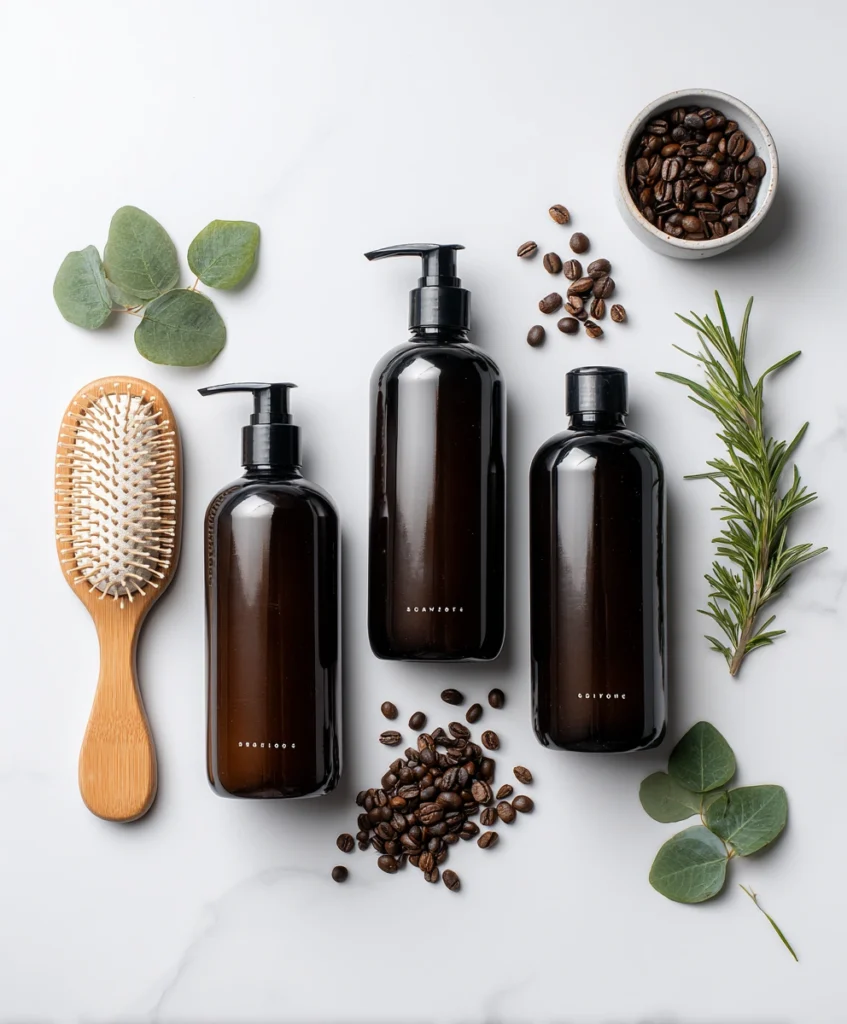
If you’re searching for the best shampoo for hair growth, you’re not alone. Hair loss and thinning are among the most common concerns I see in my daily medical practice. Every day, patients ask me which shampoo can truly make their hair grow back. The truth is: shampoos alone rarely regrow hair — but the right ones can reduce shedding, strengthen the hair shaft, and improve scalp health, which are essential steps toward thicker, healthier hair. As a doctor who regularly manages hormonal and nutritional causes of hair loss, I’ll share both what research shows and what I’ve personally seen work for my patients. This article combines scientific evidence with medical experience to help you choose wisely. What Can a Shampoo Really Do? Scientific studies confirm that shampoos can support hair growth indirectly by: In short, shampoos are not miracle drugs, but they are powerful allies when used correctly and consistently. Key Ingredients Backed by Science About Best Shampoo for Hair Growth 1. Ketoconazole (1–2%) What it is: An antifungal medication that also reduces inflammation and may slightly inhibit androgen activity at the scalp.What studies show: Regular use of 1–2% ketoconazole shampoo has been associated with thicker hair shafts and less shedding, particularly in androgenetic alopecia (hormonal hair loss).Doctor’s advice About Best Shampoo for Hair Growth: I recommend ketoconazole shampoo for patients with oily scalps, dandruff, or itching. Use it once or twice per week, leaving the foam on your scalp for about five minutes before rinsing. It’s especially beneficial for those with hormonal or stress-related hair loss. 2. Zinc Pyrithione (1%) What it is: A proven anti-dandruff ingredient with antimicrobial and anti-inflammatory properties.What studies show: In controlled trials, daily use of zinc pyrithione shampoo led to a gradual increase in hair density and fewer hairs shed per wash compared to placebo.Doctor’s advice About Best Shampoo for Hair Growth: This is ideal for daily or every-other-day use, especially for people with dandruff or seborrheic dermatitis. It’s milder than ketoconazole and can be alternated with a hydrating or caffeine-based shampoo. 3. Piroctone Olamine What it is: Another anti-fungal compound that controls dandruff and scalp irritation.What studies show: Clinical studies found that it improves the anagen/telogen ratio—meaning more hairs stay in the growing phase.Doctor’s advice About Best Shampoo for Hair Growth: I often recommend piroctone olamine shampoos for sensitive scalps that cannot tolerate stronger medicated products. It offers both anti-dandruff benefits and visible improvement in hair volume after several weeks of consistent use. 4. Caffeine and Adenosine What they are: Mild stimulants shown to enhance micro-circulation around hair follicles.What studies show: Research indicates that caffeine may counteract the effects of dihydrotestosterone (DHT), the hormone that contributes to hair thinning in both men and women. Adenosine has also been shown to increase hair thickness and density after several months of use.Doctor’s advice About Best Shampoo for Hair Growth: I often combine caffeine-based shampoos with other treatments like topical minoxidil. Patients report less shedding and improved texture after about 8–12 weeks. These shampoos are suitable for daily use and are generally gentle. 5. Saw Palmetto Extract What it is: A botanical extract with natural DHT-blocking properties.What studies show: Limited studies have shown that saw palmetto, when used topically or orally, may improve hair density in mild androgenetic alopecia.Doctor’s advice About Best Shampoo for Hair Growth: It can be used as a complementary ingredient, especially in natural or botanical shampoos, but it should not replace proven medical treatments like minoxidil. 6. Biotin (Vitamin B7) What it is: A vitamin essential for keratin production.What studies show: Biotin supplementation only helps hair growth in cases of true deficiency, which is rare. Biotin in shampoos has little evidence of effectiveness because it doesn’t penetrate deeply enough to affect follicles.Doctor’s advice About Best Shampoo for Hair Growth: I always test my patients for deficiencies before recommending biotin. For most people, a balanced diet and proper scalp care are more effective than biotin-enriched shampoos. Choosing the Right Shampoo for Your Hair Type 1. For Hormonal or Genetic Hair Loss (Androgenetic Alopecia) Doctor’s experience: Most of my patients with hormonal hair loss notice reduced shedding within two months when we combine minoxidil with a ketoconazole-based routine. 2. For Postpartum Hair Shedding (Telogen Effluvium) Doctor’s experience: Postpartum shedding usually resolves within six months. Using gentle anti-inflammatory shampoos speeds up recovery and keeps the scalp healthy during regrowth. 3. For Dandruff or Oily Scalp Doctor’s experience: When inflammation and flakiness are under control, hair loss slows significantly. Many patients mistake chronic dandruff for a purely cosmetic issue, but it’s actually a common trigger for shedding. 4. For Dry or Damaged Hair with Breakage Doctor’s experience: Patients with dry or processed hair often over-wash. Reducing washing frequency and using protective shampoos helps minimize breakage and improve shine. How to Use Best Shampoo for Hair Growth Correctly How I Advise My Patients to Combine Products In my clinical practice, I build personalized routines depending on the patient’s diagnosis. Here’s an example of a balanced plan: This routine supports scalp health, reduces inflammation, and allows hair growth treatments to penetrate more effectively. When Shampoo Isn’t Enough If you’ve been losing hair for more than six months, it’s time to see a doctor. Persistent shedding or bald spots can indicate androgenetic alopecia, thyroid disorders, anemia, or chronic stress. In those cases, shampoo should be combined with: Shampoos support these treatments but cannot replace them Doctor’s Tips for Long-Term Hair Health Healthy hair starts from the inside but requires consistent external care, too. Common Mistakes to Avoid In my practice, patients who follow a consistent plan and address both external and internal causes have the most satisfying results. Frequently Asked Questions About Best Shampoo for Hair Growth Final Word About Best Shampoo for Hair Growth As a doctor, my advice is simple: choose your shampoo like you choose your skincare — based on science, consistency, and your individual needs. With the right plan, your hair can become stronger, fuller, and healthier from root to tip. Written by

Best Shampoo for Hair Growth: What Actually Works – A Doctor’s Guide Read More »

Baby Food Recipes

Baby Food Recipes: Doctor-Approved , Healthy and Easy Meals for Your Baby

Many parents today search for baby food recipes that are both nutritious and easy to prepare. Choosing the right first foods can feel overwhelming, especially with so much advice available online. In this guide, you’ll find baby food recipes based on scientific evidence and years of clinical experience, designed to support healthy growth and safe feeding. As a doctor, I’ll walk you through when to start solids, which nutrients your baby needs most, and how to prepare and store meals safely. These baby food recipes are not only balanced and simple to make but also approved by medical professionals to help your little one develop a lifelong love for healthy eating. When to Start Complementary Foods Most infants are ready for solids around 6 months, when breast milk or formula alone no longer meets energy and micronutrient needs—especially iron and zinc. Readiness signs include sitting with support, good head control, interest in food, and the ability to swallow rather than push food out. Doctor’s tip About Baby Food Recipes: In my practice, I never rely on the calendar alone. If a 5½-month-old shows all readiness signs, we may start with iron-rich foods; if a 6½-month-old still lacks head control, I prefer to wait a little longer. What to Avoid (and Why) Doctor’s tip About Baby Food Recipes: Babies accept natural flavors beautifully. If parents want more taste, I recommend herbs such as basil, cumin, or cinnamon rather than salt or sweeteners. The Nutrients That Matter Most (6–12 Months) Doctor’s tip About Baby Food Recipes: For breastfed babies, I prioritize iron-fortified cereal plus meat purées or lentils from the first week of solids. Even for formula-fed babies, I add iron foods early to meet needs and build taste acceptance. Allergen Introduction: What the Science Says Modern research supports introducing peanut, egg, and other allergenic foods early—around six months, or between 4–6 months for high-risk infants under medical guidance. Early introduction reduces the risk of developing food allergies. How I do it:For average-risk infants, I introduce a thin smear of smooth peanut butter mixed into oatmeal or yogurt a couple of times per week once they’re tolerating a few other foods. Eggs are offered well-cooked (omelet strips or mashed yolk). For babies with severe eczema or prior reactions, I coordinate timing with an allergist. Food Safety, Storage & Reheating Doctor’s tip About Baby Food Recipes: Freeze small, single-serve portions (1–2 tbsp cubes) and discard leftovers that touched your baby’s spoon. Doctor-Approved Baby Food Recipes (6+ Months) Iron-Boosted Oat & Peanut Butter Breakfast Why: Iron-fortified oats + peanut butter for early peanut exposure.Ingredients: Beef, Sweet Potato & Prune Purée Why: Heme iron + vitamin C (sweet potato) to enhance absorption; prunes help with constipation.Ingredients: Salmon, Avocado & Dill Mash Why: DHA + healthy fats; avocado makes a safe, mashable texture.Ingredients: Red Lentil & Carrot Coconut Purée Why: Plant iron + fiber and protein; gentle flavors.Ingredients: Egg & Spinach Soft Scramble Why: Choline, iron, and high-quality protein; easy BLW-style finger food when well-cooked.Ingredients: Yogurt, Pear & Chia Mix Why: Protein, calcium, and fiber; no added sugar.Ingredients: Chicken, Apple & Parsnip Purée Why: Heme iron, zinc; apple/parsnip add gentle sweetness without added sugar.Ingredients: Soft Lentil-Quinoa “Scoops” Why: Iron + complete protein (lentil + grain).Ingredients: Sardine & Tomato Mash on Polenta Why: Omega-3s + iron; budget-friendly.Ingredients: Mild Chickpea-Tahini Hummus Why: Protein, iron; sesame is an allergen—introduce thoughtfully.Ingredients: A Sample 3-Day Baby Menu : Baby Food Recipes Day 1Breakfast: Oats with peanut butterLunch: Beef-sweet potato-prune puréeDinner: Avocado mash with salmon Day 2Breakfast: Yogurt-pear-chiaLunch: Red lentil-carrot puréeDinner: Egg-spinach omelet strips with mashed blueberries Day 3Breakfast: Oatmeal with mashed bananaLunch: Chicken-apple-parsnip puréeDinner: Lentil-quinoa scoops with mashed peach Doctor’s tip: Introduce one new food at a time at breakfast or lunch so you can monitor for any reactions during the day. Kitchen Hygiene & Safety Before Making Baby Food Recipes Doctor’s tip: I advise parents to keep a small whiteboard on the fridge to note dates of baby meals. Purées, Textures, and Progression Timeline Doctor’s tip: Use the “finger test”: if you can easily squash it between your fingers, it’s safe for your baby. Troubleshooting Common Feeding Concerns Refusing meat: Mix puréed meat with sweet potato or iron-fortified cereal for flavor and softness. Constipation: Offer water with meals, include high-fiber fruits like pear or prune, and avoid rice-only cereals. Juice: Skip juice—whole fruits are better. Homemade vs. store-bought: Both are fine if prepared safely. Homemade lets you control ingredients; commercial jars are convenient but check expiration and sodium/sugar content. Shopping List for a Week To Make Baby Food Recipes Doctor’s tip: Batch-cook two protein bases and two grain or legume bases weekly. Mix them with fresh fruits or vegetables each day for variety. Frequently Asked Questions About Baby Food Recipes Final Word About Baby Food Recipes The best “baby food recipes” are simple, iron-focused, low in added sugar and salt, and appropriately textured. Introduce allergens early and safely, choose low-mercury fish, and always practice good hygiene. Babies who eat diverse, real foods early are more likely to become adventurous, healthy eaters later. Doctor’s tip: Success isn’t measured by how many spoonfuls your baby finishes but by exposure, variety, and enjoyment. Every new taste is a step toward a healthy relationship with food. Written by a Doctor based on medical experience and scientific evidence to help you make informed decisions about Baby Food Recipes

Baby Food Recipes: Doctor-Approved , Healthy and Easy Meals for Your Baby Read More »

Tretinoin vs Retinol

Tretinoin vs Retinol: Differences, Benefits & Doctor’s Guide for Healthy, Glowing Skin

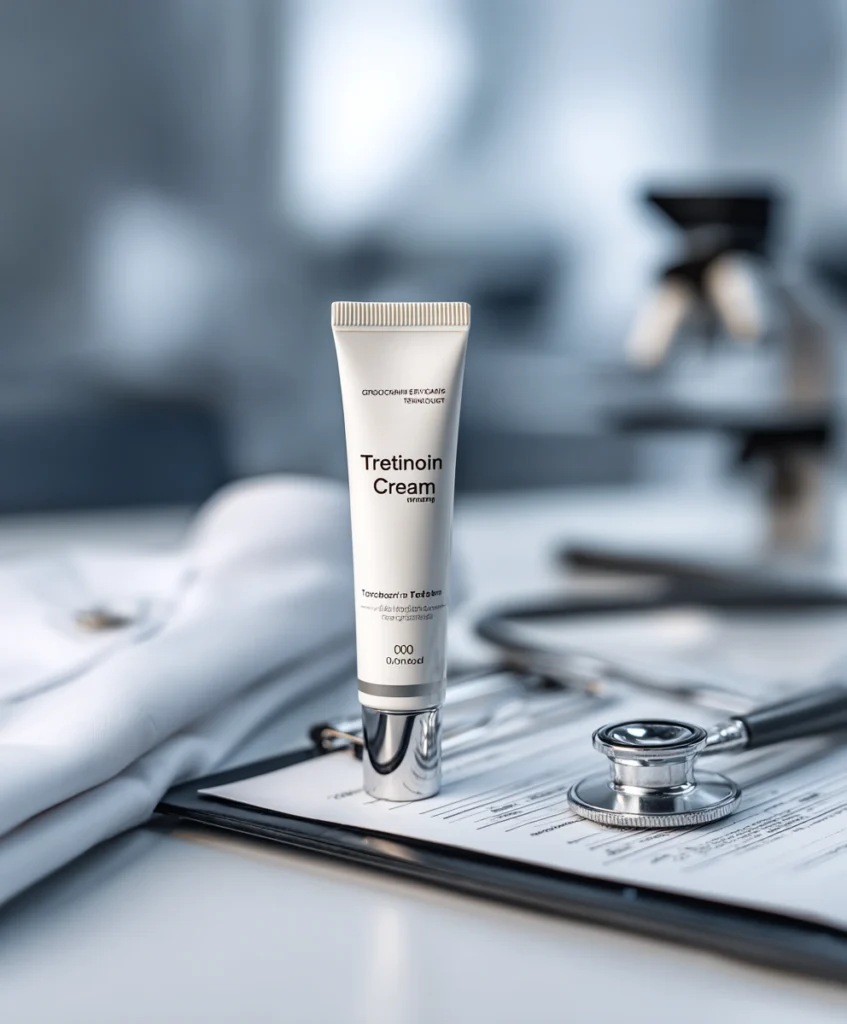
Tretinoin vs Retinol — these two skincare ingredients are among the most researched and effective tools in modern dermatology. Both are derived from vitamin A and have proven benefits for acne, fine lines, and uneven skin tone. Yet, many people confuse them or don’t know which one is right for their skin. As a doctor, I often prescribe tretinoin for acne and visible signs of aging, while recommending over-the-counter retinol for patients who prefer a gentler start. Understanding how these two molecules work—and how they differ—can help you choose the best option for your skin’s needs. What Are Retinoids? Retinoids are vitamin A derivatives that affect how skin cells grow and renew themselves. When applied to the skin, they help increase cell turnover, unclog pores, boost collagen, and fade pigmentation. The “retinoid family” includes different forms with varying strengths: Think of them like a ladder: the higher you climb, the faster the results—but also the higher the chance of irritation. That’s why choosing the right form matters. Tretinoin: The Prescription Powerhouse Tretinoin is a form of pure retinoic acid. Because it’s already active, it doesn’t need conversion in the skin—it gets to work immediately. This makes it very effective, but also more likely to cause irritation at first. Tretinoin has decades of medical research behind it. It’s proven to: In my medical practice, tretinoin is the gold standard for patients who want visible improvement in acne, fine lines, or uneven skin texture. However, it must be introduced carefully to avoid redness, peeling, or dryness. Retinol: The Gentle Over-the-Counter Option Retinol is the milder, cosmetic version of vitamin A. It’s widely available in creams and serums. The skin gradually converts it into retinoic acid, which is why it works more slowly but is also much better tolerated. When used regularly, retinol can: Many people use retinol as their first step into the retinoid family before moving to tretinoin. In clinic, I often recommend this path for patients with sensitive skin or those who prefer a gradual approach. How They Differ : Tretinoin vs Retinol Feature Tretinoin Retinol Strength Prescription, very potent Over-the-counter, milder Activation Already active form (retinoic acid) Must convert to retinoic acid in skin Speed of results Fast, within weeks Slower, visible over months Irritation More likely (dryness, redness) Less common Best for Acne, visible photoaging, deep wrinkles Beginners, sensitive skin, prevention Pregnancy safety Not safe during pregnancy Also avoid during pregnancy Both forms ultimately lead to the same active molecule, but tretinoin gets there directly while retinol takes two steps. That’s why tretinoin is stronger but can cause more side effects. How They Work on the Skin : Tretinoin vs Retinol Both tretinoin and retinol increase cell turnover, meaning they help old, dull skin cells shed faster and encourage the growth of new, healthy ones. This process improves texture, minimizes fine lines, and reduces acne formation. They also stimulate collagen production, which keeps skin firm and elastic. Over time, collagen naturally decreases with age, but retinoids can slow this process and even reverse some early damage. As a doctor, I’ve observed how skin gradually becomes smoother, brighter, and more even with consistent retinoid use—whether it’s tretinoin or retinol. The key difference is tolerance and speed. Clinical Benefits of Each : Tretinoin vs Retinol For Acne Tretinoin is one of the most prescribed treatments for acne worldwide. It works by clearing out clogged pores, reducing blackheads, and controlling excess oil. It also helps fade acne marks faster by speeding up skin renewal. For mild acne, retinol can be helpful too, though it’s usually not strong enough alone for moderate or severe cases. From my experience About Tretinoin vs Retinol: I often start acne patients on low-strength tretinoin (0.025%) every other night and combine it with a gentle cleanser and non-comedogenic moisturizer. This helps control breakouts without excessive dryness. For Anti-Aging Both tretinoin and retinol help reduce fine lines and improve skin tone. Tretinoin has stronger and faster results, but retinol’s effects are also well-documented when used regularly. Tretinoin promotes the production of new collagen fibers and reduces the breakdown of existing ones. It also smooths the surface of the skin, giving it a fresher, more youthful glow. Retinol achieves similar effects more gradually, making it perfect for long-term maintenance. From my practice About Tretinoin vs Retinol: Many patients who stay consistent with retinol for six months achieve a smoother complexion and more even tone, even without switching to tretinoin. For Pigmentation and Sun Damage Both ingredients help fade dark spots and repair sun damage by promoting even cell renewal. Tretinoin gives faster results but must be used with strict sun protection. Retinol helps too, but with a gentler process. In darker skin tones, tretinoin must be used carefully, as irritation can sometimes trigger temporary hyperpigmentation. I usually recommend starting with retinol or lower tretinoin strength under supervision. Side Effects and How to Minimize Them The most common side effects of tretinoin are dryness, peeling, redness, and mild stinging. Retinol may cause mild dryness during the first weeks but is usually well-tolerated. To reduce irritation: When patients follow these steps, tolerance improves within three to four weeks. After this period, the skin adjusts, and visible improvement becomes noticeable. How to Introduce Retinoids Into Your Routine Step 1: Prepare Your SkinUse a gentle cleanser and apply a nourishing moisturizer for a week before starting. A healthy barrier helps minimize irritation. Step 2: Start SlowlyUse your retinoid only two nights per week for the first two weeks. If no irritation occurs, increase to every other night. Step 3: Timing MattersApply it at night on clean, completely dry skin. A pea-sized amount is enough for the entire face. Step 4: MoisturizeFollow with a moisturizer to lock in hydration and reduce peeling. Step 5: Protect in the MorningRetinoids make your skin more sun-sensitive. Apply SPF 30 or higher every morning, even on cloudy days. Step 6: Be PatientVisible improvement takes time—usually 8–12 weeks. Don’t stop too early; consistent use gives lasting results. My

Tretinoin vs Retinol: Differences, Benefits & Doctor’s Guide for Healthy, Glowing Skin Read More »

Postpartum Vitamins

Postpartum Vitamins: What New Mothers Really Need (A Doctor’s Perspective)

Bringing a baby into the world is a marathon for your body. In the first weeks after delivery, your system is in recovery mode—repairing tissues, rebuilding blood stores, rebalancing hormones, producing breast milk, and fighting fatigue. All these processes depend on one key factor: micronutrients. That’s why postpartum vitamins are not just an option—they’re an essential part of recovery. As a gynecologist, I meet new mothers every week who ask, “Should I keep taking my prenatal? Do I need extra iron? What about vitamin D for my baby?” This article explains exactly what your body needs, what science says, and how I guide my patients through this vital period. Postpartum vs. Prenatal Vitamins: Should You Keep Taking Them? The simplest answer is yes—continue your prenatal vitamins after delivery. Most medical experts recommend taking them for at least the first 6–12 weeks postpartum and throughout breastfeeding if you tolerate them well. Prenatals are rich in nutrients like iron, folate, iodine, zinc, selenium, and vitamin D, all of which remain crucial during recovery and milk production. In my own practice, I advise patients to keep their prenatal if it doesn’t cause nausea or constipation. If it does, I switch them to a gentle “postnatal” version that still covers all essential vitamins but in slightly lower iron doses to improve digestion. Understanding What the Postpartum Body Needs After childbirth, your body is doing five major things: Each of these functions depends on specific nutrients. Let’s look at them one by one. Iron: Replacing What Was Lost During childbirth, blood loss is expected. For some women, it’s minimal, but for others, especially after cesarean sections or multiple pregnancies, the loss is significant. Iron deficiency can lead to fatigue, weakness, dizziness, and even hair loss. For mothers without anemia, about 9–10 mg of iron per day from diet and supplements is enough. For those who are anemic, doctors often recommend 60–120 mg of elemental iron daily for 2–3 months. I usually recheck hemoglobin and ferritin after 3–4 weeks. My advice About Postpartum Vitamins: I tell my patients to take iron every other day to reduce constipation and pair it with vitamin C–rich foods for better absorption. I also recommend avoiding calcium supplements at the same time, since calcium interferes with iron absorption. Vitamin D: For Both Mother and Baby Vitamin D supports bone strength, immune balance, and mood. For the mother, the usual recommendation is 1,000–2,000 IU daily, though some women with deficiency may need higher doses under medical supervision. For breastfed infants, 400 IU daily is essential starting soon after birth. This protects the baby’s developing bones and prevents rickets. My advice About Postpartum Vitamins: I recommend every new mother get her vitamin D checked postpartum. Even in sunny regions, deficiency is common due to limited outdoor exposure during recovery. I prefer separate drops for the baby rather than relying on maternal supplementation alone. Iodine: Vital for Thyroid and Brain Function Iodine is crucial for maintaining thyroid balance and neurodevelopment of the baby. During breastfeeding, mothers should aim for 150 micrograms per day, often supplied through a prenatal or postnatal vitamin. My advice About Postpartum Vitamins: I check that my patients’ vitamins list iodine. If not, I encourage them to use iodized salt or consider an additional supplement. I also monitor thyroid function around 6–12 weeks postpartum, especially for those with family history of thyroid disorders. Choline: The Forgotten Nutrient for Brain and Liver Health Choline supports memory, focus, and liver function, and is vital for both mom and baby. The recommended intake during lactation is 550 mg per day, which is higher than during pregnancy. Unfortunately, many prenatal vitamins lack adequate choline. My advice About Postpartum Vitamins: I recommend two eggs per day if tolerated, as egg yolks are the richest natural source. For women who avoid eggs or follow vegan diets, I suggest a separate choline supplement (around 250–350 mg daily). B Vitamins: Energy and Mood Regulation Folate (B9) Folate is essential for DNA repair, red blood cell production, and tissue recovery. The daily requirement during lactation is 500 micrograms of dietary folate equivalents. Vitamin B12 B12 supports nerve health, energy metabolism, and healthy breast milk. The lactation requirement is 2.8 micrograms per day. Deficiency can lead to fatigue, numbness, or cognitive fog—especially in vegetarians or vegans. My advice: I always check B12 levels in women who follow a plant-based diet. If levels are low, I prescribe 250–500 micrograms per day until recovery. Calcium and Magnesium: Bone and Muscle Support Even though calcium requirements don’t increase significantly after birth, maintaining 1,000 mg daily (or 1,300 mg for younger mothers) is vital for both bone density and milk production. Magnesium, at about 300–350 mg per day, helps with muscle recovery, relaxation, and better sleep. My advice About Postpartum Vitamins: I prefer calcium from food sources like yogurt, cheese, or fortified plant milk. If using supplements, I recommend splitting them into two 500 mg doses for better absorption. For magnesium, I often suggest 200–300 mg in the evening to improve sleep quality. Zinc and Selenium: For Immunity and Thyroid Health Zinc supports immune function and wound healing, while selenium plays a key role in thyroid balance. During lactation, women need around 12 mg of zinc and 70 micrograms of selenium daily. My advice About Postpartum Vitamins: Most prenatal vitamins cover these, so additional supplementation is rarely necessary. However, in cases of slow wound healing or prolonged hair loss, I test for zinc and selenium along with thyroid and ferritin levels. Omega-3 DHA: For Brain, Eyes, and Emotional Wellbeing Omega-3 fatty acids, especially DHA, are building blocks for the baby’s brain and eyes. They also support maternal mood and reduce inflammation. The typical recommendation is 200–300 mg of DHA daily, which can come from fish oil or algae-based supplements. My advice About Postpartum Vitamins: I encourage two servings per week of low-mercury fish such as salmon, sardines, or trout. For women who don’t eat fish, I recommend algae-based DHA capsules. Vitamins A, C, and

Postpartum Vitamins: What New Mothers Really Need (A Doctor’s Perspective) Read More »

Chemical Pregnancy

Chemical Pregnancy: Understanding the Earliest Miscarriage

Introduction A chemical pregnancy is one of the earliest and most misunderstood forms of miscarriage. It happens so soon after conception that many women may never realize they were pregnant. Despite its brief duration, it is a real pregnancy — conception takes place, implantation begins, and pregnancy hormones are produced. However, the embryo stops developing very early, often before an ultrasound can detect anything. As a gynecologist, I often meet women who come in confused after seeing a positive pregnancy test that quickly turns negative. Many feel a mix of excitement and heartbreak within a few days. Understanding what a chemical pregnancy is, why it occurs, and how to recover from it — both physically and emotionally — can bring comfort and clarity to those experiencing it. What Is a Chemical Pregnancy? A chemical pregnancy is an early miscarriage that occurs before the fifth week of gestation. The term “chemical” refers to how it is detected — through biochemical evidence in the blood or urine (a rise in the pregnancy hormone hCG) rather than through ultrasound imaging. In these cases, fertilization happens successfully, and the embryo begins to implant in the uterus. But for various reasons, development stops before it can be seen on an ultrasound. This distinguishes it from a clinical pregnancy, where a gestational sac or embryo can be visualized. Women undergoing fertility treatments like IVF often detect these early pregnancies because their hormone levels are closely monitored. For those conceiving naturally, it may appear as a slightly late or heavier period rather than a known miscarriage. From my daily experience with patients, I see that discovering even a brief pregnancy brings mixed emotions — hope that conception occurred, followed by disappointment when it ends so soon. Yet, medically, it often signals that the body is capable of conception, which is an encouraging sign for future pregnancies. How Common Is It? Chemical pregnancies are far more common than most realize. Studies suggest that up to one in four pregnancies may end this early. Because most occur before a missed period or are mistaken for a delayed menstruation, they often go unnoticed. Among women who undergo fertility treatments such as IVF or IUI, these cases are detected more frequently since hCG levels are monitored early and closely. In natural conceptions, however, they may simply seem like a heavier period. When I explain this to patients, many feel a sense of relief knowing they’re not alone. The truth is that chemical pregnancies are part of nature’s process — often the body’s way of stopping a pregnancy that was not genetically viable. Causes of Chemical Pregnancy Most chemical pregnancies are caused by chromosomal abnormalities in the embryo. These genetic errors prevent normal development and usually happen by chance during fertilization or early cell division. Other possible causes include: In my clinical work, when a woman experiences several chemical pregnancies in a row, I conduct a thorough evaluation — hormonal panels, thyroid function tests, and uterine imaging. Understanding the underlying issue can often prevent recurrence and restore hope. Signs and Symptoms Because it happens so early, a chemical pregnancy can easily be mistaken for a normal period. Typical signs include: Some women notice light pink or brown spotting around the expected period, assuming it’s implantation bleeding. However, when bleeding increases and resembles a heavy period, it’s often the body’s way of naturally ending the pregnancy. From a clinical perspective, the emotional confusion is sometimes greater than the physical pain. Many women describe it as a “pregnancy that ended before it began,” and that perfectly captures the emotional duality of this experience. Diagnosis The diagnosis is primarily based on the pattern of hCG levels and ultrasound findings. In practice, I usually confirm the diagnosis by repeating hCG tests 48 hours apart. A falling hCG level, combined with an empty uterus on ultrasound, confirms that the pregnancy has ended. While it’s a loss, it also confirms that conception took place — an important detail for those struggling with infertility. Emotional and Physical Impact Although a chemical pregnancy is brief, its emotional weight can be heavy. Some women feel sadness, others guilt or frustration. The emotional impact often depends on how long they have been trying to conceive or how invested they were in the pregnancy. Hormonal shifts can also affect mood, leading to temporary fatigue, irritability, or tearfulness. These feelings are completely normal. Physically, most women experience only mild bleeding and cramps, similar to menstruation. From my observations, acknowledging the emotional side of this experience is just as important as understanding the medical facts. Giving yourself permission to grieve, talk, and rest is part of true recovery. Treatment and Recovery A chemical pregnancy usually resolves naturally, without medical treatment. The uterus expels the tissue on its own, and the body returns to its normal cycle within a few weeks. Bleeding typically lasts from three to seven days. Ovulation can resume as early as two to four weeks later, depending on individual hormonal balance. However, medical attention is needed if: In these cases, I recommend a follow-up consultation. Tests such as hormonal assessments, thyroid evaluation, or uterine imaging may reveal factors that can be corrected to improve future pregnancy outcomes. Recovery is usually fast on a physical level, but emotional recovery takes more time. I often encourage patients to rest, eat nourishing foods, and avoid rushing the process of trying again until they feel ready. Trying Again After a Chemical Pregnancy One reassuring fact is that most women can conceive again very soon after a chemical pregnancy — sometimes in the very next cycle. There is no medical reason to delay trying unless an underlying issue needs treatment. Scientific studies show that women who try again within one to three months often have equally high or even better chances of success. For optimal health and conception: In my experience, when women approach the next pregnancy with reassurance and gentle optimism, outcomes are overwhelmingly positive. A chemical pregnancy is rarely a sign of infertility; it’s

Chemical Pregnancy: Understanding the Earliest Miscarriage Read More »

Best Shampoo for Oily Hair

Best Shampoo for Oily Hair: A Doctor’s Guide You Can Actually Use

If your hair looks greasy just hours after washing, you’re not imagining it. An oily scalp happens when sebaceous glands around the hair follicles produce more sebum than the hair can absorb. As a doctor who treats many women struggling with this problem, I often see how it affects confidence, comfort, and hair appearance. The good news is that the best shampoo for oily hair isn’t necessarily the most expensive—it’s the one that matches your scalp’s biology. In this guide, I’ll explain what ingredients to look for, how they work, and how to build a proper routine that really helps. Why Hair Gets Oily (and Why Shampoo Choice Matters) Your scalp produces a natural oil called sebum, which is a mix of fats that protect and moisturize your skin and hair. However, when sebum production becomes excessive—because of hormones, stress, genetics, or even weather—the roots look greasy, and the scalp may feel heavy or itchy. In women, oiliness often worsens around ovulation because of hormonal fluctuations. Doctor’s advice About Best Shampoo for Oily Hair : Oily scalp doesn’t mean “dirty hair.” It’s a biological condition. The goal isn’t to remove every trace of oil but to rebalance the scalp environment while keeping your hair light and clean. The Secret of a Good Shampoo: The Surfactants Shampoo works through surfactants, which are cleansing agents that lift oil and dirt so they can be rinsed away. For oily scalps, the type of surfactant matters more than the brand name. Doctor’s advice About Best Shampoo for Oily Hair : Not all sulfates are bad. A well-balanced formula combining a strong cleanser with a gentle one often gives the best result. If your ends are dry, apply a light conditioner before shampooing to protect them. Ingredients That Work for Oily Scalp OR Best Shampoo for Oily Hair Different active ingredients target different aspects of oil control. Here are the key ones you should know and how to use them correctly. 1. Salicylic Acid This beta hydroxy acid exfoliates dead cells, unclogs follicles, and removes excess oil. It also helps reduce buildup from styling products. Doctor’s advice About Best Shampoo for Oily Hair : Use a salicylic acid shampoo 2–3 times per week. Apply it to the scalp and leave it on for two to three minutes before rinsing. This allows it to dissolve the buildup that keeps the scalp oily. 2. Selenium Sulfide This ingredient has antifungal and oil-regulating properties. It reduces the yeast population on the scalp and normalizes skin turnover, making it perfect for those who have oily dandruff. Doctor’s advice About Best Shampoo for Oily Hair : When your scalp feels itchy or has waxy flakes, use a selenium sulfide shampoo once or twice weekly, alternating with your usual shampoo. 3. Ketoconazole Ketoconazole is another antifungal ingredient that helps reduce oil, itchiness, and dandruff. It also decreases inflammation and improves scalp health. Doctor’s advice About Best Shampoo for Oily Hair : For recurrent dandruff or very oily scalps, use a ketoconazole shampoo twice weekly for one month, then once weekly to maintain results. 4. Piroctone Olamine This ingredient targets scalp fungi and is well tolerated, even by sensitive scalps. It’s an effective alternative to zinc pyrithione and works well when combined with salicylic acid. Doctor’s advice About Best Shampoo for Oily Hair : If your scalp is sensitive or you prefer a milder formula, look for piroctone olamine 0.5–0.75%. It keeps the scalp clean without irritation. 5. Niacinamide (Vitamin B3) Niacinamide regulates sebum production and strengthens the scalp’s barrier. It’s a gentle yet effective option for daily use. Doctor’s advice About Best Shampoo for Oily Hair : Choose a daily shampoo with niacinamide. It helps maintain balance between washes without drying the scalp. 6. Clay (Kaolin or Bentonite) Clays naturally absorb oil and impurities. They can be used as a pre-shampoo treatment or found in clarifying shampoos. Doctor’s advice About Best Shampoo for Oily Hair : Once a week, apply a clay mask directly to the scalp and leave it for 5–10 minutes before washing. It’s a natural, effective way to control excess shine. Building the Perfect Routine Instead of using one shampoo every day, rotate different types to balance cleansing and scalp health. Step 1: Daily Cleanser Use a mild, balanced shampoo with gentle surfactants and niacinamide.Frequency: Daily or every other day.Technique: Focus on the scalp, not the ends, and massage gently for 30–60 seconds. Step 2: Exfoliating Shampoo Use a salicylic acid shampoo two or three times weekly to remove buildup and refresh roots. Step 3: Antifungal Shampoo Once or twice a week, use a shampoo with ketoconazole or selenium sulfide to prevent dandruff and regulate oil. Step 4: Weekly Deep Clean Add a clay mask or clarifying shampoo once a week to keep the scalp fresh. Doctor’s advice About Best Shampoo for Oily Hair: Don’t rush through washing. Let the product sit for a few minutes to allow the active ingredients to penetrate. This small change makes a big difference. Common Problems and How to Fix Them Oily Roots, Dry Ends This combination is very common. Avoid putting conditioner on your roots. Apply it only from mid-lengths to ends. Protect ends with a light oil or serum before washing. Oily Hair with Flakes This usually indicates seborrheic dermatitis. Combine salicylic acid (to exfoliate) and ketoconazole or selenium sulfide (to fight the fungus). After symptoms disappear, maintain with one antifungal wash weekly. Scalp Gets Oily in One Day Add a weekly clay mask and extend contact time of your shampoo to three minutes. Consider niacinamide-based formulas for better long-term balance. Sensitive Scalp Opt for shampoos with cocamidopropyl betaine and piroctone olamine. Avoid strong fragrances or essential oils that can irritate the scalp. Hormonal and Lifestyle Factors Sebum production is controlled by hormones, particularly androgens. Stress, heat, and occlusive headwear can worsen oiliness. Women often notice oilier hair during mid-cycle or high-stress periods. Doctor’s advice About Best Shampoo for Oily Hair : If your scalp suddenly becomes much oilier

Best Shampoo for Oily Hair: A Doctor’s Guide You Can Actually Use Read More »