
pregnancyfollowup.com

drsoukainaelaziz@gmail.com

Weird Pregnancy Cravings

Weird Pregnancy Cravings: Causes, Meaning, Risks, and Clinical Guidance

Pregnancy is a period of intense biological change that reshapes metabolism, digestion, hormones, emotions, and appetite. Among the many symptoms women expect, food cravings are common. However, some cravings are unusual, surprising, or difficult to explain. These are known as weird pregnancy cravings, and they are far more common than many people realize. While society often jokes about pickles with ice cream or pasta covered with mayonnaise, these cravings can have real physiological and psychological explanations. Research from multiple countries shows that more than 80 percent of pregnant women experience cravings at some stage of pregnancy. A large portion of them specifically describe weird pregnancy cravings—foods they rarely ate before, combinations that appear illogical, or textures they normally dislike. Some women report sudden cravings for cold ice, sour vinegar, spicy snacks, very salty foods, or sweet and salty combinations. A smaller percentage develop cravings for non-food items such as dirt, clay, starch, or chalk. When cravings involve non-food substances, medical attention is necessary. Understanding weird pregnancy cravings is useful for pregnant women, partners, and healthcare professionals. A craving can be harmless, but it can also signal nutritional deficiencies, emotional stress, or sensory changes. Recognizing when cravings are normal and when they are concerning makes pregnancy safer and less confusing. What Are Weird Pregnancy Cravings? A craving becomes “weird” when it falls outside normal eating habits or appears unusual in flavor, temperature, texture, or food combination. Some examples frequently reported in clinics and prenatal groups include: Some women don’t crave flavor at all. They crave texture—smooth, crunchy, frozen, or soft foods. Cold and crunchy items, especially ice, are among the most reported weird pregnancy cravings because they soothe nausea and provide oral stimulation. A more serious form involves non-food materials. Craving dirt, clay, paper, soap, chalk, or paint chips is a condition called pica. These are considered medically significant, not merely unusual behavior. Pica can be associated with nutritional deficiency or psychological stress and should always be evaluated by a healthcare provider. When Do Weird Pregnancy Cravings Start? Cravings can begin at any point in pregnancy, but weird pregnancy cravings often appear early because hormonal and sensory changes begin immediately. First Trimester Most women who experience weird pregnancy cravings notice them around week five or six. At this stage, nausea and smell sensitivity increase. Foods that previously seemed normal may suddenly taste unpleasant, while unexpected foods become appealing. Second Trimester This is the time when cravings are usually strongest. Appetite improves, morning sickness decreases, and eating becomes more comfortable. Many women describe this trimester as the peak of weird pregnancy cravings because they are better able to eat what they want. Third Trimester Some cravings fade, but others continue. Heartburn and digestive pressure may shift preferences toward colder foods, frozen fruit, or ice-based snacks. These still fall under the category of weird pregnancy cravings if the behavior is unusual or intense. After Birth Most cravings disappear once hormone levels stabilize, though some women continue eating certain foods simply because they developed new taste habits. These patterns are consistent worldwide, showing that weird pregnancy cravings are driven by biology rather than imagination. Why Do Weird Pregnancy Cravings Happen? There is no single explanation. Scientists believe that hormonal shifts, sensory changes, emotional factors, cultural influences, and nutritional needs all contribute to weird pregnancy cravings. Hormonal Influence Hormones change dramatically during pregnancy. Estrogen and progesterone affect taste receptors, smell sensitivity, brain chemistry, and appetite. Foods with strong flavors—sour, salty, sweet, or spicy—can feel more satisfying. When a craving is satisfied, the brain releases dopamine, creating emotional comfort. This makes weird pregnancy cravings feel powerful and urgent. Nutritional Needs Pregnancy increases nutritional requirements. When the body lacks iron, calcium, magnesium, or other minerals, cravings may develop as a biological signal. Because of these patterns, some healthcare providers ask specifically about weird pregnancy cravings during prenatal visits. Blood Sugar Fluctuations Blood glucose levels rise and fall more quickly during pregnancy. When they drop, the brain demands immediate fuel, sometimes triggering sudden cravings for carbohydrates or sweets. Sensory Changes Taste and smell become more intense during pregnancy. Foods that once seemed mild may suddenly smell strong. Cold foods may feel soothing. Sour flavors may relieve nausea. For this reason, many weird pregnancy cravings involve bold taste or strong sensory stimulation. Emotional Factors Pregnancy can cause excitement, stress, fear, fatigue, and anxiety. Food can offer emotional comfort. Some cravings reflect childhood memories or cultural comfort foods. This emotional connection can strengthen weird pregnancy cravings, especially during moments of stress. Cultural Influence Some families strongly encourage satisfying cravings. Partners may rush to stores late at night to find unusual foods. Hearing other women talk about their experiences can also normalize unusual habits. This social acceptance reinforces weird pregnancy cravings. Common Weird Pregnancy Cravings and Their Meaning Craving Possible Interpretation Medical Notes Chewing ice Possible iron deficiency anemia Chewing damages tooth enamel Pickles with ice cream Salt-sweet contrast and sensory stimulation Safe occasionally Cheese with chocolate or jam Combination of calcium and sugar Monitor sugar intake Sour lemons or vinegar May soothe nausea Acid can irritate teeth Very spicy foods Heightened taste sensitivity May worsen heartburn Dirt, clay, paper, starch Pica Requires medical evaluation This table shows that weird pregnancy cravings are not always random. Many have logical biological explanations. Are Weird Pregnancy Cravings Dangerous? In most cases, weird pregnancy cravings are harmless. Eating unusual combinations such as pasta with mayonnaise or pickles dipped in chocolate rarely causes health problems if the diet is balanced. However, cravings can become dangerous when they: A healthcare provider should be consulted if: If weird pregnancy cravings signal anemia or mineral deficiency, blood tests and supplements can correct the problem. Many women notice cravings decrease once nutrient levels return to normal. How to Manage Weird Pregnancy Cravings Safely No one expects pregnant women to resist every desire. The goal is safe moderation. Managing weird pregnancy cravings does not require strict restriction, but smart choices. Myths About Weird Pregnancy Cravings Throughout history, people have

Weird Pregnancy Cravings: Causes, Meaning, Risks, and Clinical Guidance Read More »
How Long Does a Lash Lift Last

How Long Does a Lash Lift Last? A Doctor’s Complete, Science-Based Guide

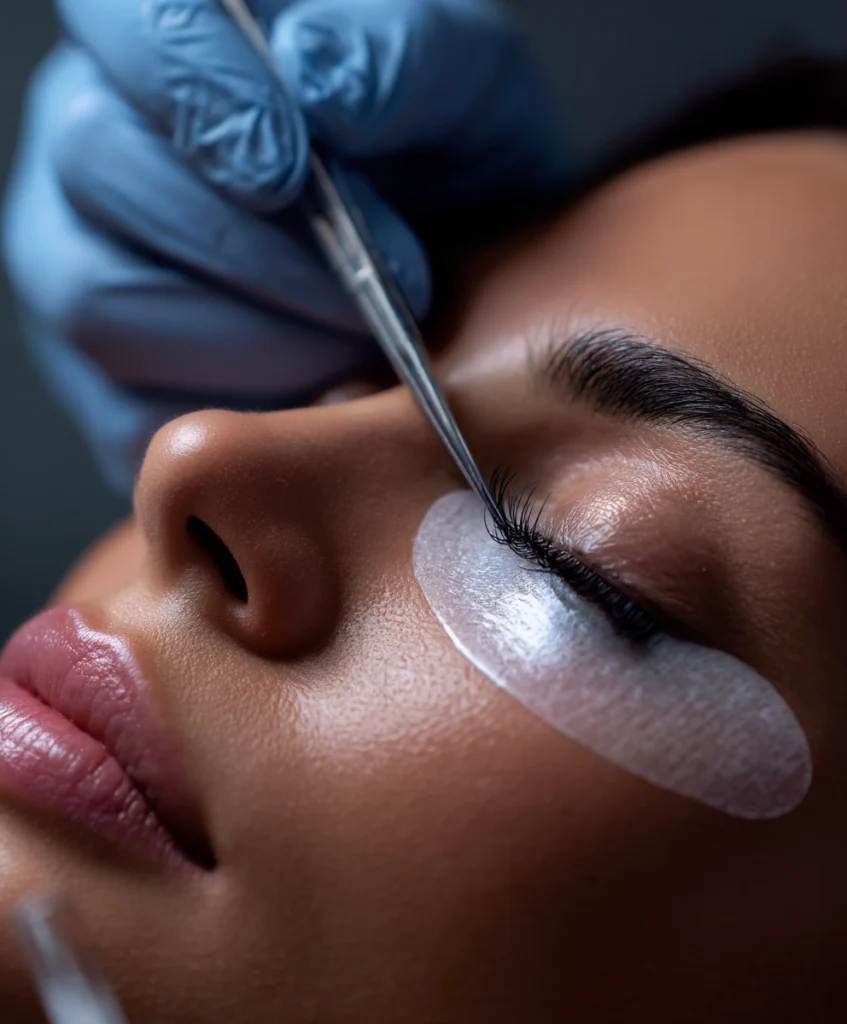
Women who want lifted, curled eyelashes without mascara or extensions often choose a lash lift. It’s fast, low-maintenance, and looks very natural. Still, almost every patient and every client asks the same question: how long does a lash lift last? The simple answer is that a lash lift usually lasts around 4 to 6 weeks, and in some people up to 8 weeks. However, the real answer is more scientific than that. The longevity depends on how fast your eyelashes grow, how healthy your lashes are, the chemicals used during the procedure, and how carefully you follow aftercare. As a medical doctor who counsels patients on cosmetic eye treatments, I explain that biology is the real key to understanding how long does a lash lift last. What Exactly Is a Lash Lift? A lash lift is a semi-permanent cosmetic procedure that curls the natural eyelashes using a special chemical lotion and a setting lotion. The lashes are brushed upward and attached to a silicone rod, then reshaped into a lifted curve. Some salons also add a tint to darken the lashes. The result is a lifted, open-eyed look without mascara or extensions. People love the effect because it is natural, comfortable, and requires almost no maintenance. However, even if the result looks dramatic, many people are still unsure how long does a lash lift last, and why the result eventually fades. Why Does a Lash Lift Fade? To understand how long does a lash lift last, we must understand the biology behind eyelashes. Every hair in the body grows in cycles. Eyelashes pass through three main stages: This cycle repeats constantly. On most people, the full eyelash cycle takes several months. Because only the existing, grown lashes are lifted, the curl begins to fade as new, un-lifted lashes grow in. This explains why how long does a lash lift last is not the same for everyone. If someone naturally sheds lashes quickly, the lift disappears faster. If someone has a slower growth cycle, the lift appears to last longer. In my medical experience, patients often think the curl is “falling,” but in reality, it is new lashes growing in. The lifted hairs are still curled, but they gradually mix with straight new lashes. This explains the average answer to how long does a lash lift last being around 6 weeks. The Average Result: So How Long Does a Lash Lift Last? For most people, how long does a lash lift last is between 4 and 6 weeks, and in ideal conditions up to 8 weeks. Some clients notice a strong curl for the first month and then a gradual softening. The result is not permanent, but it lasts longer than a mascara or a daily curler. If you want the lifted result for a special event—like a wedding or a vacation—get the lift around 1 week before the date. The first week after a lift usually shows the most dramatic result. What Makes a Lash Lift Last Longer? There are several factors that affect how long does a lash lift last: 1. Aftercare During the First 24 Hours The first 24 hours are the most important.To maximize how long does a lash lift last, lashes must stay dry. Water, steam, tears, sweat, face washing, or eye makeup remover can weaken the setting process. If the lash structure softens before it stabilizes, the curl will not last long. 2. Avoiding Oils and Heavy Creams Oils can weaken the effect of the lift. Using oil-based makeup removers or thick eye creams early after the procedure may shorten how long does a lash lift last. Water-based makeup removal is best in the beginning. 3. No Lash Curlers A lash curler can bend, kink, or break the lashes after a lift. If the goal is to extend how long does a lash lift last, avoid applying extra pressure to the hairs. 4. Gentle Makeup Removal Rubbing the eyes or using harsh waterproof mascaras can damage the lashes and reduce how long does a lash lift last. Soft cleansing protects the curl and prevents premature shedding. 5. Lash Health and Nutrition Healthy, strong lashes hold a curl longer. Poor eyelash health, chronic rubbing, or heavy cosmetics can weaken the hairs. A nourishing serum can improve softness and flexibility, which can improve the appearance of the lift for a longer time. In my medical practice, I tell patients that even if a serum does not change the growth cycle, healthier lashes look fuller and hold the curl better, which visually increases how long does a lash lift last. Can a Lash Lift Last 8 Weeks? Yes, it can. Some people naturally have a slower hair cycle. Some take excellent care of their lashes. Some have long, strong lashes that keep their shape longer. However, not everyone will reach 8 weeks, and this does not mean the lash lift failed. Biology sets a natural limit on how long does a lash lift last. Once new lashes replace the curled ones, the effect fades. No brand or technique can permanently control the growth cycle. What Can Make a Lash Lift Fade Too Early? Some habits shorten how long does a lash lift last: From a medical point of view, rubbing the eyes also increases the risk of irritation, inflammation, and eyelid infection. Good hygiene protects both eye health and the result of the lift. How Often Can You Repeat a Lash Lift? If the question is not only how long does a lash lift last, but also how often you can repeat it, the answer is usually every 6 to 8 weeks. Doing a lift too often can dry or weaken the lashes because the procedure uses chemical restructuring. It is best to wait until most of the lifted lashes shed naturally. As a doctor, I advise patients not to repeat the procedure too frequently. The eyelid skin is delicate, and the lashes themselves are living hair fibers. Spacing out treatments protects lash health in the long

How Long Does a Lash Lift Last? A Doctor’s Complete, Science-Based Guide Read More »

Natural shampoo

Natural Shampoo: A Doctor’s Evidence-Based Guide To What Actually Works

As a medical doctor who treats women with hair loss, scalp irritation, postpartum shedding, dandruff, and hormonal hair changes, I’m asked almost every day whether natural shampoo is better than regular shampoo. Many of my patients want healthier hair with fewer chemicals—and they hope switching to natural shampoo will fix dryness, breakage, frizziness, or scalp sensitivity. The truth is: natural shampoo can be excellent for the scalp and hair, but only when it is formulated correctly. The word “natural” alone does not guarantee safety, effectiveness, or a healthy scalp. In this medical guide, I’ll break down what matters scientifically, how to read ingredients, who benefits most from natural shampoo, and when natural haircare is not enough. Why science matters more than marketing pH makes a big difference Healthy scalp pH is around 5.5, and healthy hair fibers are slightly acidic. When a shampoo has a very alkaline pH, it raises the cuticle layer of the hair, creates friction, causes frizz, and increases breakage. That’s why a good organic shampoo should stay in a slightly acidic range (around pH 4.5–5.5). This is one of the most important scientific reasons why some people see shinier, smoother hair after switching to a well-formulated organic shampoo—not because it is “chemical-free,” but because the pH respects the scalp barrier. Surfactants: the real reason a shampoo works Every shampoo, natural or not, needs surfactants to clean the scalp. In naturall shampoo, these cleansers are usually gentle, plant-derived ingredients such as: Studies show that these surfactants are milder on hair and the scalp compared to harsh sulfates. They produce foam, remove oil and sweat, and leave the scalp cleaner without damaging the cuticle. This is why many dermatologists recommend natural shampoo for sensitive skin, eczema, and dry hair. What about the scalp microbiome? The scalp has its own ecosystem of bacteria and yeast. When this balance is disturbed, dandruff, itching, and irritation appear. A mild natural shampoo with a balanced pH can support the microbiome instead of stripping it. Some natural ingredients such as aloe vera, coconut-derived surfactants, botanical antifungals, and plant extracts help calm inflammation and reduce flaking for mild cases. However, if dandruff is severe, naturall shampoo alone may not solve the problem, and patients often need medical or antifungal treatments. In my medical practice, I combine medicated shampoo once or twice a week with a mild organic shampoo on the other days, giving patients comfort and long-term scalp stability. The problem with “natural fragrance” Many people switch to natural shampoo to avoid artificial fragrance. But natural fragrance is not always safer. Essential oils such as lavender, tea tree, peppermint, and citrus contain natural allergens that can irritate or sensitize the scalp—especially when they oxidize over time. For very sensitive scalps, fragrance-free naturall shampoo is usually the best choice. A product can be 100% natural and still trigger irritation, so “fragrance-free” or “hypoallergenic” is more important than the word “natural”. Here are 10 reliable brands of natural shampoo: A doctor’s opinion on DIY natural shampoo Social media is full of homemade shampoo recipes with baking soda, vinegar, castile soap, clay masks, and herbal rinses. As a doctor, I respect natural ingredients—but medically, most of these mixtures have 2 problems: A well-formulated naturall shampoo is safer and healthier than most homemade recipes. If someone insists on DIY, it should be used short-term and with caution. How to choose a real natural shampoo (doctor’s checklist) A good natural shampoo should have: ✔ Mild surfactants (like glucosides and betaines)✔ A pH around 4.5–5.5✔ Transparent ingredients✔ Fragrance-free or low-allergen fragrance✔ Plant-based conditioning agents that prevent frizz and dryness A bad organic shampoo is one with very alkaline pH, too many essential oils, or weak cleansing that forces you to over-wash. When natural shampoo is a great choice From my experience as a doctor, the patients who benefit most from organic shampoo are: 1. People with sensitive scalps Redness, itching, and irritation improve when switching to a mild, fragrance-free naturall shampoo. 2. Curly or dry hair Curly and textured hair needs moisture and low pH. A good natural shampoo reduces frizz and breakage without stripping the curls. 3. Color-treated hair Because natural shampoo avoids harsh sulfates and alkalinity, hair dye lasts longer and shine stays preserved. 4. Patients using medicated shampoo A gentle natural shampoo is perfect for “in-between” wash days to protect the scalp barrier. When natural shampoo is not enough Even the best natural shampoo cannot replace medical treatment in some cases: For those conditions, I prescribe medicated treatments and use natural shampoo as supportive care. Hair routines for different needs For oily scalp For dry or curly hair For color-treated hair For itchy, flaky scalp 5 Easy Home Recipes for Naturall Shampoo 1. Aloe Vera & Coconut Milk Natural Shampoo 2. Honey Moisturizing Natural Shampoo 3. Apple Cider Vinegar Clarifying Natural Shampoo 4. Tea Tree & Aloe Anti-Dandruff Natural Shampoo 5. Baking Soda & Water Simple Cleanser My medical experience with patients In the clinic, I notice something interesting: when patients switch to a high-quality natural shampoo, they often expect instant results. But hair needs time. Usually, after 4–6 weeks, they report: Some patients with chronic irritation or eczema tell me they feel relief for the first time after changing to natural shampoo, especially when they remove fragrance completely. However, a small group reacts badly due to essential oils or allergies. That’s why testing and reading ingredients is more important than the label “natural”. Common myths about natural shampoo “Natural shampoo means chemical-free.” False. Even water is a chemical. The important question is whether ingredients are safe and gentle—not whether they sound scientific. “Silicones are dangerous.” Not true. Silicones can cause buildup, but they are safe. People can choose a silicone-free natural shampoo, but it is a preference, not a medical necessity. “Baking soda is the best natural cleanser.” Wrong. Baking soda destroys cuticles and increases breakage over time. Final professional recommendation If you want to use natural shampoo, choose formulas that are scientifically strong—not just

Natural Shampoo: A Doctor’s Evidence-Based Guide To What Actually Works Read More »

Tailbone Pain Pregnancy

Tailbone Pain Pregnancy: Causes, Symptoms, Treatment & Doctor-Approved Relief

Introduction Pregnancy transforms the female body physically, hormonally, and structurally. While most women expect symptoms such as nausea, back pain, or fatigue, many are surprised by the discomfort located at the very bottom of the spine—tailbone pain. Clinically referred to as coccydynia, tailbone pain pregnancy describes aching, burning, or sharp pain at the coccyx, the small bone at the base of the spine. For some women, the condition is mild, while others struggle with intense pain that worsens as pregnancy progresses. Gynecologist Advice: Do not ignore coccyx pain. Early assessment prevents worsening symptoms and protects pelvic function. Tailbone pain pregnancy may start gradually as the uterus grows, or it may appear suddenly after a long car ride, poor sitting posture, heavy lifting, or a rapid postural change. Many women notice pain when sitting on hard chairs, standing from a seated position, climbing stairs, or rolling over in bed. Some describe a deep ache, while others feel stabbing pain during movement. Gynecologist Advice: If pain affects sleep, mobility, work, or daily activities, speak to a healthcare provider early instead of waiting for delivery. Although uncomfortable, tailbone pain pregnancy is usually treatable. Most women improve with posture correction, pelvic physiotherapy, supportive seating, and stretching. However, untreated coccydynia can become chronic and persist postpartum—especially if childbirth trauma or severe pelvic pressure injures the coccyx. Gynecologist Advice: Early intervention is key. Addressing pain during pregnancy prevents long-term pelvic instability and postpartum complications. What Is the Coccyx and Why Does It Hurt? The coccyx, or tailbone, is a small triangular bone composed of three to five fused vertebrae. It sits below the sacrum and connects to important ligaments and muscles of the pelvic floor. Despite its size, the coccyx plays a major role in posture, mobility, weight distribution, and pelvic stability. When irritated, sitting and moving can become extremely painful. Gynecologist Advice: Chronic coccyx pain affects posture, pelvic floor muscle function, and even bowel movements. Treating symptoms early prevents secondary problems. When the coccyx becomes inflamed, irritated, or misaligned, the condition is called coccydynia. Pregnant women are more vulnerable because hormones loosen ligaments and the growing uterus shifts the pelvis. As joints become less stable, the coccyx is more easily compressed, irritated, or pushed backward under body weight. Gynecologist Advice: Avoid deep sofas, soft beds, or chairs that allow the pelvis to sink backward. The deeper the pelvis sinks, the more pressure is placed on the coccyx. Why Does Tailbone Pain Pregnancy Happen? 1. Hormonal Changes During pregnancy, the body produces relaxin and progesterone—hormones that soften ligaments so the pelvis can expand for childbirth. While necessary for delivery, these hormones reduce joint stability. With looser ligaments, the coccyx can shift with movement, bending, or prolonged sitting. As a result, many women begin experiencing tailbone pain pregnancy in the second or third trimester. Gynecologist Advice: If you had back pain or pelvic instability before pregnancy, start pelvic floor physiotherapy early to protect the coccyx. 2. Weight Gain and Postural Changes As the abdomen expands, the mother’s center of gravity shifts forward. This increases the curve of the lower back and rotates the pelvis outward. The more the pelvis tilts, the more pressure is placed on the coccyx during sitting and sleeping. These biomechanical changes significantly contribute to tailbone pain pregnancy, especially late in pregnancy. Gynecologist Advice: Low-impact activities such as walking, swimming, and prenatal yoga reduce back strain and stabilize the pelvis. 3. Pressure From the Growing Baby As the fetus becomes larger, the uterus descends into the pelvis. The baby’s head or body can press directly on the tailbone. That is why many women notice tailbone pain pregnancy intensify in the last trimester and when the baby engages in preparation for delivery. Gynecologist Advice: Sleep on your side with a pillow between your knees and one under your belly to limit pelvic pressure at night. 4. Sedentary Lifestyle and Posture Long sitting, especially on hard surfaces or soft couches, increases coccyx pressure. Desk jobs, car rides, and slouched posture can worsen inflammation and cause persistent tailbone pain pregnancy throughout the day. Gynecologist Advice: Change position every 30–45 minutes. Stand, stretch, and walk to relieve pressure and improve circulation. 5. Previous Injury Women who have fractured their coccyx, fallen on their buttocks, or suffered tailbone trauma in the past are more likely to develop tailbone pain pregnancy, because hormone-related ligament weakness reactivates old injury. Gynecologist Advice: If you have a known history of coccyx injury, start using a coccyx pillow early in pregnancy—not only after the pain begins. Common Symptoms of Tailbone Pain Pregnancy The most common symptom is pain at the base of the spine while sitting. Pain may feel dull, sharp, or stabbing and might radiate into the buttocks, hips, or lower back. Standing up from a seated position or leaning back can worsen discomfort. Gynecologist Advice: If pain radiates down the legs or feels like nerve pain, seek evaluation to rule out sciatic or sacral nerve involvement. Many women experience pain during bowel movements or while rolling in bed. Others find climbing stairs difficult due to pelvic pressure. For some, tailbone pain pregnancy disrupts sleep or makes sitting through work hours challenging. Gynecologist Advice: Do not wait until pain becomes severe. Early treatment prevents muscle guarding, inflammation, and worsening symptoms. What Makes Tailbone Pain Pregnancy Worse? Several activities increase pain: • Sitting for long periods• Hard chairs or soft sofas• Crossing legs• Poor posture• Long drives• Bending suddenly• Sleeping flat on the back Constipation is a major trigger because straining tightens the pelvic floor and pulls the coccyx inward, making pain worse. Gynecologist Advice: Increase hydration, fiber, vegetables, and fruits. Ask your doctor about pregnancy-safe stool softeners if constipation persists. When to Seek Medical Help Tailbone pain pregnancy is common and usually mild, but medical evaluation is needed if: • Pain becomes severe or disabling• Pain lasts for weeks without improvement• There is numbness, tingling, or shooting pain in the legs• Bowel or bladder habits change• Pain persists or intensifies after childbirth•

Tailbone Pain Pregnancy: Causes, Symptoms, Treatment & Doctor-Approved Relief Read More »

Batana Oil Benefits

Batana Oil Benefits: Doctor-Backed Guide for Hair Growth, Shine & Scalp Health

Batana oil has become one of the most talked-about natural oils in the beauty world. It is extracted from the fruit of the American oil palm (Elaeis oleifera) traditionally used by the Miskito people of Central America for scalp care and hair repair. With so many claims circulating online, many people wonder whether batana oil benefits are scientifically real or just a social-media trend. As a medical doctor who treats patients with hair loss, scalp irritation, breakage, and dryness, I decided to look closely at this oil. In my practice, patients often ask whether batana oil benefits hair growth, scalp health, and hair strength. This article provides a full, science-based explanation, plus my professional perspective as a doctor. What Makes Batana Oil Unique? The reason people are excited about batana oil benefits is its rich biological composition. Analyses of Elaeis oleifera oil show that it is naturally high in: Carotenoids are powerful antioxidants. Vitamin E is another antioxidant family known to protect cells from oxidative stress. Oleic and linoleic acids act as natural emollients that nourish both scalp and hair. All these compounds explain many of the claimed batana oil benefits: improved softness, smoother hair, better scalp comfort, and protection from environmental damage. Batana Oil Benefits: What Science Suggests There are no direct clinical trials that test batana oil specifically on human hair growth. However, there is research supporting many of the mechanisms linked to batana oil benefits. 1. Antioxidant Support Batana oil contains carotenoids and vitamin-E compounds that neutralize free radicals. Free radicals are unstable molecules produced by stress, pollution, UV exposure, and normal metabolic activity. Excess oxidative stress can damage scalp tissues, dry the hair cuticle, and weaken follicles. Antioxidants help create a healthier scalp environment, which contributes to stronger and more resilient hair. 2. Moisturizing and Conditioning One of the most consistent batana oil benefits is deep hair conditioning. Fatty acids in the oil help seal moisture into the hair shaft, improving elasticity and reducing breakage. This is especially helpful for dry, colored, or heat-treated hair. Patients who style their hair frequently or use straighteners and curlers often notice smoother texture, less frizz, and easier detangling when they use oils rich in oleic and linoleic acids. 3. Scalp Barrier Protection The skin of the scalp has a protective lipid layer. When this barrier becomes damaged—often due to harsh shampoos, weather changes, or inflammation—people experience itching, tightness, flaking, and sensitivity. One of the practical batana oil benefits is that its fatty acids and antioxidants support the scalp’s barrier, restoring comfort and reducing dryness. Because it is a natural emollient, it can calm irritation and give the scalp a healthier feel. 4. Cosmetic Hair Repair While batana oil cannot medically reverse baldness or cure hair loss, it can improve the appearance of damaged hair. Oils coat the hair surface and temporarily fill cracks in the cuticle, making hair shinier and softer. After repeated use, many users report that their hair feels thicker, although this is usually due to reduced breakage rather than new growth. My Medical Perspective as a Doctor In my medical practice, I help many patients who suffer from breakage, thinning, postpartum shedding, and scalp sensitivity. When patients ask about batana oil benefits, I always explain the difference between cosmetic improvement and medical treatment. However, I also see that patients who combine medical therapies with good scalp care usually respond better. Oils like batana can make the scalp less irritated, which encourages better adherence to hair treatments such as minoxidil or anti-dandruff shampoos. What Batana Oil Does Not Do To keep expectations realistic: Batana oil benefits are mostly cosmetic and supportive, not curative. Still, for many patients, the cosmetic results are important because they help restore confidence and improve the look and feel of hair. How to Use Batana Oil for Best Results To get the most from batana oil benefits, the technique matters. Here is the routine I often recommend to patients: 1. Pre-Shampoo Mask (Best Method) This method gives strong conditioning without weighing the hair down. 2. Leave-In for Curly or Dry Hair 3. Scalp Spot Treatment Who Can Benefit Most From Batana Oil? Batana oil benefits different hair types in different ways: People with very fine or oily hair should use batana oil lightly to avoid heaviness. Quality Matters: Choosing a Good Product To truly experience batana oil benefits, purity is important. Many commercial products are diluted with cheaper oils. Look for: Pure batana oil has a rich texture and a natural nutty or earthy smell. Side Effects and Precautions Batana oil is generally safe, but a few precautions keep it comfortable for everyone: Pregnant and breastfeeding women can use small amounts of pure oil on the hair, but they should avoid products mixed with strong essential oils. Batana Oil Benefits for Aging Hair Another emerging area of interest is the potential effect of batana oil on aging hair. As we age, the scalp produces less natural sebum, hair fibers lose moisture faster, and oxidative stress increases. This combination leads to brittle strands, thinning volume, and a dull appearance. One of the most valuable batana oil benefits in mature hair is its antioxidant concentration. Carotenoids and vitamin-E molecules help protect the hair cuticle from oxidative damage, which is responsible for rough texture and breakage. In my medical experience, women over 40 who incorporate batana oil into a gentle routine often notice that their hair becomes softer and smoother within a few weeks. While this oil cannot reverse biological aging, these protective batana oil benefits can slow the visible changes and help hair retain shine, strength, and elasticity for longer. Frequently Asked Questions Final Doctor’s Opinion After reviewing the science and observing results in real patients, I believe batana oil benefits are real in the cosmetic sense: smoother hair, improved shine, and a healthier scalp feel. It is not a miracle cure for medical hair loss, but it is a valuable conditioning oil for damaged or dry hair. When used correctly, batana oil benefits

Batana Oil Benefits: Doctor-Backed Guide for Hair Growth, Shine & Scalp Health Read More »

hair growth oil

Hair Growth Oil: Medical Evidence, Benefits, and My Clinical Experience as a Doctor

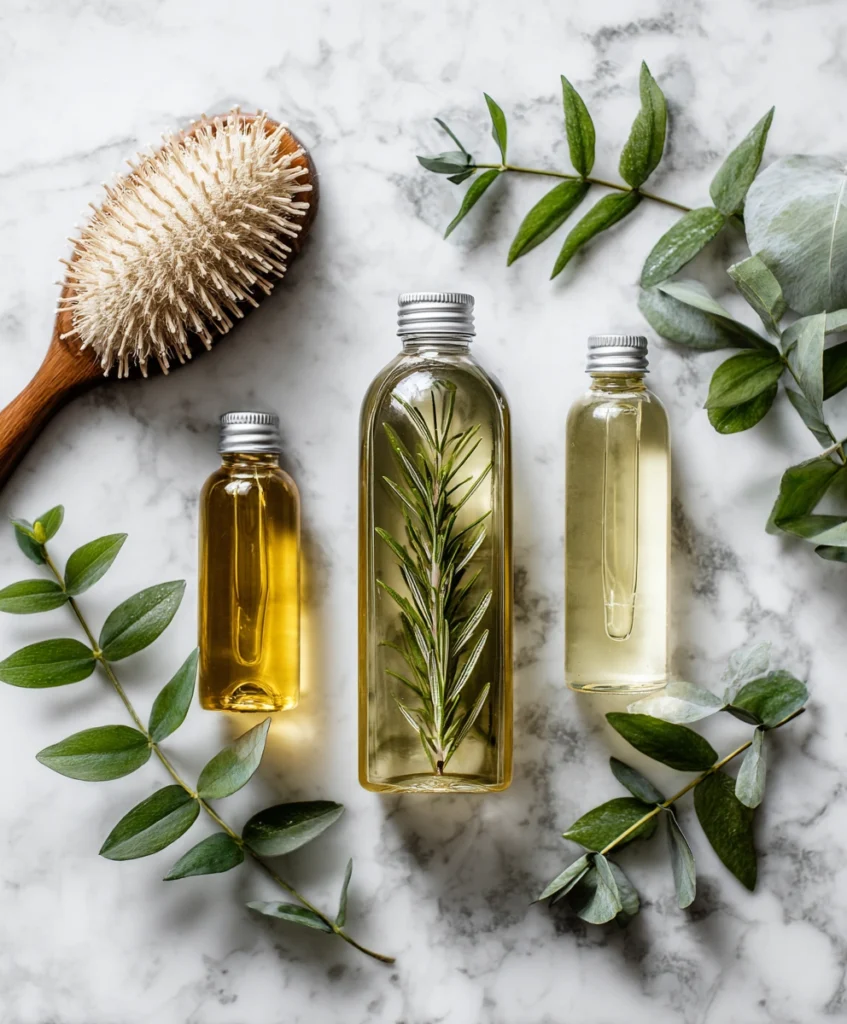
Hair loss and thinning hair are among the most common concerns I hear from patients. Women and men often search for natural solutions before turning to medical treatments, and one of the most popular options today is hair growth oil. But does a hair growth oil really work? Which ingredients are evidence-based? How should you use it for the best results? As a doctor, I will explain what science says, what works, what doesn’t, and how to use a hair growth oil safely and effectively. What Is a Hair Growth Oil? A hair growth oil is a topical blend of carrier oils and active botanical or essential oils, applied to the scalp to nourish follicles, reduce inflammation, and improve scalp circulation. Some oils also protect the hair shaft, reduce breakage, and promote thicker and healthier growth. In medical practice, I never describe a hair growth oil as a miracle cure. However, when used correctly and consistently, it can support scalp health, reduce shedding, and help hair grow stronger—especially when combined with proper medical treatment if an underlying condition exists. How Hair Growth Oils Work Scientific sources, including Healthline and peer-reviewed studies, describe several mechanisms that explain why a hair growth oil may help: 1. Improved Blood Circulation Certain essential oils—especially rosemary and peppermint—can increase local blood flow. Better circulation means more oxygen and nutrients reach the hair follicle. Some studies even suggest rosemary oil performed similarly to 2% minoxidil in cases of androgenetic alopecia, although more research is needed. 2. Anti-Inflammatory and Antioxidant Effects Chronic inflammation can damage hair follicles and speed up thinning. A hair growth oil with anti-inflammatory compounds (rosemary, lavender, tea tree, argan, coconut) may reduce irritation and improve follicle function. 3. Microbial Balance A healthy scalp microbiome protects hair follicles. Oils with antimicrobial properties—like tea tree or lavender—may reduce dandruff, irritation, and fungal overgrowth. 4. Hair Shaft Protection Carrier oils such as coconut, argan, almond, and jojoba do not only moisturize; they protect the hair shaft from breakage. Even if new hair is growing, it will not look thicker if it breaks easily. A good hair growth oil reduces this damage. Best Ingredients to Look For in a Hair Growth Oil When choosing a hair growth oil, the formula matters more than the brand. The most studied ingredients are: Ingredient Medical Benefit What Studies Suggest Rosemary Oil Improves circulation and reduces inflammation Comparable to 2% minoxidil in small studies Peppermint Oil Stimulates follicles, increases blood flow Promising animal studies; human studies limited Tea Tree Oil Antimicrobial and anti-inflammatory Helps decrease dandruff and irritation Lavender Oil Antioxidant and soothing May increase follicle number in animal studies Castor Oil Popular for thickness and hydration Limited scientific proof, but protects shaft and reduces breakage Coconut/Argan/Jojoba Oils Scalp hydration and shaft protection Supports hair quality but not strong stimulators alone From a medical perspective, rosemary remains the most evidence-backed option among natural oils for hair growth support. My Medical Experience as a Doctor In my consultations, I meet many patients worried about thinning hair, postpartum shedding, or stress-related hair loss. When there is no serious underlying illness—such as thyroid disorders, severe anemia, or autoimmune alopecia—a hair growth oil can help improve results. Patients who benefit most are those who:✅ Use the oil consistently (1–3 times weekly)✅ Massage the scalp gently for 2 minutes✅ Reduce heat styling and tight hairstyles✅ Have balanced nutrition and manage stress✅ Treat medical causes when present I have seen patients combine rosemary hair growth oil with nutritional supplements, gentle shampoo, and less heat exposure. After 3–6 months, many notice reduced shedding, better density, and a healthier scalp. In postpartum hair loss, a hair growth oil can reduce the duration and help regain volume faster. However, if a patient has alopecia areata, advanced androgenetic alopecia, or severe deficiency, oil alone will not be enough. As a doctor, I always evaluate blood tests, hormones, and scalp conditions before choosing a treatment plan. How to Use a Hair Growth Oil Correctly To get real results, technique matters. Here is the medically recommended method: 1. Patch-Test First Essential oils are strong and can irritate sensitive skin. Always test a small amount behind the ear or on the wrist for 24 hours. 2. Dilute Essential Oils Never apply pure essential oils directly on the scalp. They must be mixed with a carrier oil like argan, coconut, or jojoba. 3. Scalp Massage Apply a small amount of hair growth oil to the scalp and massage gently for 2 minutes. This improves circulation and enhances absorption. 4. Leave for at Least 30 Minutes Some people leave it overnight and wash the next day. Both methods are acceptable as long as scalp skin is not irritated. 5. 1–3 Times Per Week Is Enough Daily use is not necessary and may cause buildup or irritation. 6. Be Patient Hair grows about 1 cm per month. Visible changes require 8–12 weeks, and full results take 4–6 months. Safety and Risks Even natural products have risks: As a doctor, I remind patients that safety matters more than trends. If the scalp becomes red or itchy, the oil should be stopped. Can a Hair Growth Oil Replace Medical Treatment? The honest answer: No. A hair growth oil is helpful, but it is not a substitute for: Think of a hair growth oil as a supportive tool—not the only solution. Who Should Try a Hair Growth Oil? ✅ People with mild to moderate hair thinning✅ Postpartum women experiencing shedding✅ Stress-related hair loss✅ Dry or itchy scalp✅ People who want healthier, shinier hair Not ideal for:❌ Severe alopecia❌ Scalp infection❌ Autoimmune disease without medical treatment How to Choose the Best Hair Growth Oil A good product should contain: If you prefer homemade oil: Frequently Asked Questions About Hair Growth Oils The Final Verdict A hair growth oil can support healthy hair, reduce shedding, improve shine, and nourish follicles. It is a helpful addition—but not a miracle solution. As a doctor, I recommend it as part of a larger hair-care

Hair Growth Oil: Medical Evidence, Benefits, and My Clinical Experience as a Doctor Read More »

how many ultrasound during pregnancy

How Many Ultrasounds During Pregnancy? A Complete Medical Guide With Gynecologist Advice

Many pregnant women wonder how many ultrasounds during pregnancy are medically recommended. Some women receive only a few scans, while others have several depending on their health and the baby’s development. Understanding how many ultrasounds during pregnancy are needed is important for patient education, safety, and realistic expectations. Ultrasound allows doctors to visualize the fetus, placenta, uterus, and amniotic fluid without radiation exposure. For this reason, nearly every pregnant woman will undergo at least one ultrasound. The question is how many ultrasounds during pregnancy should be performed routinely and how many ultrasounds during pregnancy are justified by medical necessity. What Is a Prenatal Ultrasound? Before discussing how many ultrasounds during pregnancy are recommended, women must understand what an ultrasound does. Ultrasound uses high-frequency sound waves to create images of the fetus inside the uterus. The technology is safe, noninvasive, and has been used for decades in prenatal care. It confirms that the pregnancy is located inside the uterus, shows fetal heartbeat, verifies gestational age, and identifies twins or multiples. When patients ask how many ultrasounds during pregnancy they will need, doctors usually explain that the decision is based on medical guidelines and individual health factors rather than personal preference. Ultrasound can detect fetal abnormalities, measure growth, evaluate the placenta, and guide medical procedures. Because ultrasound provides so much diagnostic information, patients often assume more scans are better. However, how many ultrasounds during pregnancy should be performed depends on whether the pregnancy is low-risk or high-risk. Pregnant women should not compare how many ultrasounds during pregnancy they receive with friends or social media, because each pregnancy is unique. Gynecologist’s Advice:Patients often believe more scans mean safer care. In reality, what matters is timing and medical value. Ask your doctor why a scan is recommended rather than counting how many ultrasounds during pregnancy you receive. Types of Prenatal Ultrasound Different types of ultrasounds exist, and they influence how many ultrasounds during pregnancy are required. Understanding these types helps patients understand how many ultrasounds during pregnancy might be necessary. A low-risk woman may only need standard scans, while high-risk mothers or twins may require additional Doppler or growth monitoring. Gynecologist’s Advice:Most pregnancies only need standard 2D ultrasounds. Do not assume that 3D or 4D scans replace medical evaluation. They do not change how many ultrasounds during pregnancy are medically recommended. How Many Ultrasounds During Pregnancy in a Low-Risk Case? In a healthy pregnancy with no complications, doctors generally recommend two or three ultrasounds. If a patient asks how many ultrasounds during pregnancy a low-risk woman should expect, the answer is usually: This means two or three ultrasounds for an uncomplicated pregnancy. Some healthcare systems perform three by default, while others perform only two. This difference in how many ultrasounds during pregnancy are recommended does not mean one system is better. It simply reflects local medical policy. Gynecologist’s Advice:If your provider gives you only two scans, it likely means everything is normal. A healthy pregnancy does not require many ultrasounds during pregnancy. Medical need determines the count, not the patient’s desire to see the baby often. First Trimester: How Many Ultrasounds During Pregnancy Are Needed Early? Most women receive at least one scan in the first trimester. This scans for: Some women receive two early scans if bleeding, pain, or previous miscarriage risks exist. Therefore, how many ultrasounds during pregnancy are performed in the first trimester varies by symptoms and fertility history. The second first-trimester ultrasound is the nuchal translucency scan around 11–14 weeks. This screens for Down syndrome and other chromosomal problems. When patients ask how many ultrasounds during pregnancy are needed for genetic screening, providers explain that the nuchal translucency scan is optional in some countries but routine in others. Gynecologist’s Advice:Even if you feel well, do not skip the early ultrasound. Many complications have no symptoms. Early scans affect how many ultrasounds during pregnancy are required later, because early detection prevents emergency care. Second Trimester: Anatomy Scan The anatomy scan occurs around 18–22 weeks and is often the most important ultrasound of pregnancy. When women ask how many ultrasounds during pregnancy are essential, obstetricians emphasize that the anatomy scan is mandatory. It checks the brain, heart, spine, kidneys, bones, face, placenta, umbilical cord, and amniotic fluid. If the anatomy scan shows abnormalities, additional ultrasounds may be scheduled. This increases how many ultrasounds during pregnancy are needed for monitoring. The anatomy scan also confirms fetal growth and identifies the baby’s sex if parents want to know. Most birth defects detectable by ultrasound are discovered during this scan. For this reason, many doctors say if a woman receives only one ultrasound, the anatomy scan is the most critical. Gynecologist’s Advice:The anatomy scan should never be skipped. If your doctor recommends a second look, it is not a bad sign. Sometimes the baby’s position makes structures hard to see. This affects how many ultrasounds during pregnancy are needed for full evaluation. Third Trimester: Growth and Well-Being Scans Some countries perform a third-trimester growth scan for every patient. Others perform it only if concerns exist. A common question is how many ultrasounds during pregnancy are needed late in gestation. In low-risk women, one growth scan may be enough. It checks weight, position, placenta, and amniotic fluid. If growth restriction, large baby, or decreased fetal movement is suspected, doctors add more scans. Therefore, how many ultrasounds during pregnancy occur in the third trimester depends on medical findings. At 36–40 weeks, another scan may be used to evaluate fetal position or low amniotic fluid. Some doctors do this routinely before labor induction. Others perform it only if there is a problem. Gynecologist’s Advice:A baby can change position late in pregnancy. Ultrasound prevents surprises during labor. When women ask how many ultrasounds during pregnancy are needed near delivery, the answer is usually based on fetal position and fluid levels. High-Risk Pregnancies: How Many Ultrasounds During Pregnancy Are Needed? High-risk pregnancies require more frequent monitoring. In these cases, questions about how many ultrasounds during pregnancy cannot be answered

How Many Ultrasounds During Pregnancy? A Complete Medical Guide With Gynecologist Advice Read More »

Pregnancy Safe Sunscreen

Pregnancy Safe Sunscreen: The Complete Medical Guide for Expecting Mothers

Pregnancy is a transformative time, and while mothers prepare for physical, emotional, and hormonal changes, many do not realize how much the skin will change as well. Increased hormones make the skin more reactive to sunlight, more sensitive to irritation, and more prone to pigmentation. This is why every pregnant woman needs a pregnancy safe sunscreen, not only for cosmetic reasons, but for overall maternal and fetal protection. Many expecting mothers are unsure which sunscreen is safest, especially when social media, product labels, and marketing terms can be misleading. Some sunscreens contain chemicals that enter the bloodstream, while others cause irritation and worsen pregnancy-related skin conditions like melasma. To make confident, evidence-based choices, women need clear medical answers. This comprehensive 2000-word guide explains why sun protection is critical during pregnancy, which products are safe, which ingredients to avoid, how to apply sunscreen correctly, and what dermatologists recommend for real skin concerns. 1. Why Pregnant Women Need a Pregnancy Safe Sunscreen During pregnancy, estrogen, progesterone, and melanocyte-stimulating hormone levels increase dramatically. These hormones stimulate melanin production, making skin more sensitive to ultraviolet rays. A small amount of sun exposure can cause dark patches on the face, hyperpigmentation, uneven tone, and worsening of existing acne scars. Pregnancy also weakens the skin barrier, leading to dryness, irritation, and faster sunburn. Without a pregnancy safe sunscreen, UV light damages collagen, increases freckling, darkens scars, and accelerates aging. The skin is also more prone to heat rashes, redness, and inflammation. Dermatologist Expert Advice:During pregnancy, the skin becomes more reactive because of increased blood flow, hormonal shifts, and sensitivity. A pregnancy safe sunscreen with mineral ingredients such as zinc oxide protects the skin without penetrating deep layers or circulating in the bloodstream. Women with sensitive skin, rosacea, or eczema do best with fragrance-free mineral sunscreen. 2. Sun Exposure and Pregnancy: Hidden Medical Risks A. Hyperpigmentation and Melasma Melasma, also known as the “mask of pregnancy,” is extremely common. Up to 50–70% of pregnant women develop it, especially on the forehead, cheeks, and upper lip. UV light and visible light worsen melasma rapidly. Without a pregnancy safe sunscreen, pigmentation becomes darker and harder to treat postpartum. Dermatologist Expert Advice:Tinted mineral sunscreens are the best option for women with melasma. The tint contains iron oxide, which protects the skin from visible light and blue light—two major triggers for pigmentation. B. UV Exposure Reduces Folic Acid Levels Medical studies show that UV light can degrade folate (folic acid) in the bloodstream. Folate is essential for neural tube development in the fetus. Low folic acid levels increase risks of birth defects such as spina bifida. A pregnant woman who stays outdoors without a pregnancy safe sunscreen may experience faster folate depletion. Dermatologist Expert Advice:Women in sunny countries or those working outdoors should apply pregnancy safe sunscreen daily and maintain folic acid supplementation as advised by their obstetrician. C. Higher Risk of Sunburn and Skin Sensitivity The skin burns faster during pregnancy because of increased estrogen and vasodilation. A normal sunscreen may cause stinging or allergic reactions, which is why a pregnancy safe sunscreen should be gentle, mineral-based, and free from fragrances and chemical filters. Dermatologist Expert Advice:If a sunscreen irritates your skin, check the label for alcohol, synthetic fragrance, chemical UV filters, or retinoids. Switching to a zinc oxide formula solves the problem in most patients. D. Overheating and Dehydration Pregnant women naturally have a higher core temperature. Excess heat increases the risk of dehydration, dizziness, fainting, and heat exhaustion. Wearing hats, staying in shade, hydrating, and applying pregnancy safe sunscreen helps prevent overheating and UV damage at the same time. 3. What Makes a Sunscreen a “Pregnancy Safe Sunscreen”? Many brands advertise products as gentle or natural, but not all are safe. A real pregnancy safe sunscreen must meet strict criteria: Features of a Pregnancy Safe Sunscreen: Chemical sunscreens rely on ingredients that absorb UV rays and convert them into heat under the skin. This process can trigger irritation and inflammation. A pregnancy safe sunscreen forms a physical barrier on top of the skin instead. Dermatologist Expert Advice:When shopping, ignore phrases like “natural,” “organic,” or “baby-safe.” Instead, check the active ingredients. If zinc oxide or titanium dioxide are the only UV filters, it is a true pregnancy safe sunscreen. 4. Ingredients to Avoid: What Makes Sunscreen Unsafe in Pregnancy Some sunscreen chemicals penetrate the skin and may act as endocrine disruptors or irritants. A safe skincare routine requires eliminating these ingredients. Ingredient Why It Is Not a Pregnancy Safe Sunscreen Ingredient Oxybenzone Absorbed into bloodstream; hormone disruption concerns Octinoxate Possible endocrine interference Avobenzone Penetrates skin; unstable in sunlight Homosalate Hormone disruption potential Retinyl Palmitate (Vitamin A) Linked to birth defects in high doses Parabens Possible hormone mimicry Synthetic fragrances Trigger irritation and allergic reactions High-dose salicylic acid Can absorb systemically Dermatologist Expert Advice:If a sunscreen label lists more than one chemical filter, avoid it and choose a pregnancy safe sunscreen with mineral-only protection. 5. Mineral vs. Chemical Sunscreen: Which Is Safer? Type of Sunscreen How It Works Safe for Pregnancy Chemical Absorbs UV rays, turns them into heat inside skin Not recommended Mineral Sits on skin surface and reflects UV rays Yes, safest option A mineral formula containing zinc oxide or titanium dioxide provides the strongest physical shield. It stays on the skin surface instead of being absorbed, making it the foundation of every pregnancy safe sunscreen. Dermatologist Expert Advice:Mineral sunscreen is also ideal for women with acne, rosacea, eczema, or sensitive skin. Zinc oxide reduces inflammation and redness. 6. Additional Features to Look for in a Pregnancy Safe Sunscreen While the UV filters are the most important component, a high-quality pregnancy safe sunscreen should also offer: Skin barrier function is weaker during pregnancy, so a pregnancy safe sunscreen should soothe and protect the skin rather than irritate it. Dermatologist Expert Advice:Tinted sunscreen is the best daily shield for melasma and dark spots. It blocks visible light that regular sunscreen cannot. 7. How to Apply Pregnancy Safe Sunscreen

Pregnancy Safe Sunscreen: The Complete Medical Guide for Expecting Mothers Read More »

Discharge Before Period vs Early Pregnancy

Discharge Before Period vs Early Pregnancy: Key Signs Every Woman Should Know

Introduction Discharge before period vs early pregnancy is one of the most searched health questions among women. Both involve vaginal discharge changes, yet the reasons behind them differ.Hormones — mainly estrogen and progesterone — shape these changes. Learning the difference between discharge before period vs early pregnancy allows you to interpret what your body is signaling. Doctor’s Advice:Observe your discharge pattern each month. Subtle variations in texture, color, or timing often reveal exactly where you are in your cycle. Understanding Vaginal Discharge Vaginal discharge is a mixture of fluids from the cervix and vaginal walls. It: Healthy discharge is clear to white and non-irritating. Abnormal discharge smells unpleasant, looks yellow / green, or causes itching. Doctor’s Advice:Daily discharge is normal. Irritation or odor means you should consult your doctor — it’s rarely related to discharge before period vs early pregnancy, but more often to infection. The Menstrual Cycle and Hormonal Changes During the follicular phase, estrogen rises and mucus becomes clear and stretchy — the fertile type.After ovulation, the luteal phase begins; progesterone thickens mucus, reducing volume until the period starts.Understanding this rhythm clarifies how discharge before period vs early pregnancy differs. Doctor’s Advice:Recognizing fertile and premenstrual discharge helps you predict both ovulation and your period with surprising accuracy. Discharge Before Period When ovulation passes and pregnancy does not occur, progesterone dominates. Typical pre-period discharge: This is normal luteal-phase mucus, not a sign of conception. Doctor’s Advice:Thick discharge before a period means progesterone is high. It’s part of the cycle and unrelated to pregnancy unless accompanied by other early signs. Early Pregnancy Discharge After fertilization, rising estrogen and progesterone create continuous moisture called leukorrhea.Recognizing this change is central when comparing discharge before period vs early pregnancy. Typical pregnancy discharge: Doctor’s Advice:A constant feeling of wetness with mild, milky discharge after a missed period is often the first physical clue of pregnancy. Main Differences at a Glance : Discharge Before Period vs Early Pregnancy Feature Before Period Early Pregnancy Timing Few days before menstruation 1–2 weeks after conception Consistency Thick, creamy Thin, milky or watery Color White or off-white Clear or milky white Odor Mild or musky None Volume Decreases before period Increases and persists Symptoms PMS (cramps, bloating) Pregnancy (fatigue, nausea) Doctor’s Advice:Use the table as a guide. Hormones vary; one cycle’s discharge can differ from the next, even without pregnancy. Hormonal Explanation Behind These Differences The biology of discharge before period vs early pregnancy is entirely hormonal. External factors — stress, medication, or diet — can modify these patterns. Doctor’s Advice:Minor hormonal changes may alter discharge for a few days; persistent new patterns deserve medical discussion. When to Take a Pregnancy Test Even though discharge before period vs early pregnancy provides clues, only a test confirms pregnancy. Best time to test: Doctor’s Advice:Testing too early is the main reason for false negatives. Waiting improves reliability and peace of mind. When to See a Doctor Seek medical attention if you experience: These symptoms suggest infection or other conditions rather than normal discharge before period vs early pregnancy changes. Doctor’s Advice:Infections are common but easily treatable. Early care prevents long-term reproductive issues. Hygiene and Care Tips Healthy discharge depends on simple hygiene habits: Doctor’s Advice:The vagina is self-cleaning. Harsh soaps and fragrances disrupt its protective flora, causing problems mistaken for hormonal discharge. Real-Life Scenarios Scenario 1:A 29-year-old woman notices creamy white discharge five days before her period; it lessens before bleeding — typical luteal-phase pattern. Scenario 2:Another patient reports thin, milky discharge and tender breasts. Her period is late and a pregnancy test is positive — classic early pregnancy discharge. Scenario 3:A woman experiences yellow discharge with itching; diagnosed as yeast infection, not related to discharge before period vs early pregnancy. Doctor’s Advice:Timing and associated symptoms clarify the difference far better than appearance alone. Common Mistakes Doctor’s Advice:Evaluate discharge in context — cycle timing, symptoms, and overall health must be considered together. Most Frequently Asked Questions About Discharge Before Period vs Early Pregnancy Emotional and Psychological Aspects Waiting for a period or pregnancy confirmation can be stressful. Watching for every sign often leads to over-interpretation of discharge before period vs early pregnancy changes. Doctor’s Advice:Try to relax. Excessive stress can delay your cycle and further blur the differences you’re trying to observe. Tracking Your Cycle Tracking helps you see your unique pattern of discharge before period vs early pregnancy over time. Phase Typical Discharge Dominant Hormone Menstrual Blood flow Low hormones Follicular Clear, stretchy Rising estrogen Luteal Thick, creamy High progesterone Pregnancy Milky, odorless Estrogen + progesterone Doctor’s Advice:A cycle app or diary helps you recognize subtle changes early and makes discharge tracking scientific instead of stressful. Summary of Key Differences Aspect Before Period Early Pregnancy Hormones Progesterone dominant Estrogen + progesterone high Consistency Thick, sticky Thin, milky Odor Mild Odorless Volume Less More Timing Luteal phase Post-conception Symptoms PMS Pregnancy signs (fatigue, nausea) Doctor’s Advice:Understanding these patterns makes you an active observer of your own health rather than a passive patient. Conclusion About Discharge Before Period vs Early Pregnancy Knowing the difference between discharge before period vs early pregnancy gives women greater control over their reproductive health. Yet discharge alone cannot confirm pregnancy; only an hCG test can. If you notice itching, odor, or unusual color, consult your doctor promptly. Doctor’s Final Advice:Each woman’s cycle is unique. Learning your personal pattern of discharge before period vs early pregnancy is not only about fertility awareness — it’s a vital step in maintaining overall gynecological health and confidence. Written by a Gynecologist based on medical experience and scientific evidence to help you make informed decisions about  Discharge Before Period vs Early Pregnancy

Discharge Before Period vs Early Pregnancy: Key Signs Every Woman Should Know Read More »

Apron Belly

Apron Belly (Pannus Abdomen) : Causes, Treatments, and Expert Advices

Introduction An apron belly, medically referred to as pannus abdomen or sometimes called “mother’s apron,” describes a hanging layer of skin and fat that drapes over the lower abdomen. It can range from a small fold that sits above the pubic area to a large apron that extends to the thighs. This condition often develops after major body changes such as pregnancy, significant weight gain, or rapid weight loss. Although it is not a disease, it can cause physical discomfort, difficulty maintaining hygiene, and emotional distress related to body image. Both men and women can develop an apron belly, but it’s most commonly seen in women after childbirth or hormonal changes associated with aging and menopause. Doctor’s Advice:Many of my patients feel frustrated when they notice the lower abdomen sagging after pregnancy or dieting. It’s important to know that this is a common and natural response of the body. Understanding what causes it—and what can be done—helps you regain control and confidence. Anatomy and Pathophysiology An apron belly primarily involves subcutaneous fat, the fat located directly beneath the skin. In some cases, it can also involve omentum fat, which is stored deeper in the abdominal cavity around internal organs. The abdomen has several layers: skin, subcutaneous tissue, fascia, and muscle. When the skin and connective tissue lose elasticity, usually from stretching and collagen breakdown, they fail to retract. The result is sagging or a hanging appearance. The abdominal muscles also play a crucial role. Pregnancy, obesity, or aging can weaken these muscles, leading to reduced support and protrusion of the abdomen. It is important to distinguish between: Doctor’s Advice:Regaining muscle tone through safe and gradual exercise—especially postpartum—helps rebuild the abdominal wall and reduce the drooping effect. Overly intense workouts right after childbirth can worsen muscle separation, so always progress slowly. Causes and Risk Factors The development of an apron belly often results from a combination of biological, hormonal, and lifestyle factors. Main causes include: Doctor’s Advice:Extreme diets and repeated weight cycling (“yo-yo dieting”) are among the worst culprits. Stable, moderate weight management protects skin elasticity and muscle tone in the long run. Signs, Symptoms, and Complications While the apron belly itself is not medically dangerous, it can cause several physical and emotional symptoms that affect quality of life. Physical symptoms Functional limitations Psychological and social effects Potential medical complications Doctor’s Advice:If the skin under the fold becomes red, sore, or emits odor, it’s best to consult a physician early. Simple hygiene measures, antifungal creams, or barrier ointments usually solve the issue before it becomes serious. Non-Surgical Treatments For mild or moderate apron belly, lifestyle changes and supportive care can improve comfort, appearance, and self-confidence. Diet and Lifestyle Adopt a balanced, nutrient-rich diet that promotes slow fat loss and collagen repair. Focus on: Avoid extreme calorie restriction or “detox” programs; they accelerate muscle loss and worsen sagging. Exercise and Core Strengthening Combining aerobic exercise and strength training offers the best results. Skincare and Hygiene Doctor’s Advice:You cannot “spot reduce” fat in one area, but improving muscle tone and reducing overall body fat helps. Small, steady changes are more sustainable than drastic diets or high-intensity workouts Surgical and Aesthetic Options When the apron belly becomes large or causes medical problems, surgical procedures can provide lasting results. Panniculectomy This operation removes the overhanging skin and fat (the “pannus”). It does not involve tightening the muscles. Many insurance plans cover it if there are documented infections, back pain, or hygiene issues. Abdominoplasty (Tummy Tuck) In addition to removing skin and fat, this procedure tightens the abdominal muscles, improving contour and core strength. It is mainly cosmetic and typically self-funded. Liposuction A complementary procedure that removes localized fat deposits but does not correct loose skin. Body Contouring After massive weight loss, extended body-lift surgery reshapes the abdomen, thighs, and flanks for a more balanced silhouette. Doctor’s Advice:A tummy tuck can transform not only the body but also confidence. However, realistic expectations are essential. Discuss scarring, recovery time, and potential complications with a certified plastic surgeon. Before and After Surgery Before surgery:Most patients experience discomfort, chronic rashes, and self-consciousness about appearance. After surgery:The abdomen becomes flatter and lighter. Patients often report easier movement, improved hygiene, and renewed confidence. Recovery Doctor’s Advice:Healing depends on your lifestyle. Eat protein-rich meals, avoid smoking, and follow post-operative care strictly. In my experience, patients who prepare physically and mentally recover faster and are happier with their results. How to Lose Apron Belly Without Surgery For many, surgery feels like a last resort. Non-invasive methods can significantly reduce the appearance of an apron belly if followed consistently. Effective natural approaches Realistic expectations Loose skin rarely disappears entirely without surgery, especially after pregnancy or large weight loss. Improvement, not perfection, is the goal. Doctor’s Advice:I advise patients to photograph progress monthly. Visible change may take 2–4 months, but subtle improvements in firmness and comfort happen sooner. Prevention and Maintenance Once progress is made, prevention ensures lasting results. Doctor’s Advice:During pregnancy, wearing a gentle maternity belt and starting pelvic-floor exercises early help minimize abdominal stretching. Prevention is far easier than correction. When to Consult a Medical Professional Seek medical advice if you experience: A physician can evaluate whether medical treatment, physical therapy, or surgery is appropriate. Doctor’s Advice:Emotional discomfort is just as valid as physical pain. Never hesitate to talk about how your body changes make you feel. Medicine treats both health and confidence. Frequently Asked Questions (FAQs) Conclusion An apron belly is a common, treatable condition that reflects the natural changes of life—pregnancy, aging, or weight variation. It may cause discomfort or insecurity, but modern medicine and lifestyle interventions offer effective solutions. Whether you choose non-surgical methods or surgery, success depends on realistic expectations and commitment to overall health. Written by a Doctor based on medical experience and scientific evidence to help you make informed decisions about Apron Belly

Apron Belly (Pannus Abdomen) : Causes, Treatments, and Expert Advices Read More »