pregnancyfollowup.com

drsoukainaelaziz@gmail.com

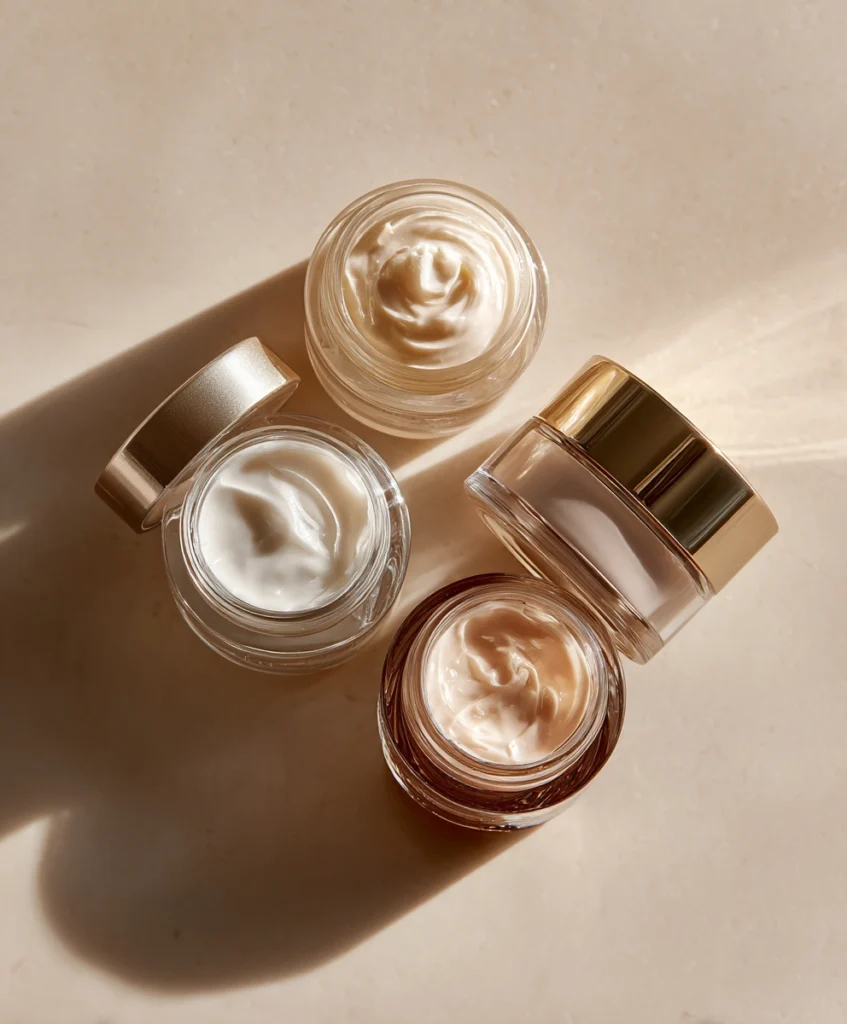
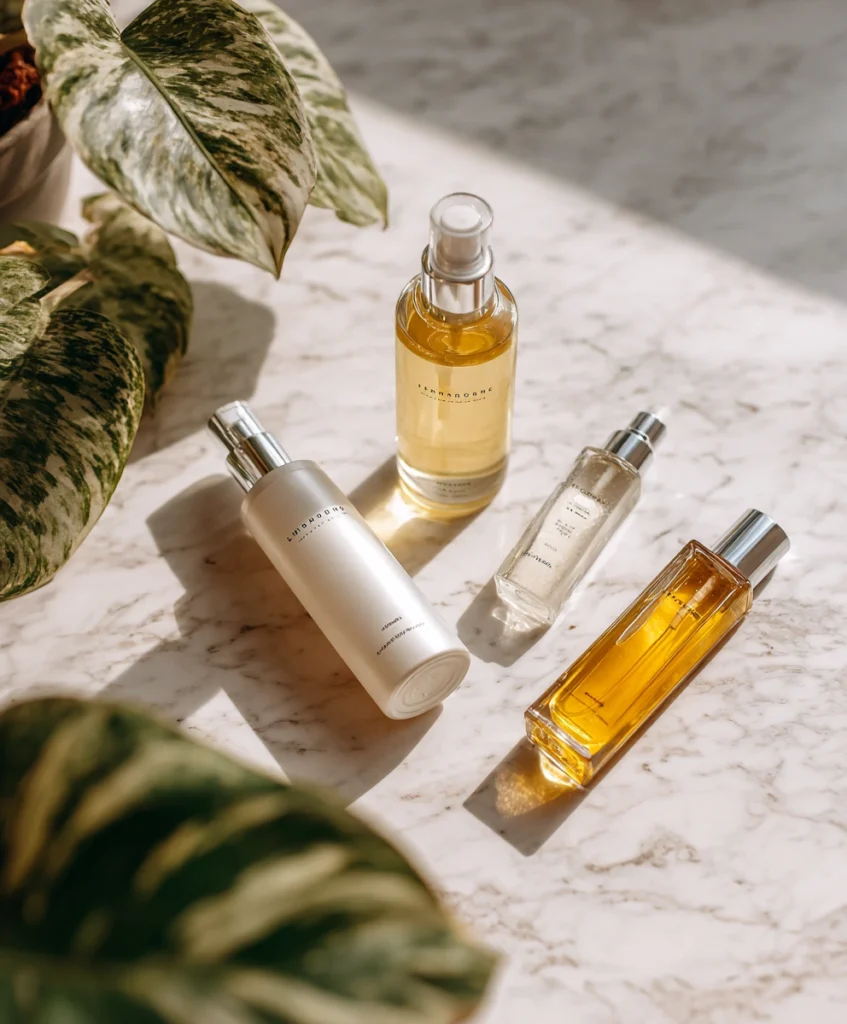
low porosity hair products

Low Porosity Hair Products: A Complete Medical Guide to Choosing the Right Care

Understanding hair porosity is essential for choosing the right hair-care routine. Among all porosity types, low porosity hair is one of the most misunderstood. This hair type has a tightly packed cuticle layer, making it naturally resistant to absorbing moisture, oils, and cosmetic treatments. For that reason, using the correct low porosity hair products is crucial. The wrong routine can lead to dryness, buildup, dullness, and frustration, while the right routine transforms hair into soft, hydrated, manageable strands. This comprehensive medical-based guide explains what low porosity hair is, why it behaves differently, and how to choose the best low porosity hair products to hydrate and nourish it effectively. What Is Low Porosity Hair? Hair porosity refers to the hair’s ability to absorb and retain moisture. This depends entirely on the condition and shape of the cuticle layer. In low porosity hair, the cuticles lie flat, smooth, and tightly closed. While this may protect the hair from external damage, it also prevents hydration from entering the hair shaft. As a result, many people with low porosity hair report symptoms such as: Because the cuticle is naturally resistant, traditional moisturizers and oils often fail to penetrate. That is why selecting the proper low porosity hair products makes all the difference. Why Porosity Matters for Product Selection For high-porosity hair, heavy creams and thick oils can restore hydration easily. But for people with low porosity hair, these products become a problem. The tightly sealed cuticle traps these products on the outside instead of letting them in, causing residue, heaviness, and flaking. Low porosity hair needs a different approach: Dermatologically, low porosity hair is not a disease or deficiency. It is simply a structural characteristic. But using incorrect products can create secondary issues such as breakage, irritation, and chronic dryness. Therefore, using the proper low porosity hair products is essential for healthy hair maintenance. How to Identify Low Porosity Hair Before investing in low porosity hair products, it is important to confirm whether this is your hair type. Common signs include: If these symptoms match your experience, your hair likely needs low porosity hair products specifically formulated for this structure. Scientific Causes of Low Porosity Hair Low porosity hair is usually genetic. It is common among people with naturally straight or wavy hair, but can also appear in curly or coily hair. Unlike high porosity hair, which often results from chemical or mechanical damage, low porosity hair is rarely caused by external factors. However, certain conditions can make low porosity hair even more resistant: For this reason, using appropriate low porosity hair products helps avoid creating an even tighter barrier. Essential Features of Good Low Porosity Hair Products To hydrate low porosity hair effectively, products must overcome the resistance of the cuticle. The best low porosity hair products usually include the following characteristics: 1. Lightweight Formulas Low porosity hair cannot absorb heavy creams or thick oils. Lightweight, water-based formulas are far more effective. 2. Humectants Ingredients like glycerin, honey, panthenol, and hyaluronic acid help attract moisture into the hair shaft. 3. Heat-Friendly Conditioners Deep conditioners formulated for low porosity hair are designed to be used with steam or mild heat to improve absorption. 4. Minimal Protein Protein treatments make hair stronger, but low porosity hair often becomes too stiff or dry when over-proteinized. Light proteins are fine, but heavy protein masks should be rare. 5. Clarifying Support Because low porosity hair traps residue, clarifying shampoos are an essential part of a healthy routine. Selecting low porosity hair products with these features ensures that hydration penetrates instead of sitting on the surface. Best Types of Low Porosity Hair Products Below is a practical breakdown of the categories of low porosity hair products recommended by dermatologists and trichologists: 1. Clarifying Shampoos Used once every 2–4 weeks, clarifying shampoos remove buildup and mineral deposits. This “resets” the hair so that other products can absorb better. 2. Lightweight Moisturizing Conditioners Light, water-based conditioners penetrate the cuticle faster and prevent heaviness. 3. Deep Conditioners With Heat Activation These low porosity hair products work best when paired with a heated cap, warm towel, or steamer. Heat temporarily lifts the cuticle, allowing active ingredients to enter. 4. Leave-In Conditioners Choose mist-type or liquid leave-ins instead of buttery creams. These provide hydration without coating the hair. 5. Lightweight Oils Oils like argan, grapeseed, sunflower, and sweet almond oil are ideal. Heavy oils and butters such as coconut oil, castor oil, or shea butter often sit on the surface and cause buildup. 6. Heat Protectants For people who use blow-dryers or straighteners, a lightweight heat protectant prevents damage without adding residue. Complete Routine Using Low Porosity Hair Products Here is an evidence-based routine to maximize moisture absorption: Step 1: Monthly Clarifying Use a clarifying shampoo to remove residue, styling product buildup, pollutants, and mineral deposits. This step ensures that low porosity hair products penetrate effectively. Step 2: Gentle Shampooing Follow with a mild sulfate-free shampoo to maintain scalp health without stripping natural oils. Step 3: Deep Conditioning With Heat Apply a deep conditioner formulated for low-porosity hair. Wrap the hair in a warm towel or use a heated cap. The heat slightly lifts the cuticle, allowing the conditioner to move inside the hair shaft. Step 4: Lightweight Leave-In Spray or apply a small amount of light leave-in conditioner. This step ensures hydration without heaviness. Step 5: Seal With Light Oil A few drops of a lightweight oil lock in the moisture provided by previous low porosity hair products. Step 6: Minimal Styling Products Avoid gels, pomades, and hair butters unless absolutely necessary. Low porosity hair becomes easily weighed down. Step 7: Weekly Monitoring Observe how the hair feels. If stiffness develops, reduce protein. If heaviness appears, clarify sooner. The correct use of low porosity hair products adapts over time. What to Avoid With Low Porosity Hair Avoiding the wrong products is as important as choosing the right ones. For best results, limit or avoid: These types of products block absorption and prevent

Low Porosity Hair Products: A Complete Medical Guide to Choosing the Right Care Read More »
how long does a root canal take

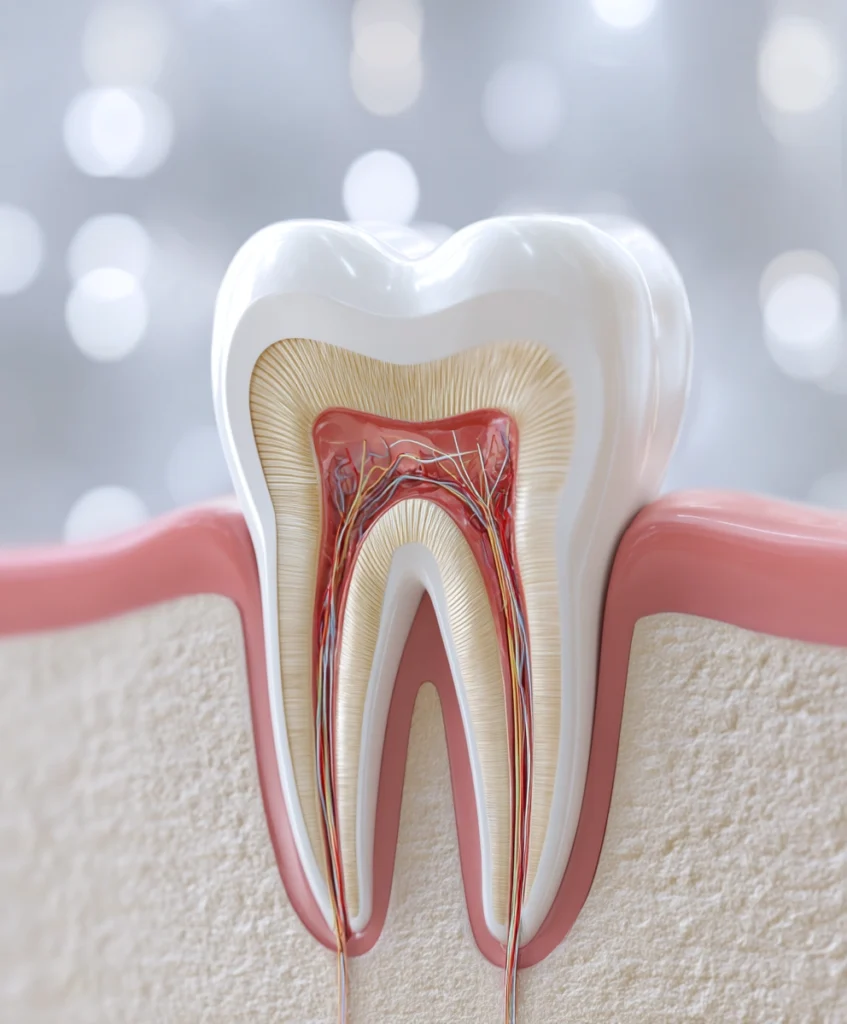
How Long Does a Root Canal Take? A Complete Medical & Scientific Guide

When patients ask: “Doctor, how long does a root canal take?”, the answer is not always simple or universal. Root canal duration depends on tooth anatomy, infection severity, number of canals, and the dentist’s technique. Based on scientific literature, dental textbooks, and real clinical cases, this article explains everything patients should know about the timing of a root canal — and includes insights from my personal medical experience treating patients with dental infections. 1. What Is a Root Canal and Why Does Time Matter? A root canal, medically known as endodontic therapy, is a procedure where the dentist removes infected or inflamed pulp from inside the tooth. The dentist cleans the canals, shapes them, disinfects the interior space, and fills and seals the root so bacteria cannot re-enter. For many patients, the most stressful part is not the pain — modern anesthesia prevents that — but the uncertainty around timing. Knowing how long does a root canal take allows patients to plan their day, manage anxiety, and understand what to expect. As a doctor, I often meet patients in the emergency room complaining of dental pain or swelling. One of the first things they ask after hearing they may need treatment is exactly this question: “How long does a root canal take?” They want reassurance, clarity, and a realistic timeline. 2. General Time Estimate: How Long Does a Root Canal Take? Most root canals take between 60 minutes and 180 minutes depending on the complexity. Simple teeth may require just one visit; more complicated teeth may require two or even three appointments. Here is the typical breakdown: The average answer to how long does a root canal take is therefore about 90 minutes, but many factors influence this. 3. The Science Behind Root Canal Duration Scientific studies and endodontic guidelines highlight several factors that affect the time needed for the procedure: a) Number of roots and canals This is the leading factor influencing how long does a root canal take. b) Tooth anatomy variations Curved canals, branched canals, or narrow canals require extra time for cleaning and shaping. c) Infection severity A tooth with an abscess or a long-standing infection takes longer because: d) Retreatment A tooth that previously had root canal therapy and failed takes far longer due to scar tissue and blocked canals. e) Crown placement If a crown is done on the same day, add 30–60 minutes. f) Operator skill and tools Endodontic specialists use: This often reduces the duration but increases precision. As a doctor, I also note that medically compromised patients (diabetes, immune disorders, inability to open the mouth well) may require more breaks, which impacts how long does a root canal take in real practice. 4. Step-by-Step: What Makes a Root Canal Take Time? Understanding the procedure helps patients see why timing varies. Here is what happens during an appointment: 1. Examination and X-rays – 10 to 20 minutes Diagnosis, anesthesia planning, and identifying the number of canals. 2. Local anesthesia – 5 to 10 minutes Numbing the tooth fully. 3. Isolation with rubber dam – 2 to 5 minutes This keeps the tooth sterile. 4. Opening the tooth and removing infected pulp – 10 to 30 minutes If infection is severe, this step can take longer. 5. Cleaning, shaping, and disinfection – 20 to 60 minutes The most time-consuming part of the procedure. 6. Filling the canals – 10 to 30 minutes Sealing prevents reinfection. 7. Final restoration (temporary or permanent filling) – 5 to 20 minutes 8. Crown (if placed the same day) – add 20 to 60 minutes When patients ask how long does a root canal take, these steps explain why the timing varies so widely. 5. Tooth Type Matters: How Long Does a Root Canal Take for Each Tooth? a) Front Teeth (Incisors & Canines) b) Premolars c) Molars So when discussing how long does a root canal take, the question must always include which tooth. 6. Single Visit vs. Multiple Visit Root Canals Some patients complete everything in one day. Others return for a second appointment. The decision depends on: Single Visit Multiple Visits A patient receiving a two-visit procedure may ask again: “How long does a root canal take in total?”The answer is usually two sessions of 45–90 minutes each. 7. My Clinical Experience as a Medical Doctor Although dentists perform root canals, I often manage the systemic consequences of dental infections. In emergency departments, I have treated patients with: Many of these patients end up needing a root canal. I always explain to them: “A root canal is not a quick 10-minute procedure. For most people, how long does a root canal take depends on the tooth, infection, and the dentist’s approach. Expect around 90 minutes, and if the tooth is a molar, possibly 2 hours or more.” From observing dental colleagues in clinical settings, I have learned: In medicine, we always say: good treatment takes good time. Root canals follow this rule. 8. Recovery Time: What Happens After the Root Canal? Even after asking how long does a root canal take, patients also want to know recovery time. Typical recovery: Infection cases may require antibiotics, rest, and additional follow-up appointments. 9. Patient Tips: Preparing for a Root Canal Appointment When patients ask me how long does a root canal take, I also give practical preparation tips: ✔ Plan at least 2 hours This includes procedure time plus preparation and recovery. ✔ Ask the dentist if a crown will be done the same day Crowns add extra time. ✔ Eat before the appointment Your mouth will be numb afterward. ✔ Take pain medication if recommended Dentists often advise ibuprofen post-procedure. ✔ Rest the tooth afterward Chew on the opposite side. Understanding the timing helps reduce anxiety and improves cooperation during the procedure. 10. Final Answer: How Long Does a Root Canal Take? To summarize clearly: The most accurate answer to how long does a root canal take is: 👉 Between 60 and 180 minutes, depending

How Long Does a Root Canal Take? A Complete Medical & Scientific Guide Read More »

14th Week Pregnancy

14th Week Pregnancy — Everything You Need to Know

1. Introduction Welcome to the 14th week pregnancy, the first official week of your second trimester.This milestone marks the end of the exhausting early phase and the start of a more comfortable period for most expectant mothers. Hormones begin to stabilize, nausea fades, and energy returns.Your uterus is growing, your baby is developing rapidly, and your body is preparing for the months ahead. “You’re now in your 14th week pregnancy — welcome to the second trimester! Many early symptoms ease up while your baby’s organs mature and growth accelerates.” 2. How Many Months Is 14th Week Pregnancy? The 14th week pregnancy equals roughly month 4 of pregnancy.Pregnancy is divided into: Entering the 14th week pregnancy means you’ve cleared the riskiest part of the first trimester. The placenta has taken over hormone production, miscarriage risk drops dramatically, and most women begin to feel emotionally and physically stronger. It’s a wonderful time to bond with your baby and enjoy this calmer phase. 3. Baby Development Your baby during the 14th week pregnancy is about the size of a kiwi or navel orange, measuring 8 to 9 cm (3.5 in) and weighing 40 – 45 g.Inside your womb, incredible transformations are happening. Facial Development and Expressions Your baby can now squint, frown, or smile. Tiny facial muscles are practicing movements even though they aren’t yet voluntary. Skin and Hair Formation A fine, downy hair called lanugo covers the body. It protects fragile skin from amniotic fluid and helps regulate temperature later in pregnancy. Kidneys and Digestive System The kidneys begin producing urine. The baby swallows amniotic fluid, helping the digestive tract learn how to work after birth. Genital Growth External sex organs are forming, and an ultrasound performed in the late 14th week pregnancy might reveal the baby’s gender. Skeletal Changes Bones are strengthening as calcium builds up. The neck elongates, allowing the head to lift away from the chest. Movement and Reflexes Although you won’t feel it yet, your baby is stretching, twisting, and kicking — movements crucial for joint and muscle development. By the end of the 14th week pregnancy, most major organs are in place, and your baby’s focus is growth, coordination, and fat storage. 4. Symptoms During 14th Week Pregnancy The second trimester is often called the “honeymoon period,” but your body still works hard.Typical 14th week pregnancy symptoms include: If any 14th week pregnancy symptom becomes severe — vomiting, pain, bleeding, or fainting — contact your doctor immediately. 5. Body Changes You May Notice Rising Uterus and Early Bump The uterus rises above the pelvic bone, giving a gentle rounded belly. You might start switching to maternity clothes soon. Skin Pigmentation A dark line (linea nigra) may run from your navel to pubic bone, and patches of brown skin (melasma) can appear on your face. They fade after birth. Fuller Hair and Nails Hormones extend the growth phase of hair and nails, making them appear thicker and healthier throughout the 14th week pregnancy. Breast Changes Breasts feel heavier, veins become visible, and nipples darken as ducts expand for future milk production. Improved Mood and Sleep Emotional stability returns for many women. Better sleep and balanced hormones make the 14th week pregnancy a period of renewed vitality. Slight Weight Gain A healthy gain of about 1 – 2 kg is expected by this point. Focus on slow and steady progress, not numbers. 6. Health and Wellness Tips This is the perfect time to build habits that carry you through the next months. 1. Oral Care Matters Pregnancy gingivitis is common at the 14th week pregnancy.Brush twice a day with a soft brush, floss daily, and visit your dentist if you notice bleeding gums. Good oral health reduces infection risk. 2. Exercise Safely Gentle movement boosts circulation and mood.Try: Avoid contact sports or lying flat for long periods. Listen to your body throughout the 14th week pregnancy. 3. Eat for Health, Not for Two At 14 weeks, you don’t need extra calories yet.Focus on: Limit sugary drinks and avoid alcohol completely throughout the 14th week pregnancy. 4. Hydration and Fiber Drink at least 8 glasses of water daily and include fruits, vegetables, and whole grains to ease constipation — one of the most common 14th week pregnancy issues. 5. Sleep Comfortably Adopt side-sleeping, preferably on the left, to enhance blood flow to the uterus. Use a pillow between your knees for support. 6. Safe Beauty Care Choose pregnancy-safe skincare and avoid retinoids or chemical treatments. Simple hydration and sun protection keep your skin glowing through the 14th week pregnancy. 7. Stay Up-to-Date on Vaccines Flu and tetanus vaccines are safe and recommended for expectant mothers. Ask your doctor if you haven’t received them yet. 8. Mind and Mood Practice mindfulness or prenatal meditation. Lowering stress during the 14th week pregnancy supports healthy blood pressure and fetal growth. 7. When to Call Your Doctor The 14th week pregnancy is generally low-risk, but certain signs need prompt attention: If you experience any of these symptoms during your 14th week pregnancy, contact your healthcare provider immediately. 8. Week-by-Week Checklist Task Reason Continue prenatal vitamins Supports neural and bone development Schedule next check-up Monitors weight and fetal growth Book antenatal classes Builds confidence for delivery Inform your employer Plan maternity leave early Start pelvic-floor exercises Strengthens muscles for birth and recovery Eat balanced meals Prevents fatigue and constipation Avoid alcohol and smoking Reduces risk of birth defects Journal your progress Tracks 14th week pregnancy symptoms and emotions 9. FAQs About the 14th Week Pregnancy Q 1 — Is fatigue normal at the 14th week pregnancy?Yes. Most women feel better but occasional tiredness is normal. Rest and iron-rich foods help. Q 2 — When will I feel my baby move?Usually between weeks 16 and 22. During the 14th week pregnancy, movements are too gentle to notice. Q 3 — Can I travel now?Yes, the second trimester is the safest time to travel. Stay hydrated and stretch your legs on long trips. Q 4 —

14th Week Pregnancy — Everything You Need to Know Read More »

Cosmetic Dental Bonding

Cosmetic Dental Bonding: A Doctor’s Guide to a Fast, Natural-Looking Smile Upgrade

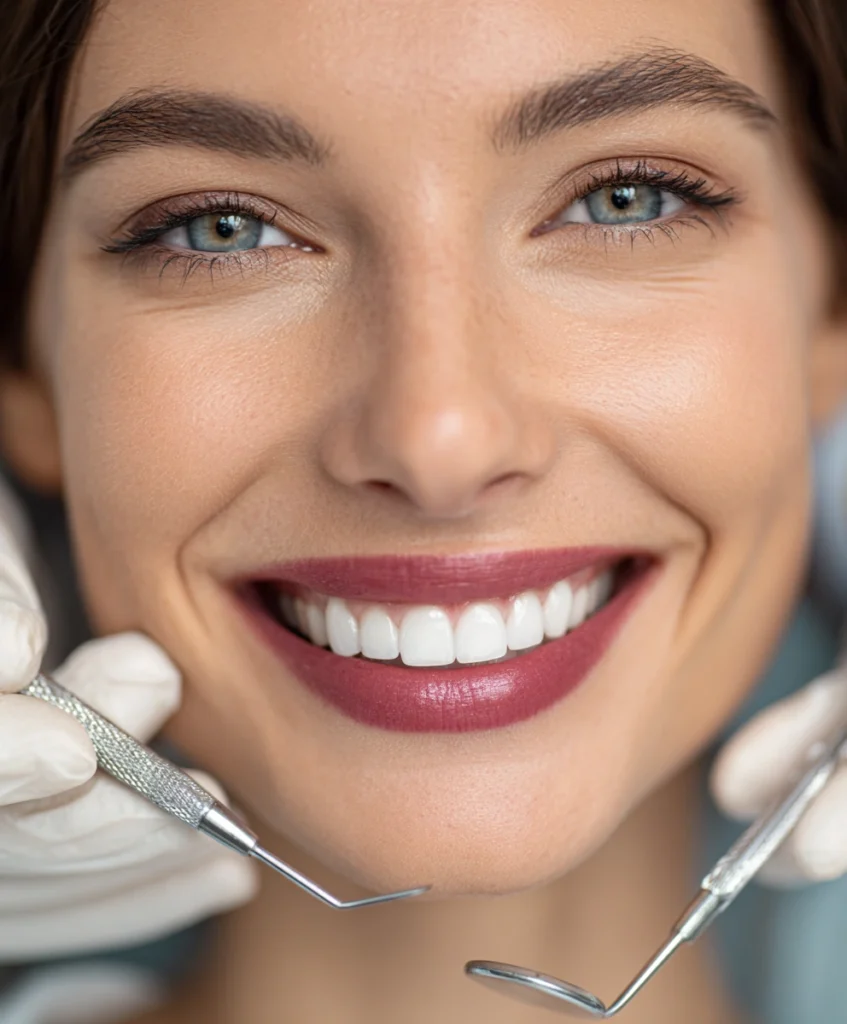
Cosmetic dental bonding is one of the quickest, most conservative ways to repair chips, close small gaps, disguise discoloration, and refine tooth shape without drilling away healthy enamel. In a single visit, your dentist sculpts a tooth-colored composite resin directly onto your tooth, hardens it with a curing light, and polishes it to blend seamlessly with your smile. Because cosmetic dental bonding typically requires little to no anesthesia and preserves natural tooth structure, many people choose it as a first-line cosmetic solution before considering veneers or crowns. As a medical doctor who counsels patients about procedures that impact overall health, I appreciate how cosmetic dental bonding delivers aesthetic improvement with minimal biological cost. In my practice, I often coordinate with dental colleagues when a patient’s oral health intersects with pregnancy, chronic disease, or medication use. Time and again, I’ve seen cosmetic dental bonding restore confidence quickly—especially for patients who need an affordable, conservative option while they plan long-term dental work. What Exactly Is Cosmetic Dental Bonding? Cosmetic dental bonding uses a tooth-colored composite resin placed directly on enamel or dentin. The dentist conditions the tooth surface, applies an adhesive, then layers and sculpts the resin to reproduce natural contours. After curing with a blue light, the restoration is shaped and polished for a lifelike sheen. The same composite family is also used for many restorative fillings, which speaks to its versatility and safety in the mouth. Modern adhesive systems are highly engineered. Enamel bonds are micromechanical—etching creates micro-porosities that “lock” resin in—while dentin bonds must navigate a moist, collagen-rich structure. Ongoing innovations like universal adhesives and improved monomers continue to strengthen the resin–tooth interface and reduce sensitivity. When Cosmetic Dental Bonding Makes Sense You might be an excellent candidate for cosmetic dental bonding if you want to: Your dentist will also screen for gum disease, active decay, or bite problems—issues that should be treated first so the bonding lasts and looks good. Doctor’s note: In patients with enamel discolorations (fluorosis or early erosion), dentists sometimes pair cosmetic dental bonding with enamel microabrasion or selective bleaching for the most natural result. Microabrasion removes superficial defects; bonding then fine-tunes color and shape. Advantages of Cosmetic Dental Bonding Because cosmetic dental bonding is added to the tooth rather than replacing structure, it’s a smart “step-one” solution for many cosmetic concerns. Limitations You Should Know No single procedure solves every problem. Cosmetic dental bonding: For extensive smile makeovers or heavy bite forces, porcelain veneers or orthodontics may be recommended instead. How Long Does Dental Bonding Last? In everyday practice, cosmetic dental bonding typically lasts 3–10 years, depending on case selection, bite forces, diet, oral hygiene, and follow-up care. Small edge repairs in a low-stress area might exceed that range; large reshaping in a heavy grinder may sit at the lower end unless a nightguard is used. Doctor’s note: I advise patients to think of cosmetic dental bonding like a favorite white shirt: beautiful, affordable, and easy to wear—just plan for periodic cleanings, occasional touch-ups, and be mindful with coffee, tea, wine, or smoking to keep it bright. What to Expect During the Appointment Most patients resume normal activities immediately after cosmetic dental bonding, with only brief sensitivity if any. Care and Maintenance Tips These habits significantly extend the life and beauty of cosmetic dentall bonding. Cost: What Most People Pay Fees vary by location, tooth, and complexity. A realistic range for cosmetic dental bonding is about $300–$600 per tooth. Some practices charge less for small repairs and more for complex multi-surface work. Many dental plans consider bonding cosmetic and do not cover it, so confirm before treatment. Doctor’s note: If you’re budgeting for a multi-tooth smile line, ask your dentist about staging—two or three key teeth first—so you can confirm shade and shape before continuing. Cosmetic Dental Bonding vs. Composite Veneers vs. Porcelain Veneers Your dentist will tailor recommendations to your goals, bite, and budget. My Medical Perspective: Whole-Person Benefits From a physician’s standpoint, smiles matter for social confidence, mental health, and professional life. I’ve seen patients who avoided photos for years light up after cosmetic dental bonding closed a gap or repaired a chipped incisor. For pregnant patients or those managing chronic illness, we coordinate timing and materials with their broader care plan. Because cosmetic dental bonding is fast, conservative, and reversible, it’s often ideal when we want a safe, morale-boosting improvement without complex dental or surgical commitments. At the same time, I remind patients that cosmetic dental bonding complements—not replaces—foundational oral health: regular cleanings, cavity prevention, and bite management. When those pillars are strong, bonded esthetics looks better and lasts longer. Frequently Asked Questions Who Should Consider Cosmetic Dental Bonding Now? Choose cosmetic dental bonding if you want a conservative, budget-friendly fix for one to four front teeth—chips, edges, or small gaps—without a major prosthetic commitment.Avoid or delay it if you have gum disease, active decay, or severe bite imbalance until those are corrected. Key Takeaways Final Word from a Doctor If you’ve been hesitating to fix that small chip or close a gap, cosmetic dental bonding is an elegant, conservative place to start. Ask your dentist for a shade analysis and mock-up so you can preview the result. With good care and realistic expectations, cosmetic dental bonding can refresh your smile—and your confidence—without over-treating your teeth. Written by a Doctor based on medical experience and scientific evidence to help you make informed decisions about Cosmetic dental bonding

Cosmetic Dental Bonding: A Doctor’s Guide to a Fast, Natural-Looking Smile Upgrade Read More »

baby grinding teeth

Baby Grinding Teeth: Causes, Treatment, and Doctor’s Expert Advice for Parents

As a doctor with years of experience in pediatric and dental health, I often meet parents who become worried the first time they hear their baby grinding teeth. The sound can be loud, even alarming — a high-pitched scraping or squeaking noise that seems unnatural for such a tiny mouth. But in most cases, this behavior is completely normal and temporary. Understanding why baby grinding teeth happens and how to respond can help parents stay calm and protect their child’s developing smile. What Does “Baby Grinding Teeth” Mean? The expression baby grinding teeth refers to the habit of clenching or sliding the upper and lower teeth against each other. In medical terms, it’s called “bruxism.” Although it is commonly discussed in adults and older children, it can also appear in infants once their first baby teeth erupt. This behavior usually starts around 6 to 10 months of age, when babies have several teeth in both the upper and lower gums. At this stage, they begin to explore how their mouth works — chewing, biting, and experimenting with jaw movement. Grinding becomes part of that exploration process. As a doctor, I explain to parents that baby grinding teeth is often a developmental phase rather than a disease. Why Do Babies Grind Their Teeth? There are several possible reasons why baby grinding teeth occurs. The causes can be physical, emotional, or developmental. Based on my clinical experience and medical studies, the most common factors include the following: 1. Teething Discomfort Teething is one of the main reasons for baby grinding teeth. When a new tooth pushes through the gum, babies feel pressure, itching, or mild pain. Grinding may act as a natural self-soothing response. It relieves tension in the gums and jaw and helps the baby adapt to the new teeth. 2. Exploring New Sensations When babies first get teeth, they become fascinated by the new feeling of hard surfaces in their mouth. They rub their upper and lower teeth together simply to experiment. It’s part of discovering their body. This type of baby grinding teeth is harmless and usually stops once the novelty wears off. 3. Jaw and Bite Development As the jaw grows and the dental bite changes, babies may grind their teeth to find a comfortable position between upper and lower teeth. This is called occlusal adjustment. It’s a temporary adaptation process that disappears once the bite stabilizes. 4. Sleep Patterns Some babies grind their teeth while sleeping. This type of baby grinding teeth, known as sleep bruxism, may occur during light sleep phases or when the baby transitions between sleep stages. It is often harmless, but in a few cases, it can be associated with sleep disturbances or breathing issues. 5. Stress or Emotional Factors Although stress seems like an adult problem, babies can also experience emotional tension — for example, due to separation from parents, change in routine, or discomfort. Grinding teeth can be an unconscious way to release that tension. In my medical practice, I have noticed that baby grinding teeth often appears more frequently during emotional changes or illness. 6. Airway or Breathing Issues In some cases, grinding can be related to airway obstruction or mouth breathing. Babies who snore, have enlarged tonsils, or show difficulty breathing during sleep may grind their teeth more often. These cases should be evaluated by a pediatrician or ENT specialist. How Common Is Baby Grinding Teeth? The habit of baby grinding teeth is surprisingly common. Research shows that up to half of all children experience teeth grinding at some point. In babies, it is usually a short-lived phase lasting a few weeks or months. Most children stop grinding once all baby teeth have erupted or when permanent teeth start appearing around age 6. From my own experience, I see about one in five babies showing noticeable grinding behavior during teething. Parents usually discover it at night or during naps when the room is quiet enough to hear the sound clearly. Is Baby Grinding Teeth Dangerous? In most cases, baby grinding teeth is not dangerous. The teeth are strong, and grinding for a few weeks rarely causes damage. However, prolonged or intense grinding can sometimes lead to issues such as: If you notice that your baby grinds teeth very loudly, seems uncomfortable, or shows visible wear on the teeth, it’s wise to consult your doctor or dentist. As a physician, I always recommend early evaluation if the behavior persists or if there are additional symptoms like sleep trouble or feeding problems. When to See a Doctor or Dentist You should consider seeing a medical professional if: As a doctor, I reassure parents that early consultation doesn’t necessarily mean there is something serious. It helps confirm whether the grinding is just part of normal development or needs treatment. What You Can Do at Home If your baby is grinding teeth, there are several simple things you can do to reduce discomfort and protect the teeth. 1. Relieve Teething Pain These actions can help reduce the urge for baby grinding teeth caused by teething discomfort. 2. Encourage Good Sleep Habits Create a calm sleep environment with consistent routines. Soft music, gentle rocking, and a dark room help babies sleep deeper and reduce grinding episodes. Regular sleep schedules are beneficial for overall neurological development. 3. Monitor and Record Keep a short diary: note when the grinding occurs, how often, and if there are any patterns (during teething, after stress, before naps). This helps your doctor identify triggers. 4. Protect Teeth and Jaw Make sure your baby’s mouth is clean. Start brushing gently with a baby toothbrush once the first tooth erupts. Visit a pediatric dentist around the first birthday. Early dental visits ensure that baby grinding teeth has not caused any enamel damage. 5. Manage Environmental Stressors Reduce noise, screen time, and overstimulation before bedtime. Babies are sensitive to emotional tension around them. Calm surroundings can lower the frequency of baby grinding teeth. My Medical Experience as a Doctor From my medical

Baby Grinding Teeth: Causes, Treatment, and Doctor’s Expert Advice for Parents Read More »

Laser Hair Removal During Pregnancy

Laser Hair Removal During Pregnancy: Safety, Risks, and Alternatives

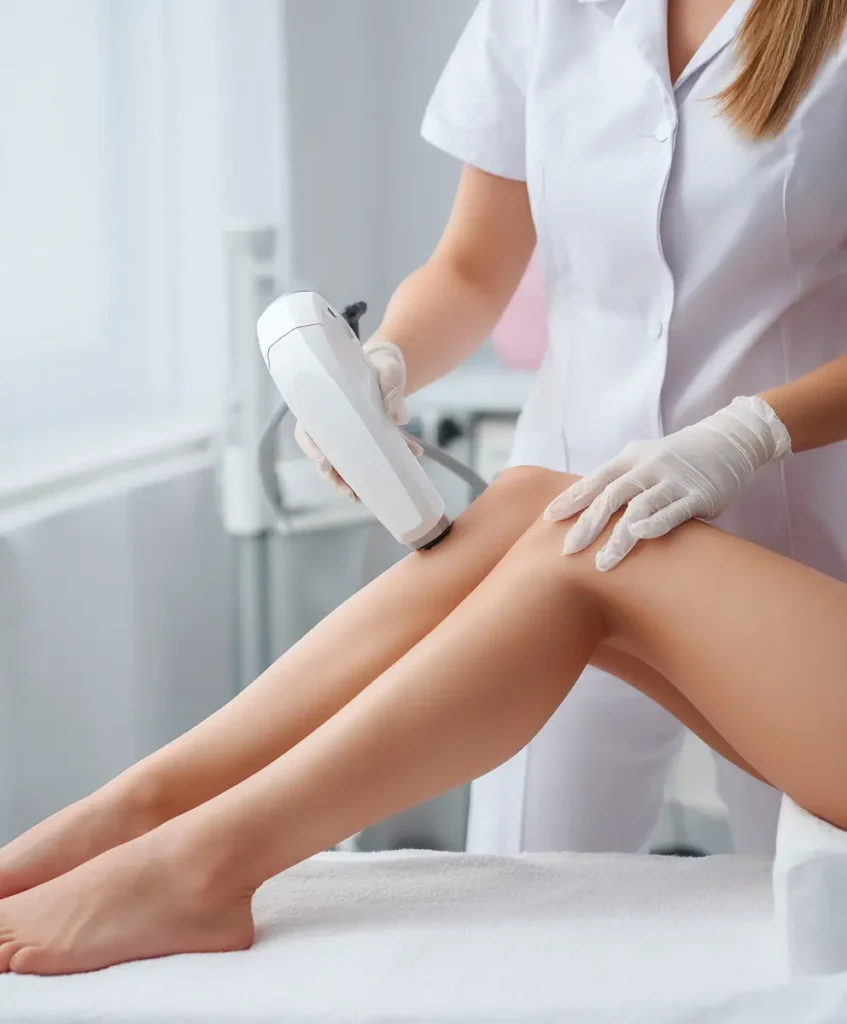
1. Introduction About laser hair removal during pregnancy Modern aesthetic medicine has made permanent hair reduction increasingly accessible, and laser hair removal has become one of the most requested cosmetic procedures across the world. The treatment uses concentrated light energy to target hair follicles and inhibit future hair growth. Women commonly seek laser hair removal on the face, arms, bikini line, and legs. With the global rise of aesthetic trends and social media beauty standards, many women who conceive in the middle of treatment programs begin to wonder whether continuing laser sessions is safe. The real question many ask in medical clinics is simple: Is laser hair removal during pregnancy safe for the mother and baby? Despite its popularity, laser therapy during pregnancy remains a gray scientific zone. Pregnant women experience significant hormonal changes that affect the skin, hair, and overall sensory perception. At the same time, there is a lack of clinical research evaluating the effects of laser energy on fetal development. As healthcare professionals, it is essential to balance patient comfort with rigorous medical caution. This article provides an evidence-based, expert review of laser hair removal during pregnancy, including biological mechanisms, physiological changes, potential risks, alternatives, and clinical recommendations for pregnant patients. 2. Mechanism of Laser Hair Removal Laser hair removal works through a principle called selective photothermolysis. A device emits a concentrated beam of light that is absorbed by melanin inside the hair shaft. This light converts into heat, damaging the hair follicle and slowing or preventing future growth. The surrounding skin remains mostly unaffected when performed correctly. Common laser types used include: Importantly, laser hair removal works locally. The energy does not travel through the bloodstream or reach internal organs. There is no known systemic absorption. Theoretically, this suggests that laser hair removal during pregnancy should not physically harm the fetus. However, in medicine, the absence of proven harm does not equal safety. Without controlled studies, healthcare professionals cannot declare a procedure risk-free. 3. Physiological Changes in Pregnancy Affecting Laser Results Pregnancy causes profound hormonal changes, especially increases in estrogen and progesterone. These hormones affect every layer of the skin and hair cycle. Understanding these effects explains why clinicians often advise postponing laser hair removal during pregnancy. A. Skin Pigmentation Pregnant patients frequently experience: Laser treatment on hyperpigmented skin increases risk of: Because pigmentation is less stable during pregnancy, even lasers safe for dark skin types may cause unpredictable reactions. B. Skin Sensitivity Pregnancy increases blood flow to the skin and raises inflammation sensitivity. Patients who normally tolerate laser energy may suddenly experience: For some women, even shaving or waxing feels more painful during pregnancy. Laser hair removal during pregnancy is therefore often more uncomfortable and irritating than usual. C. Hair Growth Patterns Paradoxically, hair growth may increase in pregnancy. Many women suddenly notice thicker or darker hair: Treating these areas with a laser is tempting, but these hormonal hairs often fall out naturally after childbirth, making treatment unnecessary. 4. What Does the Research Say? The major challenge in discussing laser hair removal during pregnancy is the lack of scientific studies. Controlled research on pregnant women is difficult because it raises ethical concerns. No medical ethics committee would expose developing embryos to unnecessary procedures just to prove safety. Therefore, most evidence is indirect. Available points: Despite these reassuring factors, medical science cannot claim absolute safety. For this reason, obstetric and dermatology guidelines usually recommend avoiding laser hair removal during pregnancy purely out of precaution. FDA Status The U.S. Food and Drug Administration classifies cosmetic lasers as aesthetic devices, not medical treatments for disease. Because they are cosmetic, manufacturers are not required to conduct pregnancy safety studies. This regulatory gap reinforces a conservative clinical approach. 5. Expert and Medical Recommendations American Pregnancy Association The American Pregnancy Association states that there is insufficient data to confirm safety. It advises pregnant women to postpone laser hair removal until after delivery. For patients who insist on proceeding, the organization recommends avoiding the abdomen and breasts, especially in late pregnancy. Dermatologists and Medical Spas Most dermatologists refuse elective cosmetic laser treatment on pregnant patients because: Well-trained cosmetic clinics ask patients if they are pregnant before treating them. Many request written consent and require physician clearance. Aesthetic centers that treat pregnant women without caution face ethical and legal risks. Ambasada Urody Clinic Insights Clinical reports from professionals also state: Although contractions are not caused by laser energy itself, extreme discomfort can stimulate tension or vasovagal reactions, especially in the third trimester. 6. Potential Risks of Laser Hair Removal During Pregnancy Even without proven harm to fetuses, there are real risks for the mother. A. Skin Burns and Pigment Changes Melasma and unstable melanin levels make laser therapy risky. Pregnant skin reacts faster and more aggressively to heat. After treatment, some women may develop: These cosmetic complications may be permanent. B. Increased Pain and Emotional Stress Pregnant patients have lower pain tolerance. A normally easy session can become uncomfortable or traumatic. Stress hormones, including cortisol, rise in response to pain. Although not directly dangerous, this stress is unnecessary during pregnancy. C. Lack of Medical Necessity Laser hair removal is cosmetic, not therapeutic. Any elective procedure performed during pregnancy must prove that benefits outweigh risks. In this case, there is no medical advantage, while skin reaction risks clearly increase. D. Theoretical Uterine Stimulation Although unproven, some clinicians worry that the discomfort of laser pulses near the abdomen could trigger mild uterine tightening in late pregnancy due to reflex responses or muscle tension. Because of all these factors, most experts recommend postponing laser hair removal during pregnancy. 7. Alternatives to Laser Hair Removal During Pregnancy Women may feel frustrated by increased hair growth during pregnancy, but safe alternatives exist. ✅ 1. Shaving Use gentle shaving cream and avoid shaving dry skin. ✅ 2. Depilatory Creams Some chemical depilatories break down hair proteins. They are generally considered safe if patch-tested first, because pregnancy increases sensitivity and allergic reactions. Avoid applying creams to the breast area

Laser Hair Removal During Pregnancy: Safety, Risks, and Alternatives Read More »

Lip Tie Baby

Lip Tie Baby: Clear, Evidence-Ground Guidance (Plus My Doctor’s Approach)

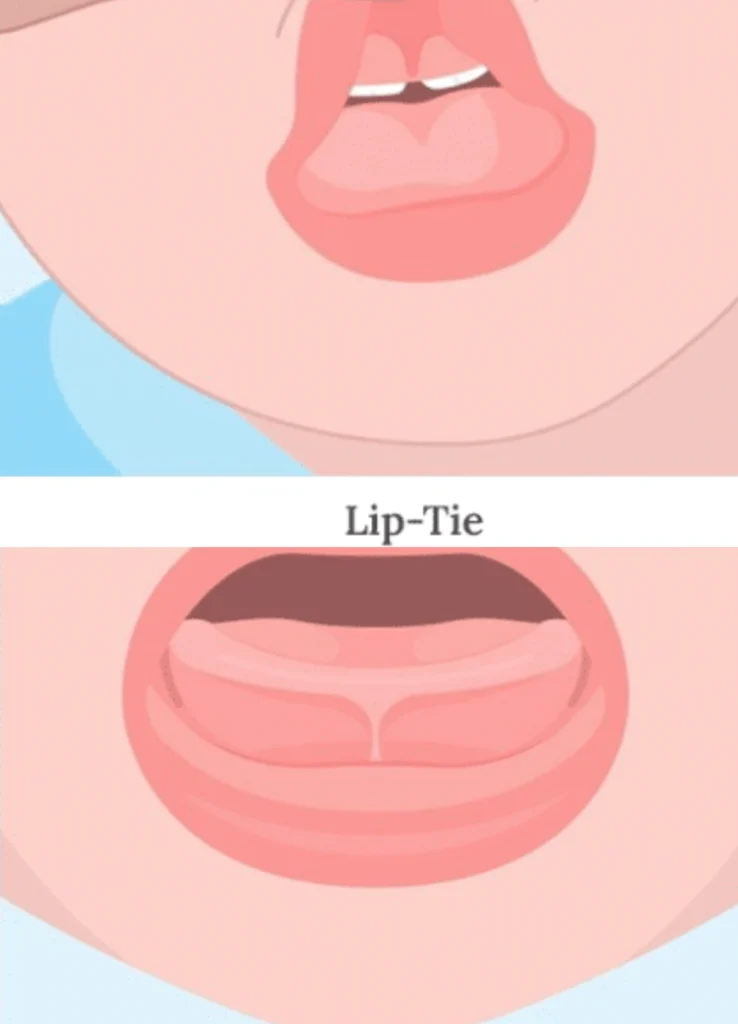
Parents often arrive in my clinic saying, “I think my lip tie baby can’t latch,” or “Someone told me we need a laser release.” The internet is full of dramatic photos and confident promises, but medicine asks for something more careful: function over appearance, and relief over hype. In this long, practical guide, I’ll explain what a lip tie is, what really matters during feeding, when procedures help, when they don’t, and how I personally evaluate and support families. You’ll also see exactly how I fold research, clinical reasoning, and compassionate counseling into a step-by-step plan for a lip tie baby—without shortcuts, and without pressure. What Is a Lip Tie (and Why the Name Confuses Families)? A lip tie is a description of the maxillary labial frenulum—the small band of tissue between the upper lip and the gum—when it appears tight, inserts low near the gum line, or seems to restrict how the lip flips upward during a latch. Every baby has a frenulum; variation is normal. The problem isn’t the presence of the tissue, but whether it creates a functional restriction for your lip tie baby during feeding. Parents are often shown grades or scales based on where the frenulum inserts. Those grades describe appearance, but appearance alone doesn’t decide if feeding will succeed. Many thriving babies have a prominent frenulum, while some struggling babies have a normal-looking one. That’s why the smartest first step for a lip tie baby is not a photo, but a careful observation of a real feed. Key idea: anatomy matters, but function rules. For a lip tie baby, the decision to treat or not to treat must be driven by latch quality, milk transfer, comfort, and growth—not by a number or a snapshot. Lip Tie vs. Tongue Tie: Why People Mix Them Up Tongue tie (ankyloglossia) refers to a tight lingual frenulum that limits tongue elevation or extension. Research on tongue tie and breastfeeding is broader than the research on lip ties, but even there, the data are mixed. Sometimes a lip tie baby also has a suspected tongue tie, and symptoms overlap: shallow latch, clicking sounds during feeds, prolonged feeding sessions, nipple pain, gassiness, or slow weight gain. Because both structures sit in the same small space and both affect latch mechanics, families naturally ask whether both need release. In practice, many feeding issues improve with skilled lactation support even when a frenulum looks tight. The lesson for a lip tie baby is simple: test function with hands-on help before assuming that tissue is the main cause. How I Evaluate a Lip Tie Baby in Clinic (My Doctor’s Process) When I meet a lip tie baby, I slow down and build a plan in five deliberate steps: This method respects science, protects families from unnecessary procedures, and—most importantly—gets relief. Many lip tie baby cases improve dramatically within 48–72 hours when latch and milk flow are optimized. Signs to Watch in a Lip Tie Baby (Function, Not Fear) A lip tie baby deserves a thoughtful assessment when you see: Each sign is a clue, not a verdict. Plenty of babies display one or two of these issues for reasons unrelated to a frenulum—such as a fast let-down, a sleepy newborn pattern, a bottle nipple that’s too fast, or simple early-weeks coordination challenges. The right question is: does your lip tie baby improve with expert feeding support? If yes, a procedure may not be necessary. What Parents Are Told Online vs. What We Actually See Online communities often present a binary: “release or fail.” In reality, there is a productive middle ground. In clinic, I routinely meet a lip tie baby whose family has been told an urgent laser is the only path forward. Then we adjust the latch, slow the flow, and within days the pain drops and weight gain normalizes. That doesn’t mean releases are never helpful; it means timing and indication matter. The internet’s most persuasive stories are compelling precisely because they are personal, but personal stories don’t replace careful evaluation. A lip tie baby needs individualized, not ideological, care. Do Lip Ties Cause Cavities, Speech Delays, or Orthodontic Issues? You’ll hear claims that an untreated upper lip tie inevitably leads to cavities between the front teeth, gum recession, or speech issues later. The current scientific picture is more cautious. Dental hygiene habits, diet, saliva quality, and overall oral anatomy play stronger roles in caries risk than a frenulum alone. Speech development is influenced by neuromuscular coordination, hearing, and environmental language exposure; a lip tie baby rarely needs an early procedure “to protect future speech.” As for spacing of the front teeth, the diastema in early childhood often closes naturally as the mouth grows and permanent teeth erupt. When future dental or speech concerns arise, we evaluate them on their own merits, not as automatic consequences of a newborn frenulum. When a Procedure Might Help (and When I Recommend One) After skilled lactation support and careful follow-up, some infants still struggle. When a lip tie baby also has signs of a functionally restrictive tongue tie—such as poor elevation, poor lateralization, and persistently shallow latch with objectively poor transfer—releasing the lingual frenulum can reduce maternal pain and sometimes improve feeding dynamics. The literature shows more consistent short-term nipple-pain relief from tongue-tie release than from isolated upper lip release. For an isolated lip tie with good tongue function, the benefits of procedure are less clear. How I counsel families: Bottom line: I do recommend procedures when the pattern is clear, functionally restricted, and genuinely unresponsive to high-quality support. But I never promise a miracle, and I never rush a family. Practical Feeding Strategies You Can Try Today Whether you breastfeed, pump, or bottle feed, these steps often help a lip tie baby quickly: Real Clinic Stories (De-identified) These stories underline a single principle: treat the pattern, not the picture. Addressing Common Myths About a Lip Tie Baby Myth 1: “If you don’t fix it now, your child will have speech problems.”Speech is

Lip Tie Baby: Clear, Evidence-Ground Guidance (Plus My Doctor’s Approach) Read More »

Particle Hair Revival Kit Review Bourbon and Boots

Particle Hair Revival Kit Review Bourbon and Boots – 3 Real Customer Results, Pros, Cons, and Honest Verdict

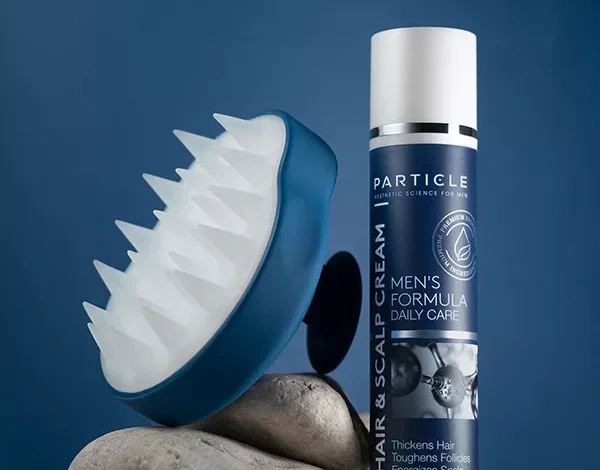
Hair thinning and hair loss are problems that can affect confidence, self-image, and even emotional well-being. Many men try shampoos, oils, vitamins, or expensive treatments that promise fast miracles but rarely deliver lasting improvement. For that reason, the Particle Hair Revival Kit has gained massive attention, especially after the well-known Particle Hair Revival Kit Review Bourbon and Boots article, which focused on real customer feedback rather than marketing hype. Many men say this kit is not a miracle cure, but a structured and realistic system that helps hair grow stronger, fuller, and healthier over time. What Is the Particle Hair Revival Kit? The kit is not simply a shampoo or a single serum. Instead, it is a complete 3-step system designed specifically for men with thinning hair. The Particle Hair Revival Kit Review Bourbon and Boots explained that most hair products only fix symptoms—like dryness, oiliness, or hair breakage. The Particle system goes deeper by treating both scalp health and follicle strength. The kit includes: The main message of the Particle Hair Revival Kit Review Bourbon and Boots is that hair growth is not magic — it is a biological process. A full system offers better long-term results than a single product. Who Is This Kit For? There are several types of men who benefit from the kit: According to multiple customer opinions summarized in the Particle Hair Revival Kit Review Bourbon and Boots, the kit works best for men who are consistent and patient, not those expecting overnight miracles. What Customers Say – Real Results Explained The most important part of any review is not the marketing—it is the real customer experience. The Particle Hair Revival Kit Review Bourbon and Boots gathered many opinions from users who tried the kit for weeks or months. Here are the most common results repeated by customers. ✅ 1. Cleaner, Healthier Scalp Many men start noticing cleaner scalp conditions within the first week. Users describe a “fresh scalp feeling,” less oil at the hairline, and less flaking. A clean scalp matters because clogged follicles interrupt healthy hair growth. Several reviews repeat the same idea: The Particle Hair Revival Kit Review Bourbon and Boots explains that the shampoo is not just for cleaning — it prepares the scalp for growth. ✅ 2. Less Hair Shedding One of the biggest benefits of the kit is reduced hair loss. Customers noticed: Some men even started counting the number of hairs coming out daily, and after several weeks, the number dropped significantly. The Particle Hair Revival Kit Review Bourbon and Boots highlighted that this is one of the most convincing signs that the treatment is working. ✅ 3. New Baby Hairs and Filling of Bald Areas This result takes longer, usually 6–12 weeks, but it is the most exciting for users. In the Particle Hair Revival Kit Review Bourbon and Boots, many men explained that tiny, soft baby hairs started appearing in areas that were thinning. Most users talk about: Men who never saw new growth with shampoos or oils finally saw baby hairs forming. This slow, honest improvement is what made the Particle Hair Revival Kit Review Bourbon and Boots go viral among men dealing with hair loss. ✅ 4. Thicker Hair, Better Texture, Stronger Strands Hair not only grows—it becomes healthier. Users described: The Particle Hair Revival Kit Review Bourbon and Boots pointed out that many men stop losing hair because the strands become stronger at the root, making them harder to pull out. ✅ 5. Realistic Expectations and Steady Progress One message appears repeatedly in the Particle Hair Revival Kit Review Bourbon and Boots:This kit is not a miracle, it is a process. Customers understand: What Are the Ingredients? Why Does It Work? The full ingredient list varies slightly, but many reviewers noticed ingredients commonly used in science-based hair loss solutions: The Particle Hair Revival Kit Review Bourbon and Boots highlighted that using these ingredients together, in three different forms (shampoo + serum + supplement) targets both the outside and inside of the hair. This is why customers say the kit works better than buying only a shampoo or only biotin pills. How To Use the Kit Correctly Many men who saw the best results followed a simple routine: ✅ Step 1 – Shampoo Every Other Day Massage the scalp for 1–2 minutes.This stimulates blood flow and removes buildup. ✅ Step 2 – Apply Serum Daily Apply to thinning areas before bed or after showering. ✅ Step 3 – Take Supplement Daily Usually with food for better absorption. The Particle Hair Revival Kit Review Bourbon and Boots emphasizes that most users see results only if they follow all three steps regularly. Pros and Cons Based on Customer Reviews ✅ Pros ❌ Cons Still, the majority of reviews show satisfaction, especially compared to cheaper products that gave zero results. Who Gets the Best Results? According to customer feedback and the Particle Hair Revival Kit Review Bourbon and Boots, the ideal candidate is: Men who are already completely bald or have genetic baldness for many years might need medical solutions instead of cosmetic support. However, even those men reported better scalp health and stronger remaining hair. Is It Worth the Money? The question everyone asks: is it worth it? The Particle Hair Revival Kit Review Bourbon and Boots says yes — for men who want a structured, science-based routine instead of covering bald spots or wasting money on random products. Think of the value like this: Buying all of these separately from different brands could cost even more. Many customers said the kit became part of their long-term hair routine because it finally gave noticeable improvement. Real User Stories In many comments shared by customers, these types of sentences appear repeatedly: The Particle Hair Revival Kit Review Bourbon and Boots also emphasized that most reviews were written by normal customers, not influencers or celebrities. The Power of Routine One of the strongest conclusions from the Particle Hair Revival Kit Review Bourbon and Boots is that

Particle Hair Revival Kit Review Bourbon and Boots – 3 Real Customer Results, Pros, Cons, and Honest Verdict Read More »

fish oil during pregnancy​

The Role of Fish Oil During Pregnancy: Benefits, Risks, and Clinical Recommendations

Introduction Fish oil during pregnancy has become a common recommendation in modern maternal nutrition. Fish oil is a natural oil produced from fatty fish such as salmon, sardines, anchovies, and mackerel. It contains two important omega-3 fatty acids: DHA (docosahexaenoic acid) and EPA (eicosapentaenoic acid). These nutrients are essential for fetal growth, especially for the development of the brain, eyes, nervous system, and immune system. They also support the mother’s heart, blood circulation, and recovery after childbirth. A pregnant woman can obtain omega-3 fatty acids from eating fish, taking fish oil supplements, or using algae-based DHA if she does not consume animal products. Because many women do not eat fish regularly, supplements are often used to ensure the right daily intake. Research over the past decades shows that fish oil during pregnancy is safe when taken in recommended doses and can benefit both the mother and the baby. Why Omega-3 Fatty Acids Are Important During Pregnancy During pregnancy, the baby’s body grows rapidly, and the brain grows faster than any other organ. DHA is one of the main structural components of brain cells. When the mother takes fish oil during pregnancy, DHA enters the placenta, then the baby’s bloodstream, and becomes part of the developing brain and eyes. The retina of the eye also contains large amounts of DHA. This nutrient helps form clear vision, good contrast sensitivity, and proper communication between eye tissue and the brain. EPA, the second omega-3 acid in fish oil, supports blood flow and reduces inflammation, helping the placenta deliver oxygen and nutrients to the fetus. Because the baby needs DHA, the mother’s body transfers DHA from her own stores. If the mother does not consume enough omega-3, her body may become depleted, which can affect her skin, mood, energy, and hormone balance. Fish oil during pregnancy prevents this depletion by supplying both mother and baby with the necessary amount of DHA and EPA. Benefits for the Baby Brain and cognitive development One of the strongest reasons doctors recommend fish oil during pregnancy is to support the baby’s brain. Many scientific studies show that babies whose mothers take DHA have better brain and nervous system development. These babies may show better attention, stronger problem-solving, faster learning, and better coordination as they grow. While development depends on many factors like genetics and environment, DHA is a required nutrient for healthy brain formation. Eye and vision development The retina of the eye needs DHA for sharp vision. Babies whose mothers take fish oil during pregnancy often show better visual development in infancy. Because the eyes develop rapidly in late pregnancy and early life, DHA remains important during breastfeeding as well. Healthy birth weight and growth Research suggests that fish oil during pregnancy can support a healthier birth weight. Babies may have stronger bones, better muscle tone, and healthier fat distribution. Fish oil does not lead to childhood obesity. Instead, it helps normal growth and may support bone and immune development. Lower risk of preterm birth Preterm birth, before 37 weeks, is one of the most serious pregnancy complications worldwide. Babies born too early may face breathing problems, infections, feeding difficulties, and longer hospital stays. Multiple studies have shown that fish oil during pregnancy can slightly reduce the risk of preterm labor. DHA appears to help stabilize uterine muscles and reduce inflammatory triggers that can cause early labor. Benefits for the Mother Cardiovascular support A pregnant woman’s bloodstream increases by almost 50 percent, and her heart works harder than usual. EPA supports healthy circulation and lowers inflammation, helping the cardiovascular system manage pregnancy stress. Fish oil during pregnancy may support healthy blood pressure and vessel function. Possible reduction of preeclampsia risk Preeclampsia is a dangerous pregnancy condition involving high blood pressure and organ stress. Some studies suggest fish oil during pregnancy may lower risk by improving blood flow and reducing inflammation. The results are not the same in every study, so fish oil is not a treatment, but it may contribute to a healthier pregnancy. Mental health and postpartum mood Many mothers experience emotional changes after birth. DHA is involved in brain chemistry and hormone regulation. Women with low omega-3 levels are more likely to experience mood problems. Populations where seafood intake is high report fewer cases of postpartum depression. Taking fish oil during pregnancy may support emotional well-being, although it should not replace medical or psychological care. Recovery after childbirth After birth, the body repairs tissue, rebalances hormones, and recovers from inflammation. Omega-3 fatty acids help with immune function and cell repair. Women who use fish oil during pregnancy maintain better body stores of DHA, which may support recovery in the postpartum period. Recommended Intake and Sources Most medical organizations recommend 200–300 mg of DHA per day during pregnancy and breastfeeding. Some supplements also contain EPA, which is useful for inflammation control and circulation. Higher doses may be used in clinical studies, but very high doses should only be taken under medical supervision. Dietary sources Safe, low-mercury fish include: Eating fish two or three times per week provides DHA, EPA, vitamin D, iodine, calcium, and high-quality protein. Women who eat enough fish may not need supplements every day. However, many women do not eat fish regularly due to taste, cost, or digestive discomfort, so supplements are a common choice. Fish oil supplements Fish oil supplements are available as capsules or liquid. Capsules are easy to swallow and are better for people who dislike the taste of fish. Enteric-coated capsules can help prevent fishy burps. Women who follow vegetarian or vegan diets can use algae-based DHA supplements, which provide the same benefits without fish. Safety and Mercury Concerns One of the most common fears about eating fish during pregnancy is mercury exposure. Mercury can affect brain development, especially when found in large predatory fish. To stay safe, pregnant women should avoid: These fish contain the highest mercury levels. Low-mercury fish are considered safe. Fish oil supplements are usually purified, and high-quality brands remove contaminants. Most scientific reviews

The Role of Fish Oil During Pregnancy: Benefits, Risks, and Clinical Recommendations Read More »

dry skin moisturizer

The Best 10 Dry Skin Moisturizer: Doctor-Approved List for Deep Hydration & Soft Skin

Dry, tight, flaky skin is more than a cosmetic issue. It is a sign of a weakened skin barrier, increased water loss, and inflammation. As a medical doctor, I see patients every week who try many creams but still struggle because they don’t understand what makes a moisturizer truly effective. To help you choose correctly, I created a complete, research-based guide to the best 10 dry skin moisturizer options — safe, efficient, dermatologist-approved, and pregnancy-friendly. This list is based on dermatology science, real-life clinical results, and the independent testing of beauty editors from major skincare review websites. Ingredients such as ceramides, urea, hyaluronic acid, glycerin, and petrolatum remain the most proven ingredients for repairing dryness and restoring a healthy barrier. When you understand how these ingredients work, it becomes easier to decide which of the best 10 dry skin moisturizer formulas fits your skin. How I Selected the Best 10 Dry Skin Moisturizer A powerful moisturizer should contain: ✅ Humectants – attract water into the skin (example: hyaluronic acid, glycerin)✅ Emollients – smooth and soften rough texture (example: squalane, shea butter)✅ Occlusives – seal moisture in and stop water loss (example: petrolatum) Dermatology research shows that formulas rich in ceramides, urea, and fatty acids rebuild the skin’s protective barrier and reduce cracking, irritation, and flaking. Every product in this list matches scientific criteria for the best 10 dry skin moisturizer. The Best 10 Dry Skin Moisturizer — Doctor’s Ranking 1. SkinCeuticals Triple Lipid Restore 2:4:2 This rich cream uses a medical-grade blend of ceramides, cholesterol, and fatty acids. It repairs the deepest layers of the skin barrier and targets mature, extremely dry, or damaged skin. Why it’s one of the best 10 dry skin moisturizer: Pregnancy-friendly: No retinoids. Safe for most users, but always check ingredient lists if you are extremely sensitive. 2. CeraVe Moisturizing Cream One of the most dermatologist-recommended creams in the world, and a classic in the best 10 dry skin moisturizer list. It contains ceramides and hyaluronic acid to attract and seal hydration. Why it works: As a doctor, this is one of the first creams I recommend for pregnant women with dry skin. 3. La Roche-Posay Toleriane Double Repair A gentle formula using ceramides and niacinamide to calm redness and strengthen the skin’s barrier. Perfect if your dryness comes with sensitivity. Why it belongs to the best 10 dry skin moisturizer: Pregnancy note: niacinamide is generally safe. Very good choice. 4. Kiehl’s Ultra Facial Advanced Repair Barrier Cream A repairing balm for irritated, cracked, or wind-damaged skin. Why it’s in the best 10 dry skin moisturizer: Pregnancy-friendly for most skin types. 5. Avène Hydrance RICH A silky, comfortable cream for people whose skin feels tight, flaky, or sensitive. Why it ranks in the best 10 dry skin moisturizer: 6. Clinique Moisture Surge 100H Auto-Replenishing Hydrator A gel-cream packed with hyaluronic acid and aloe bio-ferment. Why it is part of the best 10 dry skin moisturizer group: 7. Vanicream Moisturizing Cream If your skin reacts to fragrance, dyes, or essential oils, this cream is a life-saver. Why it deserves a place in the best 10 dry skin moisturizer: As a doctor, this is one of my favorite recommendations for pregnant women who have allergies or irritation from other creams. 8. First Aid Beauty Ultra Repair Cream A fast-acting, soothing cream for itchy, irritated, or extra tight skin. Why it is one of the best 10 dry skin moisturizer: 9. Eucerin Advanced Repair Cream Ideal for arms, legs, and hands that are rough, scaly, and chronically dry. Why it ranks inside the best 10 dry skin moisturizer: Urea is safe in normal cosmetic concentrations and works incredibly well on texture. 10. Plain Petrolatum (Vaseline) The simplest but most scientifically proven occlusive. Why it remains in the best 10 dry skin moisturizer list: At night, applying a thin layer of petrolatum on top of your regular moisturizer can transform dry, flaky skin in only a few days. To qualify as the best dry skin moisturizer, a formula must combine three essential ingredient categories For a moisturizer to truly qualify as the best dry skin moisturizer, it needs a balanced combination of humectants, emollients, and occlusives. Humectants such as hyaluronic acid, glycerin, urea, lactic acid, panthenol, sodium PCA, and aloe vera attract water into the outer layer of the skin, instantly relieving tightness and dehydration. Emollients including ceramides, squalane, shea butter, jojoba oil, cholesterol, fatty acids, and caprylic/capric triglycerides smooth rough patches and repair microscopic cracks in the skin barrier. Finally, occlusives like petrolatum, dimethicone, lanolin, mineral oil, beeswax, and cocoa butter form a protective seal to stop moisture from escaping. When these ingredients work together, the moisturizer doesn’t only hydrate — it strengthens the barrier, calms irritation, and keeps the skin comfortably soft throughout the day. Pregnancy-Safe Moisturizing Advice As a doctor, I always guide pregnant women carefully. During pregnancy, skin becomes more sensitive, reactive, and dry. Here is my medical approach when choosing the best 10 dry skin moisturizer during pregnancy: If dryness is severe, itchy, or painful, a medical evaluation is important to rule out eczema, dermatitis, or pregnancy-related skin conditions. How to Use the Best 10 Dry Skin Moisturizer Correctly Even the best formula will not work if you apply it incorrectly. ✅ Apply within 2 minutes after washing✅ Use morning and night✅ At night, you can “seal” with a thin layer of petrolatum✅ Drink water, avoid long hot showers, and use gentle cleansers✅ Choose richer creams during winter A powerful routine for extremely dry skin: Morning: Night: As a doctor, I see major improvement when patients follow this simple method instead of using many random products. Final Summary Here is the full list of the best 10 dry skin moisturizer: These products combine ceramides, urea, humectants, and occlusives — the exact ingredients supported by dermatology science. Whether your skin is sensitive, mature, irritated, or pregnancy-related dry, you can find an effective choice inside the best 10 dry skin moisturizer list. Conclusion Choosing the

The Best 10 Dry Skin Moisturizer: Doctor-Approved List for Deep Hydration & Soft Skin Read More »