pregnancyfollowup.com

drsoukainaelaziz@gmail.com

Foods That Fight Nausea During Pregnancy

Foods That Fight Nausea During Pregnancy

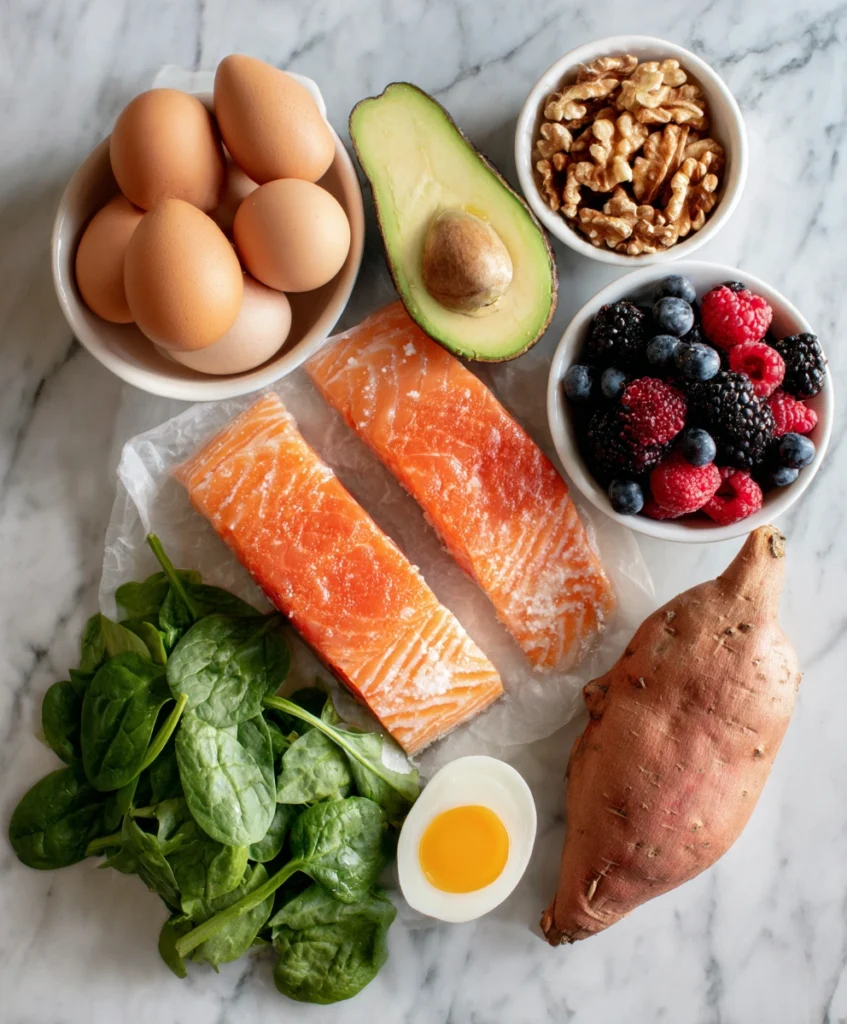
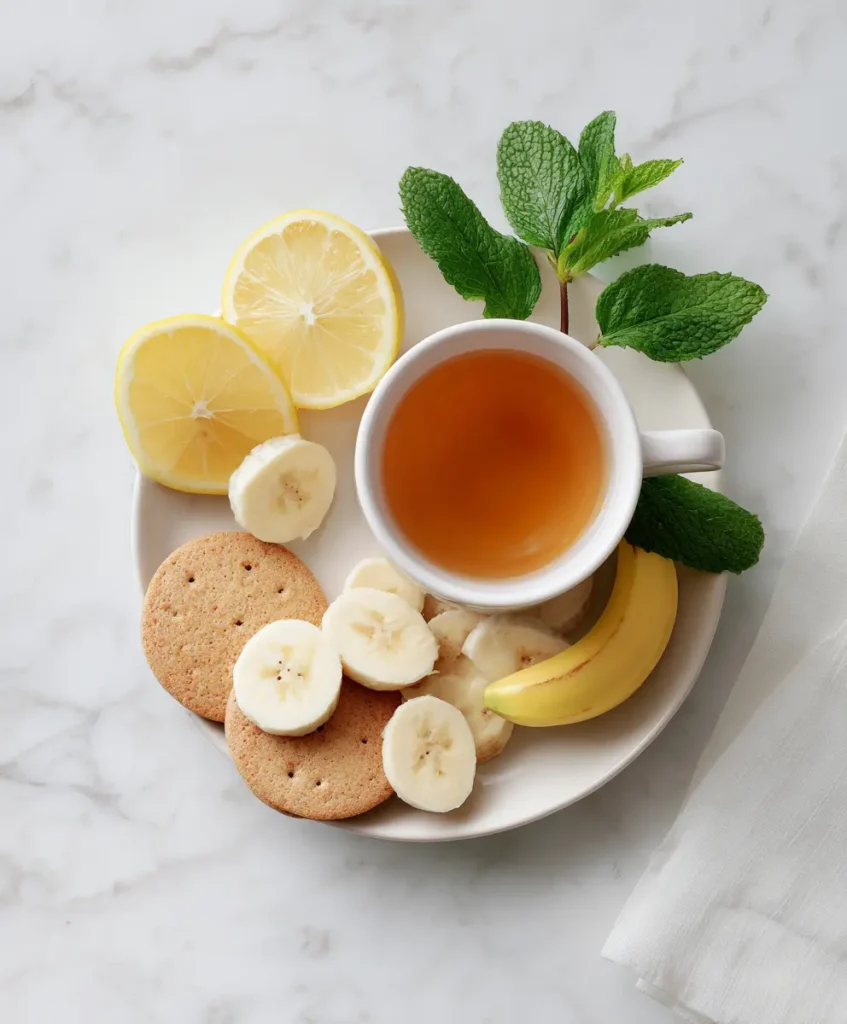
Introduction About Foods That Fight Nausea During Pregnancy Nausea and vomiting in pregnancy (NVP) are among the most common symptoms experienced during the first trimester. Although commonly referred to as “morning sickness,” these symptoms can occur at any moment of the day—morning, afternoon, or night. They typically begin around the 6th week of gestation, peak between weeks 8 and 11, and gradually diminish by the end of the first trimester. Studies show that 70–80% of pregnant women experience nausea, while nearly half experience vomiting as well. Even though NVP is generally considered a normal part of pregnancy, it can have a real impact on a woman’s daily life—affecting appetite, hydration, sleep, energy levels, and emotional well-being. Many women find it difficult to maintain balanced nutrition simply because food smells, textures, or tastes trigger nausea. This is why nutrition plays a central therapeutic role in managing these symptoms. Understanding the best foods that fight nausea during pregnancy can help improve comfort, support maternal health, and ensure adequate nutrition during early gestation. Why Does Nausea Occur in Pregnancy? Pregnancy nausea is a multifactorial condition influenced by hormonal, physiological, and environmental factors. Understanding the mechanisms can help women better manage their symptoms. 1. Hormonal Changes Several pregnancy-related hormones increase dramatically in early pregnancy, contributing to nausea: Human Chorionic Gonadotropin (hCG) This hormone rises rapidly during the first trimester and is closely correlated with nausea severity. Women with higher hCG levels—such as those carrying twins or experiencing molar pregnancy—are more likely to experience significant nausea. Estrogen Estrogen levels increase steadily, intensifying sensitivity to smells. Sudden aversion to odors like perfume, food, smoke, or cooking is directly linked to these hormonal shifts. Progesterone Progesterone relaxes smooth muscles in the digestive tract. While this prevents uterine contractions, it also slows gastric emptying, causing bloating, stomach heaviness, and delayed digestion—all of which trigger nausea. 2. Gastric Sensitivity & Slowed Gastric Emptying Digestive motility naturally slows during pregnancy. This means food stays longer in the stomach, increasing reflux, bloating, and sensations of fullness that may trigger nausea. 3. Common Nausea Triggers Many women notice certain triggers worsen their symptoms: 4. Morning Sickness vs. Hyperemesis Gravidarum It is important to distinguish normal nausea from more serious conditions: Foods That Fight Nausea During Pregnancy : General Advices Before focusing on specific foods, certain daily habits dramatically reduce nausea. 1. Eat Small, Frequent Meals Large meals increase stomach pressure and worsen symptoms. Eating small portions every 2–3 hours keeps blood sugar stable and prevents nausea flare-ups. 2. Avoid Long Fasting Periods Going too long without food—especially in the morning—causes drops in blood sugar that worsen nausea. Keeping light snacks within reach is essential. 3. Keep Snacks at the Bedside Eating a dry cracker or piece of toast before getting out of bed prevents the sudden rush of symptoms caused by movement and low glucose levels. 4. Prioritize Hydration Dehydration worsens nausea. Many women tolerate liquids better than solid foods during difficult episodes. Sip small amounts frequently rather than drinking large amounts at once. 5. Choose Cold or Room-Temperature Foods Hot foods release stronger smells, which often triggers nausea. Cold foods are usually much easier to tolerate. Foods That Fight Nausea During Pregnancy Below is a detailed breakdown of the foods that fight nausea during pregnancy, why they work, and exactly how to incorporate them into a pregnancy-friendly diet. 1. Ginger Ginger is one of the most well-studied natural remedies for pregnancy nausea. How Ginger Helps How to Consume Ginger Safe Dosage Up to 1 gram per day is considered safe in pregnancy. 2. Citrus Fruits Citrus is one of the most effective food categories for nausea relief. Why Citrus Helps How to Use Citrus 3. Bland Starches (BRAT Foods) These gentle foods are perfect for sensitive stomachs: Why BRAT Foods Work Practical Tips 4. Cold Foods Cold foods are often better tolerated because they produce fewer odors. Examples Why They Work 5. High-Protein Snacks Protein stabilizes blood sugar, preventing nausea cycles. Examples Why Protein Helps Stable glucose levels reduce the brain’s nausea response, especially in early morning. 6. Peppermint Peppermint is a gentle, widely used digestive aid. Benefits Ways to Use Peppermint 7. Soups & Broths Warm, hydrating, and light, soups are ideal on days when solid foods feel overwhelming. Benefits Suggestions 8. Complex Carbohydrates These foods provide lasting energy without overwhelming digestion. Examples Why They Help Complex carbs stabilize glucose and prevent nausea caused by energy dips. 9. Foods Rich in Vitamin B6 Vitamin B6 is clinically proven to reduce pregnancy nausea. Foods High in Vitamin B6 Some women may be prescribed B6 supplements (10–25 mg) under medical supervision. Hydration Strategies Good hydration is crucial, especially when nausea reduces appetite. Best Fluids for Nausea Relief These fluids replace electrolytes lost from vomiting and help maintain blood pressure. Tips to Improve Hydration Tolerance Foods to Avoid During Pregnancy Nausea Certain foods intensify nausea and should be avoided during difficult days. Avoid: These foods can worsen gastric irritation, reflux, and queasiness. Lifestyle Tips That Support Nausea Relief Small lifestyle adjustments can greatly improve symptoms. Eat Before Getting Out of Bed Crackers or toast help stabilize blood sugar and reduce morning nausea. Identify & Avoid Triggers Common triggers include: Ensure Adequate Sleep Fatigue increases hormonal sensitivity and intensifies nausea. Take Prenatal Vitamins With Food Swallow vitamins with a snack or right before bed to minimize irritation. Use Vitamin B6 If Recommended Many doctors prescribe B6 as first-line therapy before antiemetic medications. When to Seek Medical Attention Although nausea is common, certain warning signs should not be ignored. Seek Help If You Experience: Hyperemesis Gravidarum Indicators Medical treatment may include antiemetics, IV fluids, or hospitalization. Conclusion about Foods That Fight Nausea During Pregnancy Choosing foods that fight nausea during pregnancy is one of the most effective ways to manage morning sickness naturally. Ginger, citrus fruits, bland starches, cold foods, protein-rich snacks, peppermint, soups, complex carbohydrates, and vitamin B6-rich foods have all been supported by scientific evidence and clinical practice. Nausea usually peaks early

Foods That Fight Nausea During Pregnancy Read More »
What is the strongest natural antibiotic for tooth infection

What is the strongest natural antibiotic for tooth infection

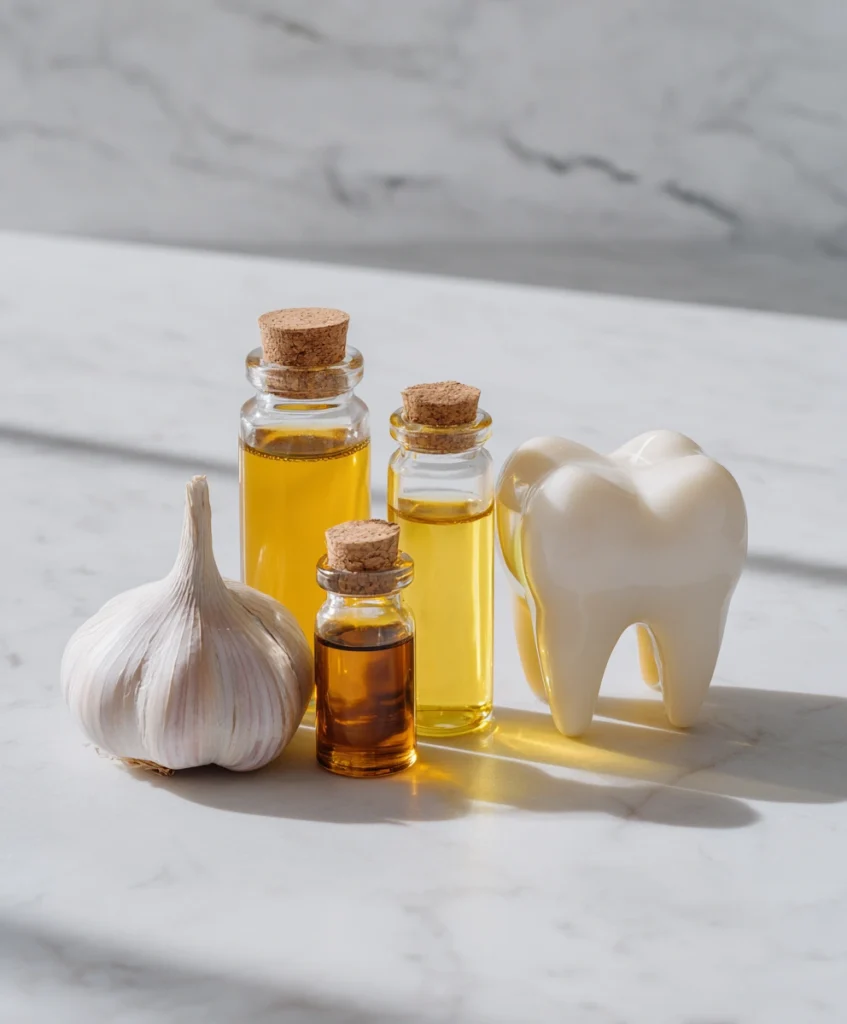
What is the strongest natural antibiotic for tooth infection is a question many people ask when they experience tooth pain, swelling, or discomfort but want to explore natural remedies. Tooth infections are serious conditions caused by bacterial invasion of the pulp, gums, or surrounding tissues, and they often require professional treatment. However, natural antibacterial compounds can sometimes help reduce pain, inflammation, and surface bacteria while waiting for dental care. This article explores the true medical perspective behind natural remedies and evaluates which natural substance can reasonably be considered the strongest natural antibiotic for a tooth infection. Understanding What Is the Strongest Natural Antibiotic for Tooth Infection Before identifying what is the strongest natural antibiotic for tooth infection, it is important to understand what a natural antibiotic actually is. A natural antibiotic is any plant-derived or food-based substance known to have antibacterial, anti-inflammatory, or antiseptic properties. These remedies may support oral health or relieve pain, but they cannot replace professional dental treatment. A tooth infection often involves bacteria inside the pulp or the root canal system—areas where natural substances cannot penetrate. Therefore, while natural antibiotics may reduce symptoms or bacteria at the surface level, they are supportive only, not curative. Garlic – The Top Candidate for What Is the Strongest Natural Antibiotic for Tooth Infection Garlic is frequently mentioned when discussing what is the strongest natural antibiotic for tooth infection. Its effectiveness is linked to allicin, a compound released when garlic is crushed. Allicin exhibits potent antibacterial activity. How Garlic Works How to Use Garlic Crushed fresh garlic may be applied to the gum near the infected tooth. Some mix it with coconut oil to reduce irritation. Limitations of Garlic Garlic is often ranked as the top answer when evaluating what is the strongest natural antibiotic for tooth infection, though it is not a substitute for dental intervention. Clove Oil – Another Strong Option for What Is the Strongest Natural Antibiotic for Tooth Infection Clove oil is one of the most widely used natural dental remedies. It contains eugenol, a natural anesthetic and antibacterial agent. Why Clove Oil Is Effective How to Use Clove Oil A cotton swab dipped in diluted clove oil is applied to the infected area. This can offer significant temporary relief. Limitations of Clove Oil Clove oil is a strong candidate when exploring what is the strongest natural antibiotic for tooth infection due to both its antimicrobial and analgesic effects. Tea Tree Oil and Its Role in What Is the Strongest Natural Antibiotic for Tooth Infection Tea tree oil is a powerful antiseptic with broad antibacterial and anti-inflammatory properties. Benefits How to Use Tea Tree Oil A few drops diluted in warm water can be used as a mouth rinse. It must never be swallowed. Drawbacks Tea tree oil is strong but not the definitive answer to what is the strongest natural antibiotic for tooth infection, although it plays a valuable supporting role. Oregano Oil – A Broad-Spectrum Natural Agent for Tooth Infection Oregano oil contains thymol and carvacrol, compounds known for significant antimicrobial activity. Strengths How to Use Oregano Oil The oil must be diluted with a carrier oil before being applied to the gums. Limitations Oregano oil is a powerful contender when comparing what is the strongest natural antibiotic for tooth infection, but its reach remains superficial. Turmeric and Its Place in What Is the Strongest Natural Antibiotic for Tooth Infection Turmeric contains curcumin, a compound with antimicrobial, antioxidant, and anti-inflammatory properties. Benefits Application A paste made from turmeric and warm water can be applied to the affected area. Limitations Although extremely beneficial, turmeric is not the strongest option when determining what is the strongest natural antibiotic for tooth infection. Salt-Water Rinse – A Classic Supportive Remedy Salt-water rinses are not considered the strongest natural antibiotic, but they are highly effective for symptom relief. Benefits Limitations While not the strongest natural antibiotic, this remedy remains essential and safe for all ages. Evaluating What Is the Strongest Natural Antibiotic for Tooth Infection – Medical Perspective From a medical standpoint, the question “what is the strongest natural antibiotic for tooth infection?” must be answered with caution. Key Facts This means that even the strongest natural antibiotic for tooth infection cannot replace professional treatment. So, What Is the Strongest Natural Antibiotic for Tooth Infection? After evaluating potency, accessibility, and traditional use: ✔ Garlic is the most commonly identified answer to what is the strongest natural antibiotic for tooth infection.It contains potent antibacterial compounds and has been used for centuries to fight infection. ✔ Clove Oil is another major contender, especially because it combines antibacterial power with fast pain relief. ✔ Oregano Oil offers broad-spectrum antimicrobial activity but requires careful dilution. Although these are the strongest natural options, none can fully cure a tooth infection on their own. When to Stop Using Natural Remedies and See a Dentist Seek urgent professional care if you experience: These signs indicate an infection that natural remedies—including the strongest natural antibiotic for tooth infection—cannot control. Final Conclusion In summary, people often ask what is the strongest natural antibiotic for tooth infection in search of accessible and natural relief. Garlic, clove oil, and oregano oil are the strongest natural options, but none of them can replace dental treatment. Natural remedies may reduce pain, inflammation, and surface bacteria, but they cannot reach deep within the tooth where infections develop. The true medical answer is this:Natural antibiotics are supportive, not curative.They can help with symptoms, but a dentist must treat the infection to prevent complications. Written by a Doctor based on medical experience and scientific evidence from medicale articles to help you make informed decisions about What is the strongest natural antibiotic for tooth infection

What is the strongest natural antibiotic for tooth infection Read More »

Vaginal Yeast Infection

Vaginal Yeast Infection: Complete Medical Guide to Causes, Symptoms, Diagnosis, Treatment, and Prevention

A vaginal yeast infection is one of the most common gynecological conditions affecting women of all ages. Although it is generally not dangerous, it can be extremely uncomfortable, disrupt daily activities, affect sexual well-being, and cause emotional distress. Understanding the infection—what causes it, how to treat it, and how to prevent recurrence—is essential for maintaining optimal vaginal health. 1. Introduction A vaginal yeast infection—also known as candidal vulvovaginitis or vaginal candidiasis—is a fungal overgrowth in the vagina caused most commonly by Candida albicans. This yeast normally exists in the vagina along with healthy bacteria, forming part of the natural vaginal ecosystem. Under normal circumstances, these microorganisms live together in harmony. However, when the balance between yeast and bacteria is disrupted, Candida can multiply excessively and trigger an infection. Statistically, vaginal yeast infections are extremely common. Studies estimate that around 75% of women will experience at least one episode during their lifetime, and about 40–45% will experience two or more episodes. A smaller percentage—approximately 5–8%—will suffer from recurrent vaginal yeast infections, defined as four or more infections within a year. Although most infections are mild or moderate, some can become severe, persistent, or resistant to standard treatments. For this reason, understanding the condition is essential for early recognition and effective management. 2. Causes and Risk Factors A vaginal yeast infection occurs when the natural environment of the vagina becomes favorable for fungal overgrowth. The vagina normally maintains a slightly acidic pH (3.8 to 4.5), dominated by beneficial lactobacillus bacteria. Anything that disrupts this delicate balance can allow Candida to grow excessively. Below are the most common causes and risk factors: Antibiotic Use One of the primary triggers for a vaginal yeast infection is recent antibiotic therapy. Antibiotics kill harmful bacteria, but they also reduce the population of protective bacteria in the vagina. When lactobacilli decrease, Candida faces less competition and can grow rapidly. Even short antibiotic courses can trigger infections in susceptible women. Pregnancy and Hormonal Changes Pregnancy is a well-known risk factor due to significantly increased estrogen and progesterone levels. These hormones: For these reasons, pregnant women have higher rates of vaginal yeast infections, especially in the second and third trimesters. Uncontrolled Diabetes Women with poorly controlled diabetes—particularly high blood glucose levels—are more prone to recurrent and severe yeast infections. The excess sugar in the blood and vaginal secretions acts as a direct food source for Candida. Weakened Immune System Any condition or treatment that weakens immunity increases susceptibility, including: A reduced immune response allows Candida to multiply uncontrollably. Tight Clothing and Scented Products Candida thrives in warm, moist environments, making tight synthetic clothing a major risk factor. Examples include: Scented soaps, bubble baths, vaginal deodorant sprays, and douching disrupt the vaginal microbiome, increasing infection risk. Contraceptives High-estrogen birth control pills and certain intrauterine devices (IUDs) may contribute to yeast growth in some women. Sexual Activity While a vaginal yeast infection is not a sexually transmitted infection (STI), friction during intercourse, saliva exposure, or new sexual partners may temporarily alter vaginal flora and lead to symptoms. Other Contributing Factors Recognizing these risk factors can help women identify patterns and prevent recurrence. 3. Symptoms A vaginal yeast infection typically causes very recognizable symptoms that tend to appear suddenly and can be quite intense. Symptoms may vary from mild to severe depending on the level of inflammation and the degree of yeast overgrowth. Vaginal Itching and Burning This is the most common and classic symptom. The itching may be persistent, severe, and disruptive. It often becomes worse at night or during physical activity due to increased friction. Thick, White, Odorless Discharge The discharge associated with a vaginal yeast infection is usually: It is often compared to “cottage cheese” in appearance. Pain or Burning During Urination Inflamed vaginal tissues can cause urine to sting when it comes into contact with irritated skin, producing a burning sensation. Pain During Sexual Intercourse The vagina may feel dry, swollen, or painful during penetration. This symptom—called dyspareunia—is common in moderate or severe infections. Redness, Swelling, and Skin Irritation The vulva may appear red, inflamed, and swollen. Scratching can worsen irritation and may cause small cracks or fissures in the skin. Other Possible Symptoms Some women may also experience: While the symptoms may appear similar to other infections, certain characteristics—such as lack of strong odor—help differentiate a vaginal yeast infection from bacterial vaginosis or STIs. 4. Diagnosis Proper diagnosis is essential because symptoms of a vaginal yeast infection can overlap with other conditions. Misdiagnosis may lead to incorrect treatment, recurrent symptoms, or complications. Clinical Evaluation A healthcare professional performs a pelvic examination to look for signs such as: A medical history is also taken to assess risk factors, recurrence, sexual health, and previous treatments. Vaginal Swab Examination To confirm the diagnosis, the clinician may collect a swab of vaginal discharge. Microscopy Under a microscope, Candida typically appears as budding yeast cells or pseudohyphae—finger-like extensions that indicate active fungal growth. Culture A fungal culture is especially important when: Cultures help identify the exact Candida species, which is crucial because some strains—like Candida glabrata—are more resistant to treatment. Ruling Out Other Conditions Other vaginal conditions can mimic yeast infections, including: If symptoms are unclear, additional tests (pH testing, wet mount, STI testing) ensure the correct diagnosis. 5. Treatment The goal of treatment is to eliminate yeast overgrowth, relieve symptoms, and prevent recurrence. Most cases respond well to antifungal medication. Oral Antifungal Treatment The most commonly prescribed oral medication is fluconazole 150 mg, taken as a single dose.This is highly effective against Candida albicans. For more severe cases, a second dose may be given after 72 hours. Note: Oral fluconazole should be avoided during pregnancy. Topical Antifungal Treatments Creams, ointments, and suppositories inserted into the vagina include: These can be used in 1-day, 3-day, or 7-day treatment regimens, all with similar effectiveness.Topical antifungals are considered the safest option for pregnant women. Treatment for Complicated or Recurrent Infections A vaginal yeast infection is classified as complicated when: Management may include: Symptom

Vaginal Yeast Infection: Complete Medical Guide to Causes, Symptoms, Diagnosis, Treatment, and Prevention Read More »

Best Shampoo for Color-Treated Hair

Best Shampoo for Color-Treated Hair: A Medical and Scientific Guide for Long-Lasting Color and Hair Health

Introduction About Best Shampoo for Color-Treated Hair Coloring the hair—whether with permanent dye, semi-permanent products, bleaching agents, or high-lift formulas—has become one of the most common cosmetic practices worldwide. However, the process of altering hair pigment is not without biological consequences. Chemical coloring affects hair structure, the integrity of the cuticle, and the hydration balance of each strand. For this reason, using the best shampoo for color-treated hair is medically recommended to preserve color longevity, minimize damage, and prevent breakage. The purpose of this article is to provide a scientifically grounded and medically oriented overview of what makes a shampoo suitable for color-treated hair. The information presented here is based in large part on the expert evaluations published on the website Byrdie.com, specifically from their comprehensive review of the best shampoos for colored hair. Their findings, combined with dermatological principles and hair-biology insights, allow us to understand how to protect hair structure after coloring and how to choose shampoos that maintain both color vibrancy and hair health. Understanding What Happens to Color-Treated Hair To choose the best shampoo for color-treated hair, one must first understand the biological changes that occur during the coloring process. 1. Cuticle Disruption The hair cuticle, a protective layer of overlapping cells, is lifted intentionally during coloring. Chemicals such as ammonia or other alkaline agents raise the pH of the hair shaft, opening the cuticle so pigment molecules can penetrate the cortex. Once the cuticle has been lifted, it does not always fully reseal. A raised or damaged cuticle leads to: 2. Oxidative Damage Permanent coloring involves oxidation through hydrogen peroxide. This process removes natural melanin and deposits artificial pigments. Oxidation weakens keratin bonds, reduces tensile strength, and may cause: 3. Moisture Imbalance Chemically treated hair is less capable of retaining moisture because chemical processes disrupt the lipids that normally help hair retain hydration. This results in: 4. Increased Color Loss After Washing Every time color-treated hair is washed, some pigment molecules escape. Harsh surfactants and hot water open the cuticle further, accelerating color loss. This is why dermatologists and trichologists strongly advise using the best shampoo for color-treated hair, formulated specifically to minimize fading. Why You Need a Shampoo Specifically Designed for Color-Treated Hair Regular shampoos often contain sulfates and other strong cleansing agents that remove natural oils and disrupt pigment molecules. In contrast, the best shampoos for color-treated hair are formulated with: These ingredients work together to maintain the structural integrity of hair and prolong color vibrancy. Best Shampoo for Color-Treated Hair: Evidence-Based Choices from Byrdie’s Review The information summarized below is taken from the website Byrdie.com, based on their detailed review of the top shampoos recommended for color-treated hair. Their evaluations serve as a strong foundation for identifying products that combine scientific formulation with real-world performance. 1. K18 Peptide Prep pH Maintenance Shampoo – Best Overall According to Byrdie’s extensive review, this shampoo is considered the best shampoo for color-treated hair overall due to its unique peptide technology and pH-balanced formula. Why It Works Medical Perspective Damaged bonds are one of the leading causes of breakage after coloring. By reinforcing these bonds, hair becomes stronger, smoother, and better able to retain color molecules. 2. Olaplex No. 4 Bond Maintenance Shampoo – Best for Repairing Damage This shampoo is widely recognized in dermatology and cosmetic science for its bond-building properties. Why It Works Medical Perspective Bleached or heavily lightened hair suffers the most oxidative damage. Bond-restoring shampoos like this one are crucial for restoring strength and preventing future breakage. 3. Color Wow Color Security Shampoo – Best for Shine and Smoothness This product is ideal for people who want lightweight, residue-free cleansing. Why It Works Medical Perspective Some conditioning ingredients can accumulate on fragile, color-treated hair and cause dullness. A shampoo that cleans without buildup helps color reflect light better, making hair look vibrant and glossy. 4. Amika Bust Your Brass Shampoo – Best for Blonde Hair Blonde and bleached hair often experiences brassiness due to natural oxidation. This purple shampoo neutralizes yellow or orange undertones. Why It Works Medical Perspective Blonde hair, especially after bleaching, is extremely porous. It needs gentle color correction combined with moisture retention, and this shampoo achieves both. 5. Pureology Strength Cure Shampoo – Best for Long-Term Color Maintenance Pureology is known for gentle, sulfate-free formulas ideal for preserving color. Why It Works Medical Perspective Oxidative stress from UV exposure and heat styling accelerates color fading. Antioxidant-rich shampoos help counteract environmental damage. 6. Oribe Gold Lust Repair & Restore Shampoo – Best Luxury Option For severely damaged or over-processed hair, this premium shampoo provides deep repair. Why It Works Medical Perspective Over-processed hair often has extensive cuticle lift and protein loss. A reparative formula like this helps restore the protective barrier and reduce breakage. Medical and Scientific Criteria for Choosing the Best Shampoo for Color-Treated Hair Even though the Byrdie review provides trusted recommendations, choosing the best shampoo for color-treated hair should follow medically sound principles. 1. Choose Sulfate-Free Formulas Sulfates such as SLS and SLES create strong lather but strip essential oils and pigment. Sulfate-free shampoos use milder surfactants that cleanse without opening the cuticle excessively. 2. Look for Bond-Repair Ingredients Coloring weakens disulfide and hydrogen bonds in the hair shaft. Ingredients that help restore them include: These ingredients maintain hair strength and reduce breakage. 3. pH-Balanced Shampoos Are Essential The ideal shampoo pH for color-treated hair is slightly acidic (around 4.5–5.5). This helps: High-pH shampoos can accelerate fading. 4. Prefer Moisturizing Formulas Color-treated hair loses moisture easily. Shampoo ingredients that help restore hydration include: Hydration is key to preventing breakage and dryness. 5. Avoid Heavy Buildup Some shampoos contain heavy silicones or waxes, which can weigh hair down and dull the color. Lightweight formulations help maintain shine and movement. Additional Care Tips to Preserve Color-Treated Hair Selecting the best shampoo for color-treated hair is only part of the maintenance routine. Dermatologists recommend several additional habits to protect color and hair health. 1. Wash Less Frequently Frequently

Best Shampoo for Color-Treated Hair: A Medical and Scientific Guide for Long-Lasting Color and Hair Health Read More »

paternity test while pregnant

Paternity Test While Pregnant : Medical Perspective

Introduction About Paternity Test While Pregnant Paternity testing while a mother is pregnant — that is, determining the biological father of a fetus before birth — was once limited by the risks and ethical concerns associated with invasive prenatal diagnostic techniques. Over the past decades, however, advances in molecular biology and non-invasive prenatal testing have made it possible for expectant parents to establish paternity with high accuracy and minimal risk to the fetus. This article reviews the scientific basis, methodology, strengths, limitations, and clinical-ethical considerations of non-invasive prenatal paternity testing (NIPP). The information is drawn in part from the public resource on non-invasive prenatal paternity testing provided by a widely referenced pregnancy education website. What is Non-Invasive Prenatal Paternity Testing (NIPP) OR Paternity Test While Pregnant ? Non-Invasive Prenatal Paternity Testing (NIPP) OR Paternity Test While Pregnant is a DNA-based procedure that enables determination of biological paternity during pregnancy — without requiring invasive sampling of amniotic fluid or placental tissue. According to the educational resource, NIPP is described as the safest non-invasive means to establish paternity before the baby is born. In brief, NIPP works by analyzing fragments of fetal DNA that circulate in the mother’s bloodstream. These fragments, which derive from the placenta and reflect the fetal genome, can be distinguished from maternal DNA, allowing laboratories to reconstruct a fetal DNA profile and compare it to the alleged father’s DNA. Because the method only requires a standard maternal blood draw and a DNA sample from the possible father (e.g., a cheek swab), it avoids the risks associated with traditional invasive procedures. Biological and Scientific Basis: Cell-free Fetal DNA (cffDNA) The key biological substrate enabling NIPP is cell-free fetal DNA (cffDNA). During pregnancy, fragments of fetal DNA originating from the placenta are released into the maternal circulation. These fragments are free-floating, not contained within intact fetal cells, and are shorter than typical maternal DNA fragments. Research has established that cffDNA can be detected in maternal blood early in gestation — from as early as the 6th to 7th week. Over time, as the pregnancy advances, the fraction and absolute amount of cffDNA in maternal plasma generally increase, improving the reliability of detection. Because cffDNA reflects the fetal genome, it becomes possible to reconstruct a fetal DNA profile via sensitive molecular techniques (e.g., sequencing, SNP genotyping) despite the overwhelming presence of maternal DNA. This allows a genetic comparison between the fetus and a potential father. When Can NIPP Be Performed: Timing and Conditions According to the referenced resource, NIPP can be performed as early as around the 8th week of pregnancy. Many laboratories recommend waiting until there is a sufficiently robust fraction of cffDNA to ensure reliable and conclusive results. In scientific implementations, accurate paternity determination has been reported as early as the 6th week of gestation, even when fetal DNA fraction is relatively low (e.g., around 2–3 %). However, achieving high confidence — comparable to standard paternity tests — typically requires that fetal DNA fraction reaches a threshold considered sufficient by the testing lab. It is crucial to note that NIPP is most suitable for singleton pregnancies. In cases of multiple gestation (twins, triplets, etc.), separating the DNA contributions of each fetus remains technically challenging, which can impair the ability to assign paternity unambiguously. Therefore, for most routine cases, NIPP is offered during the first trimester, once cffDNA is detectable and sufficiently abundant. Methodology: How the Paternity Test While Pregnant Works Here is a typical workflow for NIPP, based on the principles laid out in the source resource and corroborating scientific literature: Because the procedure entails only a maternal blood draw and paternal DNA collection (non-invasive), it is considered safe for both mother and fetus. Advantages of NIPP Over Traditional Prenatal Paternity Methods NIPP offers several significant advantages compared to older, invasive approaches: Limitations, Challenges, and Considerations of Paternity Test While Pregnant Despite its many benefits, NIPP is not without limitations and requires careful consideration: Clinical and Ethical Implications About Paternity Test While Pregnant From a clinical standpoint, NIPP offers a paradigm shift in prenatal care and paternity verification. Medical practitioners — obstetricians, genetic counselors, midwives — must be prepared to counsel expectant parents on the advantages, limitations, accuracy, timing, and possible outcomes of the test. Ensuring informed consent is critical. There are also important ethical considerations: Practical Advice for Parents Considering NIPP If you are thinking about undergoing a prenatal paternity test during pregnancy, here are practical recommendations: Conclusion About Paternity Test While Pregnant Non-Invasive Prenatal Paternity Testing (NIPP) represents a major advance in reproductive genetics and prenatal care. By exploiting the presence of fetal DNA fragments circulating in maternal blood, NIPP enables safe, early, and highly accurate determination of biological paternity — without exposing the fetus to the risks inherent to invasive procedures. When performed under appropriate conditions (singleton pregnancy, sufficient fetal DNA fraction, high-quality lab, informed consent), NIPP can provide expectant parents with clarity, closure, and the ability to make informed decisions before birth. However, NIPP is not a decision to take lightly. It brings important ethical, psychological, social, and legal considerations. The decision to test should be made with full awareness of potential outcomes and consequences — and when possible, with genetic/psychological counseling and legal advice. In the evolving landscape of prenatal diagnostics, NIPP highlights the power of modern genomics — but also underscores the importance of ethical use, responsible counseling, and respect for parental autonomy and privacy. The information presented here is based in part on the publicly available article titled “Non-Invasive Prenatal Paternity Test (NIPP)” Or Paternity Test While Pregnantpublished by American Pregnancy Association. American Pregnancy Association This source reviews how non-invasive prenatal DNA testing can determine fetal paternity during pregnancy using maternal blood and paternal DNA samples, describes its indications, methodology, limitations, and suggests criteria for selecting an accredited laboratory. American Pregnancy Association Written by a Gynecologist based on medical experience and scientific evidence to help you make informed decisions about Paternity Test While Pregnant

Paternity Test While Pregnant : Medical Perspective Read More »

bleeding during ovulation

What Causes Bleeding During Ovulation , and When Should You Worry?

1. Introduction Ovulation is a natural phase in every woman’s menstrual cycle, marking the release of a mature egg from one of the ovaries. Around this time, some women notice a small amount of vaginal bleeding or spotting — a phenomenon known as ovulation bleeding. Although it may seem alarming, bleeding during ovulation is usually harmless and affects approximately 5 % of menstruating individuals. Understanding how to recognize and distinguish it from other types of bleeding is essential for maintaining reproductive health and avoiding unnecessary anxiety. This article explains what ovulation bleeding is, why it occurs, its hormonal causes, how to differentiate it from implantation or abnormal bleeding, and when to seek medical attention. 2. What Is Bleeding During Ovulation ? Ovulation bleeding refers to a light vaginal bleeding or spotting that occurs around the middle of the menstrual cycle, typically between days 13 and 20, depending on individual cycle length. Typical Characteristics This type of bleeding happens when hormone levels fluctuate rapidly as the body transitions from the follicular to the luteal phase of the cycle. 3. Causes and Hormonal Mechanism of bleeding during ovulation The menstrual cycle is orchestrated by a delicate balance of hormones — mainly estrogen, progesterone, and luteinizing hormone (LH). Hormonal Fluctuations Physiological Explanation As the egg bursts from the ovarian follicle, a small amount of blood and follicular fluid may also be released into the abdominal cavity. This can irritate nearby tissues and, in some cases, manifest as mild spotting. Therefore, bleeding during ovulation is considered a normal, physiological response to these rapid hormonal transitions. 4. Symptoms Associated with Ovulation Ovulation is accompanied by several recognizable physical and behavioral changes, often driven by hormonal variations. Common Symptoms When bleeding occurs simultaneously with these symptoms, it strengthens the likelihood that the spotting is indeed related to ovulation. 5. Bleeding During Ovulation vs. Other Types of Bleeding Understanding how ovulation bleeding differs from other forms of vaginal bleeding can help prevent confusion or unnecessary worry. a. Implantation Bleeding b. Menstrual Period c. Abnormal or Urgent Bleeding If bleeding is heavy, recurrent, or accompanied by pain, professional evaluation is essential. 6. When to Be Concerned Although most mid-cycle spotting is benign, certain situations require medical attention in case of bleeding during ovulation : Seeking advice from an OB/GYN ensures that serious causes such as fibroids, polyps, or hormonal imbalances are ruled out. 7. Differential Diagnosis Other medical conditions can mimic or contribute to bleeding during ovulation. Differential diagnosis helps identify the exact cause. Possible Cause Description Pregnancy Implantation bleeding or, rarely, ectopic pregnancy. Hormonal Contraceptives Spotting is common during the first 3 months of pill or IUD use. Uterine Fibroids / Polyps Benign growths causing intermenstrual bleeding. PCOS (Polycystic Ovary Syndrome) Irregular ovulation and unpredictable spotting. Endometriosis Uterine tissue outside the uterus leads to cyclical pain and bleeding. STIs (Chlamydia, Gonorrhea) Cause cervical inflammation and contact bleeding. Gynecologic Cancers Rare, but post-coital or mid-cycle bleeding can be early signs. 8. Diagnosis of Bleeding During Ovulation A healthcare professional will base diagnosis on a combination of history, symptoms, and targeted investigations. Clinical Evaluation Laboratory and Imaging Tests A combination of these assessments allows physicians to determine whether bleeding during ovulation is physiological or pathological. 9. Management and Treatment of Bleeding During Ovulation In most cases, ovulation bleeding requires no medical treatment, especially if it occurs occasionally and without other symptoms. Lifestyle and Observation Medical Management (if needed) in case of bleeding during ovulation If the spotting becomes frequent, bothersome, or emotionally distressing, consultation with a gynecologist can provide reassurance and tailored therapy. 10. Prevention of Bleeding During Ovulation and Monitoring While ovulation bleeding can’t always be prevented, monitoring and understanding your own cycle helps reduce anxiety and identify irregularities early. Practical Tips By recognizing your normal mid-cycle changes, you can differentiate harmless spotting from warning signs that require professional care. 11. Summary 12. FAQs about bleeding during ovulation 1. Is ovulation bleeding a sign of fertility?Yes. Ovulation bleeding often indicates that ovulation has occurred, which means you’re in your most fertile phase. Women tracking fertility can use this as one of several indicators of peak fertility. 2. Can ovulation bleeding mean I’m pregnant?Not directly. Ovulation bleeding happens before conception is possible. If you experience spotting about 6–12 days later, it could instead be implantation bleeding from early pregnancy. 3. Should I avoid sex during ovulation bleeding?No, unless advised by your doctor. Light spotting during ovulation does not pose a risk, and this period is actually when you’re most fertile. However, use protection if you’re not trying to conceive. 4. What does it mean if I have heavy bleeding during ovulation?Heavy mid-cycle bleeding is not normal and may indicate an underlying issue such as fibroids, endometrial polyps, hormonal imbalance, or infection. Consult a gynecologist for evaluation. Conclusion Bleeding during ovulation is a normal and temporary occurrence for many women. It reflects the body’s natural hormonal shifts that accompany the release of an egg from the ovary. In most cases, the spotting is light, short-lived, and harmless, especially when it appears mid-cycle and lasts only a day or two. However, understanding your own cycle is essential. Monitoring your menstrual pattern, noting any unusual symptoms, and using ovulation-tracking tools can help you distinguish normal mid-cycle spotting from abnormal bleeding that may signal infection, hormonal imbalance, or another condition. If your bleeding is heavy, painful, frequent, or accompanied by unusual discharge, it’s always best to consult your healthcare provider. Regular gynecological follow-ups not only provide reassurance but also ensure that any underlying issues are detected early. By staying observant and informed, you can approach ovulation bleeding with confidence, maintain better reproductive health, and strengthen your awareness of your body’s natural rhythms. Written by a Gynecologist based on medical experience and scientific evidence to help you make informed decisions about bleeding during ovulation

What Causes Bleeding During Ovulation , and When Should You Worry? Read More »

Cramping During Ovulation

Cramping During Ovulation (Mittelschmerz)

1. Introduction About Cramping During Ovulation Understanding the menstrual cycleThe menstrual cycle is a natural, hormonally driven rhythm that prepares the female body for possible pregnancy every month. It usually lasts from 21 to 35 days, depending on the woman. The cycle is divided into three main phases: What is ovulation?Ovulation marks the moment the ovary releases a mature egg into the fallopian tube. This is the fertile window of the cycle — the few days when pregnancy is most likely if sperm are present. What does “cramping during ovulation” mean?Many women notice abdominal discomfort around this time. This sensation is called Mittelschmerz, a German term that literally means “middle pain.” It occurs because ovulation happens in the middle of the menstrual cycle. How common is it?It is estimated that between one-quarter and two-fifths of women experience some degree of ovulation pain. The frequency, intensity, and duration vary: some feel it with every cycle, others only occasionally, and some never at all. 2. What Is Cramping During Ovulation ? DefinitionOvulation cramping is a mild, short-lasting, one-sided pain that occurs around the time an egg is released from the ovary. Clinically, it is benign and self-limiting. How it feelsThe pain can range from a slight twinge to a sharp, stabbing sensation. Some women describe it as a dull ache, similar to a mild menstrual cramp, while others feel a sudden pinch or pressure. LocationTypically, the discomfort is located in the lower abdomen, on the side corresponding to the ovary that releases the egg. In most cycles, ovulation alternates between the two ovaries, so the side of pain may switch each month. When it occursOvulation pain usually appears midway through the menstrual cycle—around day 14 in a 28-day cycle, or roughly 14 days before the next period. Women with shorter or longer cycles may experience it earlier or later accordingly. How long it lastsFor most women, the sensation lasts a few minutes to several hours. In some cases, mild soreness can persist for up to 24 to 48 hours before completely disappearing. 3. Cramping During Ovulation s Symptoms Ovulation cramps rarely appear alone. They are often accompanied by other physical and hormonal signs that indicate the fertile window. Pain characteristics Associated symptoms of ovulation Recognizing this combination of signs can help identify when ovulation is occurring even without medical testing. 4. Causes of Cramping During Ovulation Although the exact mechanism of ovulation pain isn’t fully understood, several biological processes can explain it. 5. Is Cramping During Ovulation a Sign of Fertility? Relation to the fertile windowCramping during ovulation occurs precisely when the egg is released, so it does correlate with the most fertile period of the cycle. The fertile window includes the five days before ovulation and the day of ovulation itself, as sperm can survive for several days in the reproductive tract. Using ovulation cramps to track fertilitySome women use this symptom, along with other body signals (like cervical mucus and basal body temperature), to determine when they are most fertile. This can support natural family-planning or conception efforts. LimitationsHowever, relying solely on cramping to time intercourse or avoid pregnancy is not reliable. Reasons include: Thus, while ovulation cramps can serve as an indicator of fertility, they should be considered a complementary sign, not a definitive one. 6. Conditions That Mimic Cramping During Ovulation Not all mid-cycle pain is caused by normal ovulation. Several gynecological or surgical conditions may mimic the same sensation. If ovulation-like cramps appear irregularly, are severe, or are associated with abnormal bleeding or fever, these conditions must be ruled out by a physician. 7. When to See a Doctor if i have Cramping During Ovulation Although most cases of cramping during ovulation are harmless, medical consultation is advised when: Diagnostic evaluation may include: Prompt evaluation ensures that serious causes like cyst rupture, infection, or endometriosis are not overlooked. 8. Treatment Options in case of Cramping During Ovulation Most women do not need medical treatment for cramping during ovulation. However, relief measures can be used when pain interferes with comfort or daily activities. Home remedies Over-the-counter pain medication Medical treatmentsWhen pain is recurrent or disabling, hormonal therapy may be prescribed. If ovulation pain is due to another condition (such as endometriosis or cysts), treatment will target that underlying disorder through medication or, rarely, surgery. Lifestyle supportMaintaining a balanced diet, reducing caffeine and salt before ovulation, and ensuring adequate sleep can minimize cramps and bloating. Regular exercise is also beneficial for hormone balance and pain modulation. 9. Impact on Reproductive Health Normal vs. abnormal ovulation painIn most cases, ovulation cramping is a normal physiological phenomenon and does not harm fertility or reproductive health. It simply reflects the natural release of an egg from the ovary. Potential link to fertility issuesOccasional mid-cycle cramps are not worrisome. However, if pain becomes persistent, very intense, or is associated with menstrual irregularities, it may suggest an underlying issue such as endometriosis or pelvic inflammation, which can affect fertility. Psychological impactAlthough benign, recurring pain can cause anxiety or reduce quality of life. Keeping a symptom diary and receiving reassurance from a healthcare professional can help women manage these episodes with confidence. Monitoring cyclesUsing a menstrual or fertility-tracking app to log symptoms like cramping, mucus changes, and temperature can help identify patterns and support discussions with a gynecologist if abnormalities appear. 10. Frequently Asked Questions about Cramping During Ovulation 1. Do all women experience cramping during ovulation?No. Some women never feel ovulation pain. The absence of cramping does not mean ovulation is not occurring. 2. Can I get pregnant if I don’t feel cramps?Yes. Ovulation and fertility are determined by hormonal events, not by the sensation of pain. Many women conceive without ever feeling ovulation discomfort. 3. Is it normal to have cramps every month?Yes, it can be perfectly normal. However, if the intensity increases or the pain pattern changes, medical evaluation is recommended to rule out other causes. 4. Can ovulation pain be confused with period pain?Yes, especially if cycles are irregular. Ovulation

Cramping During Ovulation (Mittelschmerz) Read More »

Iron-Rich Pregnancy Foods

Iron-Rich Pregnancy Foods : A Complete Guide for Expecting Mothers

1. Introduction Iron-Rich Pregnancy Foods are essential for maintaining your health and your baby’s growth. During pregnancy, your body works harder than ever—it produces more blood, supports the placenta, and nourishes the developing fetus. Iron plays a key role in this process by helping transport oxygen throughout your body and to your baby. However, iron deficiency is one of the most common nutritional challenges for pregnant women worldwide. It can lead to fatigue, dizziness, anemia, and even increase the risk of premature delivery or low birth weight. Understanding how to include iron rich pregnancy foods in your diet can make a major difference in your energy levels, your baby’s development, and your overall well-being. Table of Contents 2. Why Iron-Rich Pregnancy Foods are important during pregnancy Supports Oxygen Transport Iron is the main component of hemoglobin, the protein in red blood cells that carries oxygen from the lungs to all body tissues, including the uterus and placenta. During pregnancy, your blood volume expands by about 50%, increasing your need for iron. Without enough iron, your body can’t make sufficient hemoglobin, resulting in oxygen deprivation and extreme tiredness. Helps the Baby’s Growth and Brain Development Iron plays a key role in forming your baby’s brain, muscles, and other organs. Adequate iron ensures proper oxygen delivery to the fetus, which supports cognitive and neurological development. Low maternal iron levels have been linked to delayed mental development in infants. Prevents Complications Getting enough iron during pregnancy helps prevent anemia, which is associated with preterm birth, low birth weight, and increased maternal fatigue. Including a variety of iron rich pregnancy foods in your meals is an effective preventive step. 3.Iron-Rich Pregnancy Foods Requirements During Pregnancy The recommended daily intake of iron for pregnant women is 27 milligrams per day. This is almost double the amount needed before pregnancy. Since it’s difficult to reach this goal through diet alone, many healthcare providers recommend prenatal vitamins that include iron. However, a healthy diet built around iron rich pregnancy foods remains the foundation of good nutrition. Too much iron can also cause problems such as constipation or nausea, so balance is essential. Always consult your doctor before taking supplements or making major dietary changes. 4. Types of Iron in Iron-Rich Pregnancy Foods Iron in food exists in two main forms: heme and non-heme iron. Heme Iron Non-Heme Iron How to Improve Absorption Combine non-heme iron foods with vitamin C sources like citrus fruits, tomatoes, or bell peppers. Avoid drinking coffee, tea, or milk with meals since they contain compounds that block iron absorption. Understanding the difference between heme and non-heme sources helps you create balanced meals centered around iron rich pregnancy foods. 5. Best Iron-Rich Pregnancy Foods a. Animal-Based Iron-Rich Pregnancy Foods Meal idea: Grilled chicken breast served with spinach salad and a splash of lemon juice—delicious, simple, and one of the most effective iron rich pregnancy foods combinations. b. Plant-Based Iron-Rich Pregnancy Foods Meal idea: Lentil curry with tomatoes and bell peppers served with brown rice—an easy, plant-based meal high in non-heme iron. c. Fruits and Nuts Iron-Rich Pregnancy Foods While fruits are not major iron sources, they are crucial because of their vitamin C content, which boosts absorption. Snack tip: Mix dried fruits and nuts into a trail mix for a convenient and nutrient-dense snack packed with iron rich pregnancy foods. d. Iron-Fortified Many modern products are fortified with iron to help meet daily requirements: Check labels for “iron-fortified” or “enriched with iron.” These products are especially useful for vegetarians or women who experience food aversions during pregnancy. 6. Simple Ways to Boost Iron Absorption Even if your diet includes many iron rich pregnancy foods, proper absorption makes all the difference. 1. Combine Iron with Vitamin C Add citrus fruits, strawberries, or bell peppers to meals. For example, squeeze lemon juice over spinach or serve meat with a side of orange slices. 2. Avoid Iron Blockers Separate Iron-Rich Pregnancy Foods meals from: 3. Cook Iron-Rich Pregnancy Foods in Cast-Iron Pans Cooking acidic foods like tomato sauce in cast-iron cookware naturally increases the iron content of meals. 4. Eat Small Amounts Frequently Spreading iron intake across the day prevents stomach upset and enhances overall absorption efficiency. 7. Iron Supplements and Medical Guidance Some women, even with a balanced diet, may need iron supplements, especially during the later stages of pregnancy. When Are Supplements Needed? Common Supplement Types Tips for Taking Supplements Possible side effects include constipation or dark stools, which can be minimized by staying hydrated and eating high-fiber foods. Always consult your healthcare provider before starting or adjusting supplements. 8. Health Risks of Low and High Iron Levels Low Iron (Iron-Deficiency Anemia) Iron deficiency is common in pregnancy and presents with symptoms such as: Untreated anemia may cause: High Iron (Iron Overload) Excess iron from unnecessary supplements can cause: Balance is crucial. Stick to prescribed doses and focus on natural iron rich pregnancy foods to prevent deficiency safely. 9. Sample Meal Plan Using Iron-Rich Pregnancy Foods Here’s a daily example showing how to incorporate iron sources effectively. Breakfast Snack Lunch Snack Dinner Before Bed This meal plan delivers both heme and non-heme iron sources with natural enhancers for optimal absorption. 10. Tips for Maintaining Healthy Iron Levels Incorporating these lifestyle tips with a diet full of iron rich pregnancy foods ensures lasting energy and healthy fetal development. 11. Frequently Asked Questions about Iron-Rich Pregnancy Foods Q1: Can vegetarians get enough iron during pregnancy? Yes. By eating legumes, tofu, spinach, quinoa, fortified cereals, and vitamin C-rich fruits, vegetarians can meet their needs with careful planning. Q2: When should I take iron supplements? Supplements are usually prescribed after a blood test confirms low iron levels. They’re often taken during the second or third trimester under medical supervision. Q3: What are the signs of iron overload? Symptoms include stomach pain, nausea, and joint aches. Always consult your doctor before changing supplement doses. 12. Conclusion Iron is one of the most important nutrients during pregnancy. It supports oxygen transport, energy production, and the baby’s brain development while preventing anemia and fatigue. Building your meals around iron rich pregnancy foods—such as lean meats, fish, legumes, leafy greens, nuts, and fortified

Iron-Rich Pregnancy Foods : A Complete Guide for Expecting Mothers Read More »

Food for Hair Growth

Food for Hair Growth: The Medical Science Behind Stronger, Thicker Hair Through Nutrition

Introduction When patients ask me as a doctor why their hair is thinning, breaking, or growing slowly, my first question is not about shampoos or oils. It is about diet. Because food for hair growth plays a far greater role than most people realize. Hair is not just a beauty feature; it is a biological structure deeply connected to internal health. Without the right nutrients, even the most expensive hair products become useless. In clinical practice, I have seen many women and men suffer from unnecessary hair loss simply because of poor nutrition, iron deficiency, strict dieting, or vitamin deficiencies. The good news? With the right dietary changes and the correct food for hair growth, many cases of hair thinning, weak strands, and slow regrowth can improve significantly over time. Why Your Diet Matters for Hair Health Your hair follicles are among the most metabolically active parts of your body. They divide rapidly and require constant fuel. However, your body prioritizes survival over beauty. So if you are lacking nutrients, it will supply your heart, brain, and vital organs first — and your hair last. Therefore, if your diet is poor, unbalanced, or too restrictive, your hair becomes one of the first visible victims. Nutrition affects: And this is why choosing the right food for hair growth is essential. The Link Between Nutrition and Hair Growth (From My Medical Experience) As a physician, I frequently encounter patients with: In many of these situations, lab tests reveal deficiencies such as: After correcting their diet and focusing on proper food for hair growth, along with medical treatment when needed, I often notice remarkable improvement in hair density, reduced shedding, and new baby hair growth within a few months. This is not magic. This is biology. How Food Affects Hair Growth Can Diet Improve Hair Strength and Thickness? Yes — and significantly. Hair is made mainly of keratin, a protein. Without sufficient protein intake, your body cannot build strong hair fibers. Additionally, micronutrients like iron, zinc, vitamin A, vitamin D, vitamin C, biotin, and selenium directly influence: When your diet is rich in the right food for hair growth, the scalp environment improves. Blood circulation becomes more efficient. Oxygen and nutrients reach hair follicles more effectively, and hair grows stronger and thicker. However, the opposite is also true. A diet low in vitamins, minerals, or protein can lead to: The Role of Nutrient Deficiencies in Hair Loss Many people are surprised to learn that their hair problems are internal before being external. From my clinical perspective, the most frequent nutritional causes of hair loss include: Even diets that look “healthy” on the surface can be insufficient if they lack variety and balance. This is why understanding the right food for hair growth is not just a beauty topic — it’s a medical and nutritional necessity. Essential Nutrients for Hair Growth Vitamins and Minerals Your Hair Loves For optimal hair health, the body needs a combination of macronutrients and micronutrients: ✅ Protein – builds keratin and strengthens hair structure✅ Iron – delivers oxygen to follicles✅ Biotin – supports keratin production✅ Vitamin A – regulates sebum production✅ Vitamin C – helps collagen synthesis✅ Vitamin D – supports follicular cycling✅ Zinc – supports follicle repair✅ Selenium – influences thyroid function✅ Omega-3 fatty acids – reduce inflammation and nourish scalp All these nutrients cooperate to maintain a healthy hair growth cycle. What Happens When Your Hair Lacks Key Nutrients? When your hair lacks these nutrients, the body shifts hair follicles from growth phase (anagen) to resting phase (telogen). This leads to: This is why choosing the correct food for hair growth is not optional, but essential. Best Foods for Hair Growth Below is a medically structured breakdown of the best foods that support hair health, backed by nutritional science and clinical observation. Eggs – Biotin and Protein Powerhouse Eggs are one of the most complete food for hair growth. They provide: Biotin deficiency is known to cause hair thinning and brittle hair, and eggs remain one of the best natural sources. Regular egg consumption supports: Berries – Antioxidant Boost for Your Scalp Berries (strawberries, blueberries, raspberries) are rich in: Vitamin C is essential for collagen synthesis, which strengthens hair fibers. It also enhances iron absorption, making berries a smart addition to any food for hair growth plan. In addition, antioxidants protect hair follicles from oxidative stress, a hidden contributor to hair aging and thinning. Spinach & Leafy Greens – Iron and Vitamin A Source Spinach, kale, and other leafy greens are powerhouse foods because they contain: Iron deficiency is one of the most common causes of hair loss in women. Vitamin A supports sebum production, which moisturizes the scalp. However, balance is important because excess vitamin A may worsen hair loss. Including leafy greens regularly improves: This makes them essential food for hair growth. Fatty Fish – Omega-3s and Vitamin D Fatty fish such as salmon, sardines, and mackerel provide: Omega-3s reduce scalp inflammation and support blood circulation to follicles. Meanwhile, vitamin D deficiency has been linked to hair loss disorders. In several patients I follow, increasing fatty fish intake improved scalp condition and reduced inflammatory-related hair fall. This makes fatty fish one of the best food for hair growth in both prevention and recovery. Sweet Potatoes – Beta-Carotene for Healthy Scalp Oil Sweet potatoes are rich in beta-carotene, a precursor to vitamin A. This nutrient: A healthy amount of vitamin A ensures the scalp produces enough oil to maintain a moisturized environment, necessary for healthy hair growth. Avocados – Vitamin E and Healthy Fats Avocados provide: Vitamin E enhances blood flow to the scalp and protects hair follicles from oxidative damage. Moreover, healthy fats strengthen the hair shaft and reduce breakage, making avocado an excellent food for hair growth and hair thickness. Nuts and Seeds – Zinc, Selenium, and Essential Fats Pumpkin seeds, flax seeds, chia seeds, almonds, and walnuts offer: Zinc deficiency is directly linked to hair shedding and slow hair regeneration. Including a

Food for Hair Growth: The Medical Science Behind Stronger, Thicker Hair Through Nutrition Read More »

21 weeks pregnant

21 Weeks Pregnant – Fetal Development, Symptoms, and Medical Advice

1. Introduction When you’re 21 weeks pregnant, you have officially entered the second half of your pregnancy. It’s an exciting milestone — your baby is growing rapidly, and you’re likely starting to feel stronger movements inside your belly. At this point, both mother and baby experience remarkable changes that prepare you for the months ahead. This stage of pregnancy focuses on fetal development, maternal health, and emotional well-being. You’ll notice new sensations, physical adjustments, and a growing bond with your little one. Here’s what you need to know about being 21 weeks pregnant. 2. Fetal Development at 21 Weeks Size and Weight At 21 weeks pregnant, your baby measures around 26.7 centimeters (10.5 inches) from head to toe and weighs about 11 to 12.5 ounces (310–350 grams) — roughly the size of a large banana or carrot. The baby’s body is now more proportionate, with arms and legs matching the rest of the body. Physical Changes During the 21st week of pregnancy, the baby is covered with a fine layer of soft hair called lanugo, which helps protect the delicate skin.Other visible features are also developing: Inside, the digestive system is starting to function, and the intestines are working more efficiently. All these developments show how quickly your baby is becoming ready for life outside the womb. Brain and Sensory Development At 21 weeks pregnant, your baby’s brain is growing at a rapid pace: By the time you’re 21 weeks pregnant, your baby is active, responsive, and developing the essential senses for postnatal life. 3. Common Symptoms at 21 Weeks Pregnant Pregnancy at 21 weeks brings a combination of comfort and new sensations. Most women start to feel more confident with their changing body but may also experience some physical challenges. Physical Symptoms Skin and Hair Changes At 21 weeks pregnant, hormonal changes affect your skin and hair: These changes are temporary and will normalize after childbirth. 4. Mental and Emotional Wellbeing Being 21 weeks pregnant doesn’t just affect your body — your emotions may shift too. You may feel joyful one moment and anxious the next, which is completely normal. If you experience prolonged sadness, insomnia, or loss of interest, inform your doctor. Mental health is just as important as physical health during pregnancy. 5. Medical Advice and Checkups At 21 weeks pregnant, your healthcare visits become increasingly important for both you and your baby. Vaccinations Between 16 and 32 weeks, most providers recommend the pertussis (whooping cough) vaccine. It helps protect your newborn in the first months before vaccination. Dental Health Pregnancy hormones can lead to gingivitis, causing swollen, bleeding gums. Monitoring Braxton Hicks Contractions If you’re 21 weeks pregnant and feel tightening in your belly, it’s usually normal.You can tell they’re Braxton Hicks if: Infections to Watch Pregnancy increases the risk of urinary and vaginal infections. Weight and Growth Tracking Your doctor will measure fundal height (the top of your uterus) and check your weight gain.Typical healthy gain by 21 weeks is around 4.5–6.5 kg (10–14 lbs), depending on your body type. Ultrasound and Anatomy Scan Most women have a detailed anatomy ultrasound between 20 and 22 weeks.This scan evaluates: It’s a special moment to see your baby’s face and movements clearly! 6. Nutrition and Lifestyle Tips Healthy Eating At 21 weeks pregnant, your body needs balanced nutrition to support fetal growth.Focus on: Avoid: Your baby’s future food preferences may already be influenced by your diet, so variety matters. Hydration and Exercise When you’re 21 weeks pregnant, staying active and hydrated improves circulation and digestion. Sleep Hygiene Sleeping comfortably can be a challenge as your belly grows. Good sleep keeps your mood stable and supports overall health. 7. Preparing for the Next Stage Being 21 weeks pregnant means you’re approaching the final stretch of the second trimester. This is the ideal time to plan ahead. Antenatal Classes Consider enrolling in antenatal (prenatal) classes now. They provide practical knowledge about: They also help you connect with other expectant parents — a great emotional boost. Work and Maternity Planning If you haven’t already, inform your employer about your pregnancy. Planning your maternity leave early reduces stress later. Review your workplace rights, and consider discussing flexible arrangements for the last trimester. Emotional and Social Support Join pregnancy support groups or online communities. Sharing experiences with other mothers-to-be can ease anxiety.Stay close to positive people who encourage and support your journey. Home Preparation At 21 weeks pregnant, start organizing your environment: This period is often described as the most enjoyable phase — cherish it and prepare gradually for the months to come. 8. Doctor’s Note – A Professional Perspective As a medical doctor, I remind all mothers that at 21 weeks pregnant, your body is performing an incredible transformation. Continue regular checkups, follow nutritional guidance, and monitor your symptoms.Seek medical attention if you experience: Every pregnancy is unique — so always trust your instincts and communicate openly with your healthcare provider. 9. Key Takeaways 10. Conclusion Reaching 21 weeks pregnant is a meaningful milestone — the halfway mark of a beautiful journey. Your baby is growing stronger, your body is adapting wonderfully, and each flutter you feel is a reminder of new life.With the right mix of healthy habits, medical care, and self-love, you’re paving the way for a positive pregnancy experience. Cherish every moment of being 21 weeks pregnant — because these weeks mark the foundation of a healthy, joyful future for both you and your baby. Written by a Doctor based on medical experience and scientific evidence to help you make informed decisions about 21 Weeks Pregnant

21 Weeks Pregnant – Fetal Development, Symptoms, and Medical Advice Read More »