
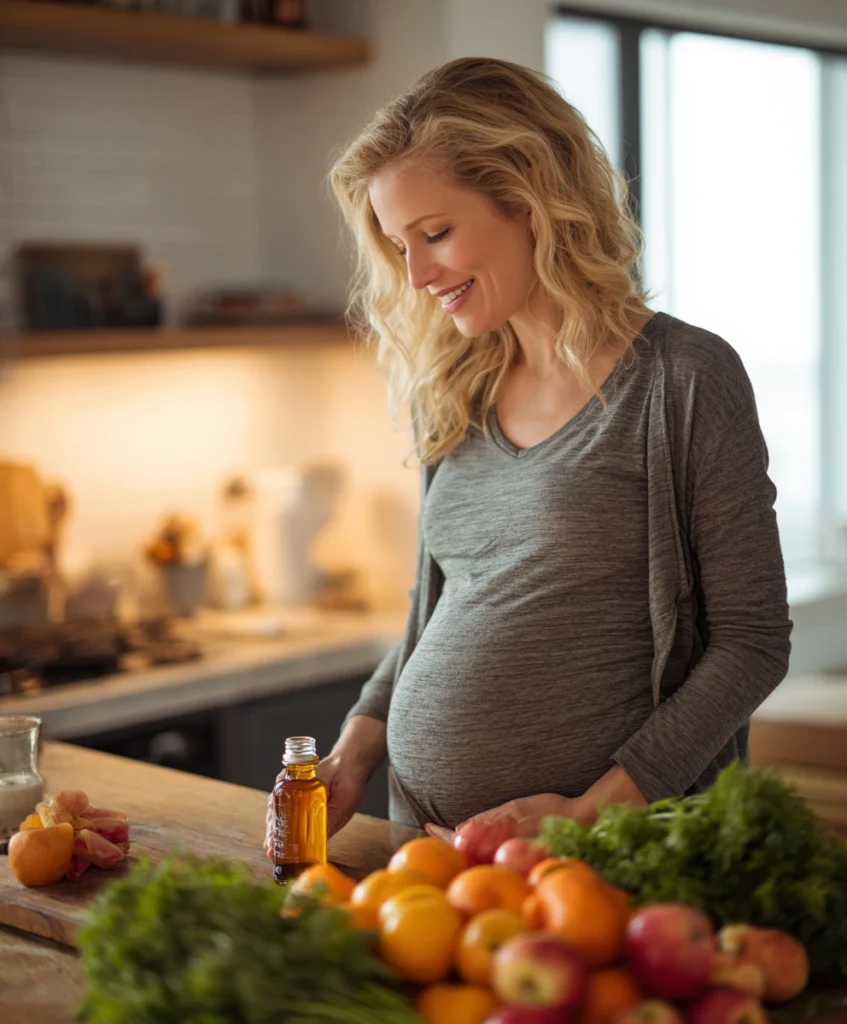
Apple cider vinegar while pregnant is a subject that generates growing interest among expectant mothers seeking natural ways to manage common pregnancy discomforts. From nausea and indigestion to blood sugar concerns, apple cider vinegar is often promoted as a natural remedy. However, pregnancy is a physiologically sensitive period, and not all natural products are automatically safe for maternal or fetal health.
This article provides a detailed medical overview of apple cider vinegar while pregnant, focusing on its composition, proposed benefits, possible risks, and evidence-based guidance for safe use during pregnancy.
Table of Contents
Understanding Apple Cider Vinegar
Apple cider vinegar is produced through a two-step fermentation process. First, the sugars in apples are converted into alcohol by yeast. Then, bacteria transform the alcohol into acetic acid, which gives vinegar its sour taste and characteristic smell. Apple cider vinegar contains small amounts of organic acids, trace minerals, and plant compounds.
Some apple cider vinegar products are pasteurized, while others are unpasteurized and contain a cloudy sediment known as “the mother.” This distinction is critical when discussing apple cider vinegar while pregnant, as food safety plays a central role in prenatal care.
Why Apple Cider Vinegar While Pregnant Is Popular
Pregnancy is often accompanied by digestive changes, hormonal fluctuations, and metabolic adaptations. Because many medications are avoided or limited during pregnancy, women frequently turn to traditional or natural remedies.
Apple cider vinegar while pregnant is commonly considered for:
- Morning sickness and nausea
- Heartburn and acid reflux
- Digestive discomfort and bloating
- Blood sugar balance
- General wellness and immune support
Despite its popularity, most of these uses are based on anecdotal experience rather than strong clinical evidence, making cautious evaluation essential.
Is Apple Cider Vinegar While Pregnant Safe?
Lack of Pregnancy-Specific Research
There is currently no high-quality clinical research specifically designed to evaluate apple cider vinegar while pregnant. Most available studies examine its effects in non-pregnant adults. Because pregnancy alters digestion, immunity, kidney function, and hormone levels, these findings cannot be automatically extrapolated to pregnant women.
As a result, healthcare professionals typically recommend moderation and individualized medical advice rather than routine use.
Pasteurized vs. Unpasteurized Forms
Foodborne illness is a serious concern during pregnancy. Unpasteurized products may harbor harmful bacteria that can cause infections with potentially severe consequences for both mother and fetus.
For this reason, if apple cider vinegar while pregnant is consumed, it should always be pasteurized. Unpasteurized varieties, especially those containing “the mother,” are generally discouraged during pregnancy due to infection risk.

Potential Benefits of Apple Cider Vinegar While Pregnant
Morning Sickness and Nausea
Some pregnant women report that diluted apple cider vinegar helps reduce nausea, especially in early pregnancy. The proposed explanation involves stimulation of digestion and gastric emptying. However, scientific evidence supporting apple cider vinegar while pregnant as an effective anti-nausea remedy is lacking.
Additionally, the strong smell and taste may worsen nausea in some women, particularly during the first trimester.
Heartburn and Acid Reflux
Heartburn is extremely common in pregnancy due to hormonal relaxation of the esophageal sphincter and increased abdominal pressure. While some believe apple cider vinegar can “balance” stomach acid, others experience worsening symptoms.
From a medical perspective, apple cider vinegar while pregnant should not be considered a reliable treatment for reflux, as its acidic nature may aggravate symptoms in sensitive individuals.
Blood Sugar Regulation
Apple cider vinegar has shown mild blood sugar-lowering effects in non-pregnant adults by improving insulin sensitivity. This has led to interest in apple cider vinegar while pregnant, particularly among women concerned about gestational diabetes.
However, there is insufficient evidence to recommend it for blood sugar control during pregnancy. Gestational diabetes requires structured medical monitoring, dietary counseling, and sometimes medication.
Digestive Support
Constipation and bloating are frequent complaints during pregnancy. Apple cider vinegar is sometimes promoted as a digestive tonic, but evidence supporting apple cider vinegar while pregnant for digestive relief remains limited.
Safer, well-established options include adequate hydration, dietary fiber, physical activity, and pregnancy-approved probiotics.
Potential Risks of Apple Cider Vinegar While Pregnant
Gastrointestinal Irritation
Apple cider vinegar is highly acidic. When consumed undiluted or in excessive amounts, it can irritate the esophagus and stomach lining. Pregnancy may increase sensitivity to gastrointestinal irritation, making this risk more relevant.
For this reason, apple cider vinegar while pregnant should never be taken undiluted and should be avoided altogether if it causes discomfort.
Worsening of Heartburn
Rather than relieving reflux, apple cider vinegar while pregnant may worsen heartburn, especially in the second and third trimesters. Increased acidity can intensify the burning sensation and lead to discomfort.
Dental Enamel Damage
Repeated exposure to acidic liquids can erode tooth enamel. Pregnancy already increases vulnerability to dental issues due to hormonal changes and vomiting. Regular consumption of apple cider vinegar while pregnant may increase this risk if oral hygiene precautions are not taken.
Electrolyte Imbalance
Excessive consumption of apple cider vinegar has been associated in rare cases with low potassium levels. While unlikely with small dietary amounts, it highlights the importance of moderation when considering apple cider vinegar while pregnant.
Food Safety Concerns
Unpasteurized apple cider vinegar may contain harmful bacteria. Pregnancy increases susceptibility to foodborne illness, making avoidance of unpasteurized products a standard medical recommendation.
This article is informed by evidence and perspectives drawn from reputable medical and pregnancy health resources, which we have referenced to ensure accuracy and balance

Medical Guidelines for Safe Use
Healthcare professionals generally advise the following regarding apple cider vinegar while pregnant:
- Always consult a healthcare provider before use
- Choose only pasteurized apple cider vinegar
- Use small, food-level amounts rather than medicinal doses
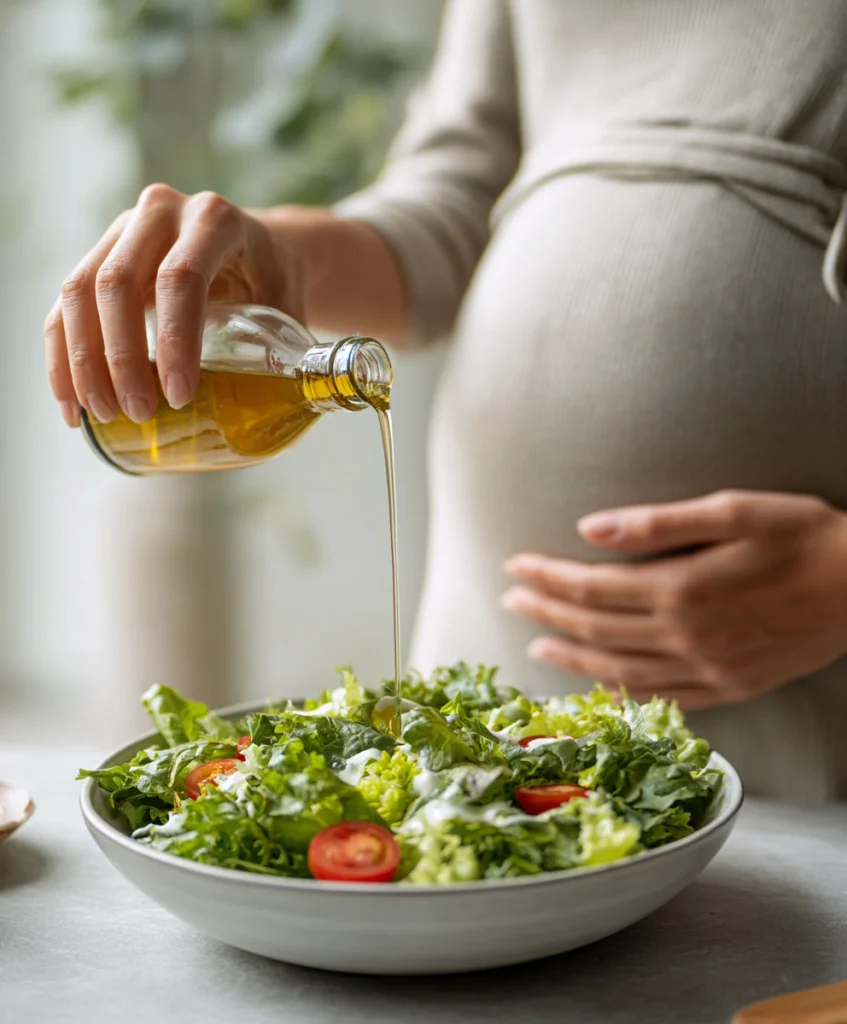
- Always dilute apple cider vinegar in water or food
- Avoid daily or long-term therapeutic use
- Discontinue immediately if symptoms worsen
Natural remedies should never replace evidence-based prenatal care.
Clinical Perspective
From a clinical standpoint, apple cider vinegar while pregnant does not offer proven benefits strong enough to justify routine use. While small culinary amounts are unlikely to cause harm in healthy pregnancies, there is no solid evidence supporting its effectiveness for pregnancy-related symptoms.
Pregnancy nutrition should prioritize balanced meals, essential nutrients, and medically approved supplements. Any optional product should be approached conservatively.
Frequently Asked Questions (FAQ)
Is it safe to drink apple cider vinegar during pregnancy?
In small, diluted amounts and using pasteurized apple cider vinegar, occasional consumption is generally considered low risk for most healthy pregnancies. However, there is no strong scientific evidence proving benefits during pregnancy, and it should not be used medicinally without consulting a healthcare provider.
Can vinegar affect early pregnancy in the first trimester?
During the first trimester, the digestive system is more sensitive, and acidic substances like vinegar may worsen nausea or stomach irritation. While small food-level amounts are unlikely to be harmful, excessive or undiluted vinegar should be avoided in early pregnancy.
Does apple cider vinegar affect getting pregnant?
There is no scientific evidence showing that apple cider vinegar improves or reduces fertility. Apple cider vinegar does not appear to directly affect ovulation, conception, or hormonal balance when consumed in normal dietary amounts.
Can you drink cider while pregnant?
Alcoholic cider should be avoided during pregnancy, as no amount of alcohol is considered safe for fetal development. Non-alcoholic, pasteurized apple cider is generally safe when consumed in moderation, but unpasteurized cider should be avoided due to infection risk.
Conclusion
Apple cider vinegar while pregnant remains a widely discussed but insufficiently studied topic. Although often perceived as harmless due to its natural origin, pregnancy requires higher safety standards than the general population.
When used occasionally, in diluted and pasteurized form, apple cider vinegar while pregnant is unlikely to pose significant risks for most women. However, it should not be used as a treatment for nausea, heartburn, or blood sugar issues without medical supervision.
To provide a well-rounded and medically sound overview, we consulted trusted external sources specializing in pregnancy and maternal health