
Introduction
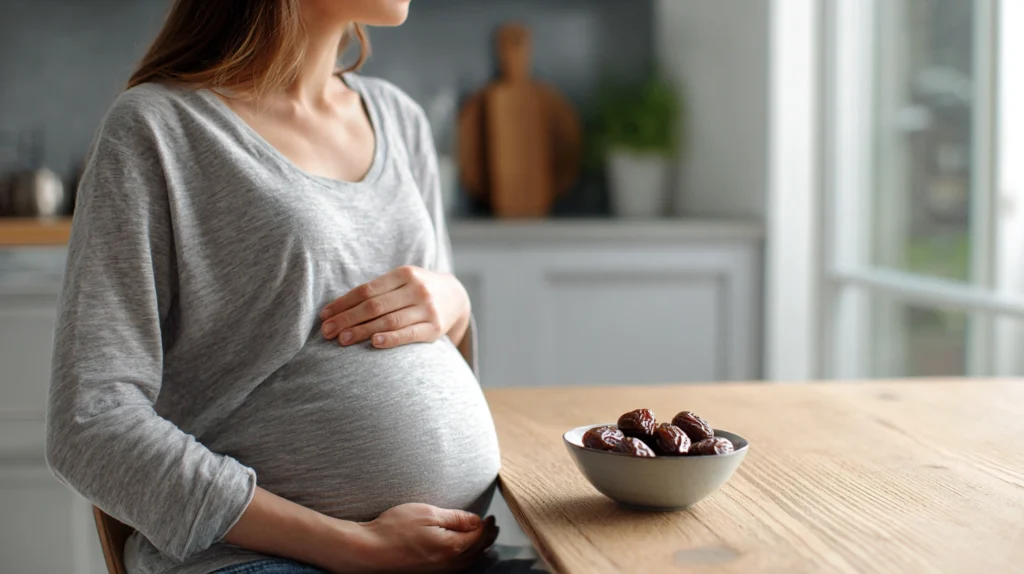
Dietary choices during pregnancy influence maternal health, fetal development, and the course of labor. While many foods are recommended for their nutritional value, some are also associated with potential benefits during childbirth. Dates, the fruit of the date palm (Phoenix dactylifera), are one such food that has received increasing attention in obstetric nutrition.
In recent years, both pregnant women and healthcare providers have shown growing interest in when to start eating dates in pregnancy, particularly because of emerging evidence suggesting a possible role in supporting cervical ripening and labor progress. This article provides a comprehensive, medically grounded overview of when to start eating dates in pregnancy, examining nutritional benefits, scientific findings, safety considerations, and practical recommendations.
Nutritional Value of Dates During Pregnancy
Dates are a nutrient-dense fruit that provides a wide range of vitamins, minerals, and bioactive compounds beneficial during pregnancy. Their natural sweetness comes from carbohydrates that supply quick energy, while their fiber content supports digestive health.
Key nutrients found in dates include dietary fiber, potassium, magnesium, iron, B-complex vitamins (including folate), and antioxidants. These nutrients contribute to maintaining normal bowel function, supporting blood production, regulating muscle activity, and reducing oxidative stress.
Because of this profile, dates can be a valuable addition to a pregnancy diet. However, understanding when to start eating dates in pregnancy depends on whether the goal is general nutrition or labor preparation.

Are Dates Safe Throughout Pregnancy?
For most healthy pregnant women, dates are considered safe when consumed in moderation throughout all trimesters. There is no evidence that eating dates in early or mid-pregnancy increases the risk of miscarriage, preterm labor, or fetal harm.
From a safety standpoint, there is no strict restriction on when to start eating dates in pregnancy for nutritional purposes alone. Dates may be included in meals or snacks during the first, second, or third trimester as part of a balanced diet.
However, the timing becomes more relevant when dates are consumed with the intention of influencing labor outcomes.
Why Dates Are Associated With Labor Preparation
The question of when to start eating dates in pregnancy gained importance after several clinical studies explored the relationship between date consumption and labor characteristics. These studies observed differences in cervical readiness, labor onset, and the need for medical interventions among women who consumed dates in late pregnancy.
The interest in dates is not related to inducing labor prematurely, but rather to supporting the body’s natural preparation for childbirth during the final weeks of pregnancy.
When to Start Eating Dates in Pregnancy for Labor-Related Benefits
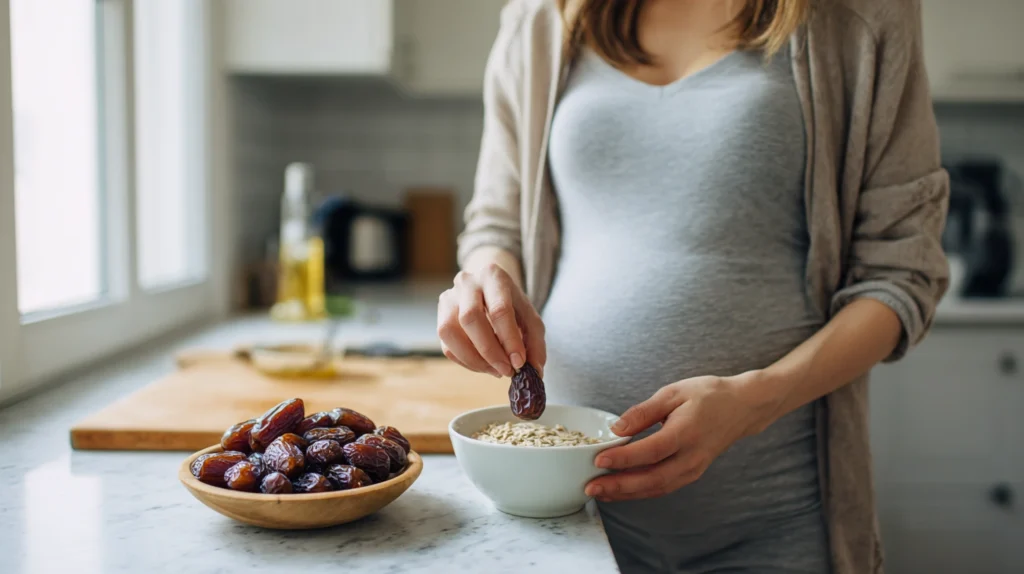
Scientific evidence suggests that the labor-related effects of dates are most noticeable when consumption begins in the late third trimester. Most clinical studies focused on women who started eating dates at approximately 36 to 37 weeks of gestation.
Therefore, when discussing when to start eating dates in pregnancy specifically for labor preparation, the evidence-based answer is around the last four weeks before the expected due date.
Starting dates earlier in pregnancy has not been shown to provide the same labor-specific benefits, although dates remain nutritionally valuable at any stage.
Physiological Effects of Dates on Labor
Understanding when to start eating dates in pregnancy also involves examining how dates may influence the physiology of labor.
Cervical Ripening
Cervical ripening refers to the softening, thinning, and dilation of the cervix before labor begins. Studies suggest that women who consume dates in late pregnancy may present with more favorable cervical conditions at the onset of labor. This may reduce the need for pharmacological cervical ripening agents.
Uterine Activity
Some compounds found in dates are believed to enhance uterine sensitivity to oxytocin, the hormone responsible for triggering contractions. This may support more efficient uterine activity once labor begins.
Energy Support
Labor requires sustained physical effort. Dates provide easily digestible natural sugars that may help maintain maternal energy levels, particularly during early labor.
These potential effects help explain why when to start eating dates in pregnancy is most relevant during the final weeks before delivery.
Recommended Amount of Dates in Late Pregnancy
Most studies examining when to start eating dates in pregnancy also specify a daily intake amount. A commonly studied recommendation is the consumption of six to eight dates per day starting at 36–37 weeks of gestation and continuing until delivery.
This amount appears sufficient to observe potential benefits while remaining safe for most women. Dates can be eaten alone or incorporated into meals, such as with yogurt, oatmeal, or smoothies.
Consistency over several weeks seems to be more important than the exact time of day the dates are consumed.
Impact on Labor Induction
Another important aspect of when to start eating dates in pregnancy relates to labor induction. Some studies have reported lower rates of medical induction among women who regularly consumed dates during the last weeks of pregnancy.
This does not mean that dates eliminate the need for induction when medically necessary. Rather, they may support spontaneous labor onset in low-risk pregnancies by improving cervical readiness.
Effect on Labor Duration
Research on labor duration shows mixed but generally encouraging findings. Some studies indicate that women who consumed dates in late pregnancy experienced shorter early labor phases and required less labor augmentation.
However, results vary, and dates should not be viewed as a guaranteed method to shorten labor. The relevance of when to start eating dates in pregnancy lies in potential support, not certainty.
Who Should Use Caution When Eating Dates
Although dates are safe for most women, certain conditions require individualized guidance.
Women with gestational diabetes or insulin resistance should discuss when to start eating dates in pregnancy with their healthcare provider, as dates contain a high concentration of natural sugars. Portion control and glucose monitoring may be necessary.
Women experiencing excessive gestational weight gain should also consider overall caloric intake when adding dates to their diet.
Common Misconceptions About Dates in Pregnancy
It is important to clarify what dates can and cannot do. Dates do not induce labor on their own, do not guarantee vaginal delivery, and do not replace medical interventions when needed.
Understanding when to start eating dates in pregnancy helps set realistic expectations and avoids misinformation.
Clinical Perspective
From a medical perspective, dates represent a low-risk dietary option that may offer modest but meaningful benefits in late pregnancy. While major obstetric guidelines have not yet issued formal recommendations regarding dates, current evidence supports their safety and potential usefulness.
Counseling women on when to start eating dates in pregnancy, particularly during the final weeks, can be part of shared decision-making in low-risk pregnancies.
Conclusion
Dates are a nutritious fruit that can be safely enjoyed during pregnancy and may provide additional benefits when consumed in the weeks leading up to childbirth.
In summary, dates can be eaten at any stage for nutritional purposes, but the evidence-based answer to when to start eating dates in pregnancy for labor-related benefits is around 36 to 37 weeks of gestation. Consuming six to eight dates daily during this period may support cervical readiness, spontaneous labor, and reduced need for induction in some women.
As with all dietary recommendations during pregnancy, individual medical conditions and professional guidance should always be considered when deciding when to start eating dates in pregnancy.
This article draws on insights from reputable maternal health resources, including expert-reviewed publications that explore date consumption during pregnancy.