

Introduction
Uterine fibroids are benign tumors that develop from the smooth muscle tissue of the uterus. They are extremely common and affect a large proportion of women during their reproductive years. While many fibroids remain small and asymptomatic, others can grow significantly and lead to serious health concerns. One of the most common questions patients ask is which size of fibroid is dangerous and when treatment becomes necessary.
Fibroids vary greatly in size, number, and location. Some women live their entire lives with fibroids without symptoms, while others experience pain, heavy bleeding, infertility, or pregnancy complications. Understanding which size of fibroid is dangerous helps guide medical decisions, reduces unnecessary anxiety, and ensures timely intervention when needed.
This article explains fibroid size classifications, associated risks, and how size influences treatment choices.
Table of Contents
What Are Uterine Fibroids?
Uterine fibroids, also called leiomyomas or myomas, are non-cancerous growths that arise from the muscular layer of the uterus. They may appear as a single mass or multiple tumors and can vary from microscopic nodules to very large growths that distort the entire uterus.
Fibroids are classified based on their location:
- Intramural fibroids develop within the uterine wall
- Submucosal fibroids grow into the uterine cavity
- Subserosal fibroids grow on the outer surface of the uterus
- Pedunculated fibroids are attached by a stalk
Although location affects symptoms, size plays a critical role when determining which size of fibroid is dangerous.
How Fibroid Size Is Measured
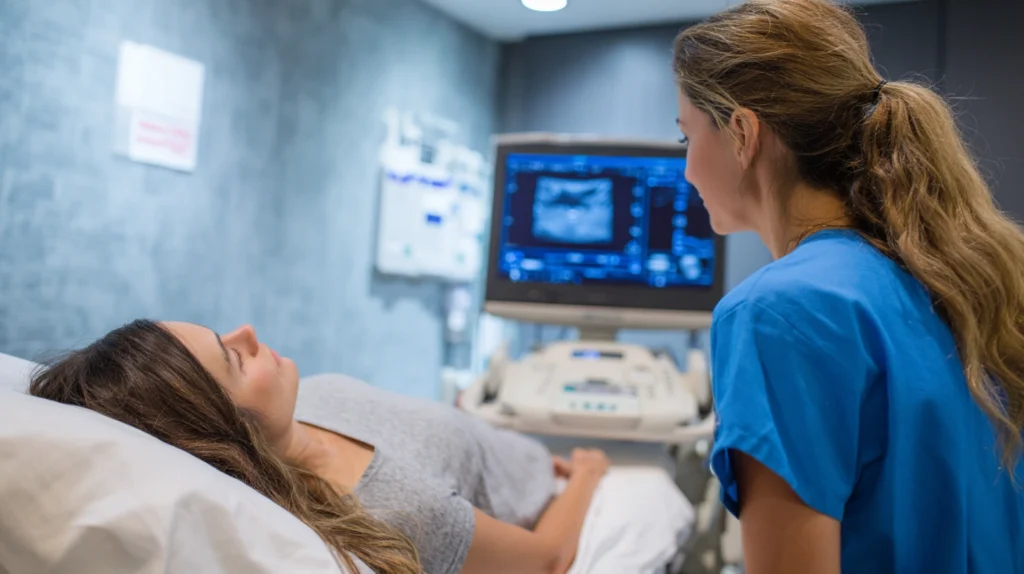
Fibroid size is typically measured using ultrasound or MRI. Measurements are reported in centimeters, and physicians often compare fibroid size to everyday objects to help patients visualize them.
Typical comparisons include:
- 1–2 cm: pea or seed
- 3–5 cm: grape or plum
- 6–10 cm: orange
- More than 10 cm: grapefruit or larger
From a clinical standpoint, fibroid size helps determine symptoms, potential complications, and management strategies. This makes size a key factor in deciding which size of fibroid is dangerous.
Small Fibroids: When Size Is Not Dangerous
Small fibroids generally measure less than 2 centimeters. In most cases, these fibroids do not cause symptoms and are discovered incidentally during routine imaging or pelvic exams.
Small fibroids rarely cause pain, bleeding, or fertility problems. For this reason, they are usually considered low risk. In the context of which size of fibroid is dangerous, fibroids under 2 cm are almost never considered dangerous unless they are submucosal and interfere with the uterine cavity.
Most small fibroids require no treatment and are managed with observation alone.
Medium-Sized Fibroids and Emerging Risks
Fibroids measuring between 2 and 5 centimeters are classified as medium-sized. At this stage, symptoms may begin to develop depending on the fibroid’s location and number.
Possible symptoms include:
- Heavier or longer menstrual periods
- Pelvic discomfort
- Increased menstrual pain
- Mild pressure symptoms
While medium-sized fibroids are not automatically dangerous, they represent a transitional category. For many women, this is when the question which size of fibroid is dangerous becomes clinically relevant and monitoring becomes more important.

Large Fibroids: Increased Medical Concern
Fibroids larger than 5 centimeters are generally considered large. At this size, fibroids are much more likely to cause symptoms and affect daily life.
Large fibroids may cause:
- Heavy menstrual bleeding leading to anemia
- Chronic pelvic pain or pressure
- Frequent urination due to bladder compression
- Constipation from bowel pressure
- Abdominal enlargement
Clinically, fibroids larger than 5 cm often prompt discussion about treatment options. For many specialists, this size marks the point where which size of fibroid is dangerous becomes a practical medical concern rather than a theoretical one.
Very Large Fibroids and Serious Health Risks
Fibroids larger than 10 centimeters are classified as very large and are commonly associated with significant complications. These fibroids can distort pelvic anatomy and may be mistaken for pregnancy on physical examination.
Complications of very large fibroids include:
- Severe pelvic or abdominal pain
- Significant anemia from chronic blood loss
- Compression of the bladder, ureters, or intestines
- Difficulty walking or sleeping
- Reduced quality of life
In most cases, fibroids exceeding 10 cm clearly answer the question which size of fibroid is dangerous, as they often require active medical or surgical management.
Does Growth Speed Matter More Than Size?
Size is important, but growth rate also plays a critical role. A fibroid that grows rapidly over a short period may cause acute symptoms or raise concern for degeneration.
Rapid growth is particularly concerning in postmenopausal women. In such cases, evaluation is necessary even if the fibroid is not extremely large. Therefore, which size of fibroid is dangerous must always be assessed alongside growth pattern and patient age.
Fibroid Size and Fertility
Fibroid size has a direct impact on fertility, especially when fibroids distort the uterine cavity. Large intramural or submucosal fibroids may interfere with implantation and increase the risk of miscarriage.
Fibroids larger than 5 cm are more strongly associated with:
- Difficulty conceiving
- Recurrent pregnancy loss
- Reduced success of assisted reproduction
In fertility medicine, understanding which size of fibroid is dangerous is essential for planning treatment and improving pregnancy outcomes.
Fibroids During Pregnancy
During pregnancy, fibroids may increase the risk of complications depending on their size and location. Fibroids larger than 5 cm are more likely to cause pain due to degeneration as the uterus expands.
Large fibroids in pregnancy may lead to:
- Severe abdominal pain
- Placental abnormalities
- Preterm labor
- Abnormal fetal position
Fibroids exceeding 10 cm pose the highest risk during pregnancy, making which size of fibroid is dangerous a critical consideration in obstetric care.
When Is Fibroid Removal Recommended Based on Size?
There is no absolute size threshold that mandates surgery, but general medical guidance includes:
- Observation for fibroids under 5 cm if asymptomatic
- Consideration of treatment for fibroids over 5 cm with symptoms
- Strong consideration for intervention when fibroids exceed 10 cm
In clinical practice, fibroids larger than 5–6 cm often trigger discussions about treatment, especially when symptoms affect quality of life. This is where which size of fibroid is dangerous becomes a decision-making tool rather than a fixed rule.
Treatment Options According to Fibroid Size
Treatment strategies depend heavily on fibroid size:
- Small fibroids usually require no treatment
- Medium fibroids may respond to medical or minimally invasive therapies
- Large and very large fibroids often require procedural or surgical management
As fibroid size increases, the likelihood of needing intervention rises, reinforcing the importance of knowing which size of fibroid is dangerous.

Are Large Fibroids Cancerous?
Uterine fibroids are almost always benign. Malignant transformation is extremely rare. Size alone does not indicate cancer, but unusual growth patterns warrant investigation.
Even very large fibroids are typically benign, though they may still be dangerous due to mechanical and systemic effects.
Frequently Asked Questions About Uterine Fibroids
What size fibroids need surgery?
Fibroids usually require surgery when they are larger than 5–6 cm and cause significant symptoms such as heavy bleeding, anemia, severe pelvic pain, infertility, or pressure on nearby organs. Fibroids larger than 10 cm are more likely to need surgical treatment, even in the absence of severe symptoms, due to their higher risk of complications.
Which fibroid is not dangerous?
Small fibroids under 2–3 cm, especially those located on the outer surface of the uterus (subserosal) and not causing symptoms, are generally not dangerous. These fibroids often require only observation and regular follow-up rather than active treatment.
Can fibroids cause leg swelling?
Yes, large fibroids can cause leg swelling in rare cases. This happens when a very large fibroid compresses pelvic veins or lymphatic vessels, leading to impaired blood or lymph drainage in one or both legs. Sudden or unilateral leg swelling should always be medically evaluated to rule out other causes.
What are the symptoms of cancerous fibroids?
Cancerous fibroids (uterine sarcomas) are extremely rare. Possible warning signs include rapid fibroid growth, especially after menopause, persistent pelvic pain, unexplained weight loss, and abnormal bleeding not related to menstruation. Most fibroids, even large ones, are benign.
To ensure accuracy and depth, we’ve enriched this discussion using information from established external medical resources.
Conclusion
So, which size of fibroid is dangerous? In general:
- Fibroids under 2 cm are rarely dangerous
- Fibroids between 2 and 5 cm require monitoring
- Fibroids larger than 5 cm commonly cause symptoms
- Fibroids exceeding 10 cm are frequently associated with serious complications
Understanding which size of fibroid is dangerous allows women and healthcare providers to act early, prevent complications, and choose the most appropriate treatment strategy. Individualized care, regular follow-up, and symptom awareness remain the foundation of safe fibroid management.
This article draws on insights from respected medical sources to provide an evidence-based perspective on fibroid size and associated risks.