Introduction About Can You Get Your Period While Pregnant
One of the most frequently asked questions in women’s health and obstetrics is can you get your period while pregnant. Many women experience bleeding in early pregnancy and mistakenly believe they are having a menstrual period. This confusion can lead to delayed pregnancy recognition, anxiety, or misunderstanding of potential health risks. From a medical perspective, however, a true menstrual period cannot occur during pregnancy.
This article provides a clear, evidence-based explanation addressing can you get your period while pregnant, explains why bleeding may still occur, outlines common and serious causes, and clarifies when medical evaluation is necessary.
Table of Contents
Understanding How Menstruation Works
To answer can you get your period while pregnant, it is essential to understand the physiology of the menstrual cycle.
Menstruation is a hormonally regulated process that occurs when pregnancy does not happen. During each cycle, estrogen and progesterone prepare the uterine lining for implantation. If fertilization fails, progesterone levels drop, causing the uterine lining to shed. This shedding results in menstrual bleeding.
A menstrual period therefore indicates the absence of pregnancy. Once pregnancy begins, the hormonal conditions that cause menstruation no longer exist.
Hormonal Changes During Pregnancy
After fertilization and implantation, the body enters a completely different hormonal state. Progesterone remains elevated to support the uterine lining and prevent its shedding. Estrogen levels also increase steadily, contributing to placental development and fetal growth.
Because progesterone does not fall during pregnancy, the physiological trigger for menstruation is absent. This explains why, biologically and clinically, the answer to can you get your period while pregnant is no.
Why You Cannot Have a True Period While Pregnant
From a medical standpoint, you cannot have a menstrual period while pregnant. Menstruation requires the breakdown and expulsion of the uterine lining, which would be incompatible with sustaining a pregnancy.
Any vaginal bleeding that occurs during pregnancy is not menstruation. Even if bleeding appears similar in timing, color, or duration, it is classified as pregnancy-related bleeding rather than a true period. This distinction is crucial for proper diagnosis and care.
Why the Confusion Exists
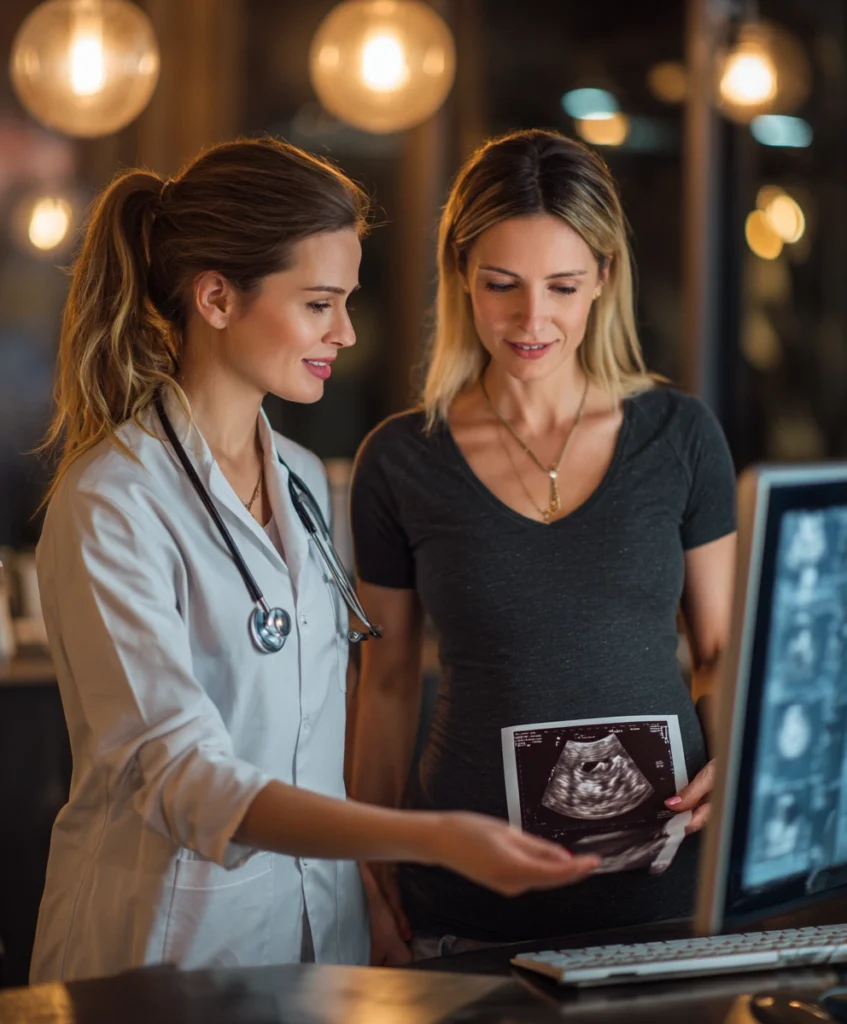
Many women continue to ask can you get your period while pregnant because pregnancy-related bleeding can mimic a period. Bleeding may:
- Occur around the expected time of a cycle
- Be light or moderate
- Last one to several days
- Be accompanied by mild cramping
These similarities lead to the false belief that menstruation is continuing during pregnancy, when in reality a different mechanism is responsible.
Implantation Bleeding
One of the most common causes of early pregnancy bleeding is implantation bleeding.
What Is Implantation Bleeding?
Implantation bleeding occurs when a fertilized egg embeds itself into the uterine lining. This process can disrupt tiny blood vessels, causing light spotting.
Clinical Features
- Occurs shortly after conception
- Light spotting rather than heavy flow
- Pink or brown in color
- Short duration
Implantation bleeding often coincides with the expected menstrual period, leading many women to wonder again can you get your period while pregnant. Despite appearances, implantation bleeding is not menstruation.
Hormonal Spotting in Early Pregnancy
Early pregnancy involves rapid hormonal shifts that may cause mild spotting. Increased progesterone and estrogen can make uterine and cervical blood vessels more fragile, leading to occasional bleeding.
This bleeding does not follow a cyclical pattern and does not involve endometrial shedding. Therefore, it does not represent a menstrual period.
Cervical Changes and Increased Vascularity
During pregnancy, the cervix becomes highly vascular and sensitive. Minor trauma from sexual intercourse, pelvic examinations, or even increased pressure can cause cervical bleeding.
This type of bleeding is usually light and painless. Although it may resemble a period to some women, it is unrelated to menstruation and does not change the answer to can you get your period while pregnant.
Subchorionic Hematoma
A subchorionic hematoma occurs when blood collects between the gestational sac and the uterine wall. It is a common ultrasound finding in early pregnancy.
Symptoms may include light to moderate vaginal bleeding. While most cases resolve without intervention, monitoring is important. Again, this bleeding is not menstrual in nature.
Serious Causes of Bleeding During Pregnancy
Not all pregnancy bleeding is harmless. Some causes require immediate medical attention.
Ectopic Pregnancy
An ectopic pregnancy occurs when implantation happens outside the uterus, most commonly in a fallopian tube. Vaginal bleeding combined with abdominal pain, dizziness, or shoulder pain can be warning signs.
Bleeding from an ectopic pregnancy is sometimes mistaken for a period, reinforcing the misconception behind can you get your period while pregnant. This condition is life-threatening and requires urgent treatment.
Miscarriage
Pregnancy loss often presents with vaginal bleeding. The amount can range from light spotting to heavy bleeding with clots and cramping.
Bleeding during miscarriage is not menstruation, even though it may resemble a heavy period. Medical evaluation is necessary to confirm the diagnosis and manage complications.
Bleeding Later in Pregnancy
Bleeding in the second or third trimester is always abnormal. Potential causes include:
- Placenta previa
- Placental abruption
- Preterm labor
Bleeding at this stage should never be mistaken for a period and requires immediate medical care.
How to Differentiate a Period From Pregnancy Bleeding
Key differences help distinguish menstruation from pregnancy-related bleeding:
- Timing: Periods occur cyclically; pregnancy bleeding is irregular
- Flow: Periods are typically heavier
- Duration: Menstrual bleeding lasts longer
- Hormonal symptoms: Pregnancy symptoms may coexist with bleeding
If there is uncertainty, pregnancy testing and clinical evaluation are essential.
When to Seek Medical Attention
Any bleeding during pregnancy should be discussed with a healthcare provider, especially if it is:
- Heavy or persistent
- Associated with pain or cramping
- Accompanied by dizziness or fainting
- Occurring later in pregnancy
Prompt evaluation ensures maternal safety and fetal well-being.
Key Medical Facts to Remember
- You cannot menstruate during pregnancy
- Pregnancy bleeding is common but not normal menstruation
- Implantation bleeding is a frequent cause of early spotting
- Serious conditions must always be ruled out
- Medical assessment is essential for any bleeding
These points reinforce the clear medical answer to can you get your period while pregnant
FAQ About Can You Get Your Period While Pregnant
Can someone have a full period and be pregnant?
No, a person cannot have a true, full menstrual period and be pregnant at the same time. A menstrual period occurs when pregnancy has not happened and the uterine lining sheds due to a drop in progesterone. During pregnancy, progesterone levels remain high to support the uterine lining and fetal development, which prevents menstruation.
However, some women experience heavy pregnancy-related bleeding that may look like a full period. Although it can be confusing, this bleeding is not a real menstrual period and should always be medically evaluated.
Can I bleed like a period in early pregnancy?
Yes, it is possible to bleed in a way that resembles a period during early pregnancy, but this bleeding is not menstruation. Common causes include implantation bleeding, hormonal changes, cervical sensitivity, or subchorionic hematoma.
This bleeding may occur around the expected time of a period and can be red or brown, which leads many women to believe they are menstruating. Despite its appearance, bleeding in early pregnancy does not involve shedding of the uterine lining and should not be considered a period.
I had a period and then found out I was pregnant — how is that possible?
This situation is more common than many people realize. In most cases, the bleeding that occurred was not a true period, even though it appeared similar. Many women experience implantation bleeding or early pregnancy spotting and mistake it for menstruation.
Another possibility is that ovulation and implantation occurred later than expected, making the pregnancy harder to detect at first. This is why some women only discover they are pregnant weeks after experiencing what they thought was a normal period.
Why do I feel pregnant even though I had my period?
Feeling pregnant despite having bleeding can happen because pregnancy hormones may already be rising, causing symptoms such as nausea, breast tenderness, fatigue, bloating, or heightened sense of smell.
If the bleeding was not a true period but rather early pregnancy bleeding, these hormonal symptoms can still be present. When pregnancy symptoms persist after bleeding, a pregnancy test and medical evaluation are recommended to clarify the situation.
Conclusion About Can You Get Your Period While Pregnant
So, can you get your period while pregnant? The medical answer remains definitive: no. A true menstrual period cannot occur during pregnancy because the hormonal conditions required for menstruation are absent. What many women interpret as a period is actually pregnancy-related bleeding with various possible causes.
Understanding this distinction is essential for early pregnancy recognition, timely diagnosis of complications, and appropriate medical care. Any bleeding during pregnancy should never be ignored, and professional evaluation is always recommended.
Written by a Gynecologist based on medical experience and scientific evidence to help you make informed decisions about Can You Get Your Period While Pregnant