
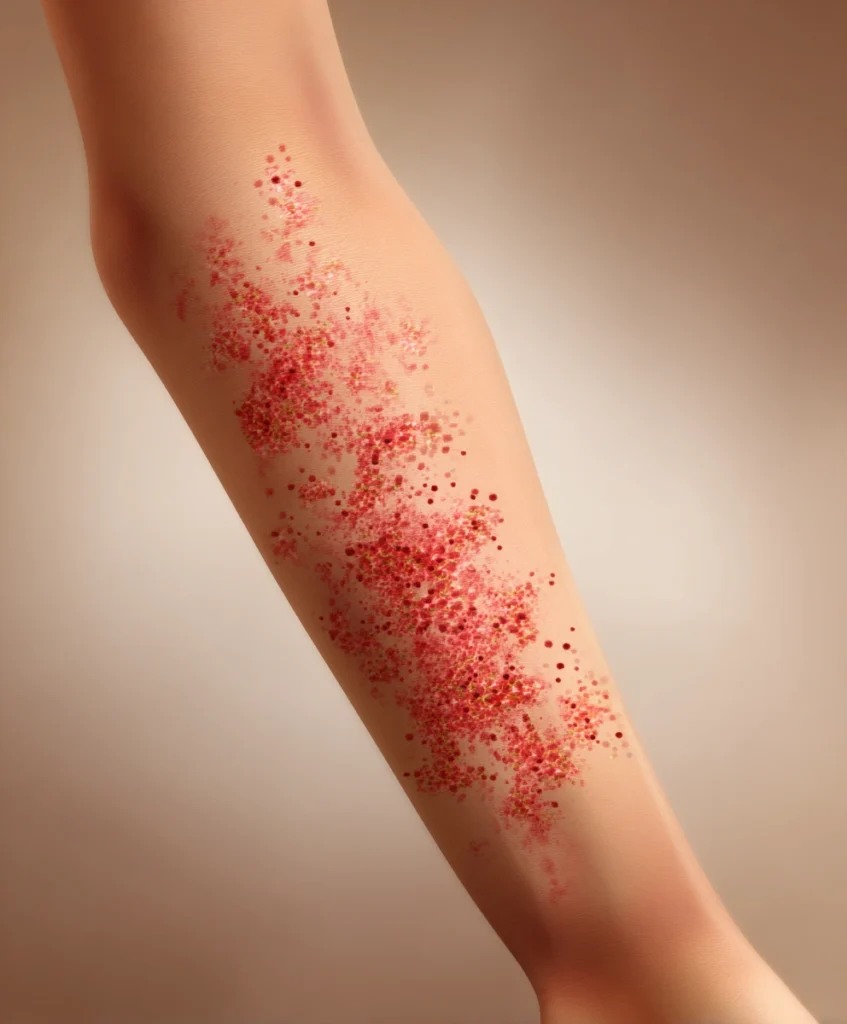
Hives, medically known as urticaria, are a common skin condition that affects people of all ages. They appear as raised, itchy welts that can vary in size, shape, and location on the body. Because hives can look sudden and alarming, patients frequently ask an important question: are hives contagious? Understanding the nature of hives is essential for both patients and healthcare providers, as misconceptions about contagion may lead to unnecessary anxiety, isolation, or fear.
From a medical standpoint, the answer to the question are hives contagious is clear: hives themselves are not contagious. They cannot be spread from one person to another through touch, air, or shared objects. However, the conditions that trigger hives may sometimes involve infections that are contagious. This article provides a detailed medical explanation of hives, their causes, mechanisms, and why hives are not considered contagious.
Table of Contents
Understanding Hives (Urticaria)
Hives are a skin reaction characterized by transient wheals, which are raised areas of swelling surrounded by redness. These lesions often itch intensely and may burn or sting. Individual hives typically last less than 24 hours, though new ones may appear as others fade.
Hives occur when certain immune cells in the skin, particularly mast cells, release histamine and other inflammatory substances. This causes small blood vessels to leak fluid into surrounding tissues, leading to swelling and redness. Because this reaction originates from within the body, it is not caused by a microorganism spreading from person to person. This is one of the main reasons why the answer to are hives contagious is no.
Types of Hives
Hives are broadly classified based on their duration and triggers.
Acute Urticaria
Acute hives last less than six weeks and are the most common form. They often appear suddenly and resolve on their own.
Common triggers include:
- Foods such as nuts, eggs, or shellfish
- Medications like antibiotics or pain relievers
- Insect stings or bites
- Viral or bacterial infections
Even in cases where an infection triggers hives, the skin reaction itself does not spread. This distinction is crucial when addressing whether are hives contagious.
Chronic Urticaria
Chronic hives persist for six weeks or longer and may recur daily or intermittently. In many cases, the exact cause is unknown.
Chronic urticaria is often associated with:
- Autoimmune mechanisms
- Persistent immune activation
- Stress or hormonal factors
Chronic hives are never contagious, as they are related to immune system dysregulation rather than infection.
Pathophysiology: Why Hives Are Not Contagious
To understand why hives are not contagious, it is important to understand how they form. The development of hives is an immunological reaction, not an infectious process.
When mast cells are activated, they release histamine, leukotrienes, and other mediators. These substances cause:
- Vasodilation
- Increased vascular permeability
- Sensory nerve stimulation (itching)
No bacteria, viruses, or fungi are present in the hives themselves. There is nothing that can be transmitted through contact. Therefore, from a medical and biological perspective, the answer to are hives contagious remains definitively no.
Are Hives Ever Related to Contagious Conditions?
This is where confusion often arises. While hives themselves are not contagious, some triggers of hives can be contagious.
Infection-Related Hives
Certain viral or bacterial infections can stimulate the immune system and cause hives as a secondary reaction. Examples include:
- Respiratory viral infections
- Gastrointestinal viral illnesses
- Streptococcal infections
In these cases:
- The infection may be contagious
- The hives are not
A person exposed to the same infection may develop hives, but this does not mean the hives were transmitted. It means both individuals responded immunologically to the same pathogen. This distinction is essential when clarifying whether are hives contagious.

Common Myths About Hives and Contagion
Myth 1: You can “catch” hives from someone
This is false. Physical contact with a person who has hives will not cause hives in another person.
Myth 2: Sharing clothes or bedding spreads hives
Hives are not caused by skin parasites or surface organisms. Shared items do not transmit hives.
Myth 3: Hives always mean an infection
Many cases of hives are allergic or idiopathic and have no infectious cause.
Dispelling these myths helps reinforce the medical consensus that are hives contagious is a question with a clear negative answer.
Clinical Diagnosis
The diagnosis of hives is primarily clinical and based on:
- Appearance of the lesions
- Duration and recurrence
- Associated symptoms such as itching or swelling
Laboratory tests are not usually required for acute hives. In chronic cases, further evaluation may be performed to rule out autoimmune or systemic conditions.
Importantly, diagnostic evaluation does not involve infection control measures because hives are not contagious.

Treatment and Management
Management focuses on symptom relief and trigger avoidance.
First-Line Treatment
- Non-sedating antihistamines to block histamine effects
Second-Line Options
- Higher-dose antihistamines
- Short courses of corticosteroids in severe cases
Advanced Therapies
- Immunomodulatory agents or biologic therapies for refractory chronic urticaria
Treatment strategies further emphasize that hives are an internal immune reaction, reinforcing the conclusion that are hives contagious is not a concern in patient management.
When to Seek Medical Attention
Patients should seek medical care if:
- Hives persist beyond several days
- Symptoms are severe or recurrent
- There is associated angioedema
- Breathing difficulties occur
These situations do not indicate contagion but may reflect a more serious allergic or systemic reaction.
Psychological and Social Considerations
Fear of contagion can lead to unnecessary social isolation, especially in children or workplace settings. Educating patients and families that hives are not contagious helps:
- Reduce anxiety
- Prevent stigma
- Encourage normal social interaction
From a public health and psychological standpoint, answering are hives contagious accurately is essential.
Prevention Strategies
Although hives cannot be prevented in all cases, certain measures may reduce risk:
- Avoid known allergens
- Manage stress
- Treat infections promptly
- Avoid unnecessary medications
Preventive strategies do not include isolation or hygiene measures aimed at preventing spread, further supporting the fact that hives are not contagious.
Final Answer: Are Hives Contagious?
To summarize clearly and medically:
- Hives are not contagious
- They cannot be spread by touch, air, or shared objects
- They are caused by immune system activation, not infection
- Some infections that trigger hives may be contagious, but the hives themselves are not
Therefore, when patients ask are hives contagious, healthcare providers can confidently reassure them that hives pose no risk of transmission to others.
Frequently Asked Questions About Are Hives Contagious
Should you be around people if you have hives?
Yes, you can safely be around other people if you have hives. Hives are not contagious, and there is no risk of spreading them through physical contact, shared spaces, or close interaction. From a medical perspective, hives are an internal immune reaction and do not involve bacteria, viruses, or parasites on the skin surface.
There is no need for isolation, staying home from work or school, or avoiding social contact solely because of hives. The only exception would be if hives are caused by a contagious infection (such as a viral illness). In that case, standard precautions relate to the infection itself, not the hives.
What triggers hives?
Hives can be triggered by a wide range of factors, and in many cases, more than one trigger may be involved. Common triggers include:
Allergic reactions, such as foods (nuts, shellfish, eggs), medications, or insect stings
Infections, especially viral infections of the respiratory or digestive tract
Physical factors, including heat, cold, pressure, exercise, or sun exposure
Stress and emotional factors, which can worsen or precipitate symptoms
Autoimmune reactions, particularly in chronic hives
Idiopathic causes, where no clear trigger can be identified
It is important to note that while infections can trigger hives, the hives themselves remain non-contagious.
Can you catch hives from someone?
No, you cannot catch hives from another person. Hives do not spread through touch, kissing, sharing clothes, or being in the same room. They are not caused by a transmissible organism and do not behave like infectious rashes.
Even if two people develop hives at the same time, this usually means they were exposed to the same trigger (such as a virus, food, or environmental factor), not that hives were transmitted from one person to another. Medically speaking, the answer to this question is always no.
What gets rid of hives fast?
The fastest way to relieve hives is to block the effects of histamine and remove or avoid the trigger when possible. Common approaches include:
Antihistamines, which are the first-line treatment and often provide rapid relief
Cool compresses, which help reduce itching and swelling
Avoiding heat, tight clothing, and scratching, as these can worsen symptoms
Short courses of corticosteroids, in more severe or persistent cases, under medical supervision
For chronic or recurrent hives, long-term treatment plans may be needed. Immediate medical attention is required if hives are accompanied by breathing difficulty, swelling of the lips or throat, or signs of anaphylaxis.
Conclusion About Are Hives Contagious
Hives are a common, often distressing skin condition, but they are fundamentally non-contagious. The immune-mediated nature of urticaria explains why hives cannot be passed from one person to another. Understanding this distinction is crucial for patient education, proper management, and reducing unnecessary fear.
In conclusion, the medical evidence is clear: are hives contagious? No. Accurate information empowers patients, supports appropriate care, and promotes reassurance in both clinical and everyday settings.
Written by a Gynecologist based on medical experience and scientific evidence to help you make informed decisions about About Are Hives Contagious