
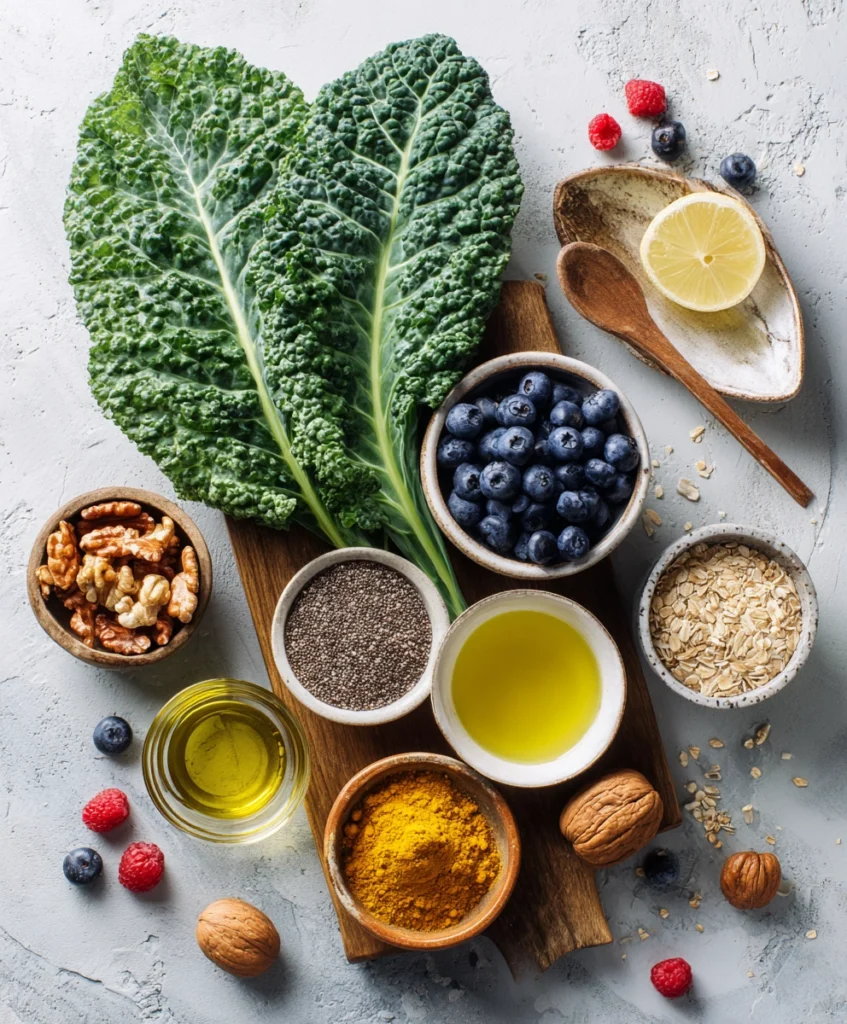
Uterine fibroids, also known as leiomyomas, are benign tumors originating from the smooth muscle cells of the uterus. They are one of the most common gynecological conditions affecting women of reproductive age. Although fibroids are non-cancerous, they can cause significant symptoms, including heavy menstrual bleeding, pelvic pain, pressure symptoms, anemia, infertility, and recurrent pregnancy loss. Fibroid growth is influenced by hormonal, genetic, and environmental factors, particularly estrogen and progesterone levels.
In recent years, growing attention has been given to lifestyle and dietary interventions as complementary approaches to fibroid management. While medical and surgical treatments remain essential in many cases, nutrition may play a supportive role in slowing fibroid growth, reducing symptoms, and improving overall hormonal balance. This article explores 7 foods for shrinking fibroids, focusing on their biological mechanisms, nutritional value, and relevance in fibroid-friendly dietary patterns.
Table of Contents
Understanding the Relationship Between Diet and Fibroids
Fibroids are hormonally responsive tumors. Estrogen promotes fibroid cell proliferation, while progesterone supports fibroid growth and extracellular matrix production. Diet influences estrogen metabolism, inflammation, oxidative stress, and insulin resistance, all of which are implicated in fibroid development.
A diet rich in fiber, antioxidants, and anti-inflammatory compounds may support estrogen detoxification through the liver and gastrointestinal tract. Conversely, diets high in red meat, processed foods, and refined carbohydrates have been associated with increased fibroid risk. Understanding this relationship provides the foundation for selecting the 7 foods for shrinking fibroids discussed below.
1. Leafy Green Vegetables
Leafy green vegetables such as spinach, kale, Swiss chard, and collard greens are fundamental components of a fibroid-supportive diet.
These vegetables are rich in dietary fiber, folate, magnesium, and antioxidants. Fiber plays a critical role in estrogen metabolism by binding estrogen in the intestines and promoting its excretion, thereby reducing circulating estrogen levels. Since fibroid growth is estrogen-dependent, this mechanism is particularly relevant.
Leafy greens also provide antioxidants that help reduce oxidative stress and chronic inflammation, both of which contribute to fibroid growth and symptom severity. Regular consumption of leafy greens supports liver function and overall metabolic health.
Including leafy greens daily is one of the simplest and most effective strategies when focusing on 7 foods for shrinking fibroids.
2. Berries
Berries such as blueberries, strawberries, raspberries, and blackberries are nutrient-dense fruits with a high concentration of antioxidants, including flavonoids and anthocyanins.
Oxidative stress has been implicated in abnormal cell proliferation, including fibroid tissue growth. The antioxidants found in berries help neutralize free radicals and reduce inflammatory pathways that may stimulate fibroid progression.
In addition to their antioxidant properties, berries are high in fiber and low in glycemic load, making them beneficial for insulin regulation. Insulin resistance has been linked to increased estrogen production in adipose tissue, which may indirectly influence fibroid growth.
As part of the 7 foods for shrinking fibroids, berries offer a natural, low-sugar option to support hormonal balance and cellular health.
3. Whole Grains
Whole grains such as brown rice, quinoa, oats, barley, and whole wheat are superior alternatives to refined grains when managing fibroids.
These foods are rich in complex carbohydrates, fiber, B vitamins, and essential minerals. Fiber from whole grains supports estrogen elimination and improves gut health, both critical for hormonal regulation. Whole grains also help maintain stable blood glucose levels, reducing insulin spikes that may contribute to hormonal imbalances.
Replacing refined carbohydrates with whole grains supports weight management, which is important because excess body fat increases estrogen production. A whole-grain-based diet is therefore a logical component of the 7 foods for shrinking fibroids approach.
4. Cruciferous Vegetables
Cruciferous vegetables include broccoli, cauliflower, Brussels sprouts, cabbage, and bok choy. These vegetables are particularly important for estrogen metabolism.
They contain glucosinolates, which are converted in the body into biologically active compounds such as indole-3-carbinol. These compounds promote the formation of less potent estrogen metabolites and enhance liver detoxification pathways.
By supporting healthy estrogen metabolism, cruciferous vegetables may help reduce hormonal stimulation of fibroid tissue. They also provide fiber, vitamins, and anti-inflammatory nutrients that support overall reproductive health.
Including cruciferous vegetables regularly strengthens the scientific rationale behind 7 foods for shrinking fibroids.

5. Flaxseeds
Flaxseeds are one of the most studied foods in relation to hormone-dependent conditions. They are rich in lignans, a type of phytoestrogen that can modulate estrogen activity in the body.
Lignans bind to estrogen receptors and may exert a mild anti-estrogenic effect in high-estrogen environments. This property makes flaxseeds particularly relevant for fibroid management. Flaxseeds also promote favorable estrogen metabolism and increase the production of protective estrogen metabolites.
Additionally, flaxseeds are an excellent source of fiber and omega-3 fatty acids, both of which contribute to reduced inflammation and improved hormonal balance.
Because of their unique hormonal effects, flaxseeds are a key element of the 7 foods for shrinking fibroids.
6. Turmeric
Turmeric is a spice widely recognized for its anti-inflammatory and antioxidant properties. Its active compound, curcumin, has been studied for its effects on cell proliferation and inflammation.
Inflammation plays a role in fibroid growth and symptom severity. Curcumin has been shown in laboratory studies to inhibit fibroid cell proliferation and promote programmed cell death. Although large-scale human trials are limited, the biological mechanisms support turmeric’s inclusion in fibroid-supportive diets.
Turmeric may also support liver detoxification and reduce oxidative stress, further contributing to hormonal balance. When discussing 7 foods for shrinking fibroids, turmeric stands out as a functional food with therapeutic potential.
7. Healthy Fats
Healthy fats from sources such as olive oil, avocados, nuts, and seeds are essential for hormone production and inflammation control.
These fats contain monounsaturated and omega-3 fatty acids that help regulate inflammatory pathways and support cell membrane integrity. Chronic inflammation can worsen fibroid symptoms, including pain and heavy bleeding.
Healthy fats also play a role in satiety and metabolic regulation, supporting weight management and reducing excess estrogen production from adipose tissue. Including healthy fats daily completes the nutritional framework of the 7 foods for shrinking fibroids.
How These Foods Work Together
The 7 foods for shrinking fibroids do not act in isolation. Their combined benefits include:
- Improved estrogen metabolism and elimination
- Reduced systemic inflammation
- Lower oxidative stress
- Better insulin sensitivity
- Enhanced liver detoxification
Together, these effects create an internal environment that may slow fibroid growth and improve symptoms. While dietary changes alone cannot replace medical or surgical treatments, they may complement standard care and enhance overall outcomes.
Important Medical Considerations
It is essential to emphasize that fibroids are complex medical conditions. Diet should be viewed as a supportive strategy rather than a standalone cure. Women with symptomatic fibroids should undergo proper medical evaluation, including imaging and laboratory assessment, to determine appropriate treatment options.
Medical therapies, minimally invasive procedures, and surgery remain the cornerstone of fibroid management when symptoms are severe or complications arise. Nutritional strategies such as the 7 foods for shrinking fibroids may be particularly helpful for symptom management, prevention of progression, and overall reproductive health.
Frequently Asked Questions About 7 foods for shrinking fibroids
What to drink to reduce fibroids?
While no beverage can directly eliminate uterine fibroids, certain drinks may help support hormonal balance and reduce inflammation, which can indirectly slow fibroid growth. Water remains essential, as proper hydration supports liver detoxification and estrogen elimination. Green tea is often recommended because it contains epigallocatechin gallate (EGCG), a polyphenol studied for its potential to inhibit fibroid cell proliferation. Herbal teas such as turmeric tea, ginger tea, and chamomile tea may also help reduce inflammation and pelvic discomfort. Sugary drinks, sweetened juices, and alcohol should be limited, as they can increase inflammation and negatively affect hormone regulation.
Can I eat eggs if I have fibroids?
Yes, eggs can be safely consumed by women with fibroids when eaten in moderation. Eggs are a high-quality source of protein, vitamins, and essential fatty acids that support overall health and hormone production. Current evidence does not show that eggs directly promote fibroid growth. However, it is advisable to choose eggs from healthy sources and avoid excessive consumption, especially when combined with a diet high in saturated fats. Balancing eggs with plenty of vegetables, whole grains, and fiber-rich foods is key to maintaining hormonal equilibrium.
What foods worsen fibroids?
Certain foods may contribute to fibroid growth or worsen symptoms by increasing estrogen levels or inflammation. These include red and processed meats, refined carbohydrates, sugary foods, and highly processed products. Excessive consumption of saturated and trans fats may promote inflammation, while high-sodium foods can worsen bloating and pelvic pressure. Alcohol and caffeine in excess may also negatively affect hormone metabolism. Reducing these foods and focusing on a nutrient-dense, plant-rich diet may help manage fibroid-related symptoms.
What makes fibroids stop growing?
Fibroid growth is influenced primarily by hormonal factors, especially estrogen and progesterone. Fibroids may stop growing when estrogen levels decline, such as after menopause. Medical treatments that suppress ovarian hormone production can also slow or stop fibroid growth. Maintaining a healthy body weight, reducing inflammation, and supporting estrogen metabolism through diet and lifestyle may contribute to stabilizing fibroid size. However, fibroid behavior varies between individuals, and regular medical monitoring is essential to assess growth and guide treatment decisions.
Conclusion About 7 foods for shrinking fibroids
Uterine fibroids affect millions of women worldwide and can significantly impact quality of life. While no diet can guarantee fibroid elimination, scientific evidence supports the role of nutrition in influencing hormonal balance, inflammation, and metabolic health.
The 7 foods for shrinking fibroids—leafy greens, berries, whole grains, cruciferous vegetables, flaxseeds, turmeric, and healthy fats—offer a practical, evidence-based approach to supporting fibroid management. Incorporating these foods into a balanced, plant-forward diet may help reduce symptoms, slow fibroid growth, and support long-term reproductive health when combined with appropriate medical care.
Written by a Gynecologist based on medical experience and scientific evidence to help you make informed decisions about 7 foods for shrinking fibroids