

Introduction
Vaginal tightening refers to a set of medical, surgical, and non-surgical treatments designed to improve the tone, elasticity, and overall function of the vaginal tissues. It is often grouped under the broader concept of “vaginal rejuvenation,” which may also involve improving lubrication, addressing urinary leakage, and enhancing sexual comfort.
Women seek vaginal tightening for various reasons. After childbirth, especially vaginal delivery, the tissues may stretch or sustain microtears, leading to a feeling of looseness. Menopause causes estrogen levels to drop, which reduces collagen and natural lubrication, contributing to laxity and dryness. Aging also affects tissue elasticity, much like it does in the skin.
With the growing openness around women’s sexual health and the rise of intimate wellness clinics, more women feel comfortable asking about solutions for vaginal laxity. While the demand is increasing, so is the need for accurate, medical information to help women make informed choices.
This article breaks down the science behind vaginal laxity, the most effective treatment options, their benefits, risks, costs, and the important considerations every woman should understand before proceeding.
Table of Contents
Understanding Vaginal Laxity
Vaginal laxity describes a reduction in tightness or tone of the vaginal canal. It is not a disease, but rather a natural anatomical change influenced by childbirth, hormones, and aging.
Causes of Vaginal Laxity
Childbirth Trauma and Stretching
During vaginal delivery, the tissues of the pelvic floor and vaginal canal stretch significantly. In some cases, the muscles may tear or weaken, leading to decreased tone. Women who have delivered multiple times, had large babies, or experienced instrumental deliveries (forceps, vacuum) may notice greater laxity.
Natural Aging and Collagen Loss
As women age, collagen production declines in all tissues, including the vaginal wall. Collagen provides firmness, support, and elasticity. Reduced collagen leads to thinning, dryness, and a less firm structure.
Menopause and Hormonal Shifts
Estrogen is essential for maintaining vaginal lubrication and healthy tissue thickness. After menopause, decreased estrogen results in atrophic changes, dryness, and reduced elasticity, all of which contribute to the sensation of looseness.
Common Symptoms of Vaginal Laxity
- A subjective sensation of looseness during intercourse
- Decreased sexual satisfaction or reduced friction
- Vaginal dryness or discomfort
- Mild urinary incontinence, especially stress incontinence
- Decreased confidence or embarrassment
- Challenges achieving orgasm due to reduced sensitivity
It is important to remember that vaginal tightness varies widely among women and can change naturally with time. There is no “normal” standard; the focus should be on comfort, function, and personal satisfaction.
Treatment Options for Vaginal Tightening
Modern medicine offers a variety of treatments ranging from simple exercises to office-based procedures and surgical interventions. The right option depends on the severity of laxity, patient preferences, and medical history.
Non-Surgical Treatments
These treatments are popular due to their minimal downtime and non-invasive nature.
CO₂ Laser Therapy
CO₂ laser treatments use fractional laser energy to gently heat the superficial layers of vaginal tissue. This controlled heat stimulates collagen production and tissue remodeling. Over several sessions, women often experience improved lubrication, elasticity, and tightness.
Benefits:
- Non-invasive
- Performed in-office
- Minimal discomfort
- No anesthesia required
- Quick recovery
Typical protocol involves 2–3 sessions spaced a few weeks apart. Results may last up to a year with maintenance treatments.
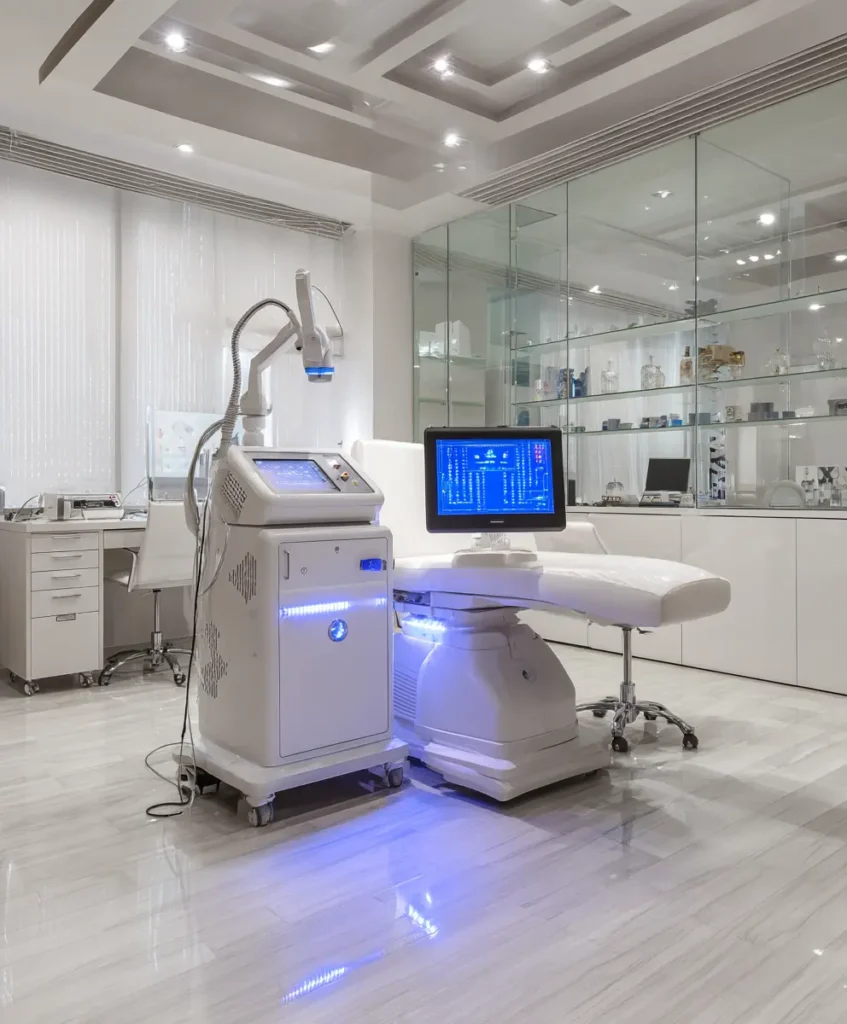
Radiofrequency (RF) Therapy
RF devices deliver electromagnetic waves that deeply heat the tissue without damaging the surface. This heat improves blood flow, boosts collagen, and enhances natural lubrication.
Benefits:
- Comfortable procedure
- No downtime
- Suitable for mild to moderate laxity
- Also helps with mild urinary leakage
RF is considered one of the most popular non-surgical options due to its safety and noticeable results.
O-Shot® (PRP Injections)
The O-Shot® involves injecting platelet-rich plasma (PRP), derived from the patient’s own blood, into the vaginal and clitoral areas. PRP contains growth factors that may enhance sensitivity and tissue regeneration.
It is considered experimental because evidence is still limited, and results vary widely among patients. Some women report improved lubrication and orgasm intensity, while others experience minimal change.
Surgical Treatments
Surgery is reserved for more severe cases of laxity, especially after traumatic childbirth or when non-surgical methods are insufficient.
Vaginoplasty
Vaginoplasty surgically tightens the vaginal canal by removing excess tissue and stitching the muscles closer together. It restores tone and structural support, often improving both sexual satisfaction and pelvic floor function.
This procedure is typically performed under anesthesia and requires several weeks of recovery. It is the most definitive method for correcting severe laxity.
Labiaplasty, Perineoplasty, Monsplasty
These procedures target external structures rather than the vaginal canal:
- Labiaplasty reshapes the labia minora or majora
- Perineoplasty repairs the perineum, often damaged after childbirth
- Monsplasty reduces excess fat or sagging in the mons pubis area
While not vaginal tightening per se, these procedures enhance aesthetics, support, and comfort.
At-Home and Natural Methods
Many women begin with conservative, non-invasive methods.
Kegel Exercises
Kegels strengthen the pelvic floor muscles that support the vagina, uterus, bladder, and rectum. Stronger pelvic muscles improve control, sensation, and support.
Proper technique is essential. A pelvic floor therapist or gynecologist can teach the correct method to avoid overuse or ineffective contractions.
Over-the-Counter Creams and Gels
These products claim to tighten the vaginal walls temporarily, often by causing mild swelling. Their efficacy is limited, and results are not medically proven. Some may contain irritants, so ingredients should be reviewed carefully.
Women should be cautious with unregulated products sold online.
Benefits of Vaginal Tightening
Women seek vaginal tightening for different reasons, but the most commonly reported benefits include:
Improved Sexual Satisfaction and Sensitivity
Increased friction can enhance pleasure for both partners and improve orgasm quality.
Better Lubrication and Reduced Dryness
Laser and RF treatments stimulate natural moisture production.
Relief from Urinary Incontinence
Strengthened tissues provide improved bladder support, reducing leakage during coughing, laughing, or exercising.
Enhanced Aesthetic Appearance
Procedures like labiaplasty improve symmetry and comfort, reducing irritation from tight clothing.
Boost in Confidence and Emotional Wellness
Feeling comfortable and confident with one’s body has a strong impact on emotional well-being and intimate relationships.

Risks and Considerations
Like any medical intervention, vaginal tightening treatments carry risks. Women should seek accurate medical advice and avoid being influenced solely by marketing.
Surgical Risks
- Infection
- Bleeding
- Scarring
- Pain or discomfort during healing
- Prolonged recovery time
- Altered sensation in rare cases
Surgery should be performed only by qualified gynecologic surgeons.
Non-Surgical Risks
- Temporary redness or swelling
- Mild discomfort after treatment
- Rare skin burns or tissue over-heating
- Temporary changes in discharge
These risks are uncommon when treatments are performed by licensed providers using FDA-approved devices.
Marketing vs Medical Reality
Many procedures are marketed as instant or “miracle” solutions, especially on social media. The American College of Obstetricians and Gynecologists (ACOG) has repeatedly warned about exaggerated claims regarding vaginal rejuvenation.
Important points:
- Results vary between individuals
- Evidence for some treatments is still limited
- Not all clinics use medically approved devices
- Consulting a gynecologist is essential
Women should avoid clinics that promise unrealistic results or use unregulated equipment.
Cost Overview
Costs vary significantly depending on the country, clinic, equipment, and whether multiple sessions are needed.
Laser Treatments
In India, typical pricing ranges from ₹25,000 to ₹50,000 per session. Most women require 2–3 sessions for optimal results.
Surgery (Vaginoplasty)
Surgical procedures are more expensive because they involve anesthesia, operating room fees, and postoperative care. Prices vary widely depending on surgeon expertise.
At-Home Products
These are inexpensive but offer limited or temporary results.
Investing in professional treatment typically yields safer, longer-lasting outcomes.
Who Is a Good Candidate?
Vaginal tightening treatments are suitable for women who experience:
- Postpartum laxity
- Vaginal dryness or discomfort during intercourse
- Reduced sexual satisfaction
- Mild urinary leakage
- Menopause-related changes
- Aesthetic concerns
- A desire to restore confidence
The ideal candidate:
- Has realistic expectations
- Understands the differences between surgical and non-surgical options
- Consults with a qualified gynecologist
- Is in good overall health

Final Thoughts
Vaginal tightening is a deeply personal decision influenced by comfort, confidence, and quality of life. What matters most is choosing evidence-based treatments and qualified healthcare professionals.
Women should prioritize:
- Medical guidance over marketing claims
- Treatments supported by research
- Clinics with experience in female pelvic health
- Realistic expectations of outcomes
With the right approach, vaginal tightening can significantly improve physical comfort, sexual satisfaction, and emotional well-being.
FAQ
What tightens the vagina fast?
Non-surgical methods such as radiofrequency therapy or CO₂ laser treatments offer relatively quick improvements compared to at-home solutions. Kegel exercises help strengthen pelvic muscles but require consistent practice over weeks to months. No method provides instant tightening; results take time and depend on the severity of laxity.
Can a guy feel when you tighten?
Many women and their partners report improved sensation after vaginal tightening procedures or pelvic floor strengthening. Increased tone and lubrication often enhance friction, making intercourse more pleasurable for both partners. Sensitivity varies among individuals.
Is it good or bad if a girl is tight?
There is no “ideal” level of tightness. Too much tightness can actually cause pain, discomfort, tearing, or conditions like vaginismus. What matters is comfort, healthy lubrication, and pleasurable function. Both excessive tightness and excessive laxity can impact sexual satisfaction.
Why are some girls very tight?
Factors contributing to natural tightness include pelvic floor muscle tone, hormonal levels, genetic factors, and age. Younger women or those with strong pelvic muscles often feel tighter. Some medical conditions, such as vaginismus or pelvic floor hypertonicity, can cause abnormal tightness and may require treatment.
Written by a Gynecologist based on medical experience and scientific evidence to help you make informed decisions about Endometriosis Surgery Laparoscopic