
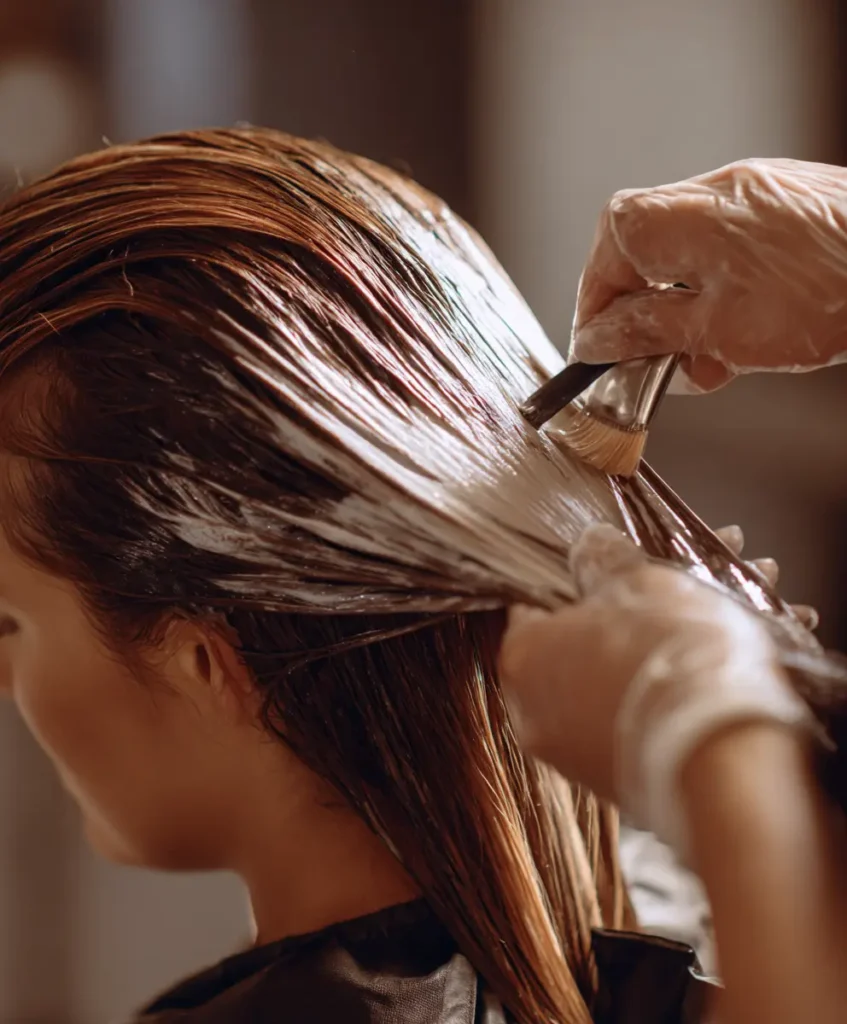
Introduction About Can You Color Your Hair When You’re Pregnant
Pregnancy brings joy, anticipation, and—very often—questions about everyday beauty routines. One of the most common concerns is can you color your hair when you’re pregnant without harming your baby. For many individuals, hair coloring is not just cosmetic; it’s part of their identity and routine. So it’s completely normal to feel unsure about whether the chemicals in dyes are safe during pregnancy.
This article answers that question Can You Color Your Hair When You’re Pregnant using current medical guidance and the latest expert recommendations. We review what major medical organizations say, explain how hair dye is absorbed (or not absorbed) through the scalp, outline safer alternatives, and give evidence-based tips for reducing exposure. Our goal is to help you make an informed, confident, and safe choice.
Table of Contents About Can You Color Your Hair When You’re Pregnant
Can You Color Your Hair When You’re Pregnant
Medical experts generally agree: coloring your hair during pregnancy is considered low-risk when done properly. This includes major sources such as national health organizations and obstetric specialists. However, because research during pregnancy has ethical limitations, studies on chemical exposure from cosmetic dyes are somewhat limited.
Even so, current knowledge shows:
- The amount of chemicals absorbed through the scalp during hair coloring is extremely small.
- There is no consistent evidence linking hair dye use to fetal harm.
- Most health authorities consider occasional hair coloring safe during pregnancy.
When people ask can you color your hair when you’re pregnant, experts emphasize that normal use of hair dye leads to minimal systemic exposure. The dyes are designed primarily to act on the hair shaft, not to penetrate deeply into the skin. For this reason, obstetricians generally reassure their patients that the risk to the developing baby is extremely low.
However, because the first trimester is a critical period of fetal organ development, some professionals recommend waiting until after week 13 to begin or resume coloring hair. This is not because dyes are proven unsafe—it is simply a precaution many patients feel comfortable with.
When Is the Safest Time to Dye Hair in Pregnancy?
Pregnancy is divided into three trimesters:
- First trimester (weeks 1–13): Organ formation
- Second trimester (weeks 14–27): Growth and development
- Third trimester (weeks 28–40): Maturation
While the keyword can you color your hair when you’re pregnant applies to all stages, medical guidance favors delaying chemical exposure until after the first trimester.
Why wait?
During the first 13 weeks:
- The fetus’s brain, heart, limbs, and organs form.
- Rapid cell division makes the embryo more sensitive to environmental exposures.
- Many patients experience nausea, fatigue, and heightened sensitivity to smells—which can make hair dye fumes uncomfortable.
Again, there is no definitive evidence that coloring hair during early pregnancy is harmful. The recommendation to wait is precautionary. After entering the second trimester, most experts consider hair coloring to be safe when following standard precautions.
How Much Hair Dye Is Absorbed Through the Scalp?
Understanding skin absorption helps clarify the answer to can you color your hair when you’re pregnant. The skin acts as a protective barrier, especially the outer layer called the stratum corneum. Most molecules in cosmetic hair dyes are:
- Large in size
- Poorly absorbed
- Designed to interact with the hair shaft, not the bloodstream
Studies show that:
- Only tiny, trace amounts of hair dye chemicals enter the bloodstream through normal scalp application.
- These amounts are far below the toxicity levels known to cause concern in pregnancy.
- When dyes are used occasionally and according to instructions, systemic exposure is considered negligible.
For comparison: your body absorbs far more chemicals through sustained environmental exposures (like air pollution or certain foods) than from a single hair coloring session.
This minimal absorption is a major reason why experts consider hair dye safe in pregnancy.
Safer Hair Coloring Options During Pregnancy
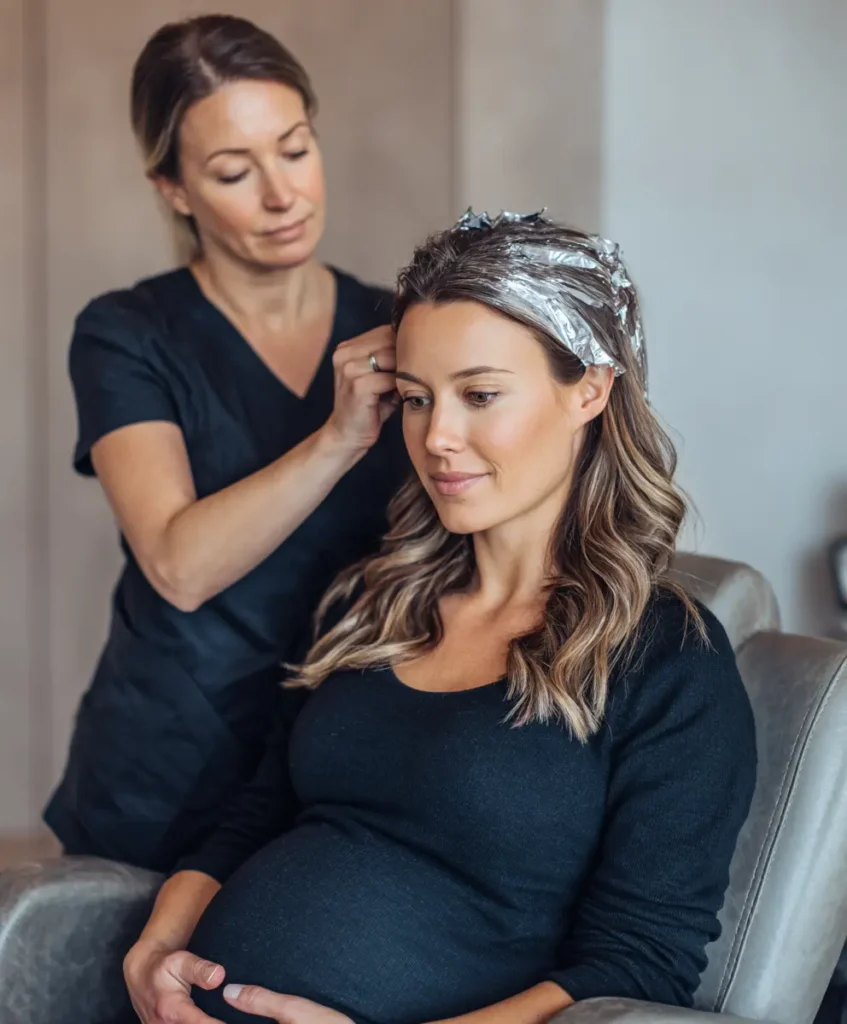
For people who want an extra margin of safety, several hair coloring techniques reduce or eliminate contact with the scalp. These options are especially popular among those asking can you color your hair when you’re pregnant but still want to minimize chemical exposure.
1. Highlights or Lowlights
- Dye is applied to the strands of hair, not the roots.
- Almost no direct scalp contact, greatly reducing absorption.
- Suitable for blonding, dimension, or soft color changes.
2. Semi-Permanent or Temporary Dyes
- Contain fewer harsh chemicals.
- Often ammonia-free and peroxide-free.
- Fade gradually and require less frequent application.
3. Vegetable-Based or Natural Dyes (e.g., Pure Henna)
- Derived from plant extracts.
- Free from ammonia, peroxide, and strong synthetic chemicals.
- Safe when they are 100% natural (avoid “black henna” or mixed products).
4. Ammonia-Free or Peroxide-Free Formulas
- Gentler on the scalp and hair.
- Have fewer fumes—ideal for pregnant individuals sensitive to odors.
These alternatives allow you to enjoy color changes while keeping exposure minimal.

Precautions When Dyeing Hair While Pregnant
Even though occasional hair dye use is considered safe, taking precautions can further reduce the chemical load. These recommendations apply whether you color your hair at home or at a salon.
1. Use Gloves
They protect your skin from unnecessary contact with dye chemicals.
2. Color Your Hair in a Well-Ventilated Area
Good airflow reduces inhalation of fumes, especially helpful if you’re experiencing pregnancy-related nausea or smell sensitivity.
3. Limit Processing Time
Follow instructions carefully—do not leave dye on longer “for better results.” Prolonged exposure increases absorption without improving color.
4. Rinse Thoroughly
After the dye has processed, rinse your scalp with plenty of water to remove any residual chemicals.
5. Always Perform a Patch Test
Pregnancy can make your skin more reactive due to hormonal changes. A patch or strand test helps prevent unexpected allergic reactions.
6. Avoid Dyeing Over Wounds or Irritated Skin
Broken skin can increase absorption and irritation.
7. Ask for Professional Help if Unsure
A trained stylist can help you choose gentler products and limit scalp contact.
These simple steps significantly reduce exposure when wondering can you color your hair when you’re pregnant and want to prioritize safety.

What About Bleaching, Perming, or Relaxing Hair ?
Hair dye is generally considered safe, but chemical treatments such as bleaching, perming, or relaxing are more potent and involve stronger substances like:
- Hydrogen peroxide
- Thioglycolates
- Ammonium compounds
Bleaching
- Releases stronger fumes.
- Requires more scalp contact.
- Often recommended only in well-ventilated salons.
Perming and Relaxing
- Use chemicals that break and reform protein bonds in the hair.
- Theoretical risk is still low, but the strength of these chemicals justifies caution.
When patients ask can you color your hair when you’re pregnant versus can you bleach or chemically treat your hair, the answer differs slightly:
- Hair coloring = generally low risk
- Chemical treatments = still low risk but stronger fumes and chemicals, so discuss with your healthcare provider
- If you choose these treatments, ensure proper ventilation and avoid prolonged exposure
Hair Dye and Breastfeeding: Is It Still Safe?
Many new parents continue to ask whether can you color your hair when you’re pregnant also applies to the breastfeeding period. The good news:
Hair dye does not enter breast milk in meaningful amounts.
The chemicals remain largely on the hair surface or are rinsed out before absorption occurs. Breastfeeding individuals can safely dye their hair as long as fumes do not irritate them or the baby.
Tips to keep breastfeeding even safer:
- Avoid coloring hair while holding or feeding the baby.
- Ensure good ventilation so the baby is not exposed to strong odors.
- Wash hands thoroughly before touching your infant after dyeing your hair.
No research suggests harm to breastfeeding infants from their parent’s hair coloring routine.
When to Talk to Your Doctor or Midwife
Although hair dye is considered safe for most pregnant individuals, some situations may require personalized advice. Consult your healthcare provider if:
1. You Have Pre-Existing Skin Conditions
- Eczema
- Psoriasis
- Dermatitis
- Chronic scalp irritation
Inflamed or damaged skin may absorb chemicals more easily.
2. You Have a History of Allergies
Especially to:
- Hair dye
- Cosmetic chemicals
- Fragrances
- Ammonia or peroxide products
Pregnancy can increase sensitivity, so allergy risks may be higher.
3. You Accidentally Dyed Your Hair in the First Trimester
Most doctors will reassure you that the risk is extremely low. Still, asking for personalized guidance can provide peace of mind.
4. You Experience Severe Nausea
Fumes may worsen symptoms, so alternatives like highlights or safer dyes might be preferable.
5. You Use Strong Chemical Treatments
Bleaching, perming, or relaxing hair may require additional discussion.
If you ever feel uncertain about can you color your hair when you’re pregnant, consulting your doctor ensures the most tailored advice.
Conclusion: About Can You Color Your Hair When You’re Pregnant
Coloring your hair does not need to stop when you’re expecting. Based on current medical understanding, can you color your hair when you’re pregnant can confidently be answered with: Yes—when done safely and with proper precautions.
Key points to remember:
- Hair dye absorption through the scalp is minimal.
- Occasional use is considered low risk in pregnancy.
- Many experts recommend waiting until after the first trimester.
- Safer alternatives such as highlights, semi-permanent dyes, or ammonia-free formulas offer additional reassurance.
- Proper ventilation and careful application can further reduce exposure.
Pregnancy is a time of many changes, but your hair routine can still be part of your self-care. When in doubt, discuss your choices with a healthcare provider for personalized reassurance.
FAQs About Can You Color Your Hair When You’re Pregnant
1. Can hair dye harm my baby?
There is no evidence that modern hair dyes cause harm to a developing fetus when used normally. Absorption through the scalp is extremely limited, and occasional coloring is considered safe.
2. What if I accidentally dyed my hair in the first trimester?
Do not panic. The risk is extremely small. Most healthcare providers reassure patients that accidental early pregnancy exposure is unlikely to cause harm. If you are worried, speak with your doctor for peace of mind.
3. Are salon dyes safer than boxed dyes?
Not necessarily. Both contain similar active ingredients. However, professional salons may offer:
- Better ventilation
- More controlled application
- Ammonia-free or gentler formulas
The safety depends more on how the dye is applied and the precautions taken rather than where it is done.
4. How often can I color my hair during pregnancy?
Most experts recommend spacing treatments every 6–8 weeks, giving your scalp time to rest and reducing cumulative exposure.
5. Are natural or organic dyes always safer?
Not always. Some “natural” products contain added chemicals or strong colorants. Always check labels and avoid mixed products that contain PPD or strong additives.