
Perimenopause is a natural biological transition that leads to menopause, but many women are surprised to learn that fertility does not disappear immediately when perimenopausal symptoms begin. As hormone levels fluctuate and menstrual cycles become irregular, the question “can you get pregnant during perimenopause” becomes increasingly important for both women who want to avoid pregnancy and those who are hoping to conceive.
This article provides a comprehensive medical explanation of fertility during perimenopause, the biological mechanisms involved, associated health risks, and professional recommendations for women navigating this stage of life.
Table of Contents
Understanding Perimenopause: A Transitional Reproductive Phase
Perimenopause typically begins in a woman’s 40s, although it can start earlier or later. During this period, estrogen and progesterone levels fluctuate significantly. These changes affect the menstrual cycle, the ovaries, and the timing of ovulation.
Menstrual cycles may become longer, shorter, heavier, lighter, or skip months entirely. Despite these irregularities, ovulation can still occur, which is why can you get pregnant during perimenopause is not just a theoretical question — it has real clinical relevance.
Perimenopause ends when a woman has gone 12 consecutive months without menstruation, marking the official start of menopause. Until this stage is reached, the ovaries remain intermittently active, and fertility, although reduced, has not disappeared.
Can You Get Pregnant During Perimenopause? The Medical Answer
The medical answer is yes — you can get pregnant during perimenopause. Fertility declines substantially with age, but as long as ovulation occurs, conception remains biologically possible.
The difficulty lies in the unpredictability of ovulation. Hormonal fluctuations can cause the ovaries to release an egg earlier or later than expected, making natural fertility tracking methods unreliable.
Even women with irregular cycles may still ovulate occasionally. Because ovulation can occur without any noticeable symptoms and sometimes even without a period in the same month, unplanned pregnancies are not uncommon during this stage.
This is why healthcare professionals consistently emphasize that can you get pregnant during perimenopause is a question that must be taken seriously, particularly for women who believe they no longer need contraception.
Why Pregnancy Is Still Possible During Perimenopause
1. Intermittent Ovulation Continues
The ovaries do not stop functioning suddenly. Instead, ovulation becomes sporadic. Some months may have no ovulation, while others unexpectedly produce an egg.
2. Hormonal Surges Trigger Ovulation
Despite an overall decline in estrogen and progesterone, the body experiences unpredictable hormonal spikes. Some of these surges are strong enough to stimulate ovulation.
3. Menstrual Irregularity Does Not Equal Infertility
Many women believe that skipping periods means ovulation has stopped. In reality, ovulation often occurs before a period, meaning a woman may not know she was fertile until afterward.
4. Egg Quality Declines but Does Not Disappear
With age, eggs become less viable, but pregnancy remains possible if a healthy egg is released and fertilized.
These factors explain why can you get pregnant during perimenopause is a medically accurate concern rather than a misconception.
How Fertility Changes During Perimenopause
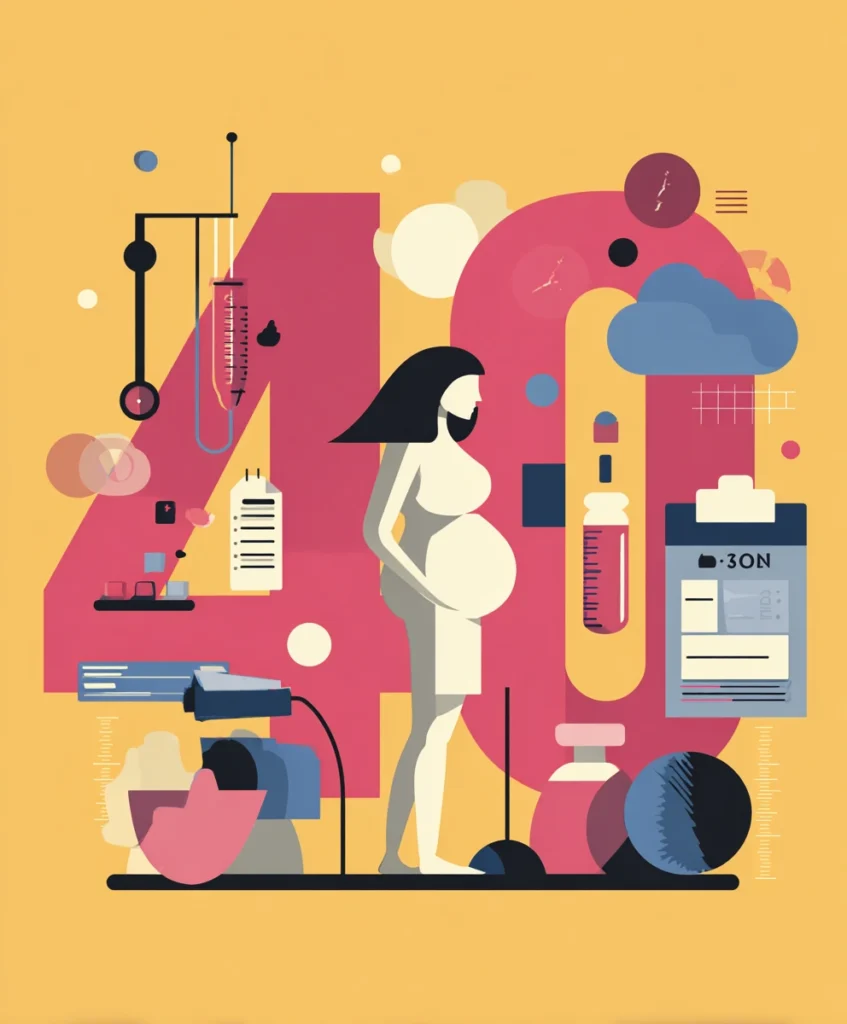
Although pregnancy is possible, fertility is significantly reduced compared with younger years. This decline happens due to two main factors:
1. Fewer Eggs (Reduced Ovarian Reserve)
By the time a woman reaches her mid-40s, the number of available oocytes is dramatically lower than in her 20s or 30s. The ovaries may release an egg only a few times each year.
2. Lower Egg Quality
Eggs in perimenopause are more likely to have chromosomal abnormalities. This increases the chances of:
- infertility
- early miscarriage
- genetic disorders
Despite these limitations, the reproductive system is still capable of conception until menopause officially occurs.
Risks of Pregnancy During Perimenopause
Because many women asking can you get pregnant during perimenopause are also concerned about safety, it is essential to understand the associated risks.
1. Higher Miscarriage Rate
The likelihood of miscarriage increases sharply after age 40. This is directly related to chromosomal abnormalities in aging eggs.
2. Increased Maternal Complications
Pregnancy during perimenopause carries higher risks of:
- gestational diabetes
- high blood pressure and pre-eclampsia
- placental complications
- blood clotting disorders
- cesarean delivery
These risks do not mean pregnancy is unsafe, but close monitoring is required.
3. Greater Fetal Risks
Babies conceived during perimenopause have higher risks of:
- chromosomal disorders
- low birth weight
- preterm birth
Doctors typically recommend genetic counseling for women trying to conceive during this transitional stage.
Contraception: Essential Until Menopause
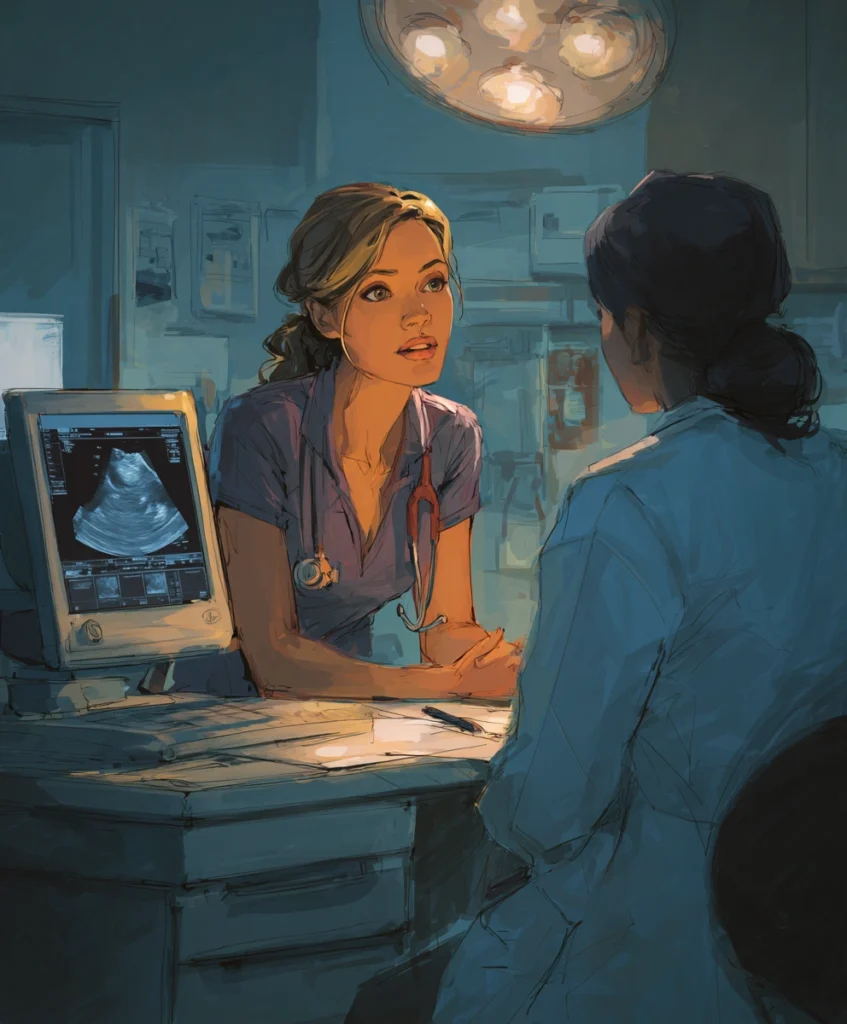
A crucial part of answering can you get pregnant during perimenopause is providing clear guidance on contraception.
Even if periods are irregular or absent for several months, women can still ovulate unexpectedly. This means contraception is necessary until menopause is confirmed.
How to Confirm Menopause
Menopause is officially diagnosed when:
- 12 consecutive months have passed with no menstrual bleeding
A single hormone test is not reliable enough to diagnose menopause, because hormone levels fluctuate daily during perimenopause.
Recommended Contraceptive Options
- Low-dose hormonal pills
- Hormonal IUD
- Copper IUD
- Barrier methods
- Tubal ligation for women who want a permanent solution
If pregnancy is not desired, contraception must continue, because the possibility remains real until menopause is complete.
Trying to Conceive During Perimenopause
For women who want to conceive, the question can you get pregnant during perimenopause opens another discussion about fertility support and medical evaluation.
1. Fertility Assessment
Doctors may recommend:
- ovarian reserve testing (AMH, FSH, AFC)
- pelvic ultrasound
- thyroid and prolactin levels
These tests help estimate, but not guarantee, fertility potential.
2. Natural Conception
Although less common, natural conception remains possible during perimenopause, especially in early perimenopause.
3. Assisted Reproductive Technologies
Options include:
- ovulation induction
- intrauterine insemination (IUI)
- in vitro fertilization (IVF)
- IVF using donor eggs (higher success rates)
Donor-egg IVF remains the most successful method for women over 43.
Common Misconceptions About Perimenopause and Fertility
Misconception 1: Irregular periods mean you cannot get pregnant.
Fact: Ovulation can happen even when periods are unpredictable.
Misconception 2: Fertility stops at a specific age.
Fact: Fertility gradually declines but does not disappear until menopause.
Misconception 3: A negative ovulation test means no fertility.
Fact: Hormonal surges may be too subtle or irregular to detect.
Misconception 4: A doctor can confirm infertility with one blood test.
Fact: No single test can determine whether a woman is completely infertile during perimenopause.
All these misconceptions reinforce why can you get pregnant during perimenopause must be answered with clear, evidence-based information.
Practical Guidance for Women in Perimenopause
1. If You Do Not Want to Get Pregnant
- Continue contraception until one full year without a period
- Do not rely on cycle tracking
- Speak with a healthcare provider about safe contraceptive options
2. If You Hope to Conceive
- Seek early evaluation
- Discuss realistic expectations
- Optimize health factors such as weight, nutrition, sleep, and chronic disease control
- Consider referral to a fertility specialist
3. If You Are Unsure
Many women in perimenopause feel conflicted about pregnancy. Open discussion with a healthcare provider can help clarify goals and options.
Final Answer: Can You Get Pregnant During Perimenopause?
Yes — can you get pregnant during perimenopause is a medically accurate concern, because fertility does not end until menopause has fully occurred.
Ovulation becomes irregular, but it does not stop abruptly. As long as an egg can be released, fertilized, and implanted, pregnancy remains possible.
However, the chances of conception decrease significantly, and the risks for both mother and baby increase during this stage.
Written by a Gynecologist based on medical experience and scientific evidence to help you make informed decisions about Can You Get Pregnant During Perimenopause