

pregnancyfollowup.com

Women's Nutrition & Wellness

Science-backed nutrition guidance for women's health. Expert dietary advice for pregnancy, breastfeeding, menopause, and optimal wellness at every life stage.

How to Increase Progesterone Naturally: 7 Doctor-Backed Ways to Restore Hormonal Balance

How to Increase Progesterone Naturally: 7 Doctor-Backed Ways to Restore Hormonal Balance

Introduction About How to Increase Progesterone Progesterone is a key reproductive hormone that plays a central role in menstrual regulation,…
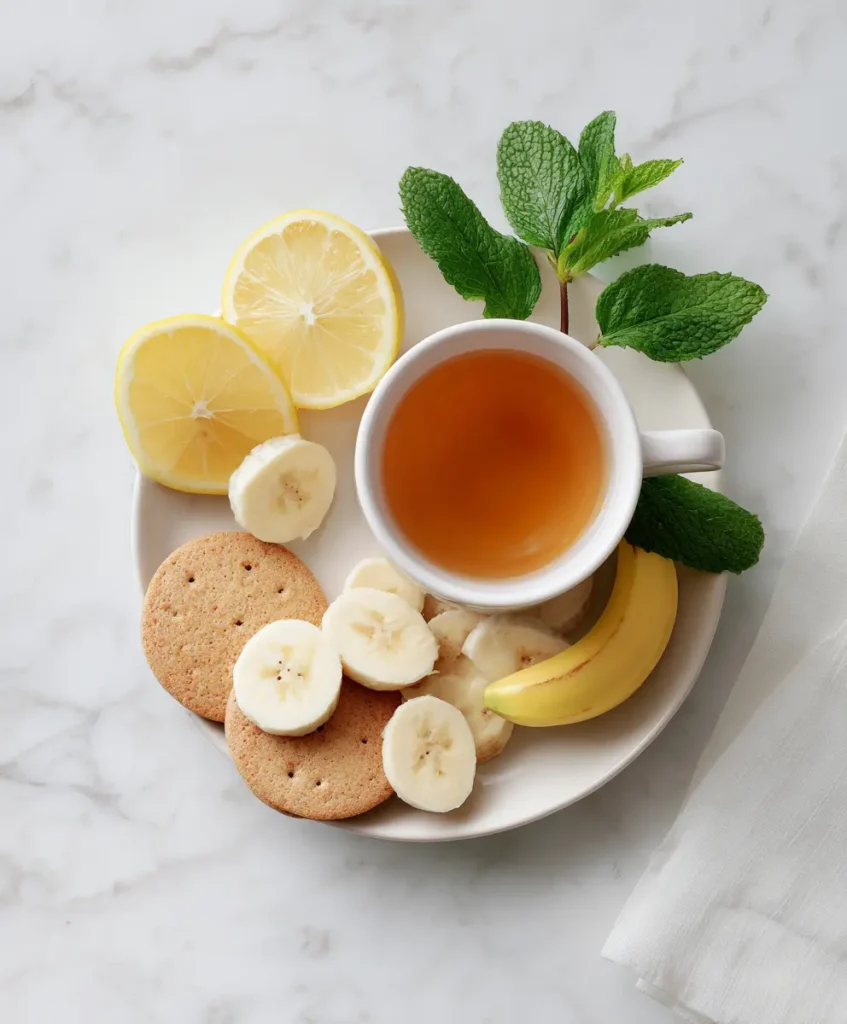
Foods That Fight Nausea During Pregnancy

Foods That Fight Nausea During Pregnancy

Introduction About Foods That Fight Nausea During Pregnancy Nausea and vomiting in pregnancy (NVP) are among the most common symptoms…

Iron-Rich Pregnancy Foods : A Complete Guide for Expecting Mothers

Iron-Rich Pregnancy Foods : A Complete Guide for Expecting Mothers

1. Introduction Iron-Rich Pregnancy Foods are essential for maintaining your health and your baby’s growth. During pregnancy, your body works…

Nutrition & Diet Questions

A balanced diet for women includes variety from all food groups: fruits and vegetables (at least 5 servings daily) providing vitamins, minerals, and fiber; whole grains (at least half your grain intake) offering sustained energy and B vitamins; lean proteins (poultry, fish, beans, nuts) supporting tissue repair and immune function; dairy or fortified alternatives providing calcium and vitamin D for bone health; and healthy fats (avocados, olive oil, nuts) supporting hormone production and nutrient absorption. Limit processed foods, added sugars, and excessive sodium. Adjust portions and nutrients based on life stage (pregnancy, breastfeeding, menopause) and individual needs.

Women generally need 8-11 cups (64-88 ounces) of fluids daily from all sources, though individual needs vary based on activity level, climate, health status, and life stage. Pregnant women need additional 8-12 ounces daily, while breastfeeding women need 16 extra ounces (total 104 ounces). Signs of adequate hydration include pale yellow urine and infrequent thirst. Increase intake during exercise, hot weather, or illness. Water is best, but other beverages and water-rich foods contribute. Don't wait until thirsty to drink, especially during pregnancy and breastfeeding.

Your texts will be un-expanded under the accordion title and when your visitors expand the section, they can view the full section.

Menopausal nutrition focuses on managing symptoms and preventing age-related health risks. Increase calcium (1200mg daily) and vitamin D for bone health, consume phytoestrogen-rich foods (soy, flaxseed) possibly reducing hot flashes, eat fiber-rich foods managing weight and digestive health, choose lean proteins maintaining muscle mass, limit added sugars and refined carbs stabilizing blood sugar and mood, reduce sodium preventing hypertension, moderate caffeine and alcohol potentially triggering hot flashes, and stay well-hydrated. Small frequent meals help manage metabolism changes. Regular balanced meals support energy and prevent overeating.

While no specific foods are required for breastfeeding, adequate nutrition ensures good milk supply and maternal health. Focus on protein-rich foods (lean meat, eggs, legumes, nuts), calcium sources (dairy, fortified alternatives, leafy greens), whole grains providing sustained energy, fruits and vegetables offering vitamins and fiber, healthy fats supporting baby's brain development (salmon, avocados, nuts), and plenty of fluids. Breastfeeding requires additional 450-500 calories daily. Eat when hungry, don't diet strictly while nursing, and maintain varied balanced meals. Avoid excessive caffeine and alcohol. True food restrictions are rarely necessary.

Sustainable weight loss involves moderate calorie reduction (not extreme restriction), balanced nutrition from all food groups, regular physical activity (combining cardio and strength training), adequate protein intake (preserving muscle mass), sufficient sleep (supporting metabolism and reducing stress eating), stress management (reducing cortical impact on weight), mindful eating (recognizing hunger and fullness), and gradual changes creating lasting habits. Aim for 1-2 pounds weekly loss. Avoid fad diets, extreme restrictions, or elimination of entire food groups. Consider registered dietitian guidance for personalized plans addressing individual needs and health conditions.

Hair and skin health require adequate protein (building blocks), omega-3 fatty acids (reducing inflammation, supporting cell membranes), vitamin A (cell production and repair), vitamin C (collagen synthesis), vitamin E (antioxidant protection), biotin (hair and nail health), iron (preventing hair loss), zinc (healing and growth), and sufficient hydration. Eat varied colorful fruits and vegetables, fatty fish, nuts and seeds, lean proteins, and whole grains. Topical products help but nutrition provides foundation. Sudden hair loss or skin changes may indicate nutritional deficiencies or health issues requiring medical evaluation.

Diet significantly impacts mental health through various mechanisms. Complex carbohydrates support serotonin production, omega-3 fatty acids affect brain structure and neurotransmitter function, B vitamins (especially B12 and folate) are crucial for neurotransmitter synthesis, vitamin D deficiency links to depression, iron and zinc affect energy and cognition, and gut health (influenced by diet) connects to brain function. Eat regular balanced meals preventing blood sugar crashes affecting mood, include variety ensuring adequate micronutrients, limit processed foods and added sugars, stay hydrated, and consider Mediterranean-style eating patterns. Severe mental health concerns require professional treatment alongside nutritional support.