
Introduction About 7 Natural Menopause Treatments That Really Work
7 natural menopause treatments that really work are increasingly sought by women looking for effective, evidence-based alternatives to hormone therapy during the menopausal transition. Menopause is a natural biological process defined by the permanent cessation of menstruation after 12 consecutive months without a menstrual period, typically occurring between the ages of 45 and 55. It is characterized by a progressive decline in ovarian estrogen and progesterone production, leading to a variety of physical, psychological, and metabolic symptoms.
Common menopausal symptoms include hot flashes, night sweats, sleep disturbances, mood changes, vaginal dryness, decreased libido, joint pain, and changes in body composition. While hormone replacement therapy remains the most effective treatment for moderate to severe symptoms, many women seek non-hormonal approaches due to contraindications, personal preference, or concerns about long-term hormone exposure.
Understanding which 7 natural menopause treatments that really work are supported by medical evidence is essential to avoid ineffective or unsafe remedies. This article reviews seven natural approaches with demonstrated benefits, focusing on their mechanisms, effectiveness, and role in comprehensive menopausal care.
Table of Contents About 7 Natural Menopause Treatments That Really Work
1. Phytoestrogens and Plant-Based Nutrition
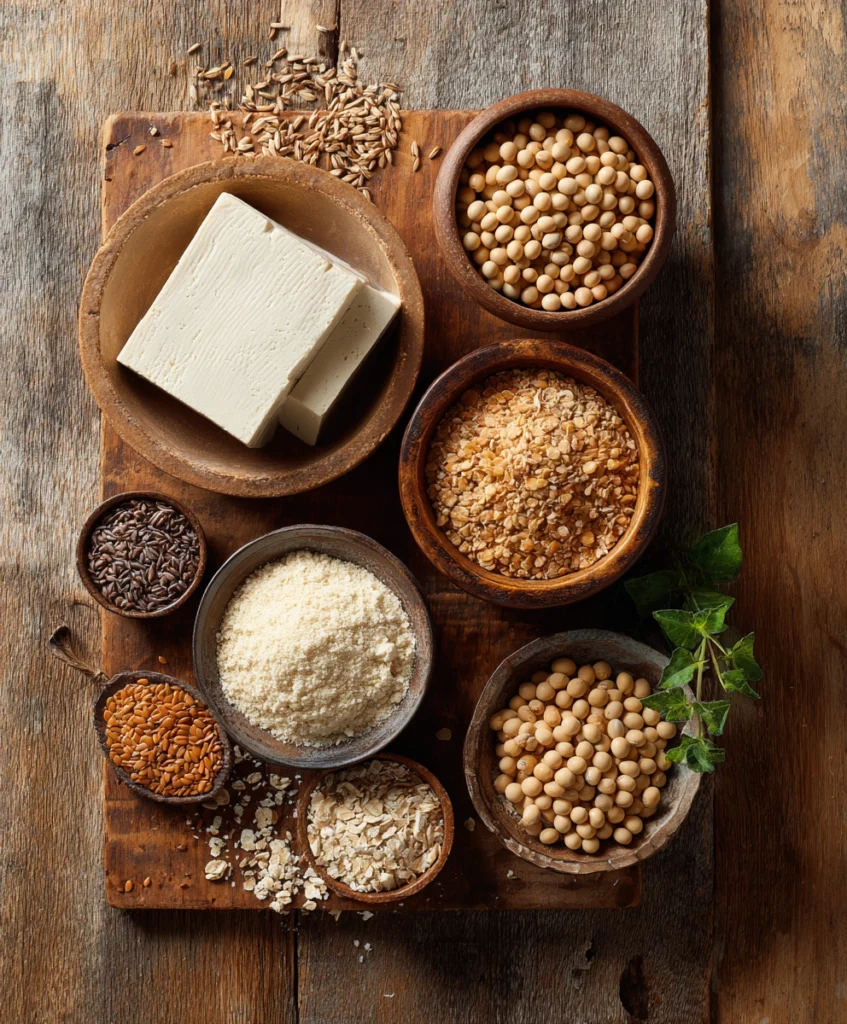
Phytoestrogens are naturally occurring plant compounds that structurally resemble human estrogen and can exert weak estrogenic or anti-estrogenic effects depending on the hormonal environment. Common sources include soy products, flaxseed, legumes, whole grains, and seeds.
Among 7 Natural Menopause Treatments That Really Work, phytoestrogen-rich diets have shown modest but consistent benefits, particularly for vasomotor symptoms such as hot flashes.
Clinical studies suggest that regular intake of soy isoflavones may reduce hot flash frequency and intensity, especially in women experiencing frequent symptoms. Additionally, plant-based diets rich in fiber and antioxidants support cardiovascular health and help mitigate weight gain commonly observed during menopause.
Medical benefits include:
- Mild reduction in hot flashes
- Improved lipid profile
- Potential bone-protective effects
- Improved metabolic health
Phytoestrogens are generally considered safe when consumed as part of a balanced diet. However, caution is advised in women with a history of hormone-sensitive cancers, and dietary approaches should be discussed with a healthcare provider.
2. Evidence-Based Herbal Remedies
Herbal medicine is often promoted as a cornerstone of natural menopause treatments, but scientific evidence varies greatly between products.
Black Cohosh
Black cohosh is one of the most studied herbs for menopausal symptoms. It is believed to act through central nervous system pathways rather than direct estrogenic stimulation.
Clinical trials suggest that standardized black cohosh extracts may reduce:
- Hot flashes
- Night sweats
- Sleep disturbances
- Mood symptoms
When used short-term and in recommended doses, black cohosh is generally well tolerated. Rare side effects include gastrointestinal discomfort and headache.
Red Clover
Red clover contains phytoestrogens similar to soy. Some studies demonstrate modest benefits for hot flashes, while others show no significant difference compared to placebo. Results appear highly individual.
Overall, herbal therapies may be considered supportive 7 Natural Menopause Treatments That Really Work for selected women, but they should not replace medical evaluation or evidence-based care.
3. Regular Physical Activity and Exercise
Exercise is one of the most consistently supported 7 Natural Menopause Treatments That Really Work, with benefits extending far beyond symptom relief.
Although exercise does not directly eliminate hot flashes, it significantly improves:
- Sleep quality
- Mood and anxiety levels
- Weight control
- Bone density
- Cardiovascular health
Both aerobic exercise and resistance training are important during menopause. Strength training is particularly beneficial for preserving muscle mass and preventing osteoporosis, while aerobic activity improves metabolic and cardiovascular outcomes.
From a medical perspective, physical activity is a first-line lifestyle intervention recommended for all menopausal women unless contraindicated.

4. Cognitive Behavioral Therapy and Psychological Support
Psychological changes during menopause are often underestimated. Anxiety, depressive symptoms, irritability, and reduced stress tolerance are common and may exacerbate physical symptoms.
Cognitive behavioral therapy (CBT) has emerged as one of the most effective 7 Natural Menopause Treatments That Really Work for managing:
- Hot flash perception
- Insomnia
- Anxiety
- Mood changes
CBT does not alter hormone levels but helps women develop coping strategies, reframe symptom perception, and improve emotional regulation. Clinical trials demonstrate reduced distress related to vasomotor symptoms and improved sleep quality.
Mindfulness-based stress reduction and relaxation techniques further enhance psychological well-being and complement CBT approaches.
5. Nutritional Optimization and Micronutrient Support
Nutrition plays a central role in menopausal health. Hormonal changes increase the risk of osteoporosis, cardiovascular disease, and metabolic syndrome, making dietary optimization a critical component of 7 Natural Menopause Treatments That Really Work.
Key nutritional strategies include:
- Adequate calcium and vitamin D intake for bone health
- Sufficient protein intake to preserve muscle mass
- Increased fiber consumption to support gut health and weight control
- Limiting refined sugars and processed foods
Balanced nutrition does not eliminate menopausal symptoms but improves resilience, energy levels, and long-term health outcomes.
From a medical standpoint, diet should be individualized based on age, weight, metabolic profile, and comorbidities.
6. Stress Reduction and Sleep Hygiene
Stress and poor sleep significantly worsen menopausal symptoms. Chronic stress activates the hypothalamic-pituitary-adrenal axis, which can intensify hot flashes, fatigue, and emotional instability.
Effective stress management is therefore one of the most practical 7 Natural Menopause Treatments That Really Work.
Evidence-based strategies include:
- Establishing consistent sleep schedules
- Maintaining a cool sleep environment
- Limiting caffeine and alcohol
- Practicing relaxation techniques such as breathing exercises, yoga, or meditation
Improved sleep quality alone can dramatically enhance overall quality of life during menopause, even if vasomotor symptoms persist.

7. Acupuncture and Complementary Therapies
Acupuncture has gained attention as a non-pharmacological option for menopausal symptom management. Some clinical trials suggest modest reductions in hot flash frequency and severity.
The proposed mechanisms include:
- Regulation of thermoregulatory centers
- Modulation of neurotransmitters involved in temperature control
- Stress reduction
Although results vary, acupuncture may be considered among 7 Natural Menopause Treatments That Really Work for women seeking complementary approaches, particularly when used alongside lifestyle interventions.
Medical Perspective: What Truly Works
Not all natural remedies provide meaningful benefits. The most effective 7 Natural Menopause Treatments That Really Work are those supported by physiological plausibility and clinical evidence, particularly:
- Lifestyle modification
- Exercise
- Psychological support
- Nutrition-based interventions
Herbal supplements may offer additional relief for selected women but should never replace medical evaluation, especially in cases of severe symptoms or underlying health conditions.
Frequently Asked Questions About Natural Menopause Treatments
What is the best natural thing to take for menopause?
There is no single “best” natural remedy for menopause that works for all women, as symptoms and responses vary widely. However, the most effective natural menopause treatments that really work are usually multimodal. From a medical perspective, the strongest evidence supports a combination of lifestyle-based interventions rather than a single supplement. Regular physical activity, stress management, and a balanced diet rich in phytoestrogens (such as soy and flaxseed) are consistently associated with improved menopausal symptoms. Among supplements, black cohosh and soy isoflavones may help reduce hot flashes in some women, but their effects are generally modest. Natural approaches are most effective when tailored to individual symptoms and used under medical guidance.
Which multivitamin is best for menopause?
The best multivitamin for menopause is one specifically formulated to address the nutritional needs of midlife women. Medically, an ideal menopause multivitamin should provide adequate amounts of vitamin D, calcium, magnesium, vitamin B12, vitamin B6, folate, and zinc, as these nutrients support bone health, energy metabolism, nervous system function, and immune health. Some menopause-specific multivitamins also include antioxidants or plant extracts, but the core benefit comes from correcting common micronutrient deficiencies rather than treating hormonal symptoms directly. A multivitamin should complement, not replace, a balanced diet and healthy lifestyle.
What do Chinese take for menopause?
In Traditional Chinese Medicine (TCM), menopause is viewed as a decline in kidney yin and yang balance rather than a hormonal deficiency alone. Chinese approaches to menopause commonly include herbal formulas, acupuncture, and dietary therapy aimed at restoring internal balance. Frequently used herbs include dong quai, ginseng, rehmannia, and peony root, often combined in personalized formulas rather than taken individually. While some women report symptom relief, scientific evidence supporting these treatments is variable, and results depend heavily on formulation and practitioner expertise. From a medical standpoint, Chinese herbal treatments should be used cautiously and ideally under supervision by both a trained TCM practitioner and a healthcare professional.
Is parsley good for menopause?
Parsley contains antioxidants, vitamins (such as vitamin C and vitamin K), and small amounts of plant compounds with mild estrogen-like activity. While parsley may support general health and digestion, there is no strong clinical evidence that parsley alone is an effective treatment for menopausal symptoms such as hot flashes or night sweats. It can be safely included as part of a healthy diet, but it should not be considered a primary natural menopause treatment. Excessive consumption, particularly in concentrated forms, is not recommended, especially for women with kidney issues or those taking certain medications.
Conclusion About 7 Natural Menopause Treatments That Really Work
Menopause is a complex and highly individual transition. While no single natural therapy can eliminate all symptoms, a combination of evidence-based 7 Natural Menopause Treatments That Really Work can significantly improve comfort, function, and quality of life.
The most reliable natural strategies include:
- Phytoestrogen-rich nutrition
- Select herbal therapies with clinical evidence
- Regular physical activity
- Cognitive behavioral therapy
- Nutritional optimization
- Stress management and sleep hygiene
- Complementary therapies such as acupuncture
A personalized, medically guided approach remains essential. Women experiencing severe or persistent symptoms should consult healthcare professionals to ensure safe, effective, and comprehensive care during the menopausal transition.
Written by a Gynecologist based on medical experience and scientific evidence to help you make informed decisions about 7 Natural Menopause Treatments That Really Work